Questions & Answers
Our trusted network of 1stDibs sellers answer common questions

What size is a large dinner plate?

1 Answer
What size is a large dinner plate?
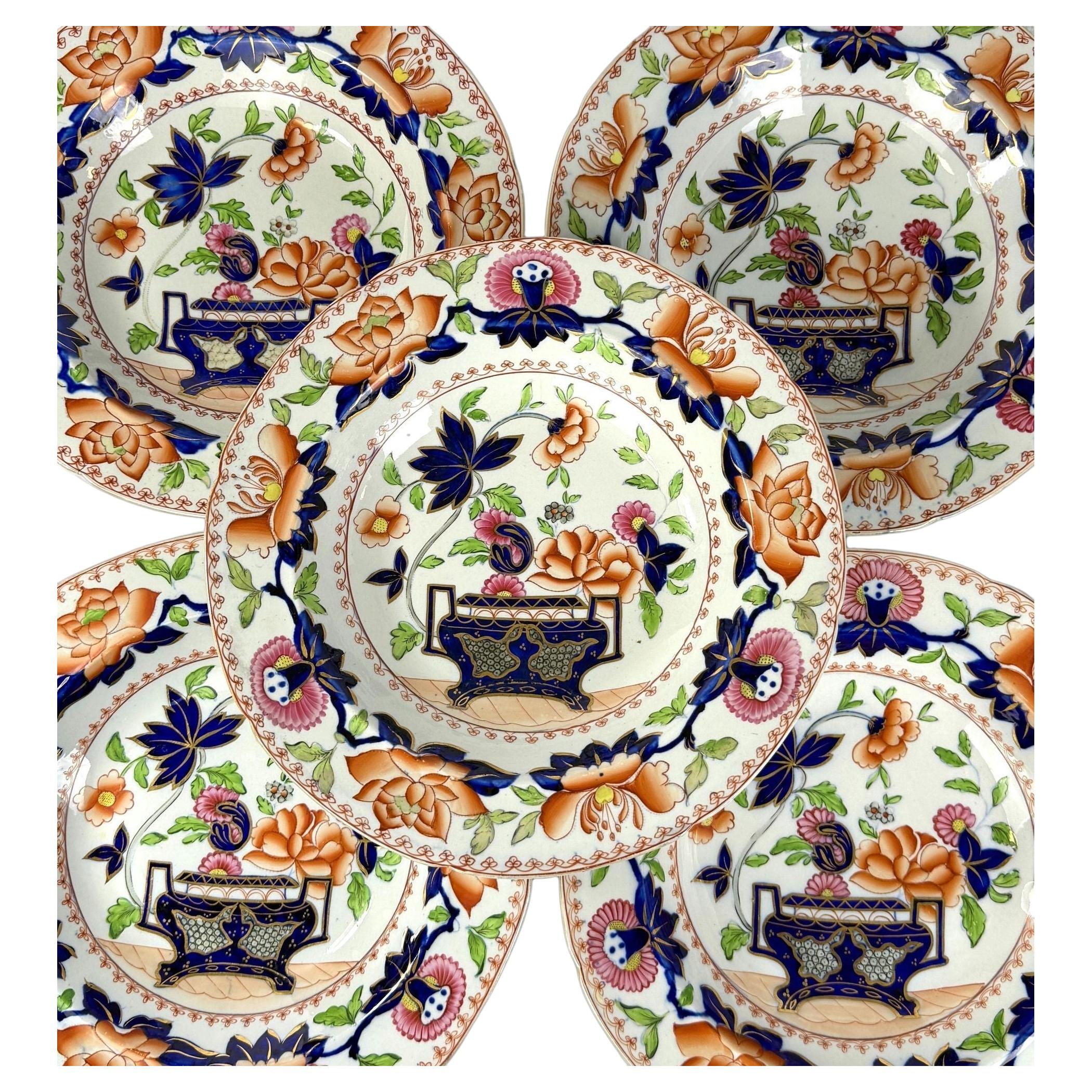
The size of a large dinner plate is anywhere between 10-12 inches. A standard dinner plate has a diameter of 10.5 inches.
1stDibs ExpertFebruary 22, 2021
Shop for Dinner Plates on 1stDibs
Ridgway Ironstone Plate, Hand-Painted Fish Design, Aesthetic Period, Circa 1884
Located in Lincoln, Lincolnshire
This is a highly decorative, Earthenware (ironstone), Dinner Plate by Ridgway, dating to the Aesthetic period in the second half of the 19th Century, Victorian period, Circa 1884. T...
Category

Antique Late 19th Century English Aesthetic Movement Ceramics

Materials

Ironstone

19th Century Rare French Majolica Reticulated Flowers Platter
Located in Austin, TX
19th Century Rare French Majolica Reticulated Flowers Platter. 10.3 by 8.7 inches.  
Category

Antique 1890s French Rustic Dinner Plates

Materials

Ceramic
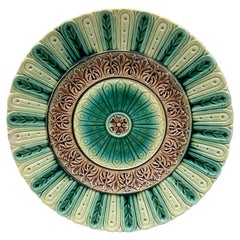
Set of 5 Majolica Plates, France, 19th Century
Located in Auribeau sur Siagne, FR
A beautiful set of five antique French majolica plates, featuring an elegant relief design of vine leaves, grape clusters, and branches. Their rich palette of greens, browns, and cre...
Category

Antique 19th Century French Art Nouveau Dinner Plates

Materials

Majolica

French Majolica Strawberries Plate Luneville, circa 1880
Located in Austin, TX
French Majolica strawberries plate circa 1880 Luneville.
Category

Antique 1880s French Victorian Dinner Plates

Materials

Ceramic, Majolica

By Jules Vieillard & Cie, “Nella", 83-Piece Fine Faience Dinner & Coffee Service
By Jules Viellard
Located in LA CIOTAT, FR
Few 19th-century French faience services embody the elegance, artistic refinement and poetic spirit of the Japonisme movement as beautifully as Jules Vieillard Bordeaux’s celebrated “Nella” pattern. More than a dinner service, this remarkable ensemble is a hand-painted work of art, where every piece celebrates nature through an extraordinary variety of exotic birds, flowering branches, butterflies and delicate insects. No two plates are exactly alike, making each place setting a unique composition while preserving the perfect harmony of the whole. Founded in Bordeaux in 1845, the Jules Vieillard manufactory became one of France’s most prestigious ceramic producers. By the 1870s it employed nearly 1,300 craftsmen, ranking among the country’s leading faience manufacturers. Its artistic creations were celebrated at the great international exhibitions of the nineteenth century, including the Gold Medal awarded at the Paris Universal Exposition of 1878, a distinction that firmly established the international reputation of the Bordeaux factory. Created during this golden period, the “Nella” pattern is now regarded as one of the manufactory’s finest and rarest achievements. Inspired by the discovery of Japanese art in Europe during the second half of the nineteenth century, it perfectly reflects the new decorative language that transformed European ceramics. Every piece was individually moulded in fine faience, fired, then meticulously hand-painted by master decorators using coloured enamels before receiving its final transparent glaze and being fired once again. This demanding process ensured exceptional brilliance while allowing each painter complete artistic freedom. Rather than reproducing a single repetitive design, every plate was intentionally decorated with its own individual composition. Kingfishers, parrots and other exotic birds rest upon blossoming branches of prunus, peonies, irises and wild roses. Butterflies, dragonflies and tiny ladybirds animate the white ground with remarkable delicacy, creating the impression of a living garden. The asymmetrical compositions, generous areas of untouched white and graceful movement throughout the decoration perfectly express the refined aesthetic of French Japonisme. Complete “Nella” services have become extraordinarily scarce. Intended for everyday use within distinguished households, most examples were gradually dispersed or damaged over nearly one hundred and fifty years. Today, large coherent ensembles with their original serving pieces seldom appear on the international market. According to family history, this exceptional service remained for generations in an elegant maison de maître on the French Riviera before entering the antiques market. Unlike most surviving examples, which are composed predominantly of plates, this magnificent ensemble retains an unusually rich selection of original serving pieces together with its complete coffee service, making it equally desirable for collectors, designers and prestigious private residences. Composition — 83 Pieces * 27 Dinner Plates – Ø 25 cm (9.84 in) * 14 Soup Plates – Ø 25.5 cm (10.04 in) * 16 Dessert Plates – Ø 22.5 cm (8.86 in) * 1 Covered Soup Tureen * 2 Covered Vegetable Tureens * 1 Covered Serving Dish * 2 Large Oval Serving Platters * 1 Large Fish Platter * 1 Shell-Shaped Compotier * 2 Covered Sauce Boats with Attached Stands * 1 Covered Mustard Pot * 1 Coffee Pot * 1 Covered Sugar Bowl * 1 Milk Jug * 10 Coffee Cups * 11 Coffee Saucers Every piece bears the JVB factory mark beneath, while the principal serving pieces are additionally marked “Nella”, confirming the authenticity of this prestigious model. The overall condition is exceptional considering its age of approximately 150 years. The enamels retain remarkable freshness and brilliance, while the glaze remains beautifully preserved. Minor imperfections are limited to a few discreet hairlines, one deep serving dish displaying slight age-related darkening, one coffee saucer with noticeable staining and the expected traces of careful domestic use accumulated over generations. These small imperfections are entirely consistent with the age of the service and do not detract from its extraordinary visual impact. More than simply an antique dinner service...
Category

Antique 19th Century French Japonisme Dinner Plates

Materials

Enamel

Sarreguemines Benjamin Rabier Childs Plate, Aménités
Located in Philadelphia, PA
A child’s assiette parlante, a talking plate, illustrated by Benjamin Rabier for Sarreguemines, France – circa 1900. Benjamin Rabier (1864-1939), was a French children’s author, pla...
Category

Early 20th Century French French Provincial Dinner Plates

Materials

Earthenware

Shop All