Questions & Answers
Our trusted network of 1stDibs sellers answer common questions
Why did Andy Warhol paint Marilyn Monroe?
1 Answer
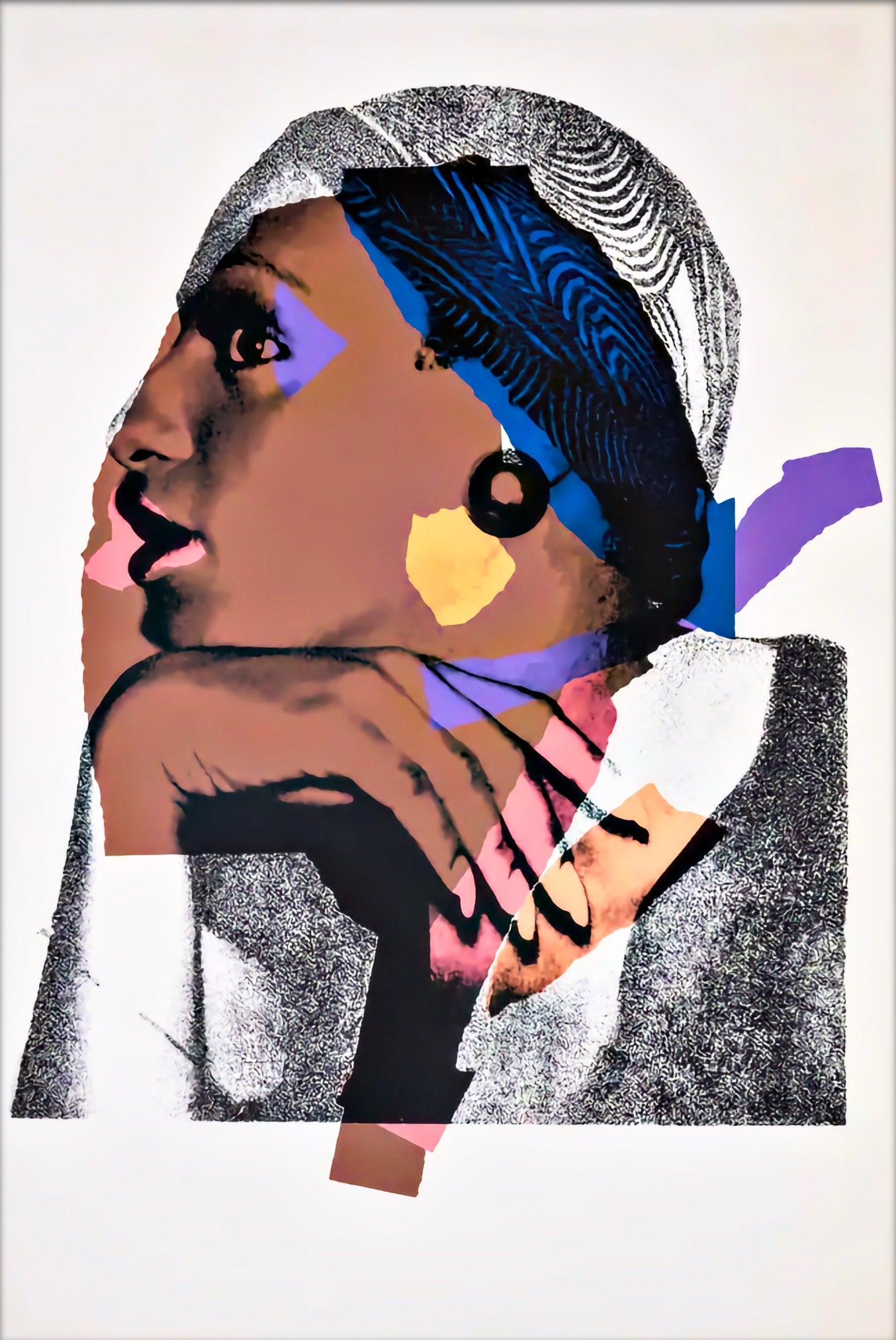
Andy Warhol painted Marilyn Monroe as a commentary on the media and celebrity culture. The American artist was quick to jump on mass media’s penchant for treating glamour and tragedy with equal weight. Monroe’s suicidal overdose in 1962 was ideal fodder, and he reproduced her visage dozens of times, first painting the canvas with splotches of pigment to denote her hair, eyeshadow and lips, then printing the black photographic silkscreen, taken from a 1953 publicity still, on the surface, either alone, doubled or repeated in a grid. By reproducing her image, Warhol sought to show how Monroe's fame and status as a sex symbol transformed her from being an individual person to a mass-market commodity. His work provided a sharp rebuke to the media's obsessive intrusion into the lives of celebrities. On 1stDibs, shop a selection of Andy Warhol art.
1stDibs ExpertFebruary 21, 2024
Related Questions
- What is Andy Warhol's Marilyn Monroe piece called?1 Answer
- How much is Andy Warhol's Marilyn Monroe worth?1 Answer
- How did Andy Warhol screen print Marilyn Monroe?1 Answer
- Who painted Marilyn Monroe?1 Answer
- What did Andy Warhol do?1 Answer
Shop for Andy Warhol Art on 1stDibs
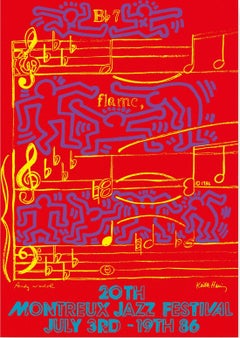
WARHOL & HARING - Jazz, Dancing on Music Sheet - Screenprint Poster, Montreux
By Andy Warhol
Located in Paris, IDF
Andy WARHOL and Keith HARING
Jazz, Dancing on Music Sheet, 1986
Screenprint
Printed signature in the plate
On heavy paper 100 x 70 cm (c. 40 x 28 in)
Created by Haring for the Montr...
Category
1980s American Modern Figurative Prints
Materials
Screen
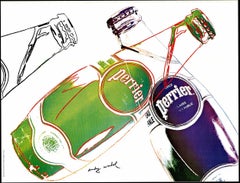
Vintage Andy Warhol Perrier Poster, Original 1983 Pop Art Lithograph, Mint
By Andy Warhol
Located in Spokane, WA
Original 1983 Andy Warhol Perrier Poster – Authentic Pop Art Masterpiece. Grade A.
Preserved in mint condition, this poster is a rare find for serious collectors of Andy Warhol and...
Category
1980s Pop Art Still-life Prints
Materials
Offset
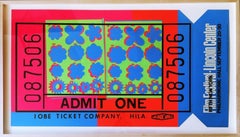
Andy Warhol - Deluxe Signed/N Silkscreen Lincoln Center
By Andy Warhol
Located in New York, NY
Andy Warhol
Deluxe Signed Edition of Film Festival Lincoln Center (Feldman & Schellmann, II.19), 1967
Silkscreen, die-cut on opaque acrylic
Edition 2/200 (Signed and numbered on ...
Category
1960s Pop Art Still-life Prints
Materials
Screen
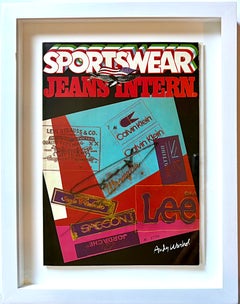
Andy Warhol - SPORTSWEAR JEANS INTERN. (Hand Signed by Warhol), Jon Gould Estate
By Andy Warhol
Located in New York, NY
Andy Warhol - SPORTSWEAR JEANS INTERN. (Hand Signed by Warhol), from the estate of Warhol's last boyfriend
Offset lithograph cover page
Hand signed by Warhol in the front
Provenance:...
Category
1980s Pop Art Abstract Prints
Materials
Magazine Paper, ABS, Lithograph, Offset
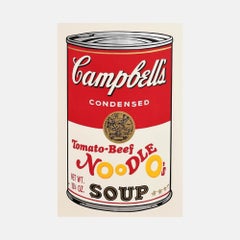
Tomato-Beef Noodle O's Soup (F. & S. II.61) (from Campbell’s Soup II)
By Andy Warhol
Located in Bristol, GB
Screenprint on paper
Edition 241 of 250
88.9 x 58.5 cm (35 x 23 in)
Signed and numbered on the back
Condition on request
This work is sold framed
Factory Additions
Category
1960s Pop Art Still-life Prints
Materials
Paper, Screen
ANDY WARHOL (1928-1987), 'MYTHS - THE SHADOW' HAND-SIGNED INVITATION CARD
By Andy Warhol
Located in Pembroke Pines, FL
ANDY WARHOL (after)
"THE SHADOW" from "MYTHS" Invitation portfolio
1981
Offset lithograph (Invitation)
Published by Ronald Feldman Fine Arts, Inc, New York City.
Signed in marker to ...
Category
1970s Pop Art More Art
Materials
Offset