By Jatin Das
Located in Kolkata, West Bengal
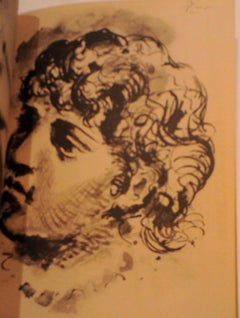
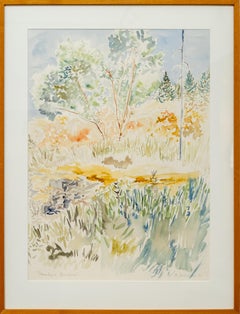
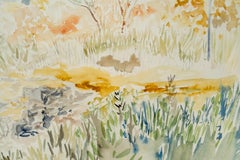
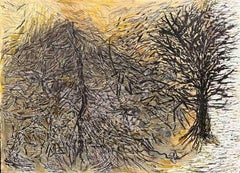
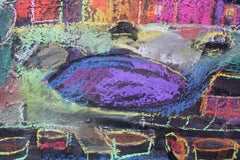
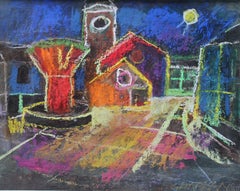
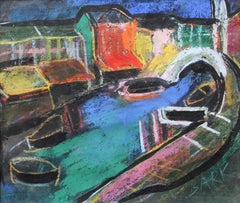
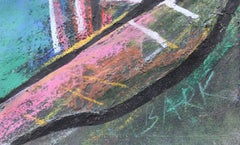
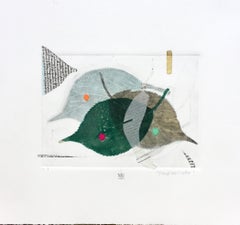
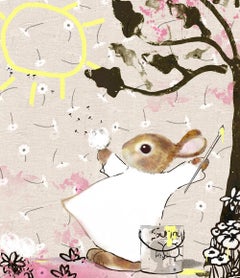
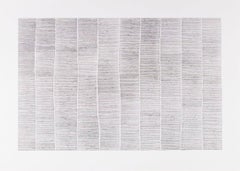
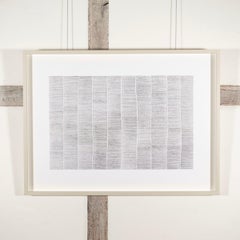
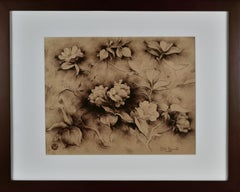
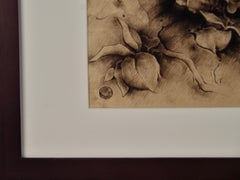
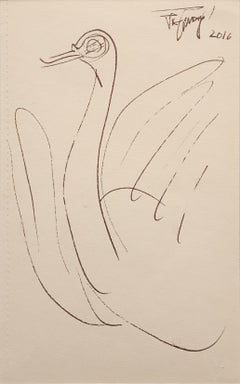
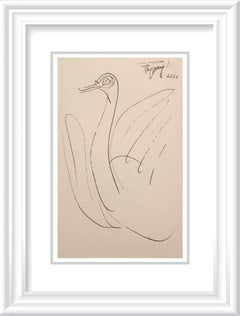
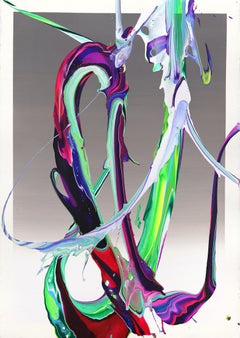
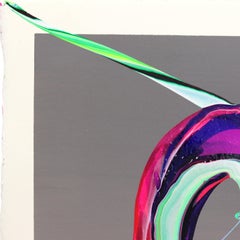
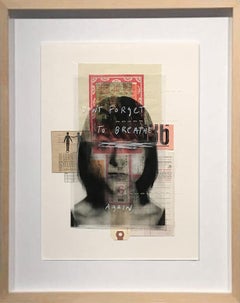
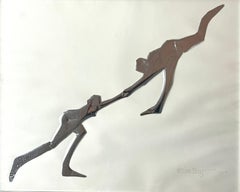
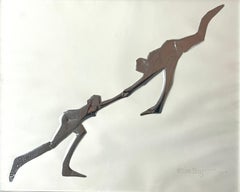
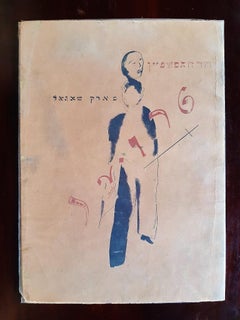
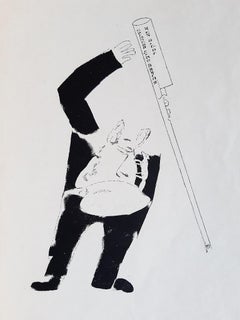
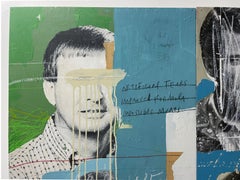
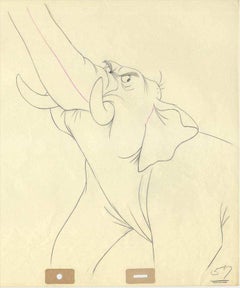
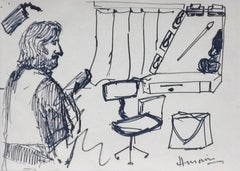
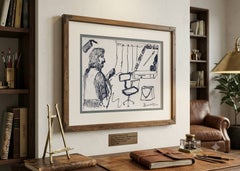
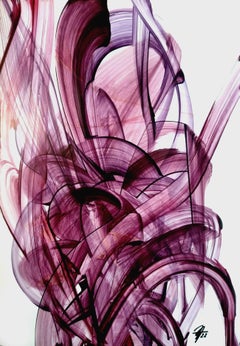
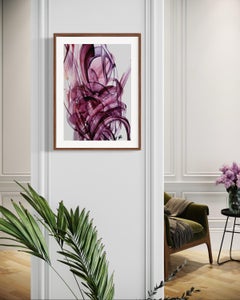
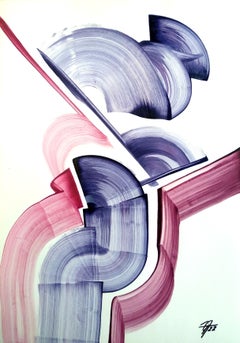
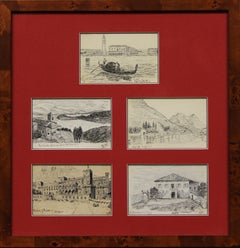
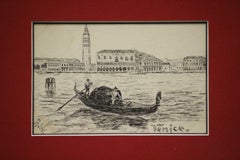
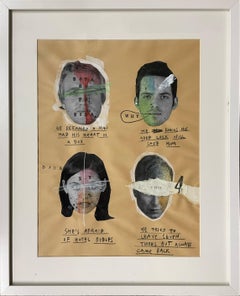
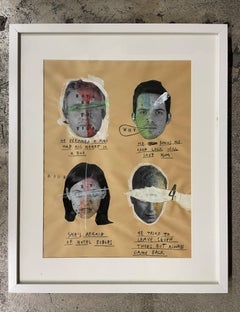
Jatin Das - Untitled - 5 x 8 inches (unframed size)
Ink on Paper
Inclusive of shipment in a roll form.
Style : The multi-faceted Jatin Das has been a part of the Indian art scene for more than four decades, with his paintings, murals and sculptures. The human body holds an endless fascination for him and he pursues his quest for dynamic figures tirelessly, using a linear structure and quick brushwork. The man-woman relationship, in particular, with all its attendant pain and joy is a constant source of inspiration to him. He believes that painting is an intensely personal experience, the results of which cannot always be shared with others.
About the Artist and his work :
Born : Jatin Das is one of India's most prominent painters. He was born in Mayurbhanj Orissa in 1941.
Education :
He has completed his education in 1962 from Sir J. J. School of Fine Arts, Mumbai.
He has been also involved with art institutions, in several capacities as a teacher at the College of Art, New Delhi, and at the National School of Drama, New Delhi; as a consultant for the Handicrafts Board, and for the Folk Art Museum, Orissa, to mention a few of the positions he held.
Solo exhibition :
He has held many solo exhibition including : 2010-11 'Hand-held Space', Museum Gallery; Gallery Art and Soul, Mumbai, 2009 The Artists Alley Gallery, San Francisco, USA, 2009 Chelsea Arts Club, London, 1976 Kumar Art Gallery, New Delhi, 1975 Gallery de Sfinx, Amsterdam, 1975 Commonwealth Institute Art Gallery, London, UK, 1975 Schloss Bellevue, Kassel, West Germany, 1975 City Museum and Art Gallery, Birmingham, UK.
Group exhibition :
He has participated in many group exhibition including : 1982 ‘Moderene Kunst Heute’, Museum of Modern Art, Darmstad, Kunsthalle, West Germany, 1980 Contemporary Paintings in Miniature Format, Lalit Kala Akademi, New Delhi, 1979 All India Exhibition of Prints, Chandigarh, 1979 Asian Arts Exhibition, Fukoaka Art Museum, Japan, 1978 National Gallery of Modern Art (N.G.M.A) Collection, Warsaw, Alleppo, Damascus, Narodini Gallery V, Loden, Prague, Cultural Centre, Niavaran, Budapest.
Honours and Awards :
2012 Padma Bhushan by the Government of India.
2007 Conferred the D.Litt. (Honoris Causa), Utkal University of Culture, Bhubaneswar.
2007 Seminar Management Institution, Bhubaneswar.
2007 Bharat Nirman Award.
2007 Order of the Star...
Category
Early 2000s Modern Paper More Art