Want more images or videos?
Request additional images or videos from the seller
1 of 8

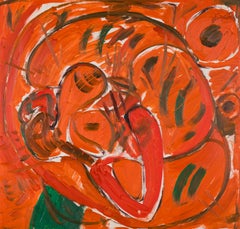
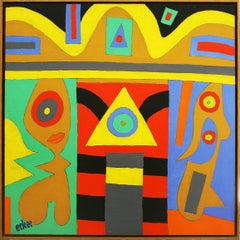
Franz Ecker
Abstraction

On Hold
$4,775.16
On Hold
£3,513.85
On Hold
€4,838.13VAT Included
On Hold
CA$6,536.67
On Hold
A$6,605.47
On Hold
CHF 3,720.07
On Hold
MX$82,229.22
On Hold
NOK 43,983.88
On Hold
SEK 44,215.24
On Hold
DKK 30,353.60

About the Item

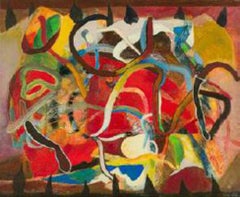
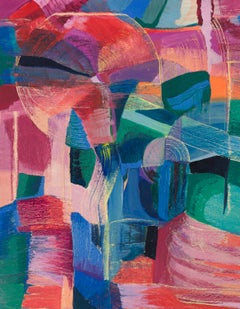
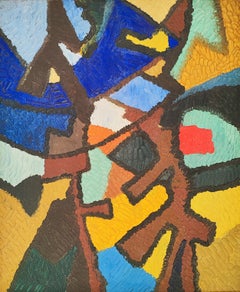
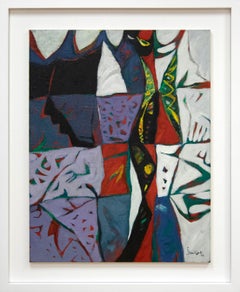
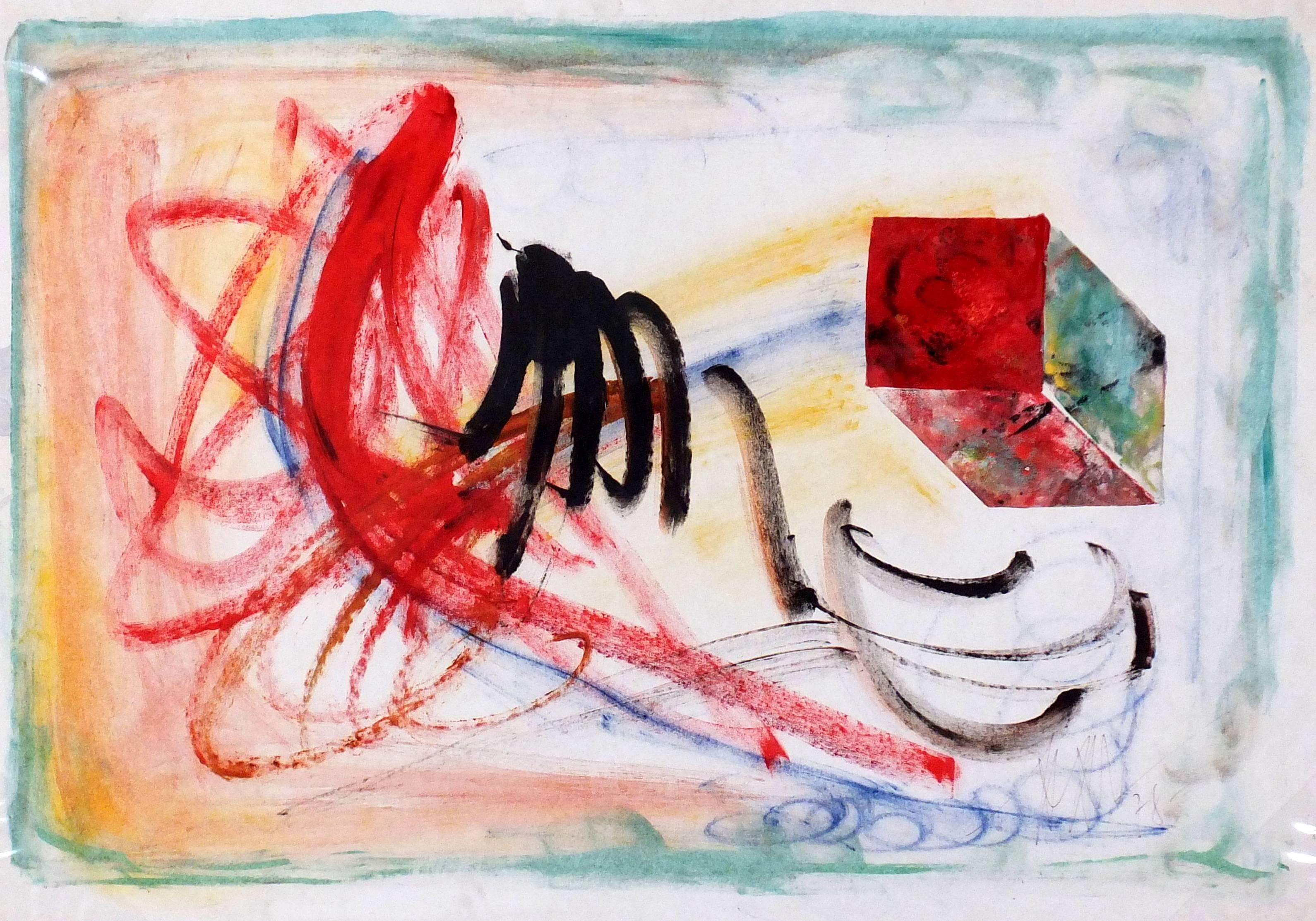
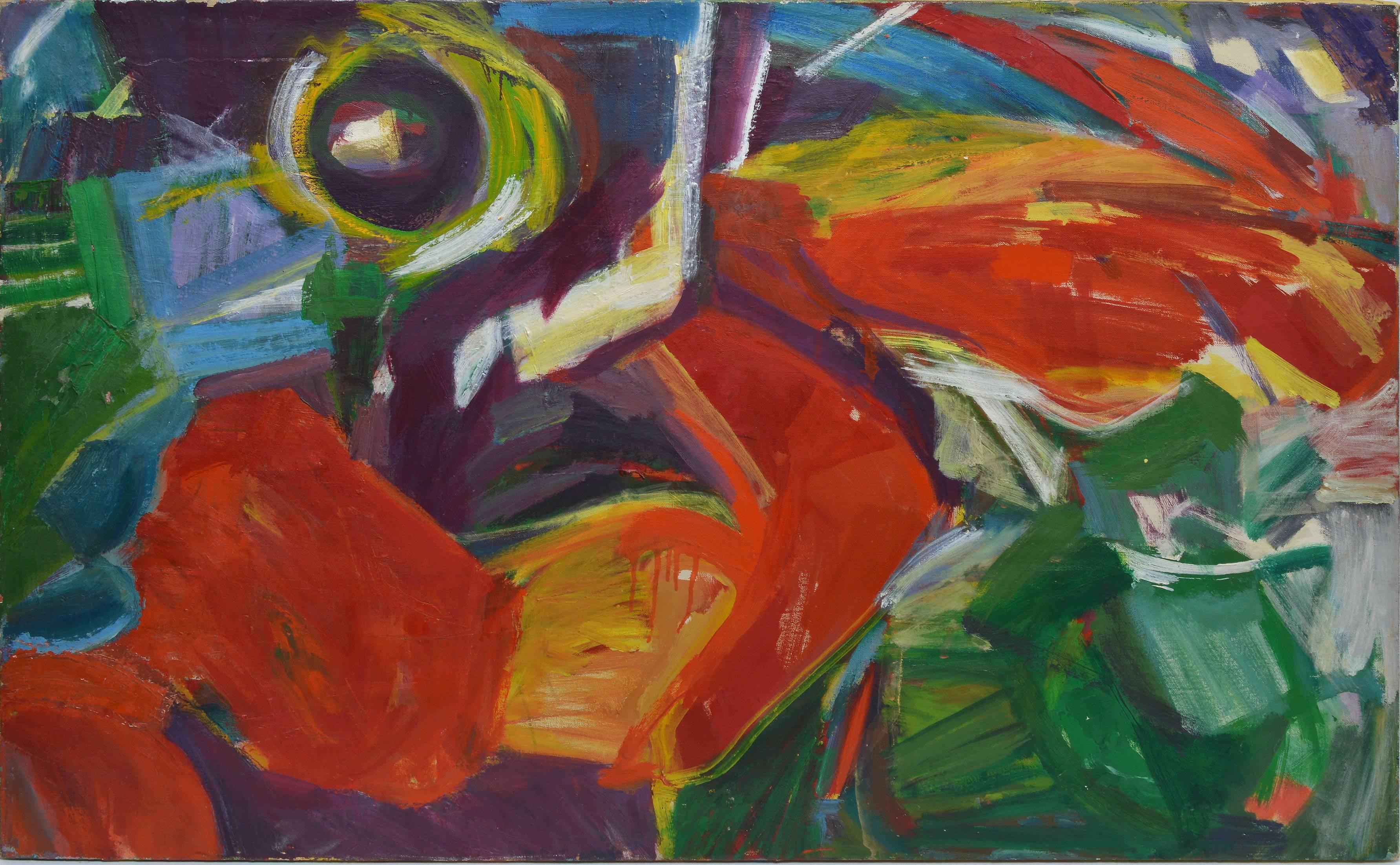
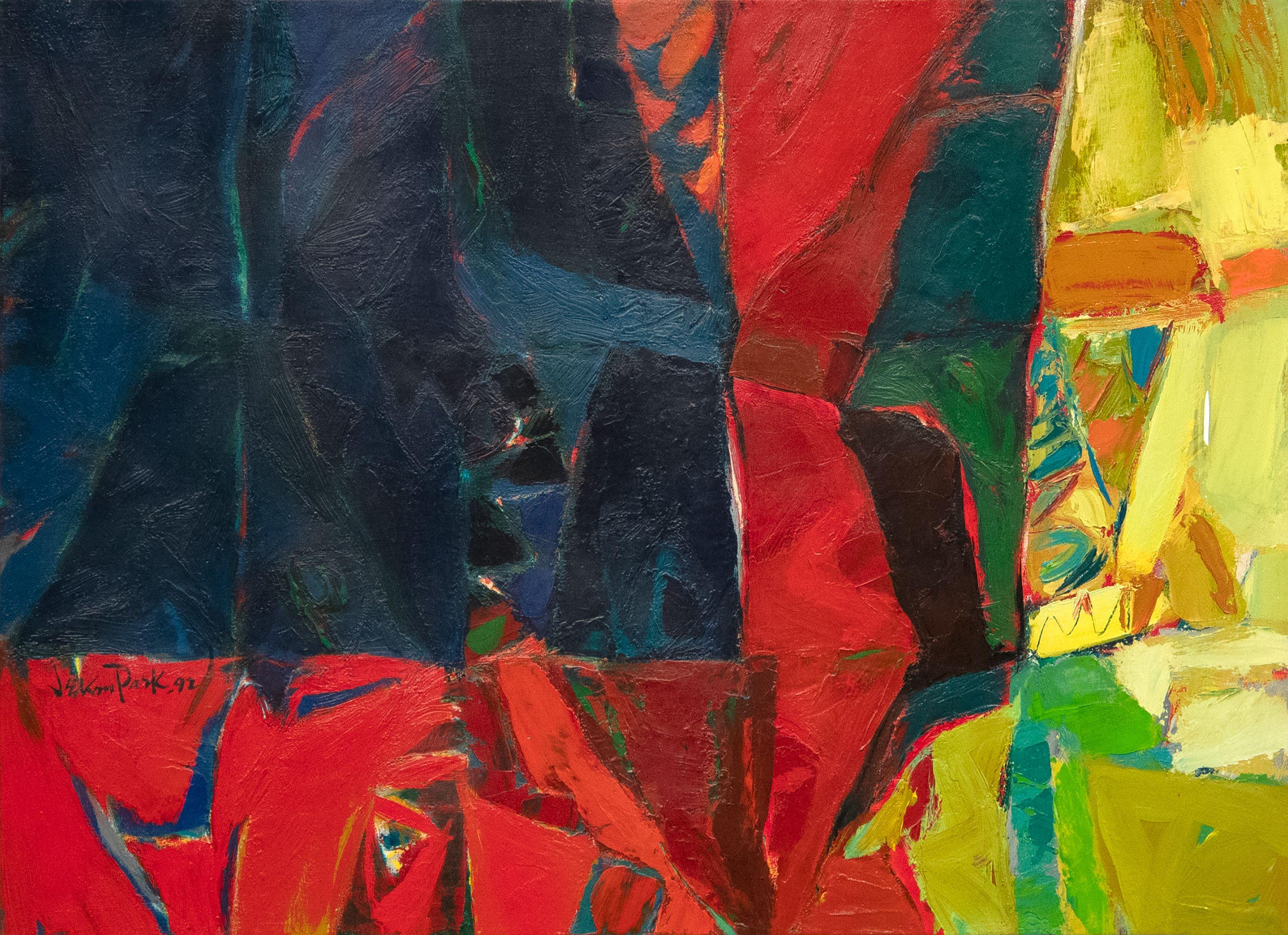
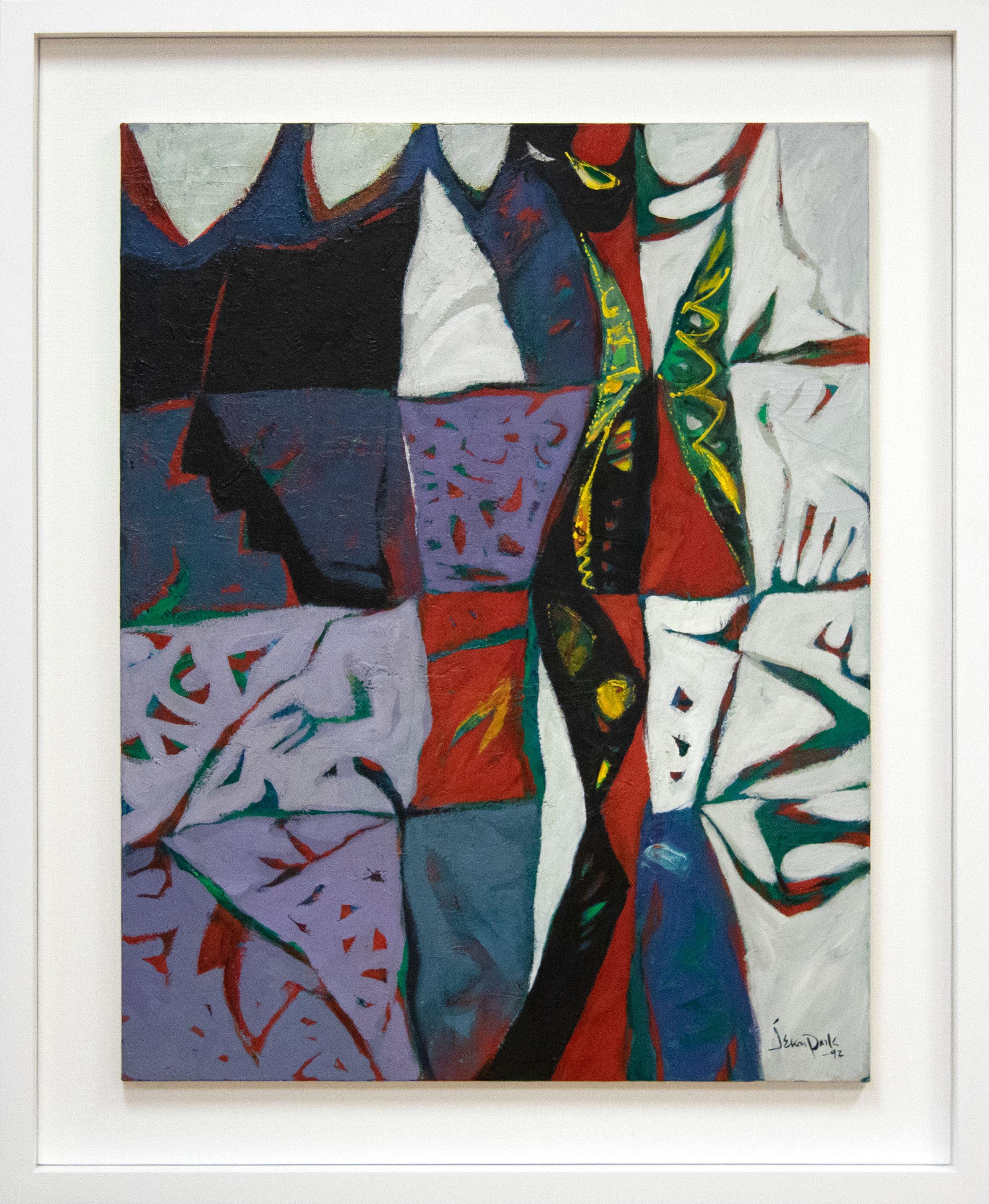
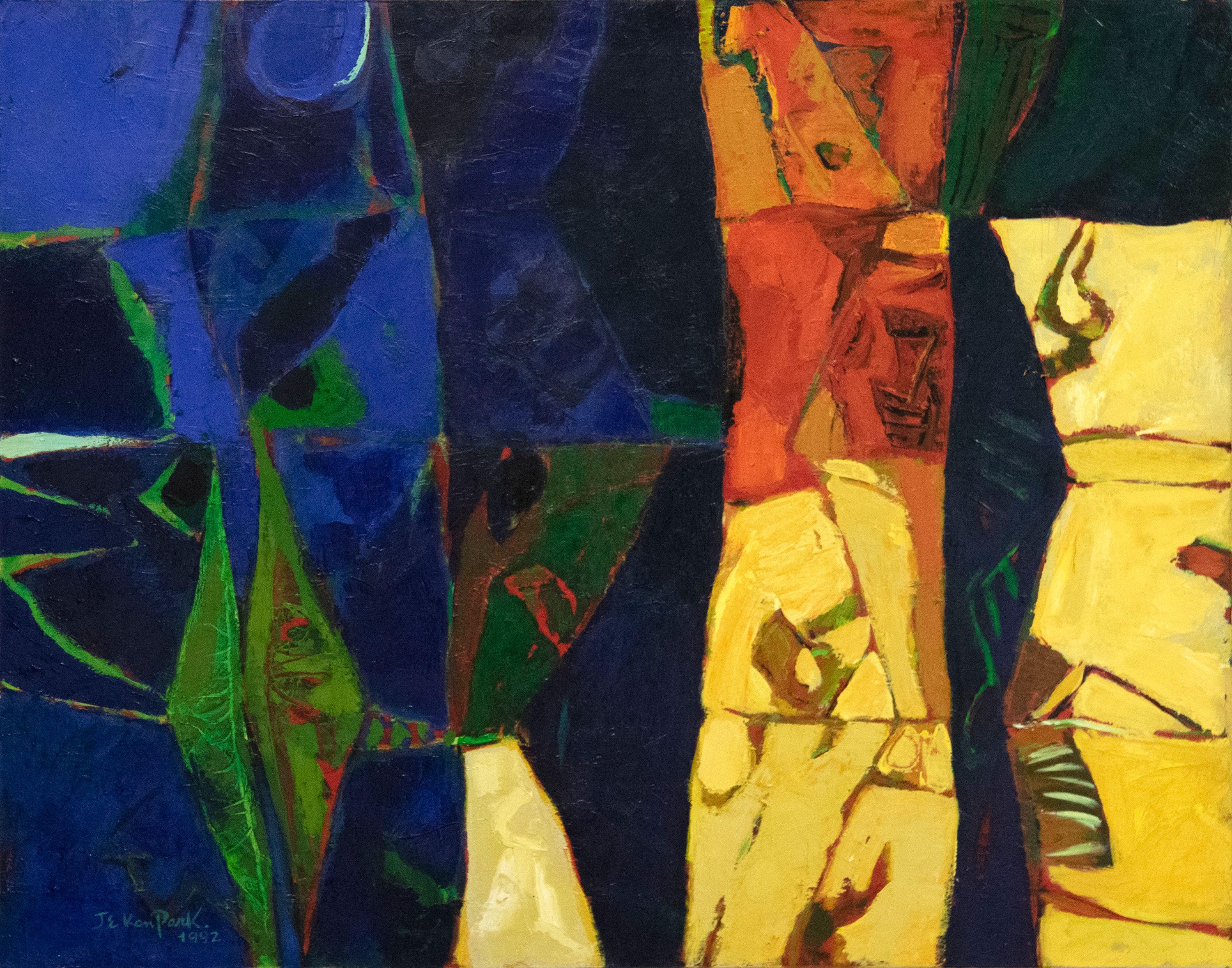
Since Franz Ecker’s early death in 1999 his work has been newly appreciated, what is manifested in numerous exhibitions, catalogues and in the acclaimed film about the artist. He was extremely productive and left behind an almost unmanageable scope of works in various styles. Among them some of the top works that are unparalleled in recent Austrian art history and whose significance has not yet been adequately appreciated. After finishing his studies in 1966 in class of prof. Sergius Pauser and after receiving his two prizes, Franz Ecker moved back to Leonding where he developed his clear, abstract language of forms. Among his sources of inspiration are Cezanne and Picasso, as well as Martin Polasek who was one of his teachers. This led him to painting in a flat and abstract manner, which triggers a spatial experience through its exact color coordination and strict composition. The strongest period in his oeuvre is the time when his paintings are between figuration and abstraction. Only until around 1975 he additionally creates numerous watercolors, even though he restricts this medium to his more lyrical works. If Franz Ecker cannot be included in the avant-garde cannon of the 70’s, it is only because he witheld from presenting his works on the art market. Instead of using the opportunities that were offered to him in Vienna, he returned after his time at the academy to Linz where there was no appreciation nor market for his works. Distanced from the established art business, Ecker lives uncompromisingly the precarious life of a lonely genius. An artist myth, which in his case certainly is a bitter reality. Unimpressed by this, Ecker develops an increasingly broad language of forms within the clear line of abstract pictorial conception, which he emphasizes with constantly new forms of signature. At the end of the seventies his works became more gestural and expressive. His works like “Kafka” anticipate the “Neue Wilden”. When these are celebrated as the “return of painting” a few years later, Franz Ecker, with self-confidence in an interview, realizes that he does not see many revelations in them. He was still “a one-eyed man among the blind”. Franz Ecker to that time developed his style further achieving highly structured flatness that is often compared to Keith Haring. For museums, curators, art historians and collectors, Ecker leaves behind a work that still allows for the possibility of interpretation, revaluation, even discovery.
  • Creator:
    Franz Ecker (1943 - 1999)
  • Dimensions:
    Height: 33.86 in (86 cm)Width: 33.86 in (86 cm)
  • Medium:
  • Period:
  • Condition:
  • Gallery Location:
    Wien, AT
  • Reference Number:
    1stDibs: LU1782210072342

More From This Seller

View All
Theseus

Theseus

By Henri Deparade

Located in Wien, 9

Henri Deparades Kunst ist eine Synthese von abstrakt-expressiver Räumlichkeit mit psychisch-automatischer Figurenzeichnung bei gelegentlichem Aufscheinen realer Bezüge. In seinen auf...

Category

2010s Abstract Paintings

Materials

Oil

Antigone

Antigone

By Henri Deparade

Located in Wien, 9

Henri Deparades Kunst ist eine Synthese von abstrakt-expressiver Räumlichkeit mit psychisch-automatischer Figurenzeichnung bei gelegentlichem Aufscheinen realer Bezüge. In seinen auf...

Category

2010s Abstract Paintings

Materials

Ink, Oil

Kopf-2 (Triptychon)

Kopf-2 (Triptychon)

By Henri Deparade

Located in Wien, 9

Henri Deparades Kunst ist eine Synthese von abstrakt-expressiver Räumlichkeit mit psychisch-automatischer Figurenzeichnung bei gelegentlichem Aufscheinen realer Bezüge. In seinen auf...

Category

2010s Abstract Paintings

Materials

Oil

The Miracle of (Collage)

The Miracle of (Collage)

Located in Wien, 9

Thomas Draschan maturierte 1987 am BORG Linz und studierte Theaterwissenschaft und Publizistik an der Universität Wien. 1992 zog er nach Frankfurt am Main und studierte Film bei Peter Kubelka und Ken Jacobs an der Städelschule und in New York an der Cooper Union bei Robert Breer...

Category

2010s Abstract Paintings

Materials

Oil

Begegnung

Begegnung

By Robert Hammerstiel

Located in Wien, 9

In his painting, Robert Hammerstiel is in constant search of the balance and harmony of form. In his drastic reduction to the physical essentials and the colourful placarding, he cre...

Category

21st Century and Contemporary Contemporary Abstract Paintings

Materials

Canvas, Oil

The yellow separation

The yellow separation

By Robert Hammerstiel

Located in Wien, 9

In his painting, Robert Hammerstiel is in constant search of the balance and harmony of form. In his drastic reduction to the physical essentials and the colourful placarding, he cre...

Category

Early 2000s Contemporary Figurative Paintings

Materials

Canvas, Oil

You May Also Like

Egg Shells

Egg Shells

By Mark Wilson

Located in Brooklyn, NY

Created during my first residency at Found Wonder Studios in Brooklyn, New York. Represents the easter spirit within the composition. Egg Shells is a lighter...

Category

21st Century and Contemporary Abstract Expressionist Abstract Paintings

Materials

Oil Pastel, Oil, Acrylic, Wood

Dynamic cubist style oil painting "Marathon" runners and Olympics

Dynamic cubist style oil painting "Marathon" runners and Olympics

By Giancarlo Impiglia

Located in Bridgehampton, NY

Iconic master Giancarlo Impiglia's first work of 2022. Born in Rome, Impiglia moved to New York in the 70s, where he established a signature style on the shoulders of Futurism and C...

Category

2010s Figurative Paintings

Materials

Wood, Oil

"A Lush Spring" Abstract Painting on Wood, Colorful Lion, Animalia, 2021, Signed

"A Lush Spring" Abstract Painting on Wood, Colorful Lion, Animalia, 2021, Signed

By Nicholas Evans

Located in Paris, IDF

A LUSH SPRING 2021 Paris, France "A Lush Spring" (Abstract Statuesque Lion, Rich Color Palette, Painting on Wood) Playful optimism. “A Lush Spring” is created using a rich color pa...

Category

21st Century and Contemporary Abstract Abstract Paintings

Materials

Acrylic, Wood, Oil

Colorful Kinetic original oil on wood round painting by Yaacov Agam

Colorful Kinetic original oil on wood round painting by Yaacov Agam

By Yaacov Agam

Located in Jerusalem, IL

This mesmerizing kinetic piece by Yaacov Agam exemplifies his pioneering approach to visual perception and movement. the work is constructed with a dynamic, circular structure that ...

Category

1970s Kinetic Paintings

Materials

Wood, Oil

The Magician oil and tempera painting by Julio de Diego

The Magician oil and tempera painting by Julio de Diego

By Julio de Diego

Located in Hudson, NY

Julio De Diego’s Atomic Series paintings made an extraordinary statement regarding the shock and fear that accompanied the dawn of the nuclear age. In the artist’s own words, “Scientists were working secretly to develop formidable powers taken from the mysterious depths of the earth - with the power to make the earth useless! Then, the EXPLOSION! . . . we entered the Atomic Age, and from there the neo-Atomic war begins. Explosions fell everywhere and man kept on fighting, discovering he could fight without flesh.” To execute these works, De Diego developed a technique of using tempera underpainting before applying layer upon layer of pigmented oil glazes. The result is paintings with surfaces which were described as “bonelike” in quality. The forms seem to float freely, creating a three-dimensional visual effect. In the 1954 book The Modern Renaissance in American Art, author Ralph Pearson summarizes the series as “a fantastic interpretation of a weighty theme. Perhaps it is well to let fantasy and irony appear to lighten the devastating impact. By inverse action, they may in fact increase its weight.” Exhibited 1964 Marion Koogler McNay Art Institute, San Antonio, Texas This work retains its original frame which measures 54" x 42" x 2" About this artist: Julio De Diego crafted a formidable persona within the artistic developments and political struggles of his time. The artist characterized his own work as “lyrical,” explaining, “through the years, the surrealists, the social-conscious painters and the others tried to adopt me, but I went my own way, good, bad or indifferent.” [1] His independence manifested early in life when de Diego left his parent’s home in Madrid, Spain, in adolescence following his father’s attempts to curtail his artistic aspirations. At the age of fifteen he held his first exhibition, set up within a gambling casino. He managed to acquire an apprenticeship in a studio producing scenery for Madrid’s operas, but moved from behind the curtains to the stage, trying his hand at acting and performing as an extra in the Ballet Russes’ Petrouchka with Nijinsky. He spent several years in the Spanish army, including a six-month stretch in the Rif War of 1920 in Northern Africa. His artistic career pushed ahead as he set off for Paris and became familiar with modernism’s forays into abstraction, surrealism, and cubism. The artist arrived in the U.S. in 1924 and settled in Chicago two years later. He established himself with a commission for the decoration of two chapels in St. Gregory’s Church. He also worked in fashion illustration, designed magazine covers and developed a popular laundry bag for the Hotel Sherman. De Diego began exhibiting through the Art Institute of Chicago in 1929, and participated in the annual Chicago Artists Exhibitions, Annual American Exhibitions, and International Water Color Exhibitions. He held a solo exhibition at the Art Institute of Chicago in the summer of 1935. Though the artist’s career was advancing, his family life had deteriorated. In 1932 his first marriage dissolved, and the couple’s young daughter Kiriki was sent to live with friend Paul Hoffman. De Diego continued to develop his artistic vocabulary with a growing interest in Mexican art. He traveled throughout the country acquainting himself with the works of muralists such as Carlos Merida, and also began a collection of small native artifacts...

Category

1940s American Modern Abstract Paintings

Materials

Masonite, Oil, Tempera

Inevitable Day – Birth of the Atom oil and tempera painting by Julio De Diego

Inevitable Day – Birth of the Atom oil and tempera painting by Julio De Diego

By Julio de Diego

Located in Hudson, NY

Julio De Diego’s Atomic Series paintings made an extraordinary statement regarding the shock and fear that accompanied the dawn of the nuclear age. In the artist’s own words, “Scientists were working secretly to develop formidable powers taken from the mysterious depths of the earth - with the power to make the earth useless! Then, the EXPLOSION! . . . we entered the Atomic Age, and from there the neo-Atomic war begins. Explosions fell everywhere and man kept on fighting, discovering he could fight without flesh.” To execute these works, De Diego developed a technique of using tempera underpainting before applying layer upon layer of pigmented oil glazes. The result is paintings with surfaces which were described as “bonelike” in quality. The forms seem to float freely, creating a three-dimensional visual effect. In the 1954 book The Modern Renaissance in American Art, author Ralph Pearson summarizes the series as “a fantastic interpretation of a weighty theme. Perhaps it is well to let fantasy and irony appear to lighten the devastating impact. By inverse action, they may in fact increase its weight.” Bibliography Art in America, April 1951, p.78 About this artists: Julio De Diego crafted a formidable persona within the artistic developments and political struggles of his time. The artist characterized his own work as “lyrical,” explaining, “through the years, the surrealists, the social-conscious painters and the others tried to adopt me, but I went my own way, good, bad or indifferent.” [1] His independence manifested early in life when de Diego left his parent’s home in Madrid, Spain, in adolescence following his father’s attempts to curtail his artistic aspirations. At the age of fifteen he held his first exhibition, set up within a gambling casino. He managed to acquire an apprenticeship in a studio producing scenery for Madrid’s operas, but moved from behind the curtains to the stage, trying his hand at acting and performing as an extra in the Ballet Russes’ Petrouchka with Nijinsky. He spent several years in the Spanish army, including a six-month stretch in the Rif War of 1920 in Northern Africa. His artistic career pushed ahead as he set off for Paris and became familiar with modernism’s forays into abstraction, surrealism, and cubism. The artist arrived in the U.S. in 1924 and settled in Chicago two years later. He established himself with a commission for the decoration of two chapels in St. Gregory’s Church. He also worked in fashion illustration, designed magazine covers and developed a popular laundry bag for the Hotel Sherman. De Diego began exhibiting through the Art Institute of Chicago in 1929, and participated in the annual Chicago Artists Exhibitions, Annual American Exhibitions, and International Water Color Exhibitions. He held a solo exhibition at the Art Institute of Chicago in the summer of 1935. Though the artist’s career was advancing, his family life had deteriorated. In 1932 his first marriage dissolved, and the couple’s young daughter Kiriki was sent to live with friend Paul Hoffman. De Diego continued to develop his artistic vocabulary with a growing interest in Mexican art. He traveled throughout the country acquainting himself with the works of muralists such as Carlos Merida, and also began a collection of small native artifacts...

Category

1940s American Modern Abstract Paintings

Materials

Masonite, Oil, Tempera