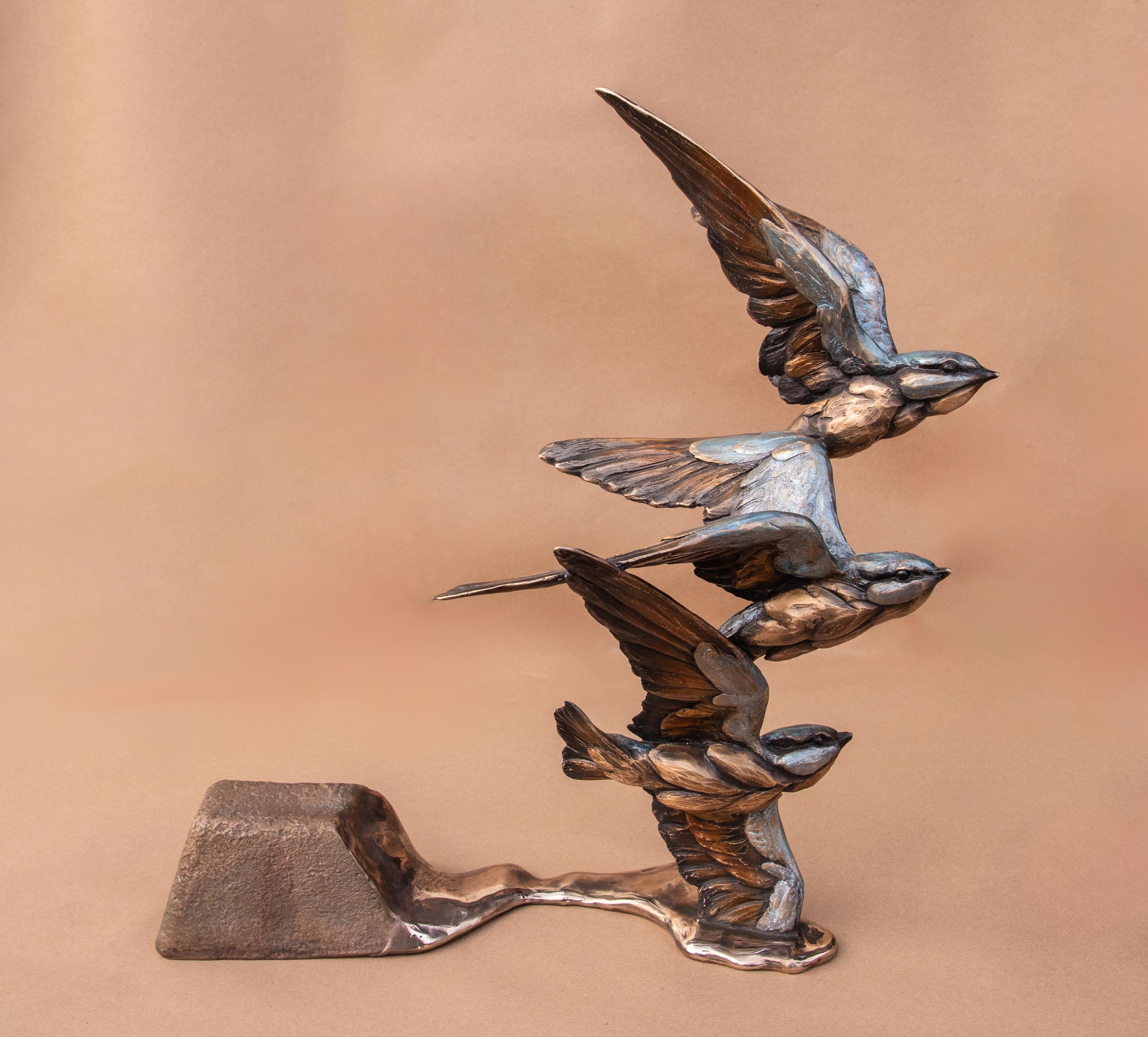

Victory
By Scott Rogers 1
Located in Colorado Springs, CO
Signed/etched by artist on bronze base of sculpture with edition number. 4/30
Category
21st Century and Contemporary Realist Sculptures
Materials
Bronze
2022
Victory
By Scott Rogers 1
Located in Colorado Springs, CO
Signed/etched by artist on bronze base of sculpture with edition number. 4/30
Bronze
Tradition
By Sandy Scott
Located in Colorado Springs, CO
Signed/inscribed by Artist on bronze base of piece with edition number. 1/25
Bronze
Today's Journey
By George Walbye
Located in Colorado Springs, CO
Original Bronze Sculpture inscribed with the Artist's signature and edition number. 23/30
Bronze

Six Miles South
By Chris Navarro
Located in Colorado Springs, CO
Inscribed/signed by Artist on base of sculpture with edition number. 7/50
Bronze
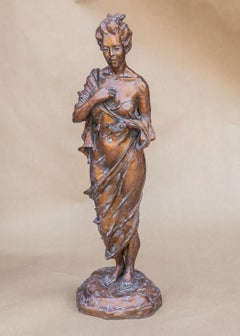
The Giver
By Scott Rogers 1
Located in Colorado Springs, CO
Bronze sculpture signed/etched by the Artist on bronze base with an edition number. 5/50
Bronze
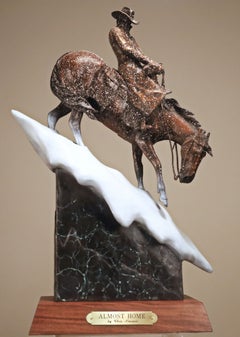
Almost Home
By Chris Navarro
Located in Colorado Springs, CO
Original Bronze Sculpture inscribed with the Artist's signature and an edition number. 74/250
Bronze
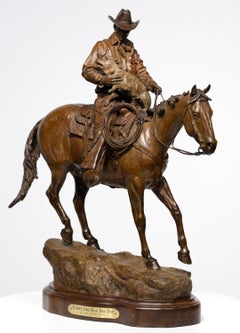
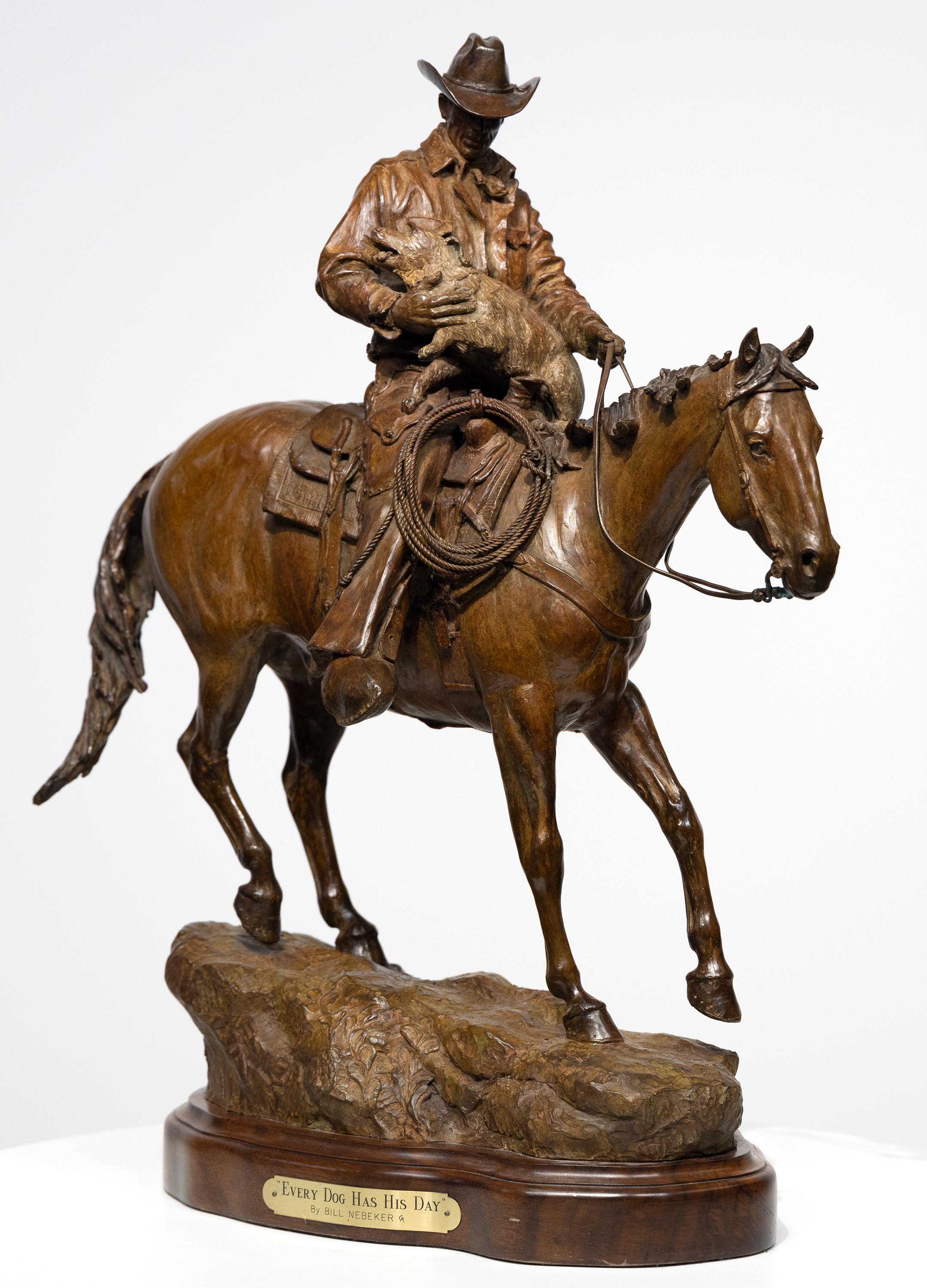
Untitled
By Bill Nebeker
Located in Palm Desert, CA
"Untitled" is a bronze sculpture by Bill Nebeker. Signed on reverse base "Bill Nebeker CA 6/30". The full size is 23 1/2 x 18 1/4 x 8 1/2 inches. Bill Nebeker is an American artist ...
Bronze
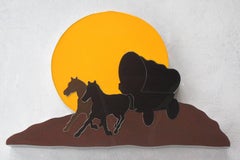
Manifest Destiny
By Philip Simmons
Located in New York, NY
46” x 35” x 4” resin, metal In Philip Simmons' series of sculpture made of resin, metal, and vinyl, he references pop sources and the news media to comment on American culture. O...
Metal
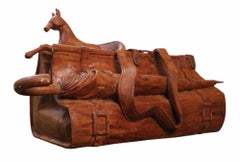
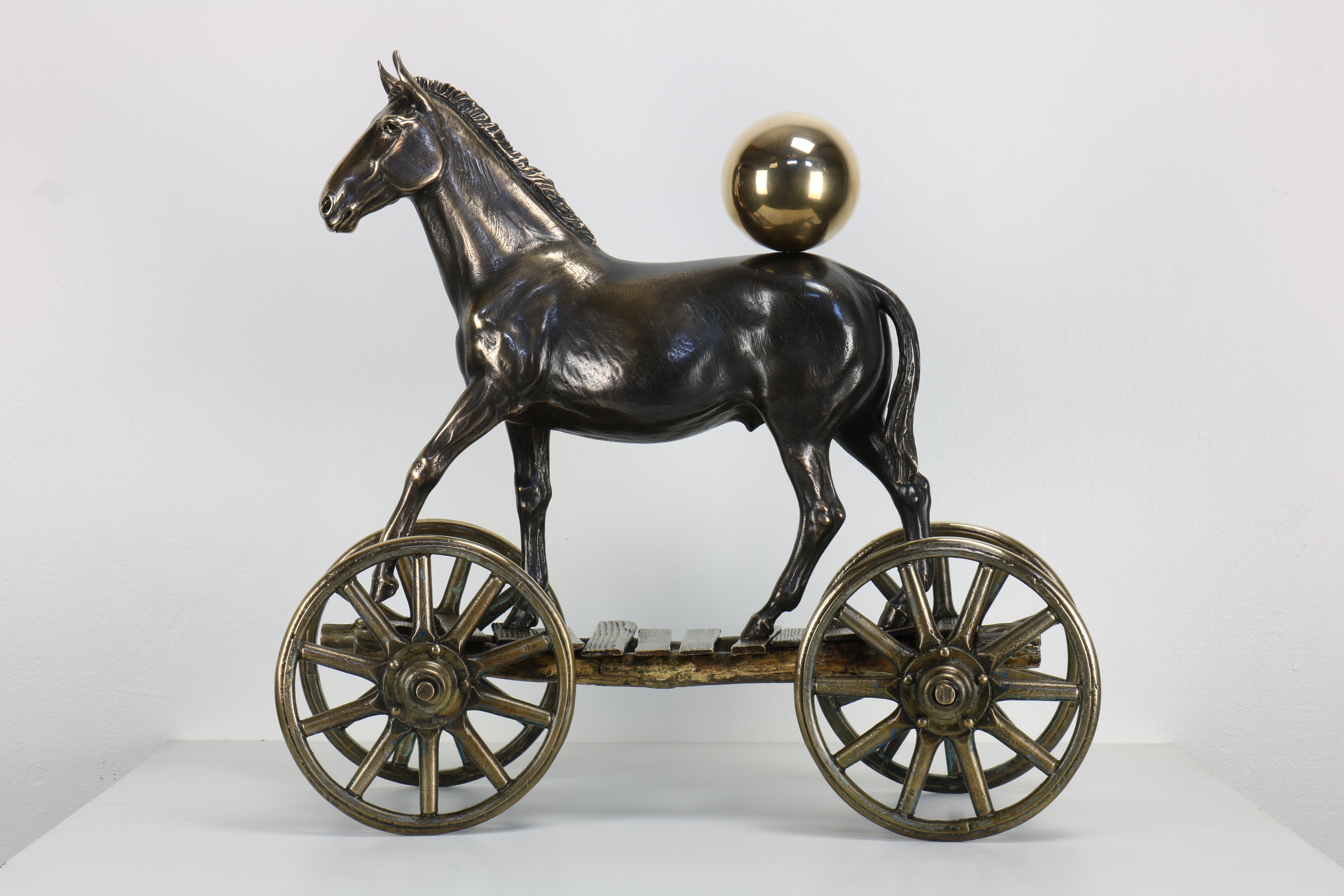
Sojourn
Located in Kolkata, West Bengal
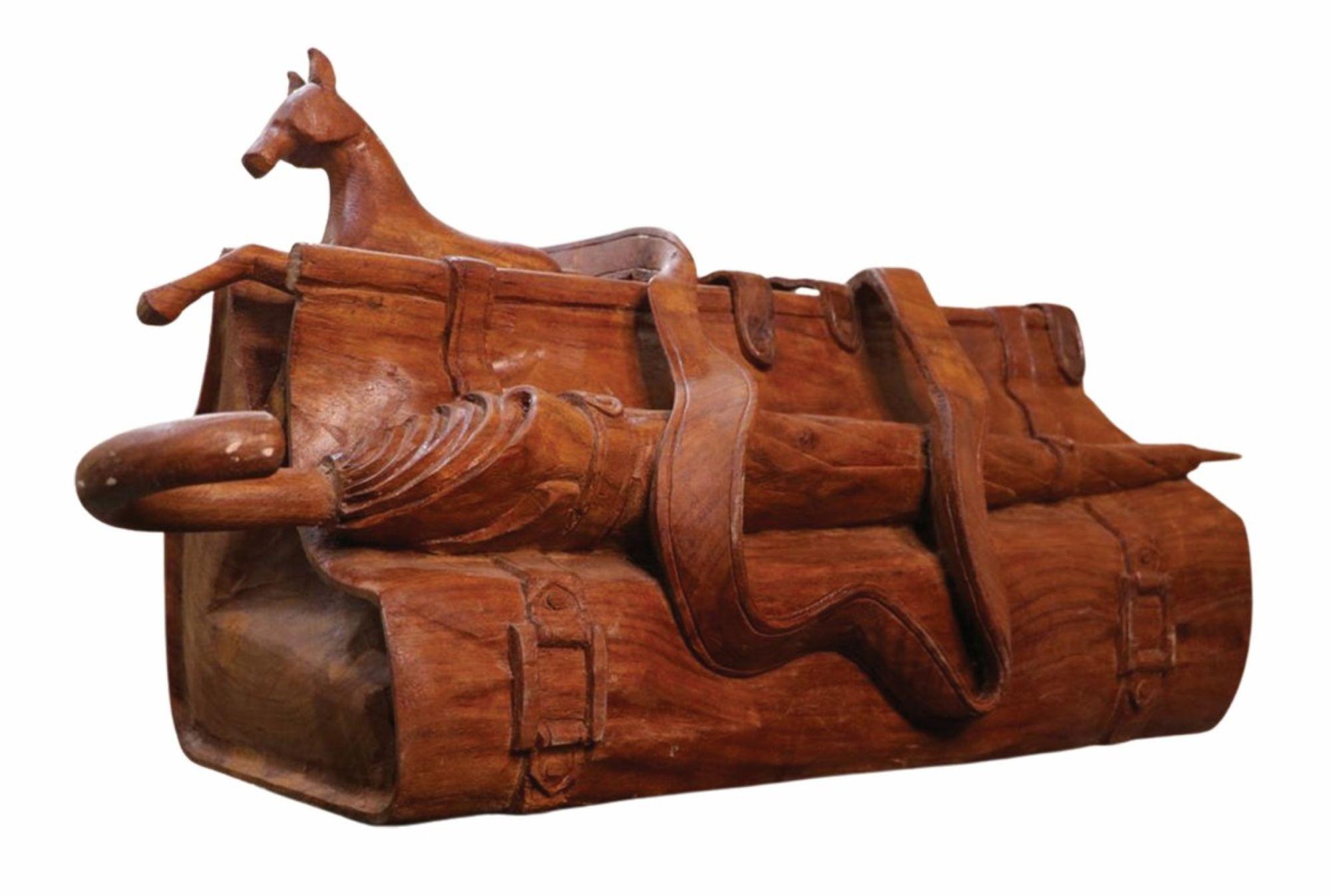
Sojourn Wood (Mahogany) H 15 x W 31 x D 13 in 2025 Sojourn emerges from my intuitive dialogue with reclaimed wood, where a noble horse — symbol o untamed spirit — peers from th...
Wood
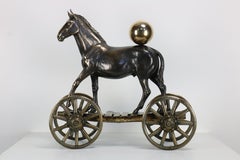
Show of Interest
By Brad Rude
Located in Bozeman, MT
Artist Brad Rude was born in Montana and has lived in Walla Walla, Washington most of his life. His journeys through his grandfather's folk art studio left...
Bronze, Enamel
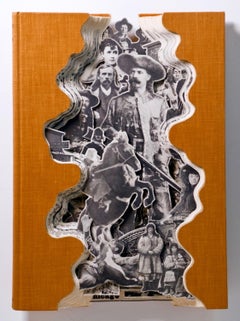
Manifest Destiny
By Tony Dagradi
Located in New Orleans, LA
TONY DAGRADI is an internationally recognized jazz performer, artist, composer, author, and educator. For over three decades he has made his home in New Orleans, performing on tenor ...
Paper, Varnish, Found Objects
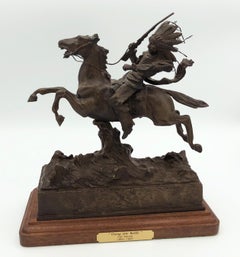
Going into Battle
By Carl Kauba
Located in Missouri, MO
Carl Kauba "Going into Battle" c. 1920s Bronze with Brown Patina Signed approx 10 x 10 x 4 (including wooden base) This Austrian sculptor was born in Vienna in 1865. His teachers were Karl Waschmann (1848-1905), known for his ivory sculptures and portrait plaquettes of contemporary celebrities, and Stefan Schwartz (1851-1924), who exhibited in Paris, including the Exposition Universelle of 1900 where he won a gold medal. Kauba's intricate bronzes, imported to the United States between 1895 and 1912, were cast at the Roman Bronze Works. Kauba was part of the nineteenth-century tradition of polychrome bronze sculpture. There were several types of patinas on a single statue: he could render the color of buckskin, variously tinted shirts, blankets, feathers, as well as beaded moccasins. Reportedly, Kauba came to America around 1886. Inspired by the Western tales of German author Karl May, he traveled to the West and made sketches and models. Critics, however, pointed out inaccuracies of costume and other details. For instance, the guns that his "mid-nineteenth-century" figures use are models produced after 1898. Apparently he did all of his works back in Vienna. Besides the variety of color, Kauba's bronzes show a great range of textures and his style is highly naturalistic. The sculptor loved ornament, some of which he rendered with coiled wire for reins, rope and feathers in headdresses. He successfully rendered figures in motion and often executed compositions with more than one figure. Berman (1974) illustrates non-Western subjects by Kaula, such as the pendants Where? and There (ca. 1910), a seated Scottish couple, impressive in the expressions and the details on patterned fabrics of both sitters. Another genre piece is Buster Brown...
Bronze