By Shepard Fairey
Located in Draper, UT
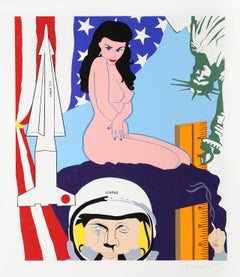
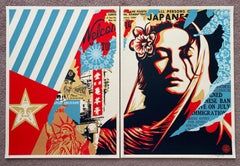
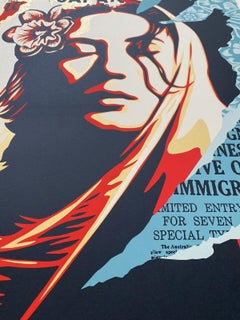
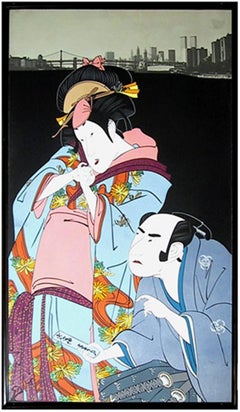
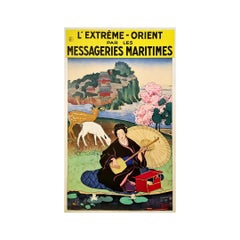
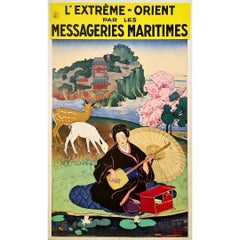
The “Welcome Visitor” diptych is a thought-provoking exploration of the contradictions inherent in America's tourism industry and its immigration policies. Through this striking artwork, Shepard Fairey delves into the uncomfortable collision of economic opportunism and xenophobia. The piece reflects on the historical context of America as a melting pot, symbolized by the Ellis Island narrative and the hope of embracing diversity. However, it also draws attention to the contemporary climate of fear and scapegoating faced by Latino and Muslim communities.
The diptych specifically highlights past events like the immigration ban and internment of Japanese individuals, including Japanese-American citizens during World War II, when unfounded fear led to prejudiced policies against them. Shepard Fairey skillfully uses this historical reference to shed light on the irrational and disproportionate fear. By contrasting the past with the present, Fairey aims to inspire contemplation and empathy, urging viewers to consider the humanity and dignity of all people as a paramount factor in shaping immigration and tourism policies.
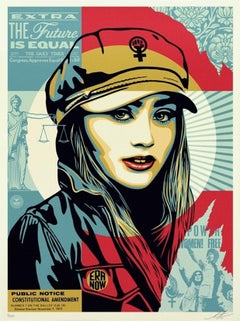
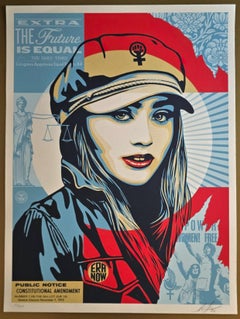
Shepard Fairey is a renowned contemporary artist and graphic designer whose work often explores political and social themes. Born on February 15, 1970, in Charleston, South Carolina, Fairey gained widespread recognition for his iconic "Hope" poster created during Barack Obama's 2008 presidential campaign. His art has since become synonymous with activism and social commentary. Fairey's unique style combines elements of street art, pop culture, and political messaging, earning him a prominent place in the world of contemporary art.
In addition to his prolific career as a visual artist, Shepard Fairey co-founded the design studio Studio Number One and the art collective BLK/MRKT Inc. He has exhibited his work in galleries and museums around the globe, leaving a lasting impact on the art world and beyond. Fairey's art continues to inspire dialogue and challenge societal norms, urging viewers to question and engage with the issues he addresses.
Shepard Fairey's art is influenced by various sources, including street art, punk rock aesthetics, propaganda imagery, and political movements. He credits the DIY ethos of punk culture and the rebellious spirit of street art for shaping his artistic vision. Fairey's fascination with propaganda and political art from historical movements, such as Soviet Constructivism and Chinese Cultural Revolution...
Category
2010s Prints and Multiples

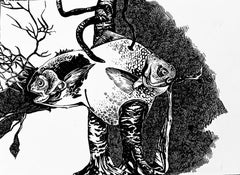
![Dead Queen 3 [20th Century Russian Duchess] Drawing on Archival Paper](https://a.1stdibscdn.com/a_1882/a_74137621611431904442/Dead_Queen_3_20th_Century_Russian_Duchess_web_master.jpg?width=240)
![Dead Queen 3 [20th Century Russian Duchess] Drawing on Archival Paper](https://a.1stdibscdn.com/a_1882/a_74137621611431901697/Dead_Queen_3_20th_Century_Russian_Duchess_wall_master.jpg?width=240)