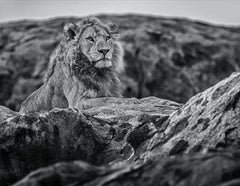
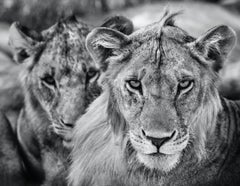
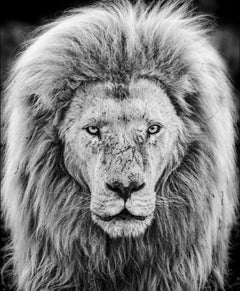
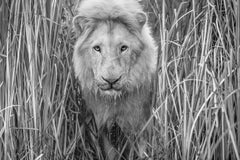
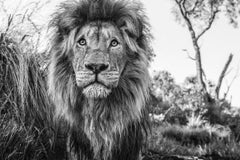
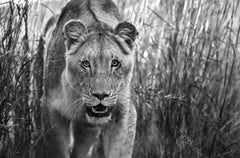
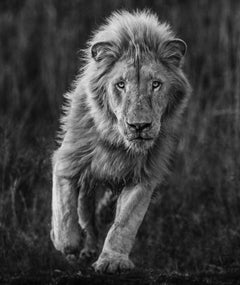
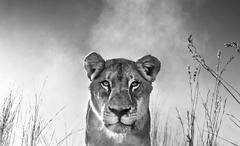
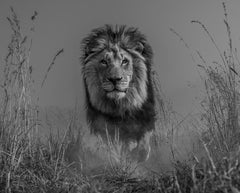
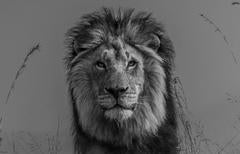
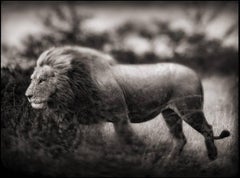
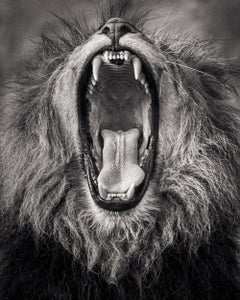
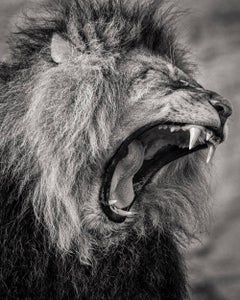
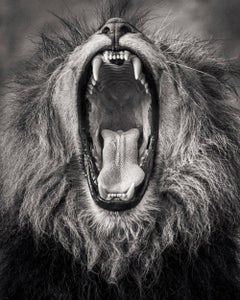
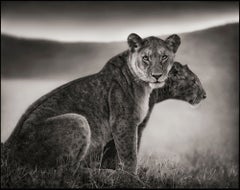
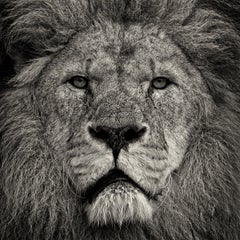
By David Yarrow
Located in Chicago, IL
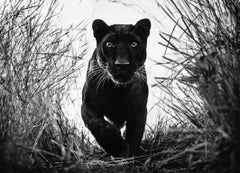
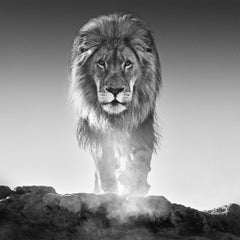
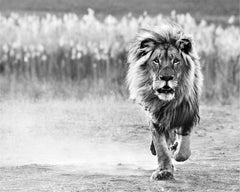
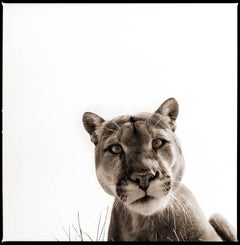
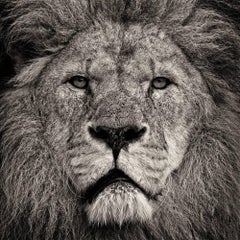
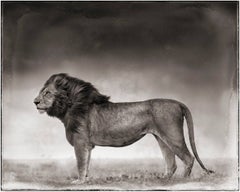
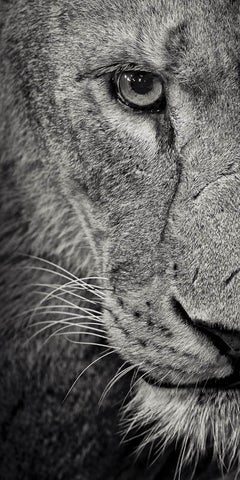
Transvaal, South Africa 2016
Archival Pigment Print on 315gsm Hahnemühle Photo Rag Baryta Paper
Each is signed, dated and numbered on the front.
Edition Size: 12
Available sizes:
54 x 48 inches
76 x 67 inches
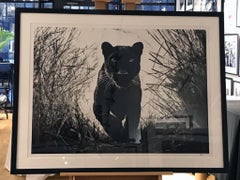
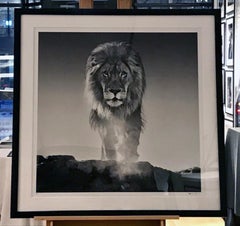
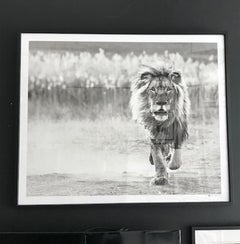
All prints are on 315gsm Hahnemühle photo rag Baryta paper and varnished after processing to give both endurance and sheen. Each is signed, dated and numbered on the front. Price includes David Yarrow's custom black ash frame, white archival matting and protective UV acrylic. For unframed, $1,500 will be deducted from the price.
David Yarrow has built an unrivaled reputation for capturing the beauty of the planet’s remote landscapes, cultures and endangered animals. Born in Glasgow, Scotland in 1966, he is an internationally acclaimed fine art photographer and Europe’s best selling wildlife photographer.
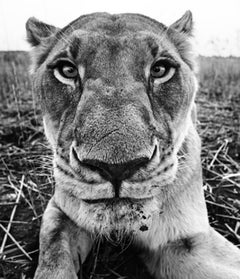
"How close can a prime lens go to the subject? My limit would normally be working from 3ft with a 35m wide angle. In my experience, a good rule of thumb is that the minimum focal distance in feet should – in 75% of circumstances – be a tenth to a fifteenth of the numerical lens specification and then the maximum should be double that. For instance, I would not normally tend to use a 85m lens at a range of 6ft or less and equally why use a 35m at more than 6ft? So if there is the possibility of exploring focal distance at 1.5ft without a fisheye lens, the 20m lens has a chance and the Nikon 20m F1.4m is an outstanding lens. It gives contextual detail with comfortable “bokey” and it gives portrait detail with eye grabbing clarity.
If that is all a bit technical, I apologise but photography is rarely not about maths. Of course it is about emotional employment and personal soul, but Ansel Adams was a mathematician first. Practitioners should understand how light enters the camera and also how lenses work.
On social media, “The Hunger Games...
Category
21st Century and Contemporary Contemporary Black and White Photography
MaterialsArchival Pigment