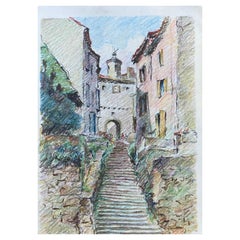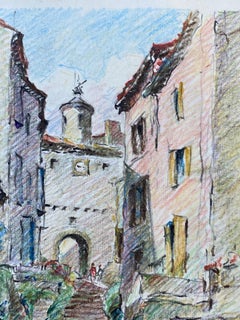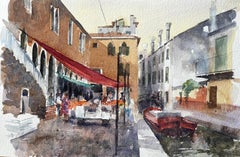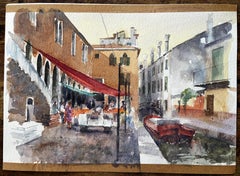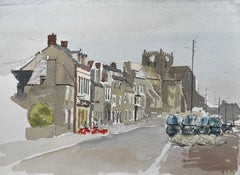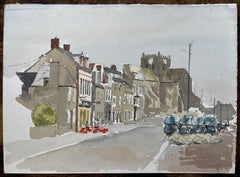
Located in Douglas, Isle of Man
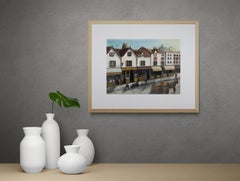
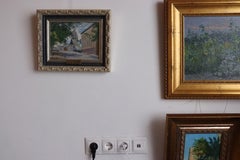
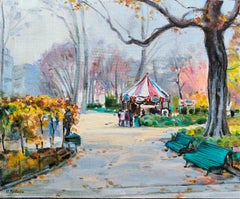
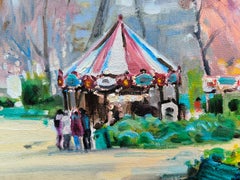
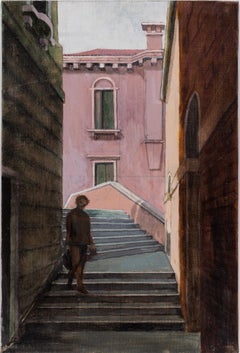
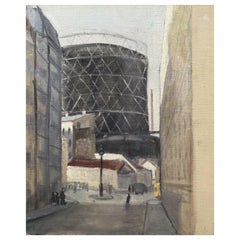
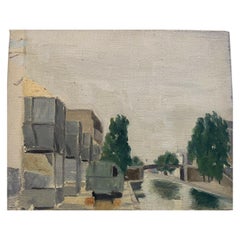
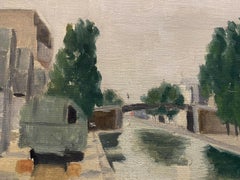
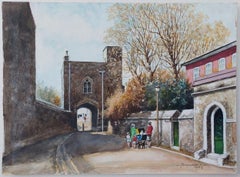
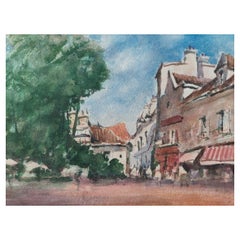
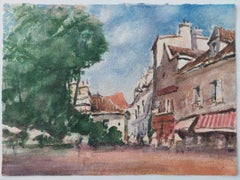
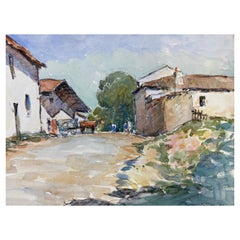
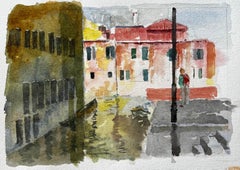
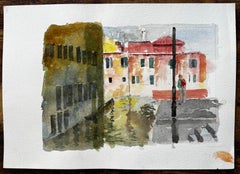
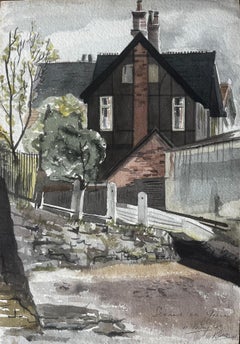
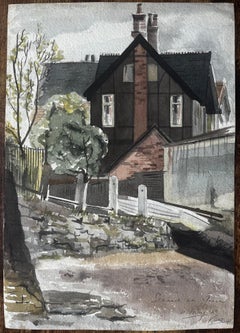
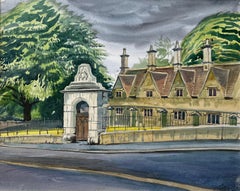
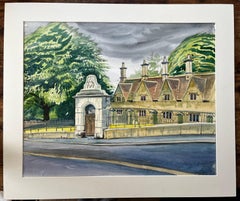
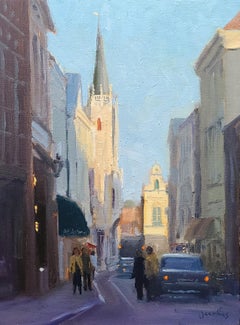
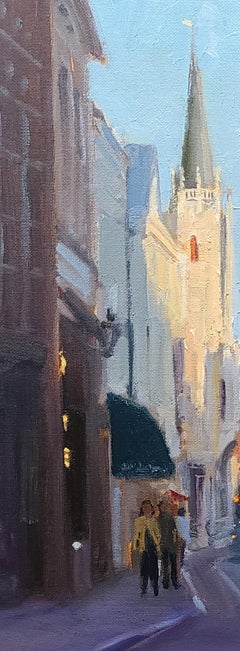
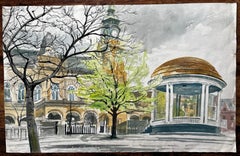
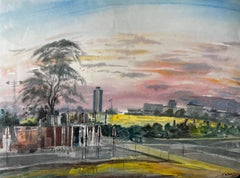
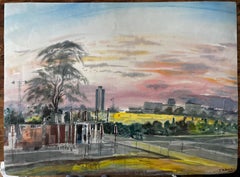
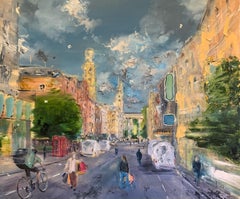
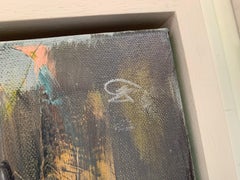
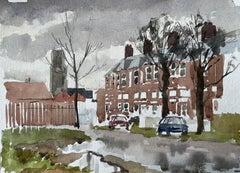
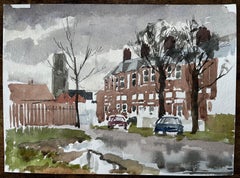
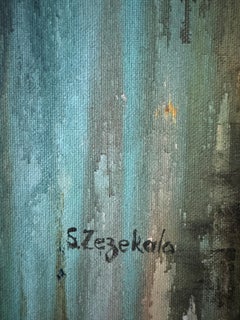
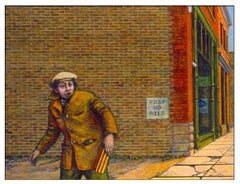
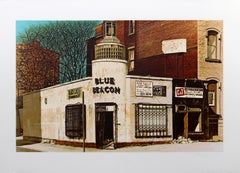
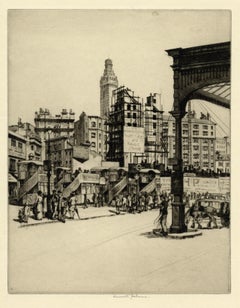
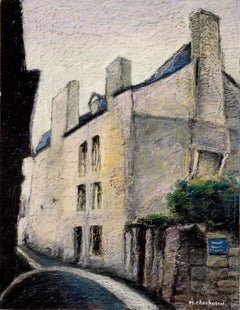
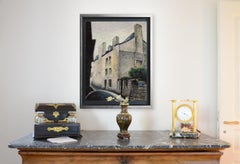
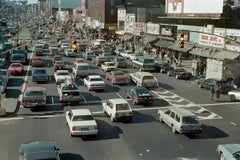
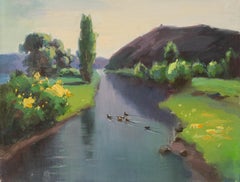
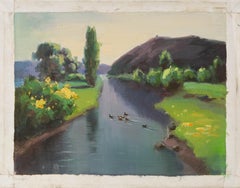
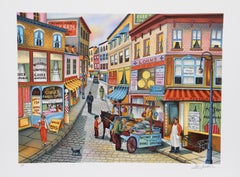
This urban landscape is certainly a British city possibly Bristol, the picture is in the manner of Harold Gilman but after detailed investigations the artist is believed to be John William Ashton, known as Will Ashton. The painting dates from around 1900, before WW1, there is a pillar box for post to the rear of the picture which displays certainly a British town or city and in our opinion almost certainly Bristol, England. This is a very small but well executed paining in oil by an accomplished artist, the painting itself measures 4.5 x 6.5 inches and has been mounted in a new and suitable frame by our professional framer who's decision to mount the picture as shown was clearly an admiral choice. I have enclosed a biography of Will Ashton. This painting is unsigned.
Sir John William Ashton, OBE, ROI (20 September 1881 – 1 September 1963) was a prolific Australian Impressionist artist and director of the Art Gallery of New South Wales from 1937 to 1943.
Early life
Ashton was born in Clifton, York, England, the only son of artist James Ashton, and his wife Mary Elizabeth Ashton. His father immigrated to Australia, arriving at Adelaide, South Australia in January 1884 and founding a school of painting in "unpretentious but commodious" premises on The Parade, Norwood in 1885. His wife and son arrived at a later date, but generally given as in 1884.
Ashton attended Prince Alfred College, where his father was art teacher, from 1889 to 1897. Neither academically nor athletically inclined. On leaving school, he received further training from his father; Hans Heysen was a fellow student.
He left for London in 1900, where he studied at the Olsson-Talmage studios, then in 1902 at the Académie Julian in Paris for a year. Ashton had several paintings accepted by the Royal Academy of Arts, London, and the Salon de la Société des Artistes Français, around which time he adopted the name "Will Ashton" to avoid confusion with his father or Julian Ashton (no relation). In 1905 he returned to Adelaide, where his "Boulevard Montparnasse, Paris" was hailed as a masterpiece, and purchased by the Art Gallery of South Australia. After holding exhibitions in Sydney, Melbourne, Perth and Adelaide, in 1908, he won the Wynne Prize for landscapes.
In the years 1912–1914 he painted in Britain, Europe, and Egypt. He returned to Australia for a year, but was back in London with his family 1915–1917. He made other trips in company with Lionel Lindsay...
Category
Early 20th Century Landscape Paintings