Caterina Moretti Ensamble Pouf
2010s Mexican Minimalist Ottomans and Poufs
Wood, Oak
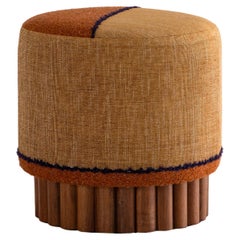

2010s Mexican Minimalist Stools
Upholstery, Wood
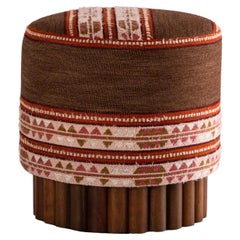
2010s Mexican Minimalist Stools
Wood, Upholstery
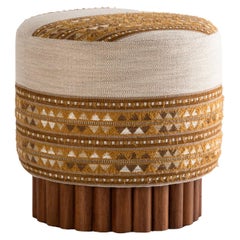
2010s Mexican Minimalist Side Tables
Wood, Oak
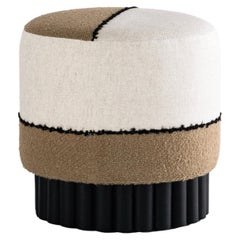
2010s Mexican Minimalist Stools
Wood, Upholstery
2010s Mexican Minimalist Side Tables
Wood
2010s Mexican Minimalist Stools
Upholstery, Wood
2010s Mexican Minimalist Stools
Upholstery, Wood
People Also Browsed
Early 20th Century Danish Baroque Armchairs
Fabric, Oak
Mid-20th Century Dutch Industrial Wall Lights and Sconces
Brass, Iron
Vintage 1960s French Mid-Century Modern Wall Lights and Sconces
Steel
2010s Philippine Mid-Century Modern Table Lamps
Rattan
2010s American Modern Dry Bars
Cut Steel
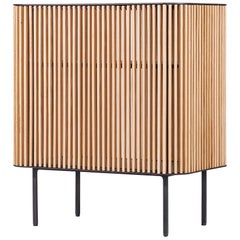
Vintage 1960s Italian Mid-Century Modern Table Lamps
Murano Glass
21st Century and Contemporary Books
Paper

21st Century and Contemporary European Books
Paper

2010s Italian Sofas
Fabric
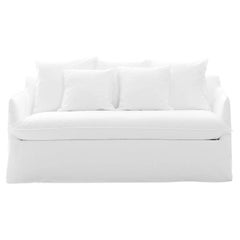
Vintage 1970s American Mid-Century Modern Sofas
Upholstery, Wood
20th Century Persian Heriz Serapi Persian Rugs
Wool
Mid-20th Century Turkish Tribal Turkish Rugs
Wool
Early 20th Century Spanish Spanish Colonial Center Tables
Pine
Vintage 1950s Italian Dining Room Tables
Carrara Marble, Metal, Brass
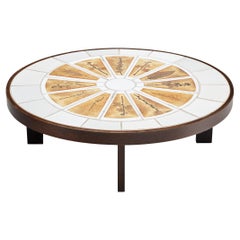
Vintage 1960s French Mid-Century Modern Coffee and Cocktail Tables
Ceramic, Wood, Plywood
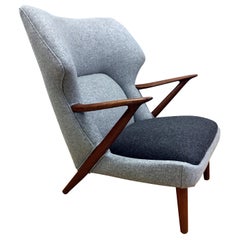
Vintage 1950s Corsican Mid-Century Modern Lounge Chairs
Wool, Teak
Caterina Moretti Ensamble Pouf For Sale on 1stDibs
How Much is a Caterina Moretti Ensamble Pouf?
A Close Look at Minimalist Furniture
A revival in the popularity of authentic Minimalist furniture is rooted in history while reflecting the needs and tastes of the 21st century. Designer Ludwig Mies van der Rohe’s aphorism that “less is more” influenced the evolution of 20th-century interiors with an emphasis on function and order. This was a shift from the 19th century, with its lavish Victorian decorating, and was spread around the world through design styles including Bauhaus and brutalism.
Yet Minimalism was present in furniture design long before the clean lines of modernism, such as in the simple and elegant utility of Shaker furniture. Although the Minimalist art movement of the 1960s and ’70s had little crossover with furniture design, artist Donald Judd was inspired by the Shakers in creating his own spare daybeds and tables from sturdy wood. (Judd, whose advocacy of symmetry also informed his architectural projects, furnished his Manhattan loft with unassuming but poetic works by iconic modernist designers such as Gerrit Rietveld and Alvar Aalto.)
Understatement rather than ornamentation and open space instead of clutter are central themes for a Minimalist living room and bedroom. As opposed to Maximalism, the focus for Minimalist furniture and decor is on simplicity and considering the design and purpose of every object.
Furnishings are usually made in neutral or monochrome colors and pared down to their essentials — think nesting coffee tables, sectional sofas and accent pieces such as ottomans. And Minimalist ceramics can help achieve a decor that is both timeless and of the moment. The organic textures and personalization of handmade craftsmanship associated with these works have served as a sort of anti-Internet to screen-weary decorators. That said, while the thoughtful ergonomics of Scandinavian modern furniture, with its handcrafted teak frames, are at home in Minimalist spaces, so are the quietly striking pieces by Japanese designer Naoto Fukasawa that employ industrial materials like stainless steel, aluminum and plastic.
Minimalist furniture is not for making flashy statements; it boasts subdued appeal and excels at harmonizing with any room. And, as it encompasses many different movements and eras of design, it also never goes out of style, owing to its tasteful refinement.
Find a collection of Minimalist tables, seating, lighting and more furniture on 1stDibs.