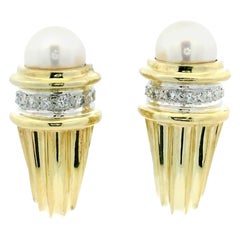
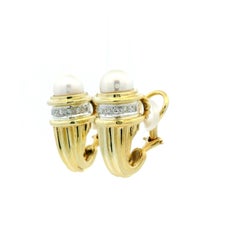
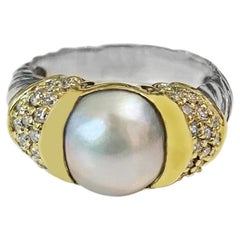
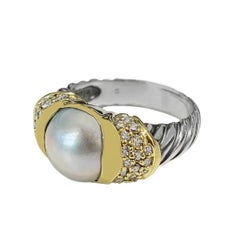
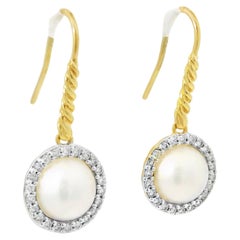
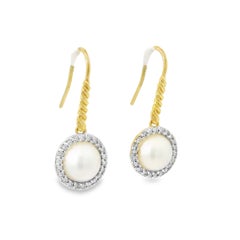
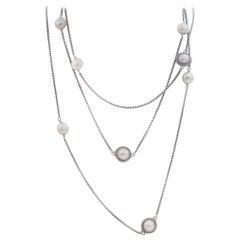
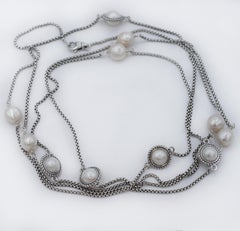
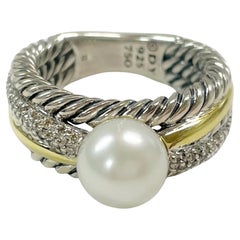
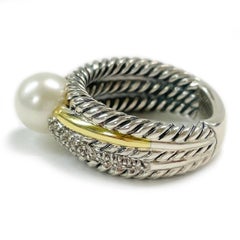
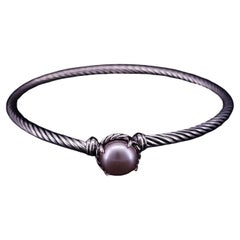
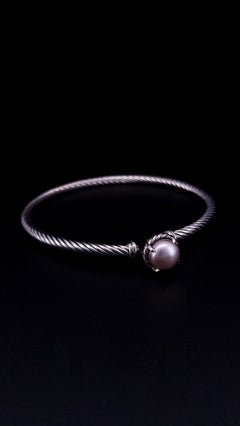
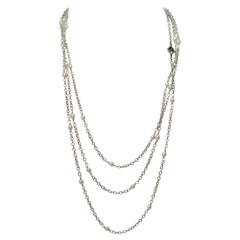
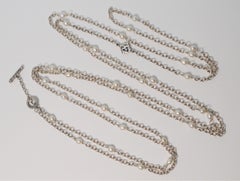
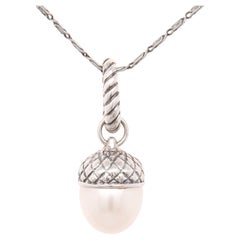
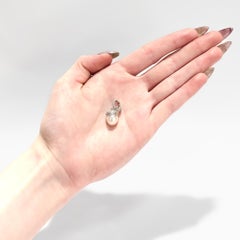
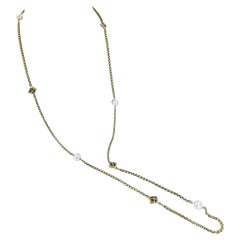
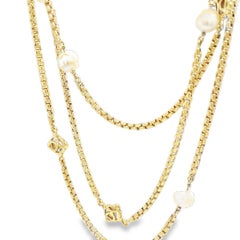
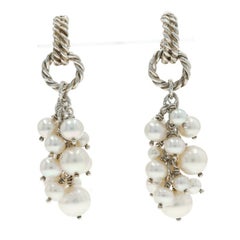
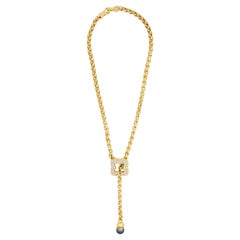
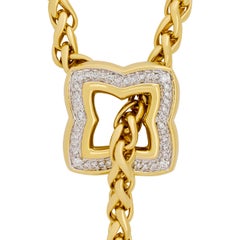
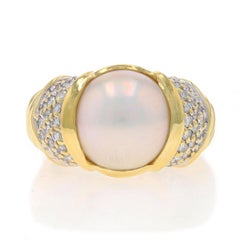
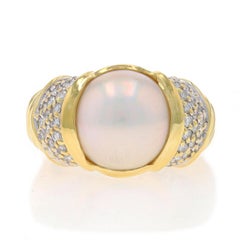
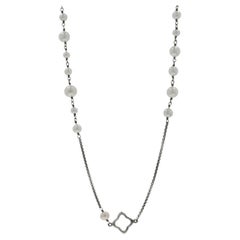
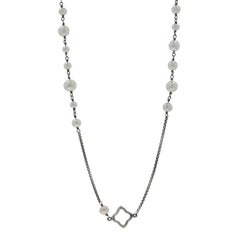
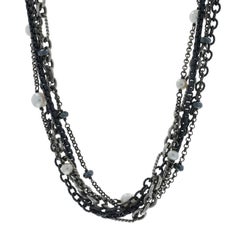
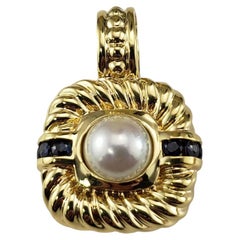
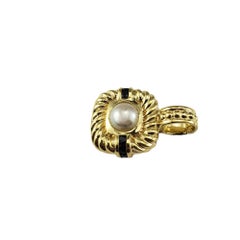
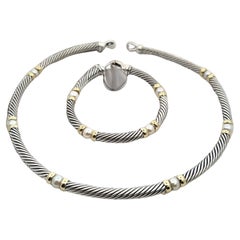
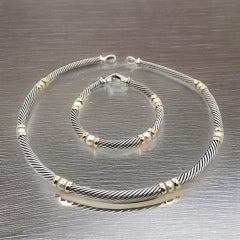
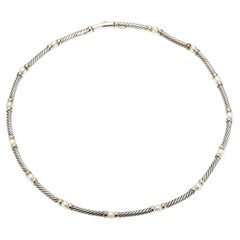
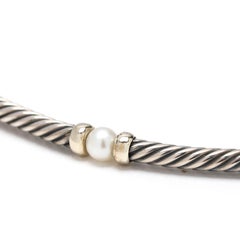
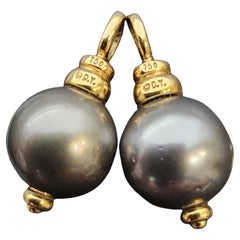
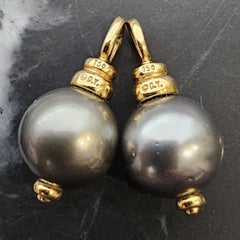
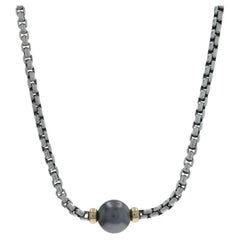
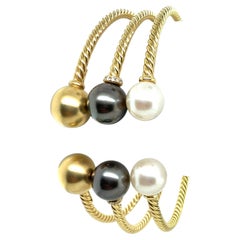
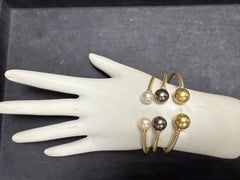
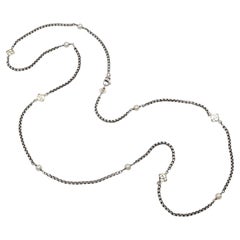
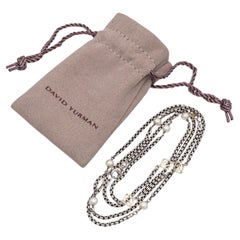
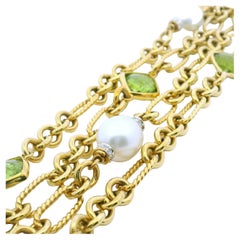
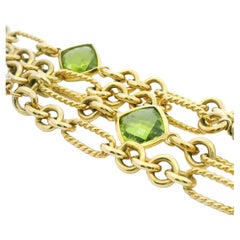
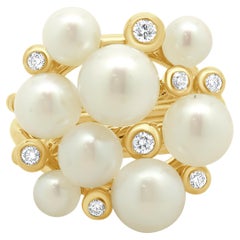
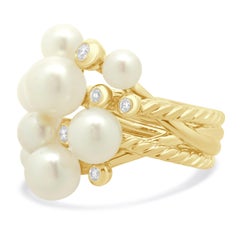
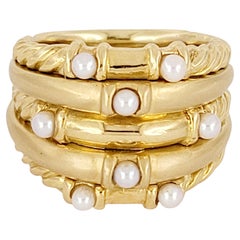
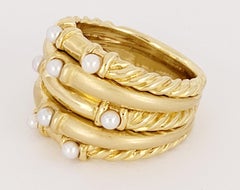
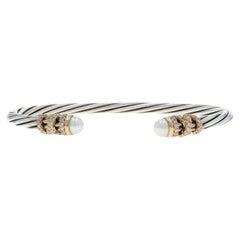
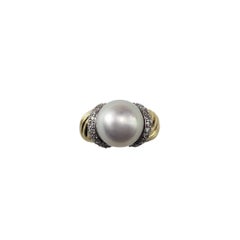
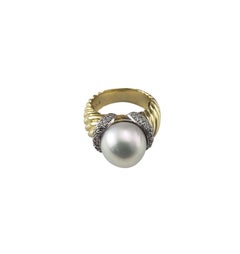
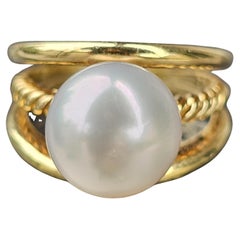
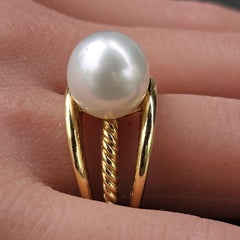
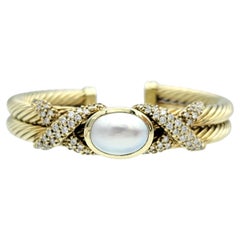
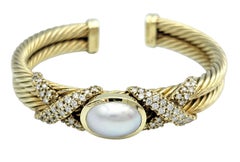
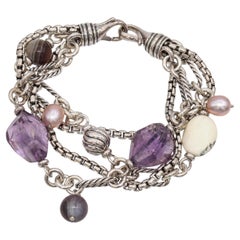
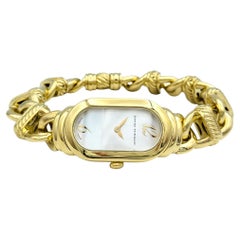
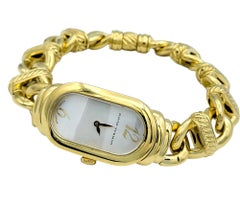
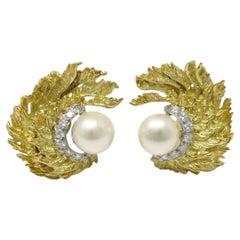
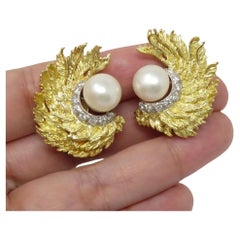
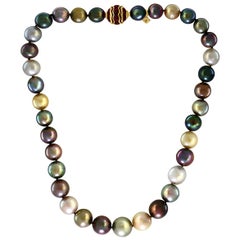
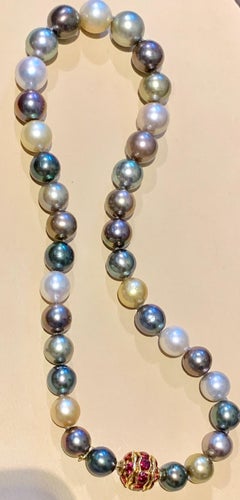
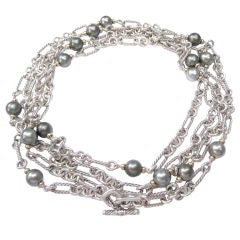
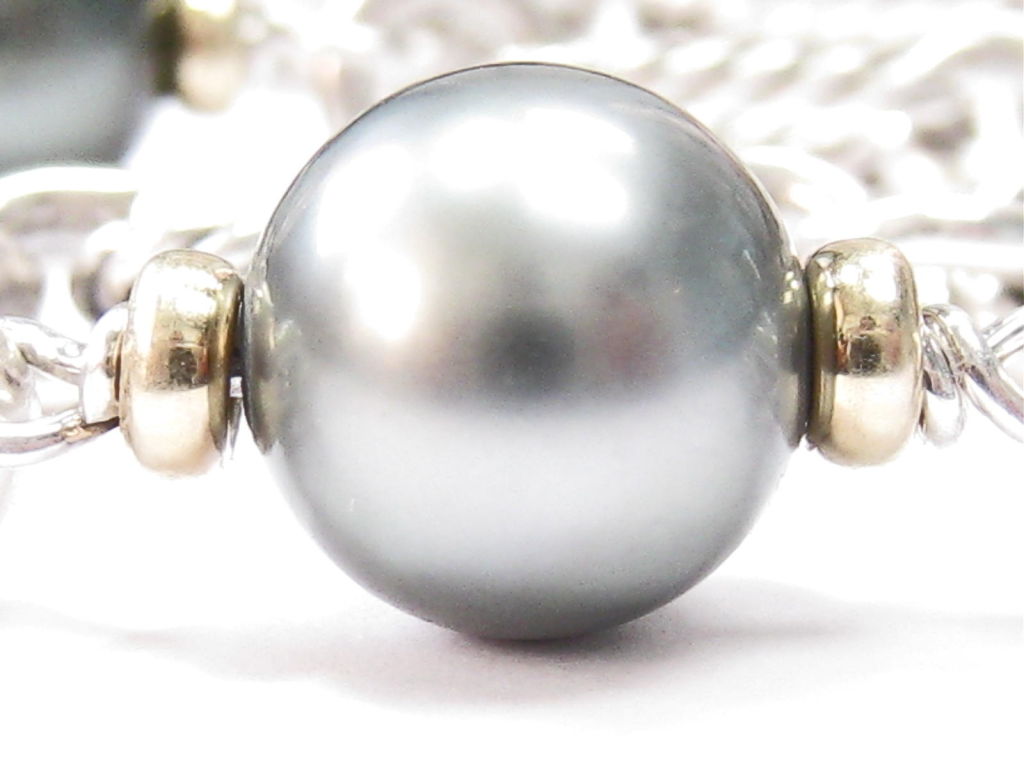
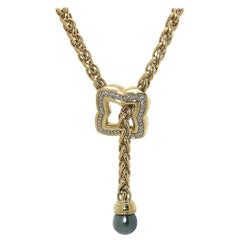
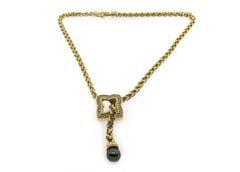
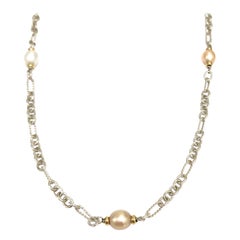
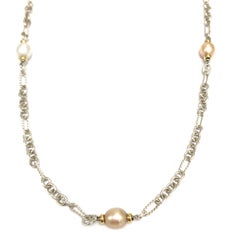
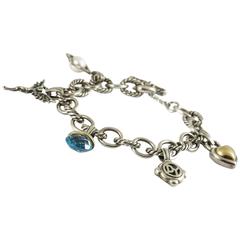
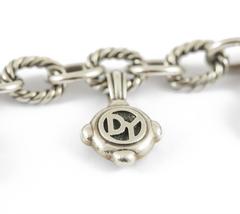
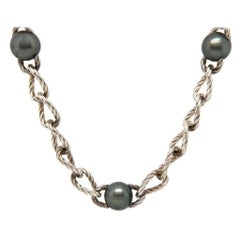
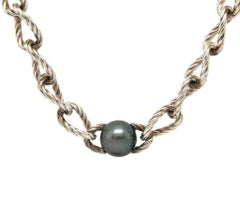
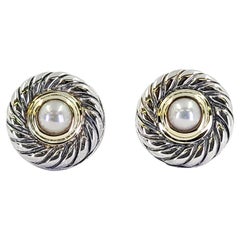
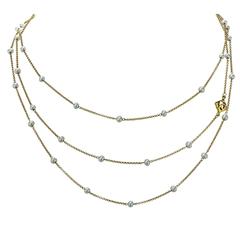
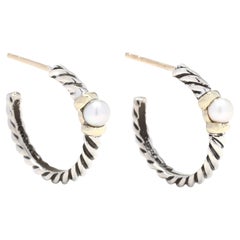
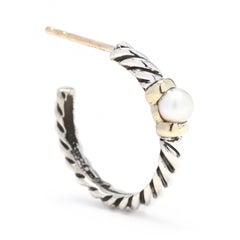
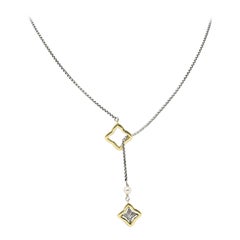
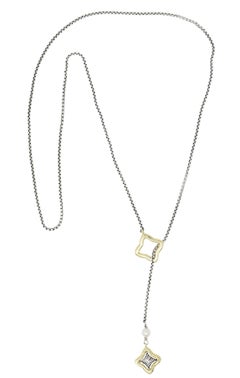
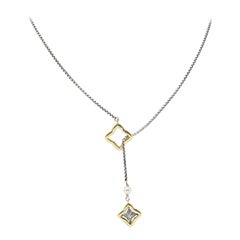
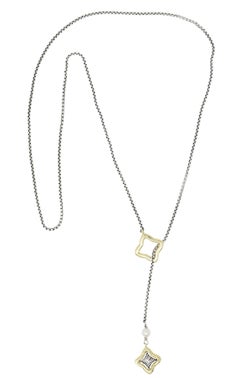
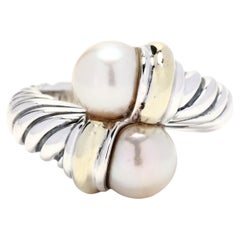
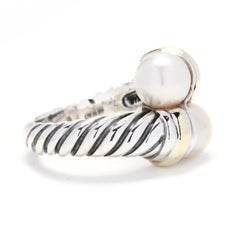
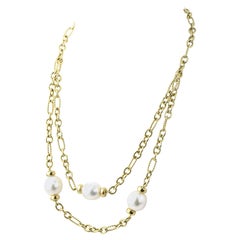
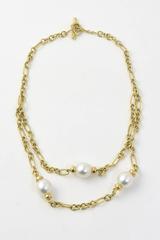
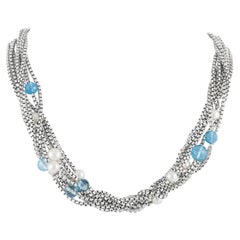
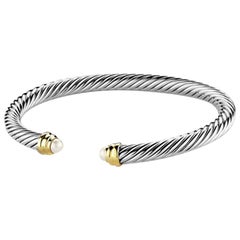
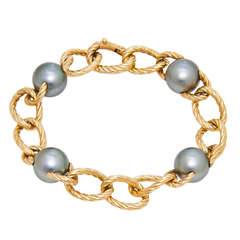
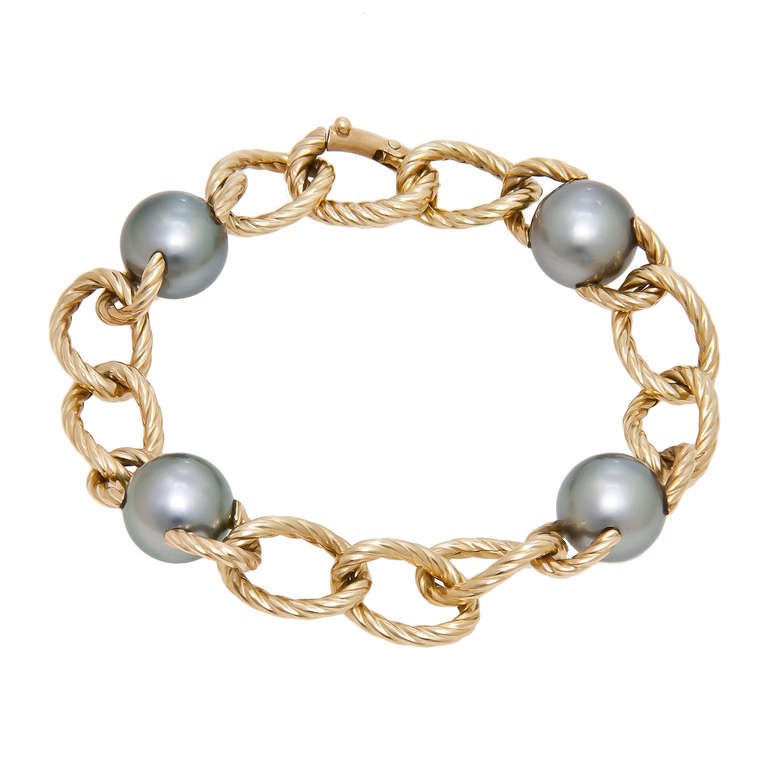
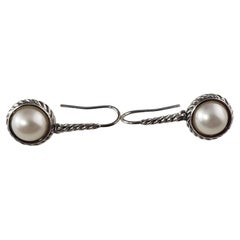
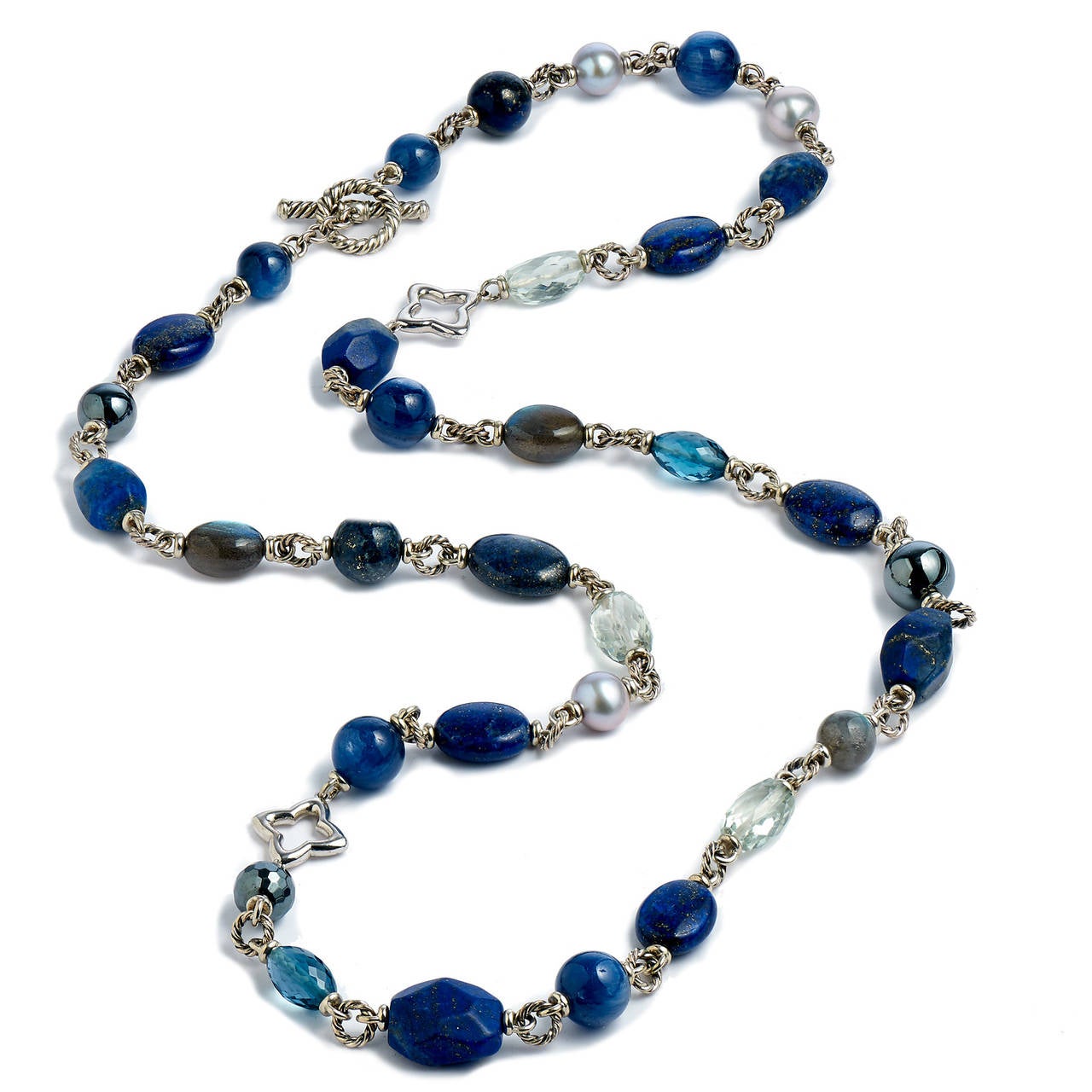
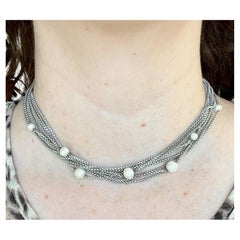
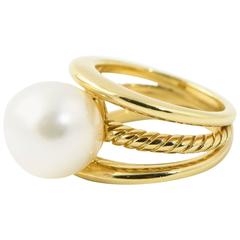
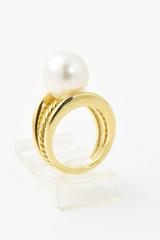
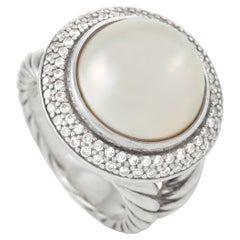
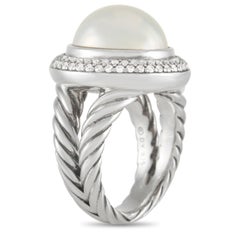
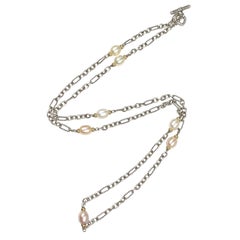
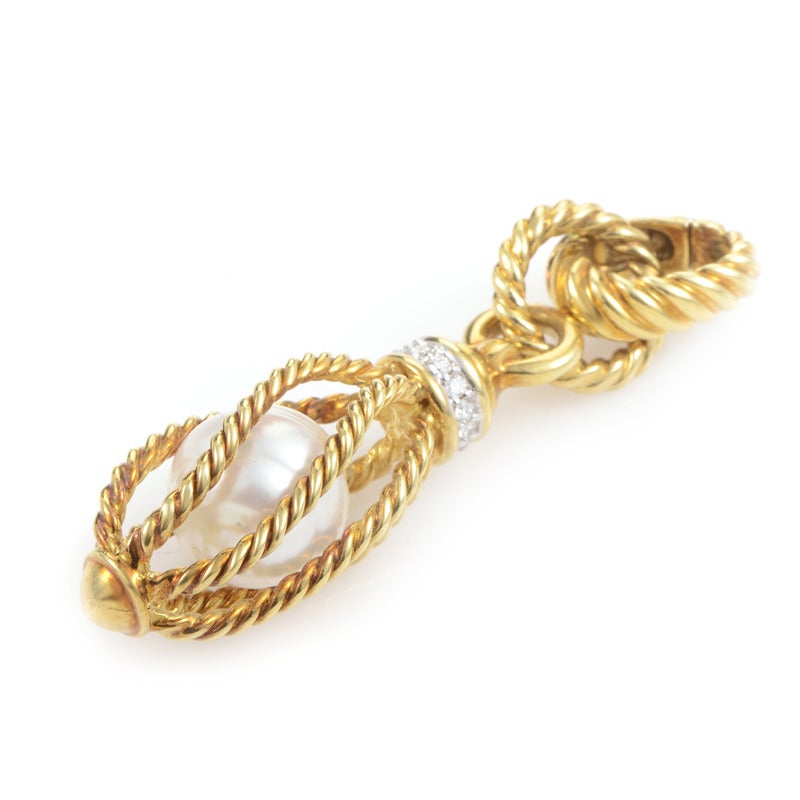
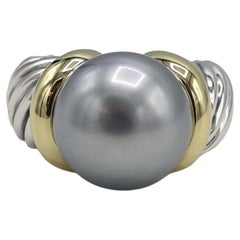
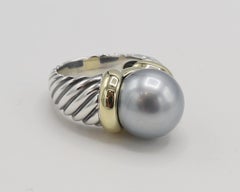
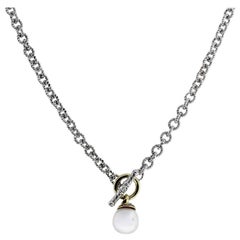
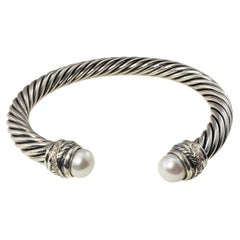
You are likely to find exactly the david yurman pearl you’re looking for on 1stDibs, as there is a broad range for sale. Every item for sale was constructed with extraordinary care, often using
Gold,
Silver and
Sterling Silver. In our selection of items, you can find a vintage example as well as a contemporary version. If you’re looking for a david yurman pearl from a specific time period, our collection is diverse and broad-ranging, and you’ll find at least one that dates back to the 20th Century while another version may have been produced as recently as the 21st Century. A david yurman pearl can make for a versatile accessory, but a selection from our variety of 85
Pearl versions can add an especially stylish touch. See these pages for a
round cut iteration of this accessory, while there are also
emerald cut cut and
oval cut cut versions available here, too. When shopping for a david yurman pearl, you’ll find that there are less available pieces for unisex or
men today than there are for
women.
Prices for a david yurman pearl can differ depending upon size, time period and other attributes — at 1stDibs, these accessories begin at $150 and can go as high as $20,000, while this accessory, on average, fetches $825.
Perhaps the ultimate artistic couple, sculptor David Yurman (b. 1942) and his wife, painter Sybil Kleinrock (b. 1942), couldn’t have imagined they’d build an internationally renowned fine jewelry empire when they met in 1969 at a sculpture studio in Manhattan’s Greenwich Village.
Eleven years later, in 1980, the duo established the David Yurman brand and it boomed almost instantly, a by-product of the pair’s love for and commitment to making art. (They’ve been known to call their business as well as their relationship “one big art project.”) In fact, Yurman’s most recognizable piece, the Cable bracelet, was inspired by his background in metalworking and direct welding, skills he learned when he was just a teenager. It is a marvelously modern accessory rooted in everything from jewelry motifs of ancient Syria to the natural formations of tree branches that would yield the Cable ring, earrings and other items.
When Long Island, New York–born Yurman was in high school, he spent a summer visiting his sister in Provincetown, Massachusetts, where he met Cuban sculptor Ernesto González, who taught him how to heat and fuse metals. After that fateful summer, Yurman experimented feverishly with bronze sculpture and, eventually, minimalist jewelry design.
Yurman studied briefly at New York University, opting to drop out after a year to hitchhike across the United States, ending up in an artist colony on California’s Big Sur coastline. The bustling artists’ scene in New York during the 1960s eventually drew him back to the East Coast. There, he trained under Cubist sculptor Jacques Lipchitz, and, by 1969, he was a foreman in sculptor Hans Van de Bovenkamp’s Greenwich Village studio. It was in the studio that he met Kleinrock.
Kleinrock and Yurman began a romantic relationship, and he designed her a sculptural welded bronze necklace to wear to an art gallery opening. The gallery owner was so enchanted by the design — Yurman called it the Dante — that she wanted to buy it on the spot. Yurman refused because he considered the gift too personal, but his partner left it with the dealer. Within hours, four necklaces were sold and a brand was born.
A year after the two married in 1979 — the ceremony included simple gold rings Yurman had soldered from gold in his workshop — they officially launched David Yurman. Three years later, one of his most popular designs, the Cable bracelet, hit the market.
Today, David Yurman engagement rings, bracelets, rings, necklaces and earrings are widely treasured, distinctive works of American jewelry design.
The pearl has been synonymous with ladylike elegance since the Tudor period — learn what to look for when shopping for vintage and antique pearl jewelry as well as how to tell the origin of a pearl with our handy primer.
Every woman at some point in her life desires a simple strand of pearls. They are elegant, timeless, versatile — just ask Coco Chanel or Jacqueline Kennedy — and valuable. In 1917, Pierre Cartier famously traded a double-strand of natural pearls for a Fifth Avenue mansion, the Cartier brand’s flagship store ever since. And if you were born in the beginning of summer, pearl is the June birthstone.
It is possible to tell where a pearl originated from its appearance. Akoyas are usually round and white — the classic pearl, if you will. South Sea pearls are normally larger and vary in color; orangey yellow ones are not uncommon. Tahitian pearls are mostly black but can also be gray or brown, and between the Akoya and the South Sea varieties in size. Freshwater pearls, or Orientals, run the gamut in terms of color and size, but in shape, they tend to resemble Rice Krispies. Another important distinction is a round pearl versus a baroque pearl. A round pearl is self-explanatory, but there are two types of baroque pearls: symmetrical and asymmetrical. In general, the symmetrical variation commands a higher valuation. Within a strand of pearls, uniformity is prized — the more the individual pearls resemble one another, the more valuable the strand.
According to the Gemological Institute of America (GIA), the earliest recorded mention of a pearl was in 2206 BC by a Chinese historian. Centuries later, Christopher Columbus made it a point to visit pearl fisheries during his 15th-century exploration of the Caribbean. Since the late-19th century, the Japanese have been at the forefront of cultivating pearls, when jeweler Kokichi Mikimoto successfully cultured the world’s first pearl in 1893.
On 1stDibs, find vintage and antique pearl necklaces, pearl earrings and other accessories.