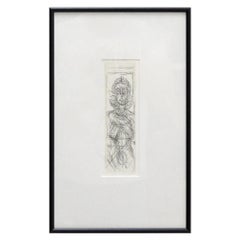
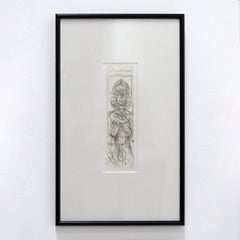
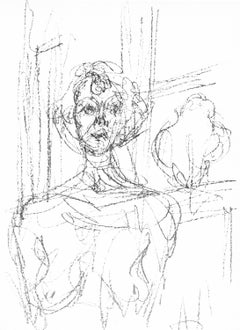
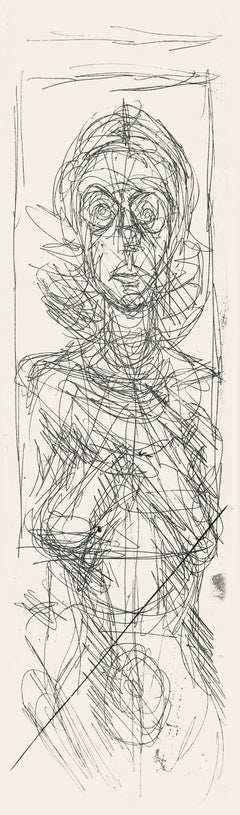
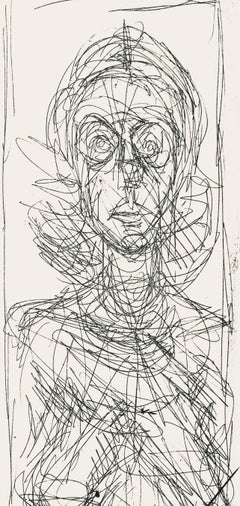
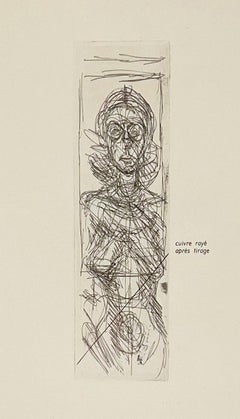
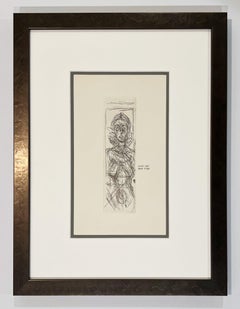
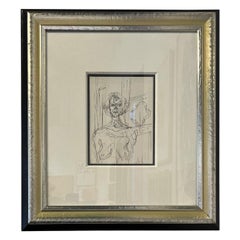
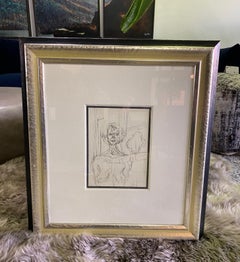
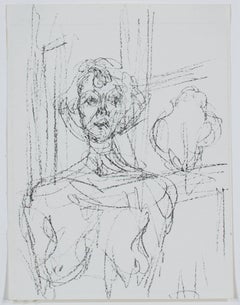
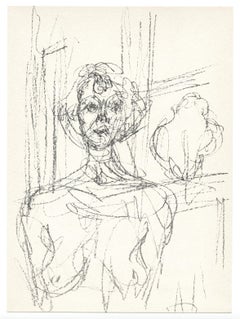
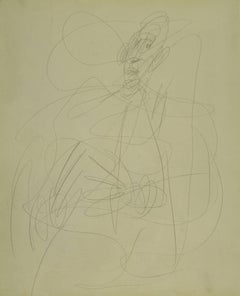
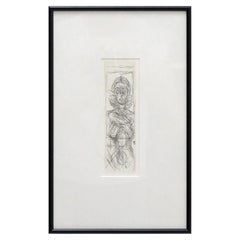
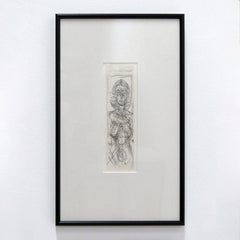
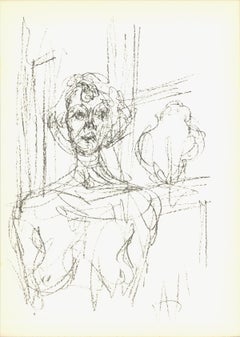
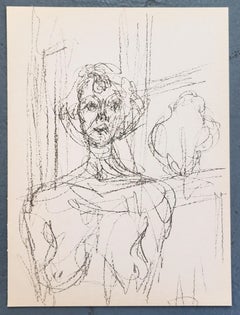
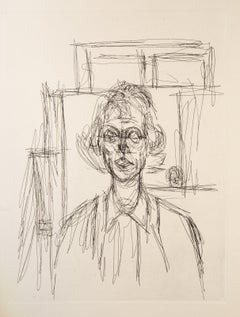
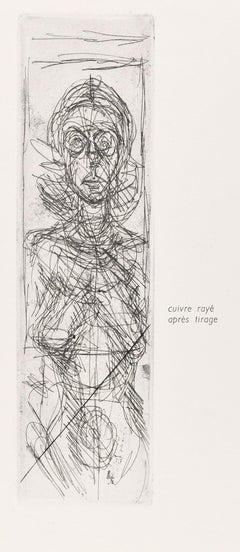
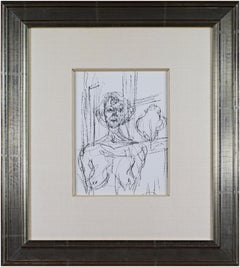
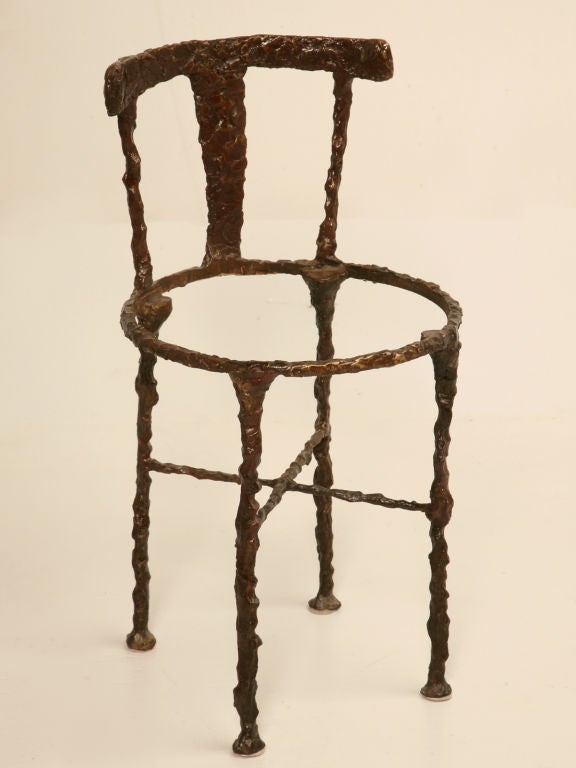
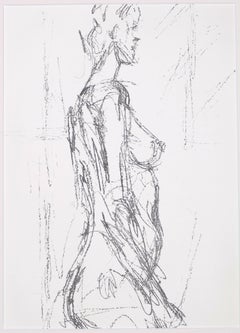
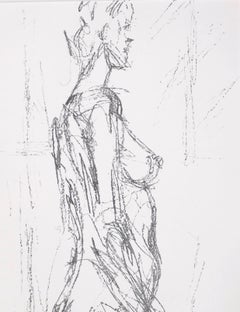
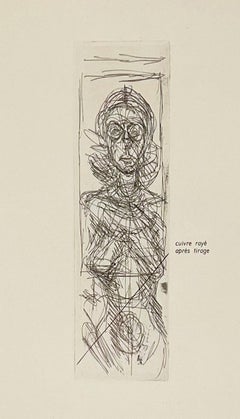
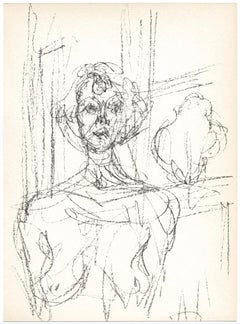
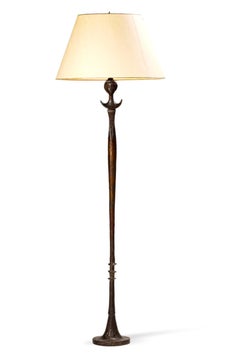
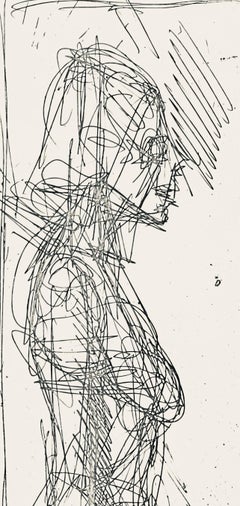
You are likely to find exactly the giacometti annette you’re looking for on 1stDibs, as there is a broad range for sale. Finding the perfect giacometti annette may mean sifting through those created during different time periods — you can find an early version that dates to the 20th Century and a newer variation that were made as recently as the 20th Century. On 1stDibs, the right giacometti annette is waiting for you and the choices span a range of colors that includes
gray and
beige. Finding an appealing giacometti annette — no matter the origin — is easy, but
Alberto Giacometti each produced popular versions that are worth a look. Artworks like these — often created in
lithograph and
etching — can elevate any room of your home.
A giacometti annette can differ in price owing to various characteristics — the average selling price for items in our inventory is $1,247, while the lowest priced sells for $300 and the highest can go for as much as $2,450.
Alberto Giacometti was a painter, printmaker and furniture designer but he is best known as one of the 20th century’s most important sculptors. He is revered for the elongated, slender human figures he created in the years following World War II that reflected existentialism and the trauma associated with the conflict.
Giacometti was born in Borgonovo, Switzerland, in 1901 to a creative family. His father Giovanni was a Post-Impressionist painter, his godfather Cuno Amiet was a Fauvist painter, his brother Bruno was an architect, and his other brother Diego was an artist and furniture designer who also served as Giacometti’s model. (The sculptor worked chiefly with models plucked from his personal life.)
Beginning in 1922, Giacometti studied at the Académie de la Grande-Chaumière in Paris and was influenced by the Cubist work of Alexander Archipenko, Raymond Duchamp-Villon and the post-Cubist sculptures of Jacques Lipchitz and Henri Laurens.
During the 1930s, Giacometti designed furniture such as lamps, vases and wall décor to earn a living, often collaborating with interior designer Jean-Michel Frank, whose interiors tastefully mixed extravagance with sophisticated simplicity. However, Giacometti’s passion lay in creating sculptures.
Alberto and his brother Diego left Paris in 1940 to escape the Nazi invasion and spent time in the South of France before fleeing to Geneva, remaining there until 1946. In 1947, Giacometti began work on his most famous sculptures — very tall and thin figurines that came to be associated with frailty and loneliness.
Giacometti catapulted to fame in the United States following two exhibitions of his sculptures in 1948 and 1950 at the Pierre Matisse Gallery in New York City — Jean-Paul Sartre authored the catalogue essay for the latter. In 1961, Giacometti’s friend, Irish playwright Samuel Beckett, asked him to design the set for a re-staging of his play “Waiting for Godot.” His response took on the form of a single plaster tree.
In 1962, Giacometti won the grand prize for sculpture at the Venice Biennale, and for much of the rest of his career, he created modern paintings, drawings and sculptures of plaster, clay and bronze in his small Paris studio. He died in 1966.
Giacometti’s works continue to enthrall collectors. In 2010, his life-size bronze sculpture L'Homme qui marche (“the man who walks”), which now adorns the 100 Swiss Franc banknote, became one of the most expensive sculptures to be sold at auction.
On 1stDibs, discover a range of vintage Alberto Giacometti wall decorations, prints and sculptures.