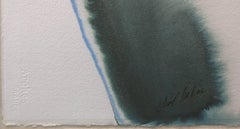
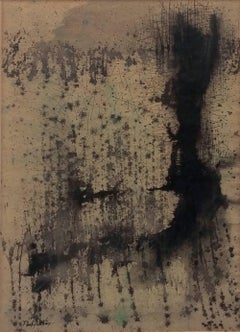
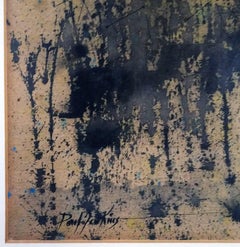
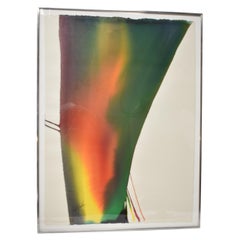
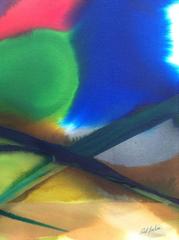
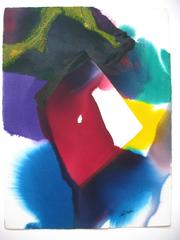
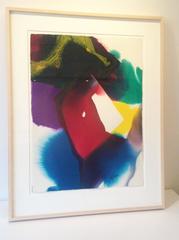
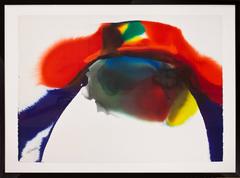
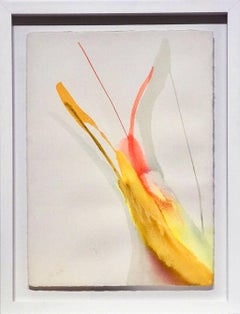
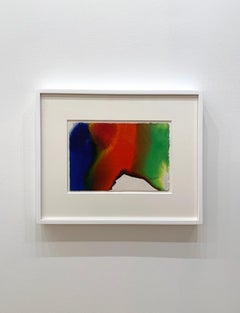
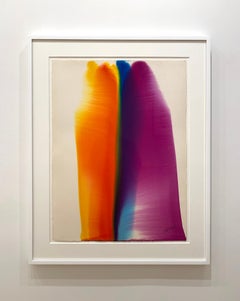
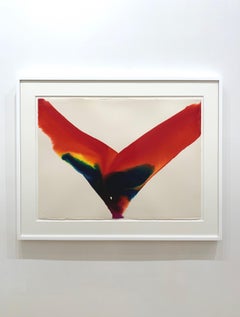
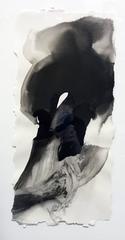
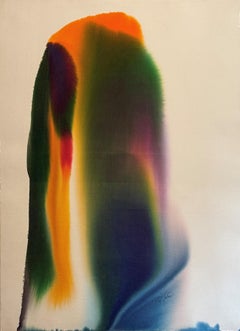
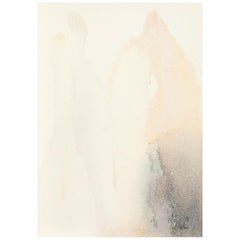
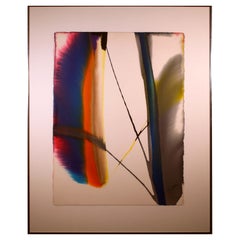
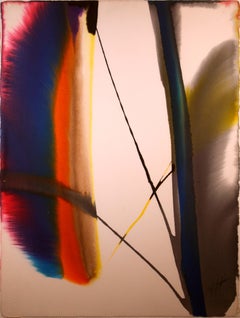
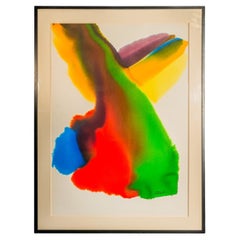
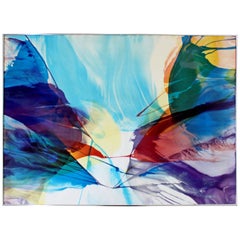
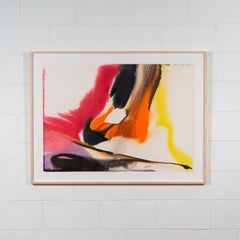
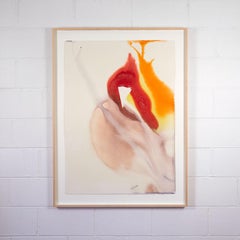
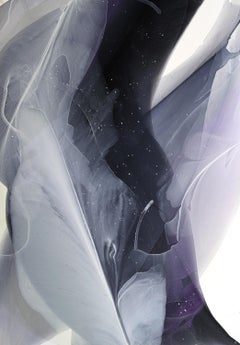
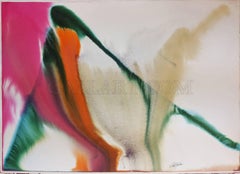
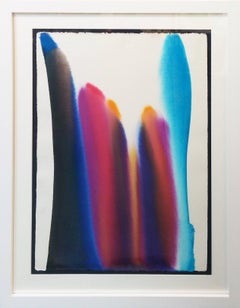
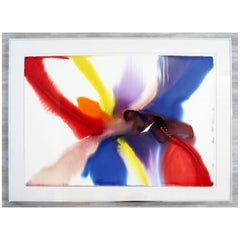
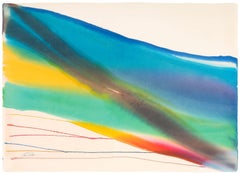
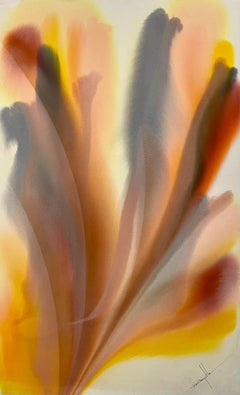
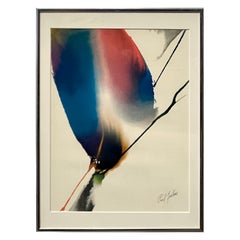
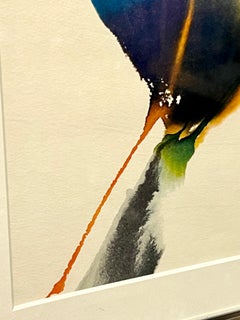
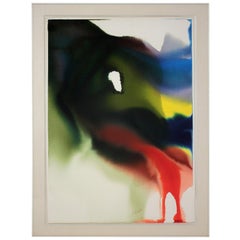
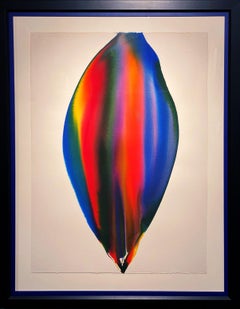
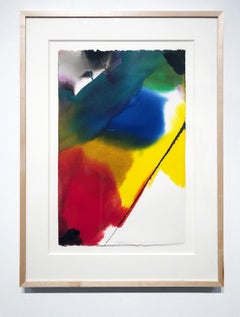
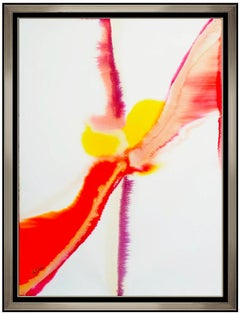
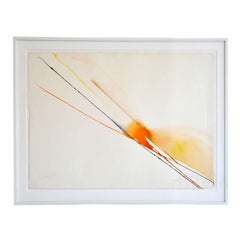
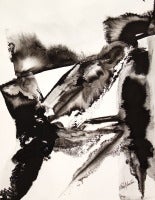
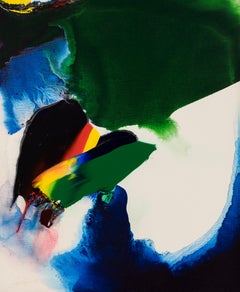
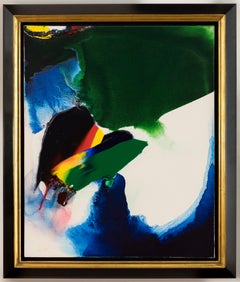
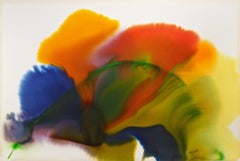
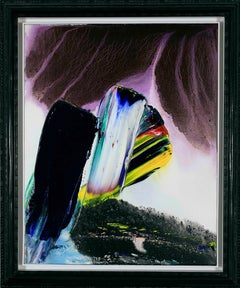
Surely you’ll find the exact jenkins watercolor paul you’re seeking on 1stDibs — we’ve got a vast assortment for sale. You can easily find an example made in the
contemporary style, while we also have 4
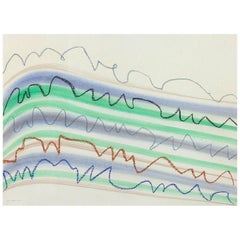
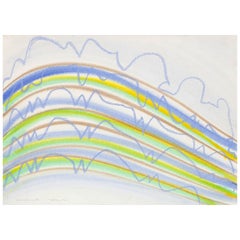
contemporary versions to choose from as well. Finding the perfect jenkins watercolor paul may mean sifting through those created during different time periods — you can find an early version that dates to the 20th Century and a newer variation that were made as recently as the 21st Century. Adding a jenkins watercolor paul to a room that is mostly decorated in warm neutral tones can yield a welcome change — find a piece on 1stDibs that incorporates elements of
gray,
beige,
brown,
pink and more. Creating a jenkins watercolor paul has been a part of the legacy of many artists, but those crafted by
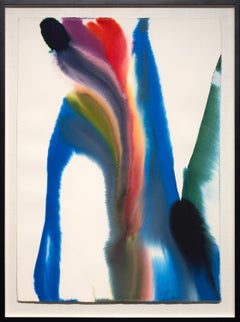
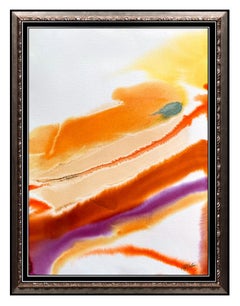
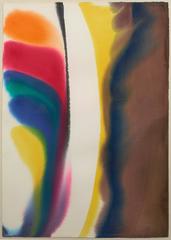
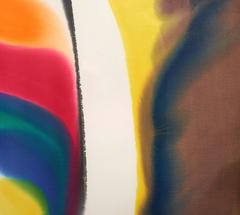
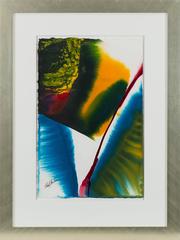
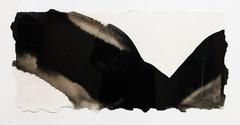
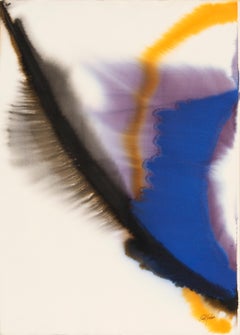
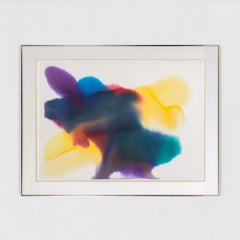
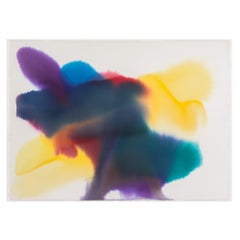
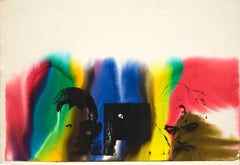
Paul Jenkins,
Lamar Briggs,
Alice Baber,
Will Barnet and
Marina Dunbar are consistently popular. Artworks like these — often created in
paint,
watercolour and
paper — can elevate any room of your home.
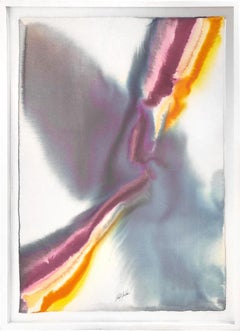
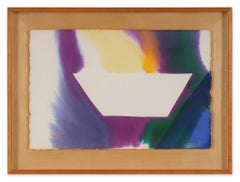
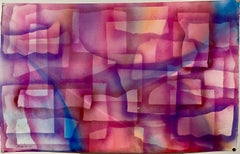
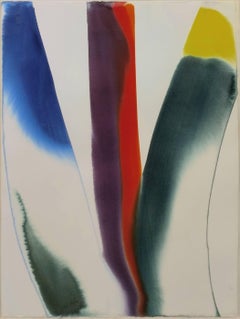
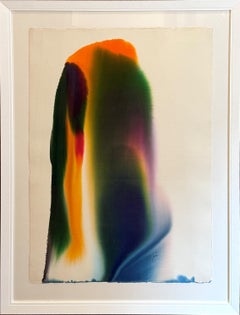
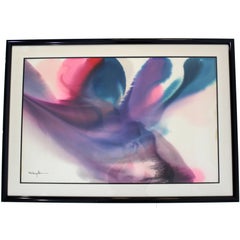
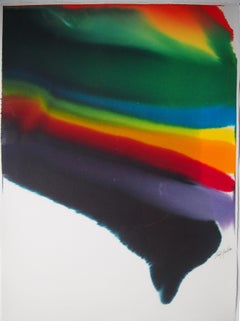
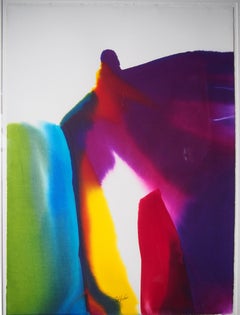
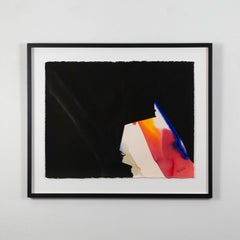
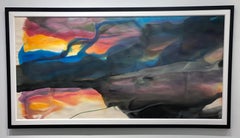
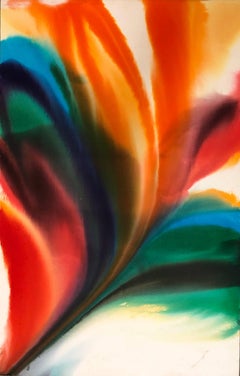
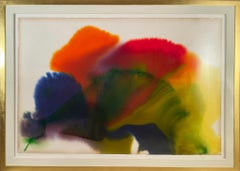
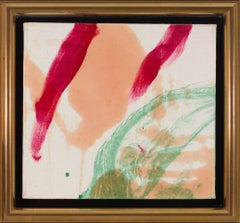
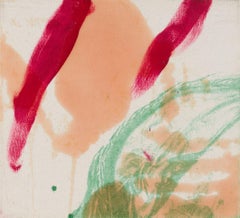
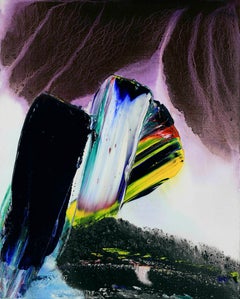
Born in Kansas City, the multimedia artist, poet and playwright Paul Jenkins began his studies at Kansas City Art Institute and the Art Students League in New York City. After his discharge from military service at the end of February 1946, he briefly studied playwriting with dramatist George McCalmon at the Carnegie Institute of Technology in Pittsburgh. Thereafter, Jenkins spent four years studying with Japanese-American artist Yasuo Kuniyoshi in New York City. His first solo exhibitions were held at Studio Paul Facchetti in Paris in 1954 and the Martha Graham Gallery in New York City in 1956. Over the past 30 years, numerous retrospectives have been curated across the globe and Jenkins’s work can be found in national collections from Europe and the United States to Israel, Australia and Japan.
The diversity of Jenkins’s work springs from a wealth of eclectic influences. Some of his earliest works included what he called "interior landscapes” influenced by ancient natural forms. Frequent student visits to the Frick Collection in New York fostered a love of the great masters, while trips to the renowned Eastern collection of the Nelson-Atkins Museum of Art in Kansas City evoked powerful responses to a monumental Chinese fresco of Buddha, polychrome sculptures of the enlightened Bodhisattva, the Buddhist goddess of mercy Kuan-Yin, Indian bronzes of Hindu god Shiva and statues of meditative Buddhist lohans. Serving in the US Naval Air Corps during the Second World War, Jenkins painted watercolours of Japanese Kabuki dancers and read the ancient Chinese poetic teachings of the I Ching and Lao Tse Tung’s Tao Te Ching, described by him as "masterpieces in simplicity.” Jenkins’s discovery of psychoanalyst Carl Jung’s book Psychology and Alchemy was as illuminating for his practice as were formative meetings with dancer Martha Graham, architect Frank Lloyd Wright and Abstract Expressionist painters Mark Rothko, Jackson Pollock and Barnett Newman.
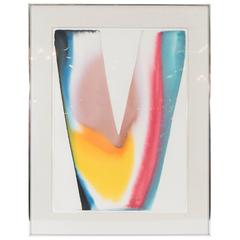
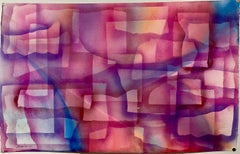
Concerned with colour and texture, nearness and distance as well as reality and mysticism, Jenkins’s work — considered to be part of the second wave of Abstract Expressionism — is a spiritual meditation on the nature of chance, balance, synchronicity, change and transformation. His ejection from an early art class in Kansas City for eating the still life appears instructive: "For me the pear is to be eaten and experienced, not painted.” Jenkins sought to reject the traditional Neo-Platonic approach to art as well as life in favour of a Taoist concern for the “present moment.” In this sense his paintings become spiritual reflections on the transitory present, life merely a rippled dance upon the water’s surface. Jenkins’s death in 2012 and the subsequent release of important works onto the market by his estate increased global interest in his work and they have grown in value and popularity. Jenkins’s works can be found in public and private collections worldwide.
(Biography provided by Stern Pissarro Gallery)