On 1stDibs, you can find the most appropriate joseph levin for your needs in our varied inventory. There are many
abstract and
Impressionist versions of these works for sale. If you’re looking for a joseph levin from a specific time period, our collection is diverse and broad-ranging, and you’ll find at least one that dates back to the 19th Century while another version may have been produced as recently as the 21st Century. Adding a joseph levin to a room that is mostly decorated in warm neutral tones can yield a welcome change — find a piece on 1stDibs that incorporates elements of
silver,
beige,
blue,
gray and more. There have been many interesting joseph levin examples over the years, but those made by
Mikael Levin,
Henry Koerner,
Berthe Morisot,
Vincent Pomilio and
Ruth Schloss are often thought to be among the most thought-provoking. Frequently made by artists working in
silver gelatin print,
paint and
canvas, these artworks are unique and have attracted attention over the years.
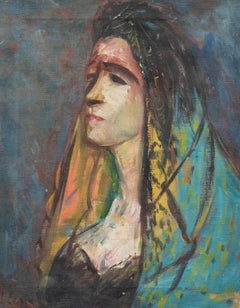
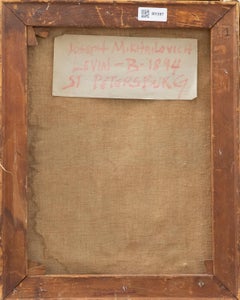
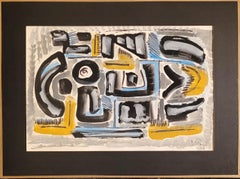
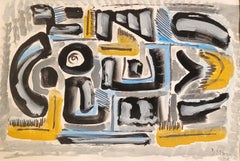
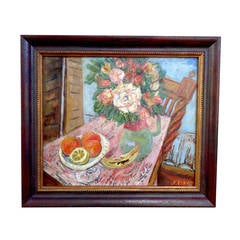
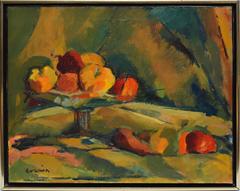
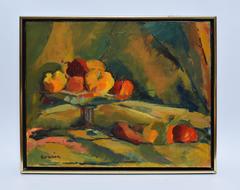
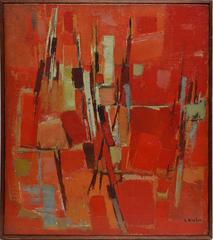
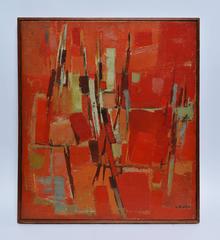
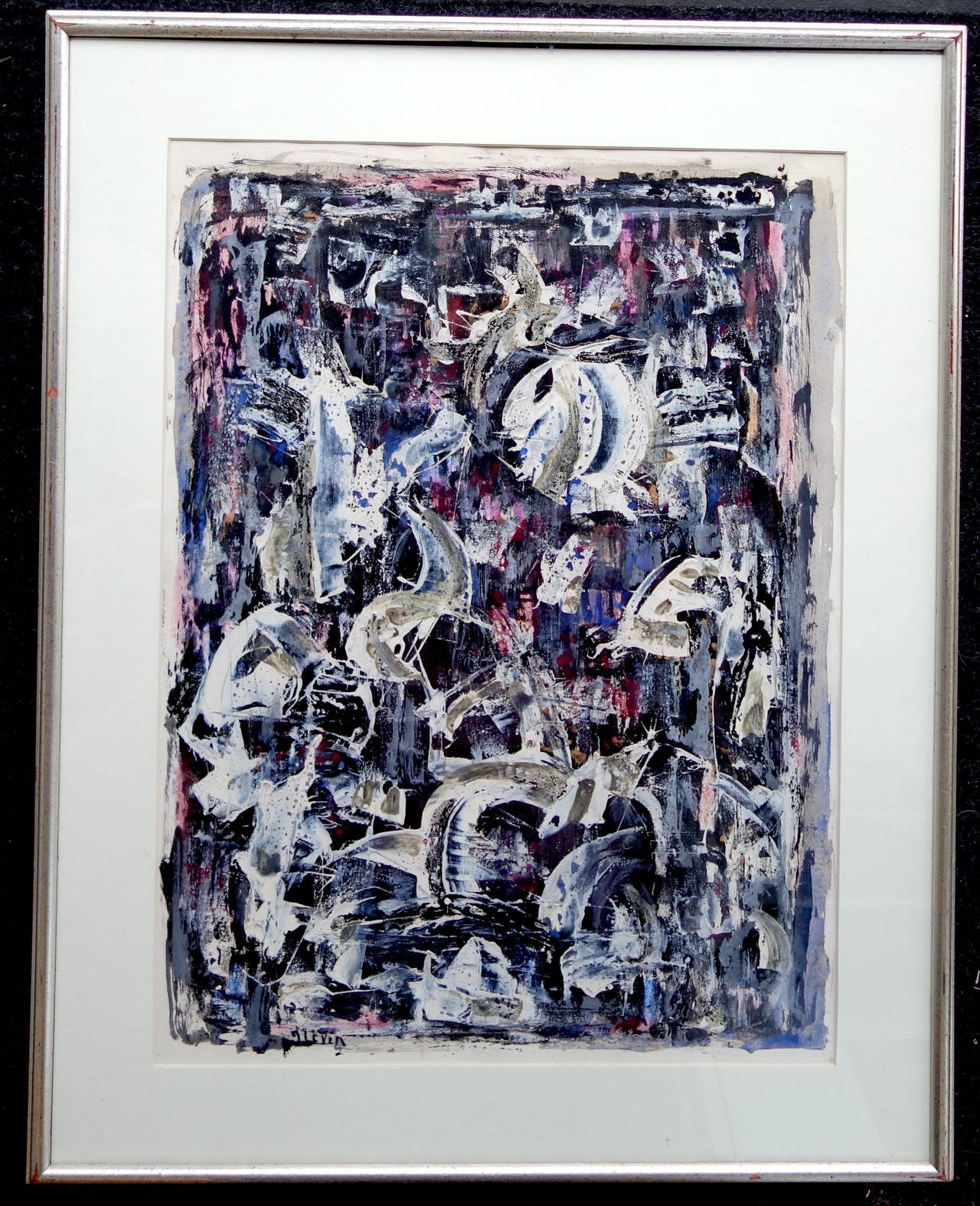
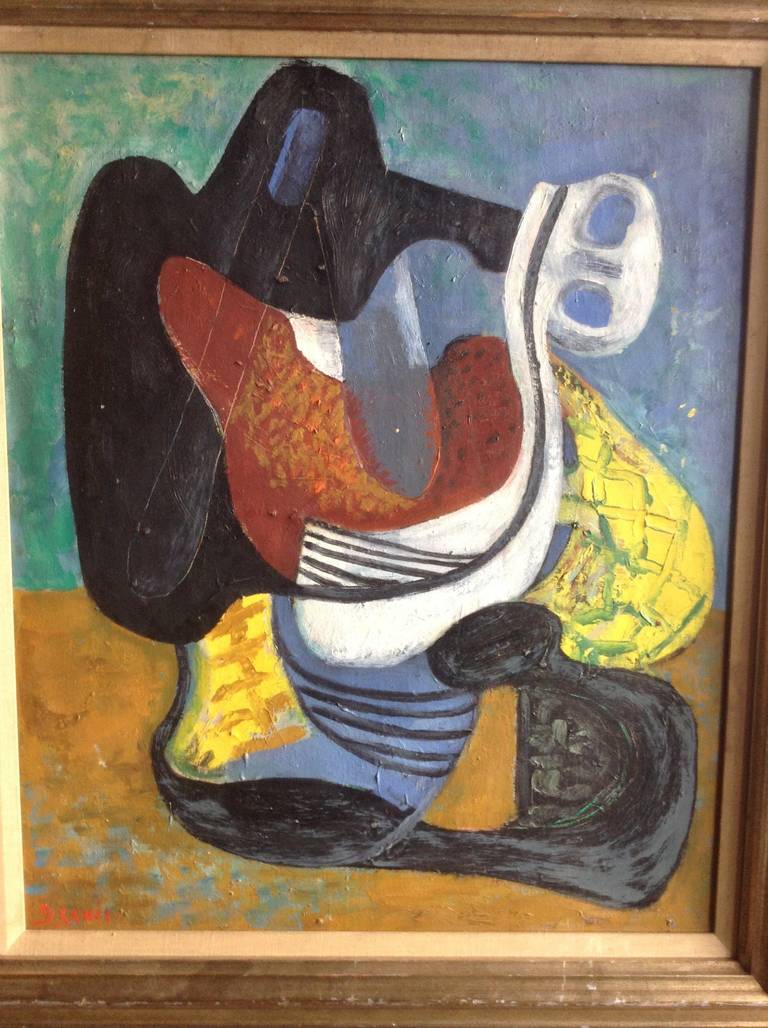
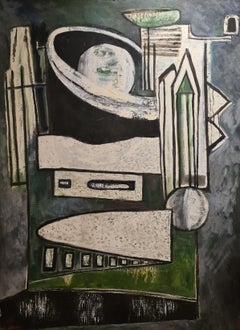
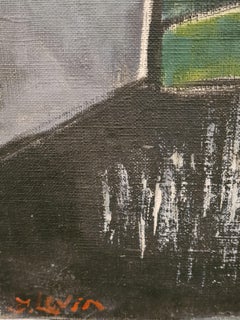
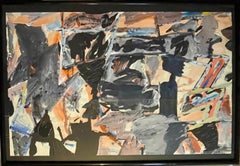
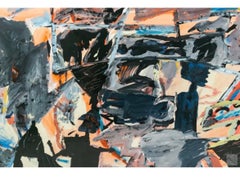
Joseph Levin was an artist in New York and Paris, born in St. Petersburg, Russia, in 1894 and died in New York in 1979. His abstract paintings reflect the influence of the avant-garde movements of these great centers of art. He was promoted by the famous French art critic George Waldemar, who is noted for discovering Chaim Soutine. While living in Russia, Levin was influenced by the Pioneer Russian abstract painter Kasimir Malevich (1878-1935), who was the first to exhibit abstract paintings in 1913 and published The Non-Objective World in 1926, describing his Suprematist theories. Malevich’s influence on Avante-Garde artists was so important that some art historians claim without him there would be no Marcel Duchamp. In 1922, Levin traveled to China and exhibited his paintings in Peking and Tianjin, where Chinese calligraphy would influence his abstract works. Prior to1925, he moved to Paris, becoming part of the School of Paris painters. This group of painters included such notables as Marc Chagall (1887-1985), who also traveled between Russia and Paris; and Henri Matisse (1869-1954) and Jean Dubuffet (1901-1985) among many other notables. Levin’s early works combine his study of Suprematist theories in Russia, Chinese calligraphy and School of Paris influences including Chagall’s dreamlike mixture of cubism, folklore and country life. He moved to New York after World War II and continued to explore theories of Surconsciencilisme. His theory was similar to that of Mark Rothko (1903-1970), Adolf Gottlieb (1903-74) and Barnett Newman’s (1905-1970) use of mythology and writings of Freud and Jung concerning dreams and archetypes of collective unconscious operating in a space of human consciousness that transcends specific history and culture. A show in 1959 at Galerie Marcel Bernheim in Paris exhibited modern works from this period. Recently a large number of abstract works were found in an attic that were originally from Levin's estate, which has renewed research and interest in his works.