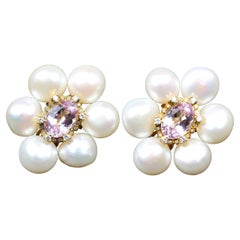
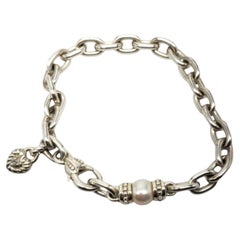
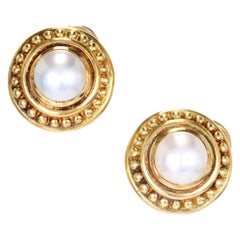
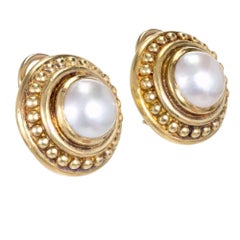
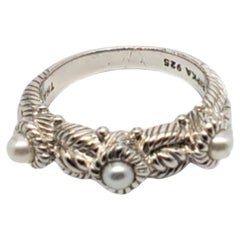
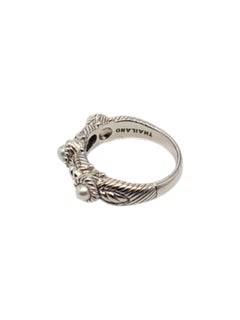
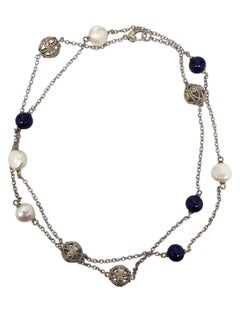
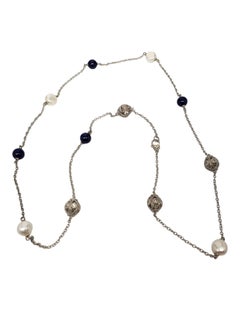
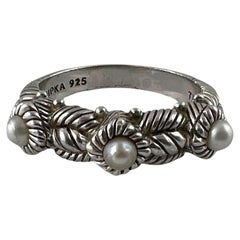
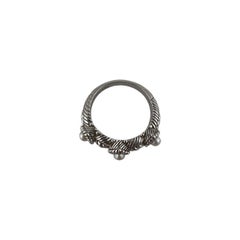
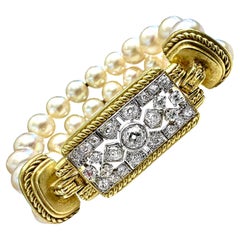
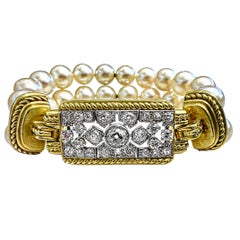
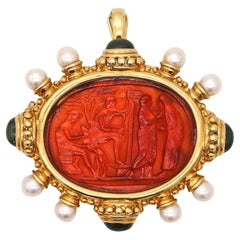
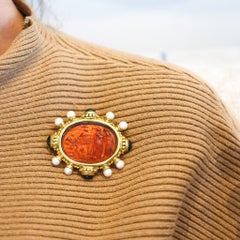
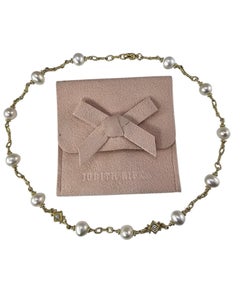
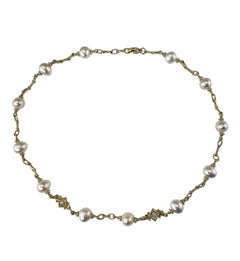
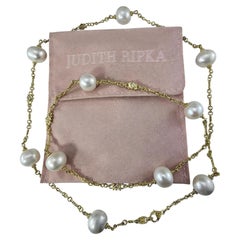
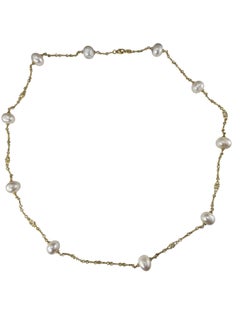
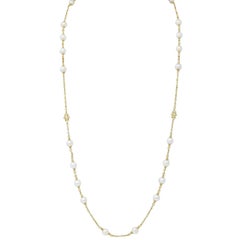
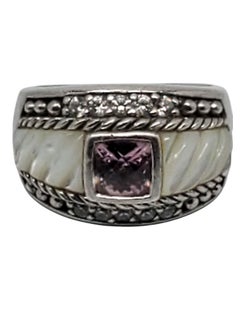
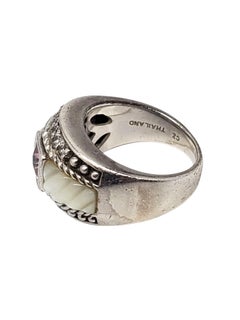
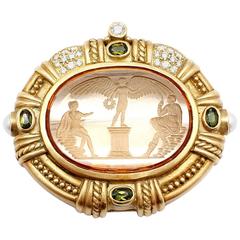
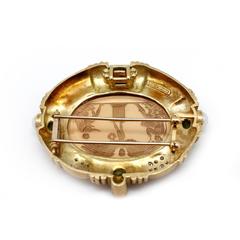
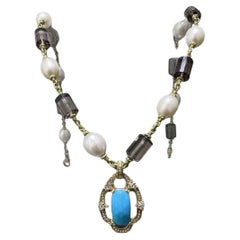
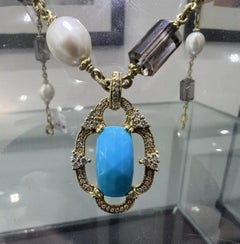
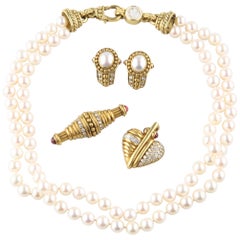
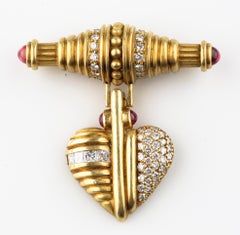
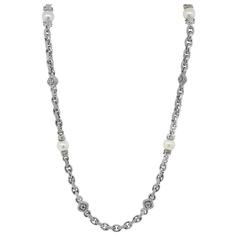
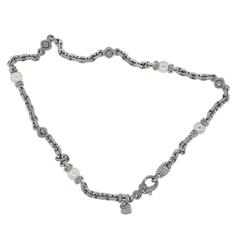
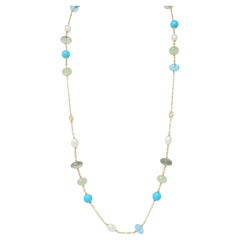
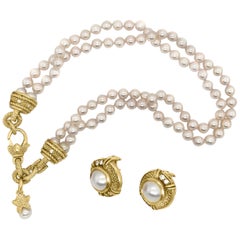
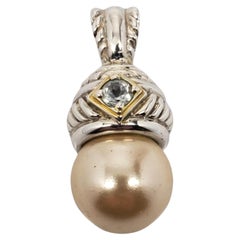
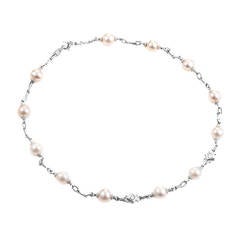
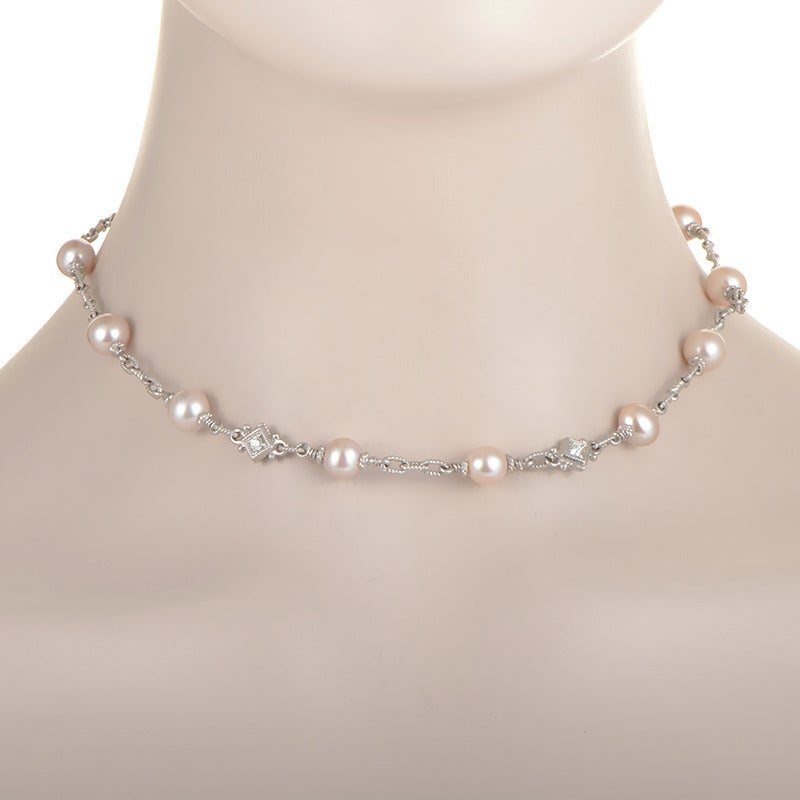
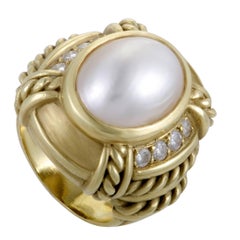
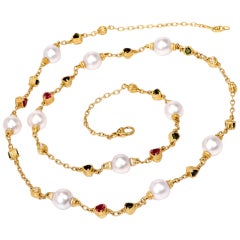
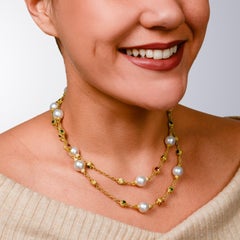
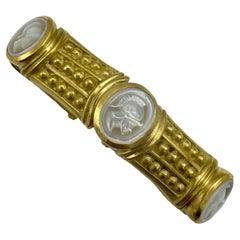
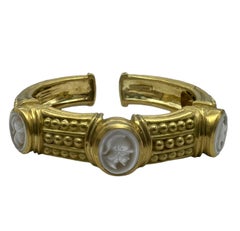
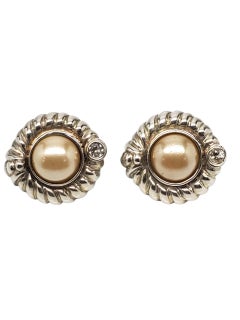
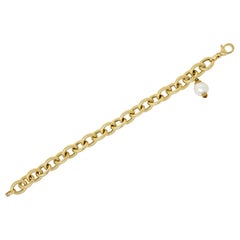
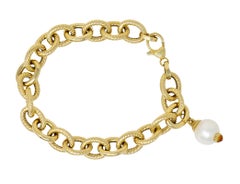
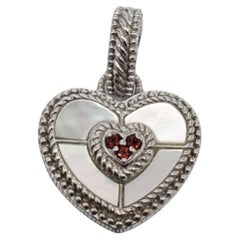
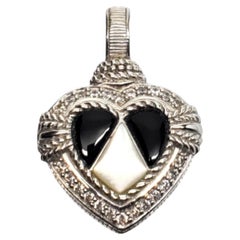
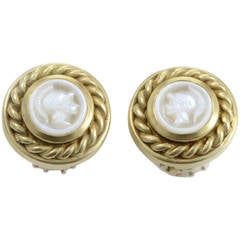
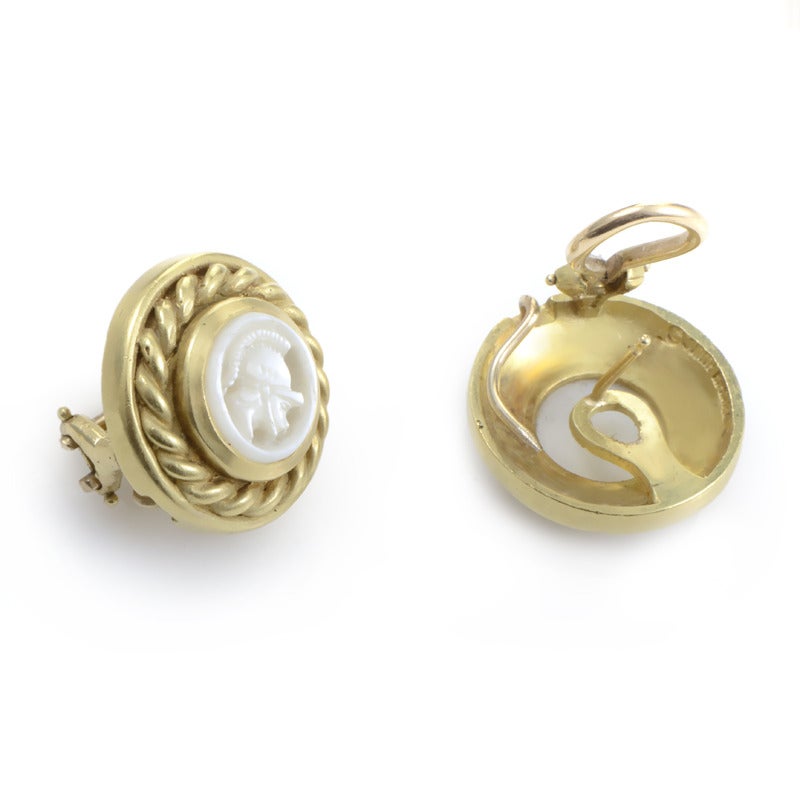
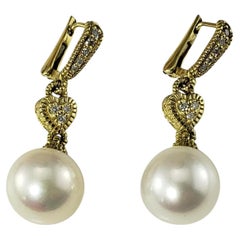
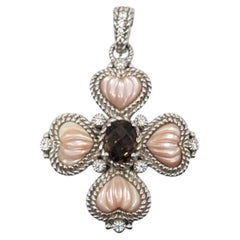
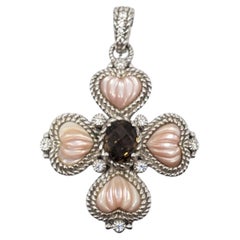
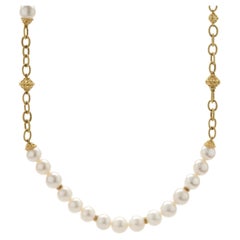
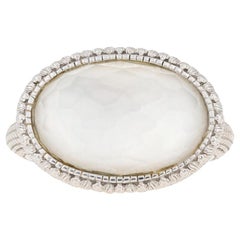
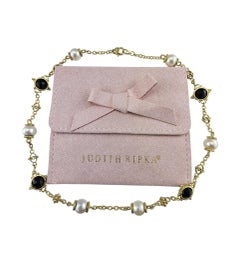
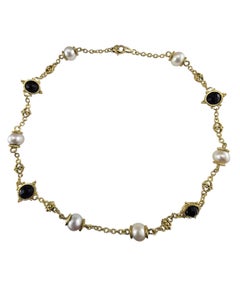
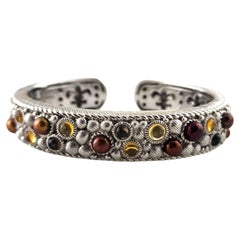
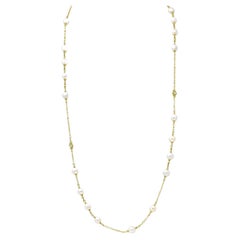
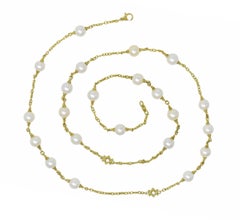
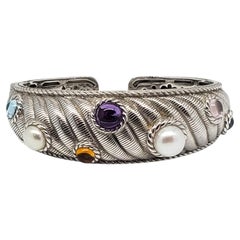
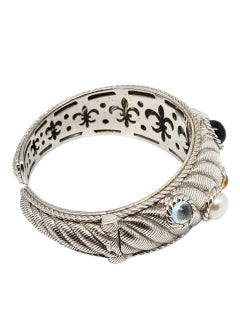
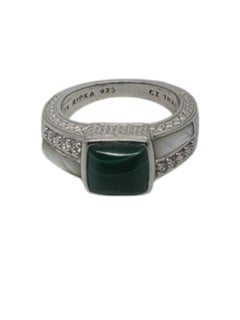
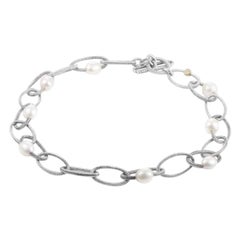
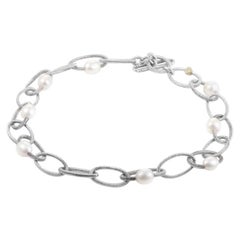
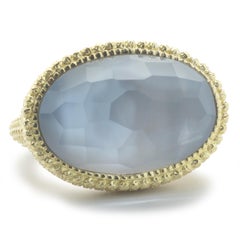
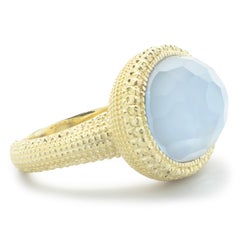
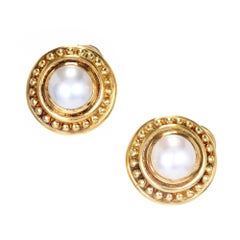
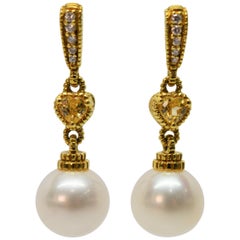
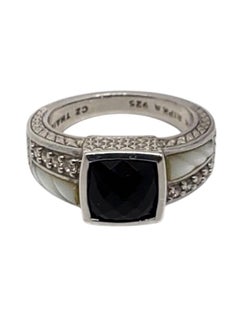
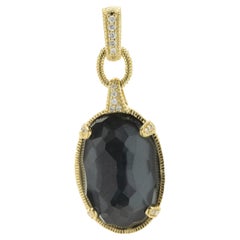
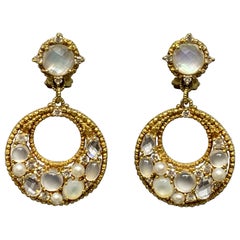
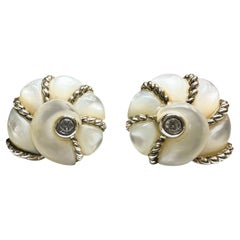
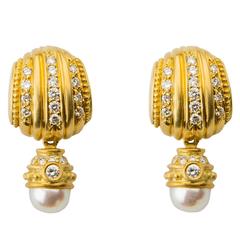
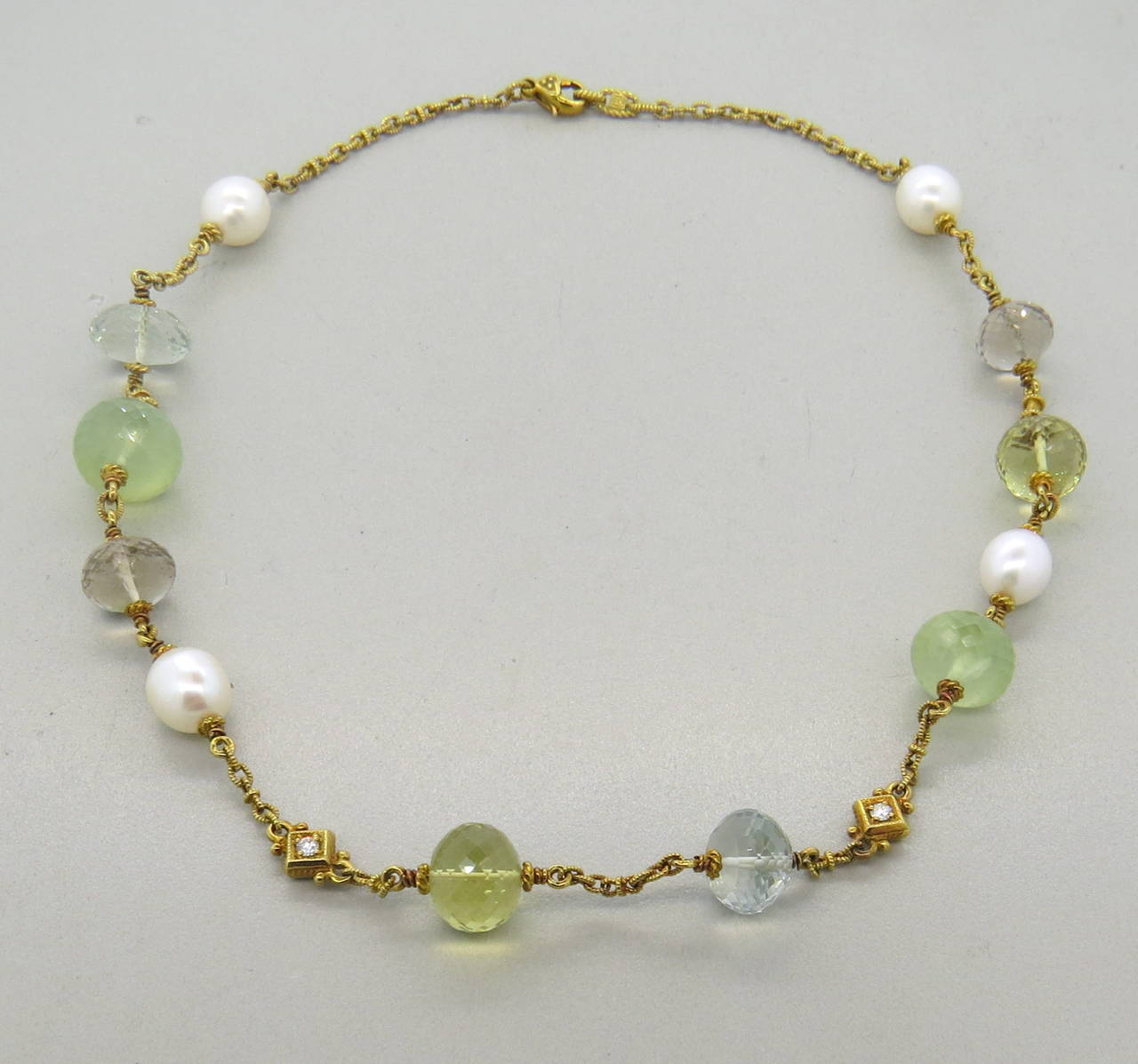
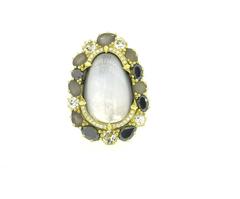
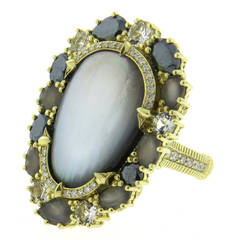
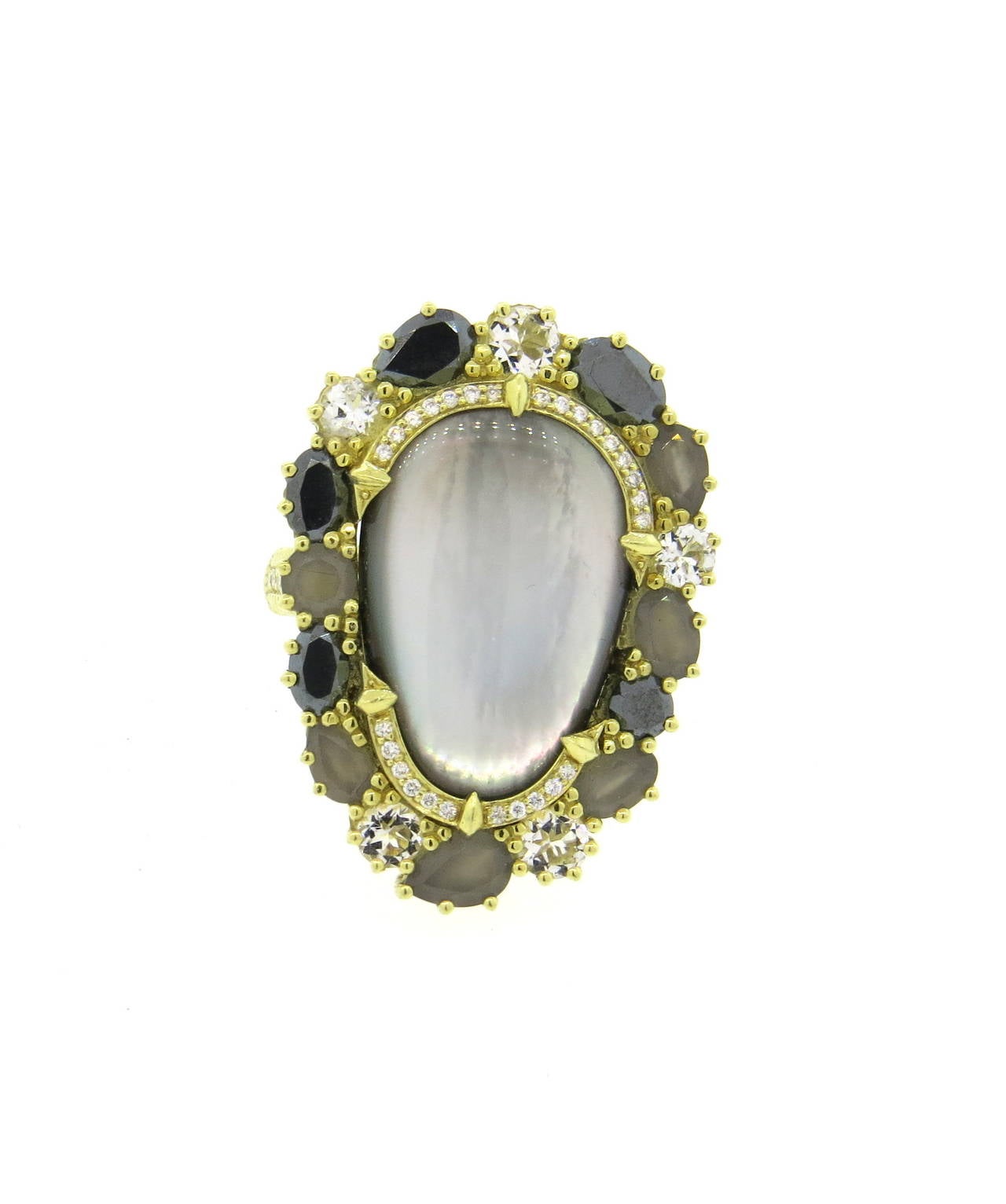
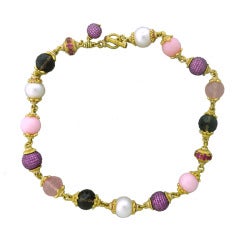
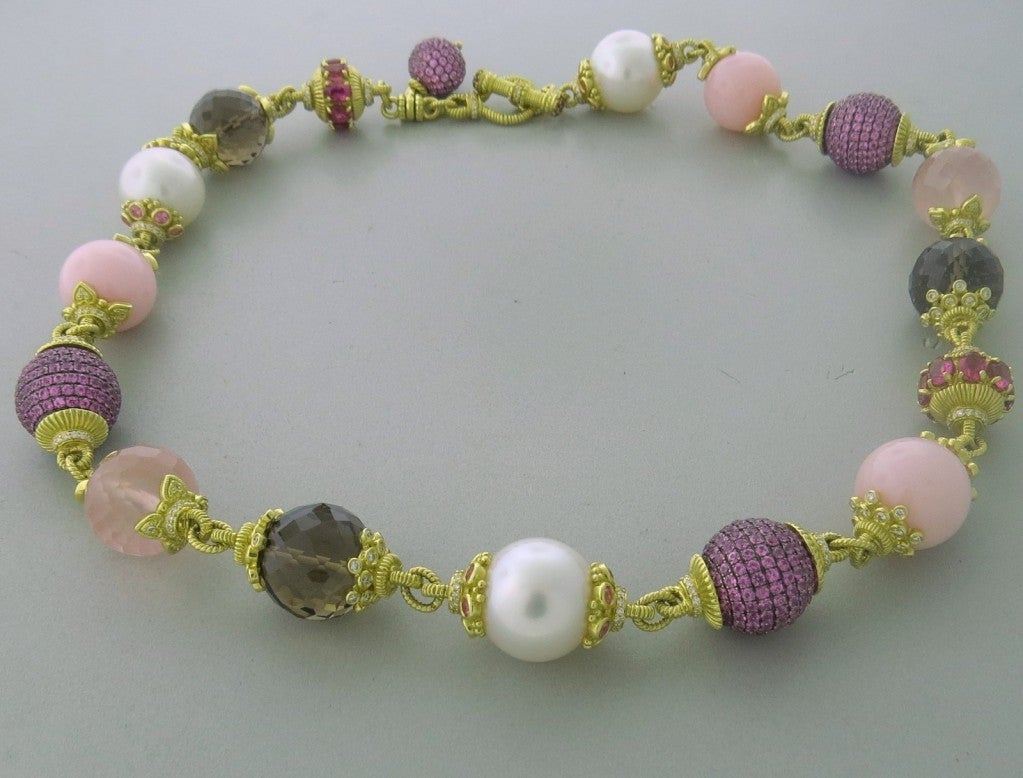
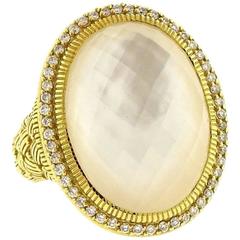
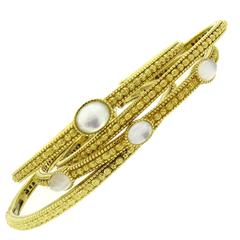
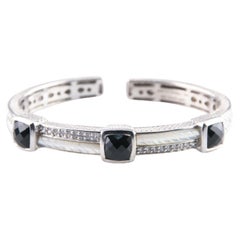
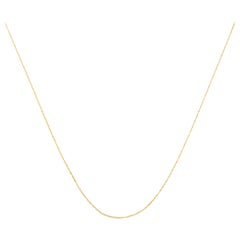
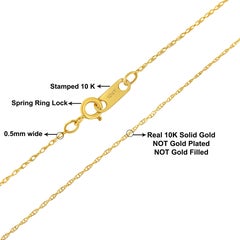
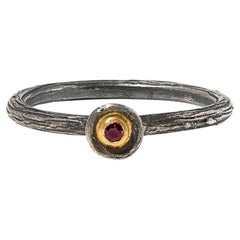
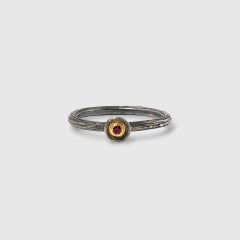
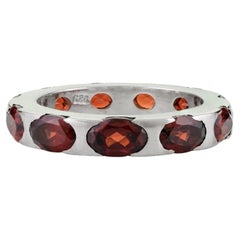
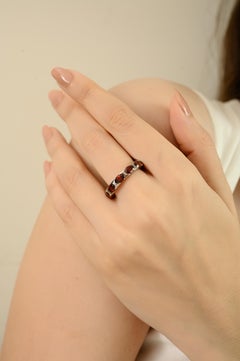
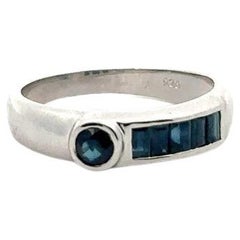
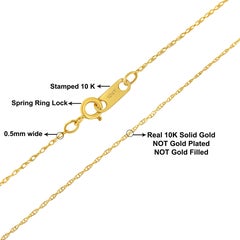
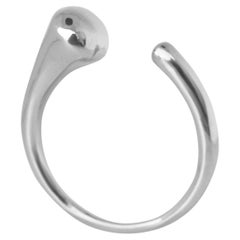
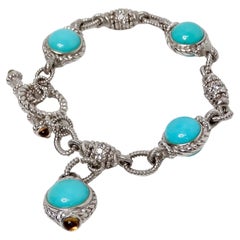
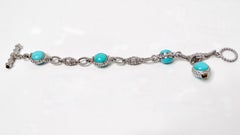
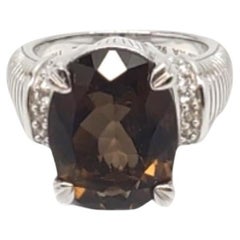
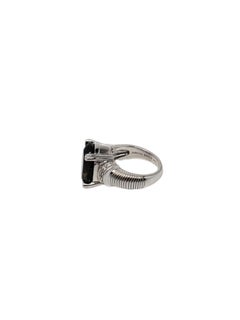
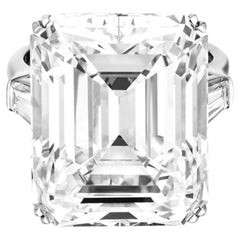
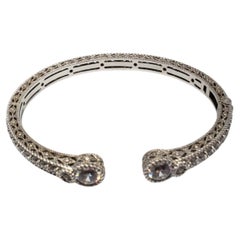
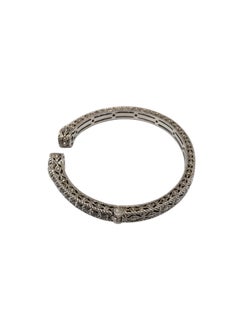
You are likely to find exactly the judith ripka pearl you’re looking for on 1stDibs, as there is a broad range for sale. Every item for sale was constructed with extraordinary care, often using
Gold,
18k Gold and
Yellow Gold. You can easily find a 14 antique edition and 18 modern creations to choose from as well. Finding the perfect judith ripka pearl may mean sifting through those created during different time periods — you can find an early version that dates to the 20th Century and a newer variation that were made as recently as the 21st Century. There have been many well-made iterations of the classic judith ripka pearl over the years, but those made by
Judith Ripka are often thought to be among the most beautiful. A judith ripka pearl can be a stylish choice for most occasions, but
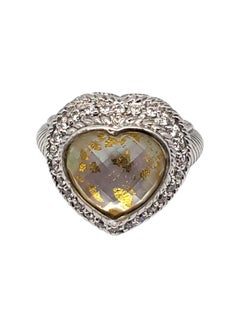
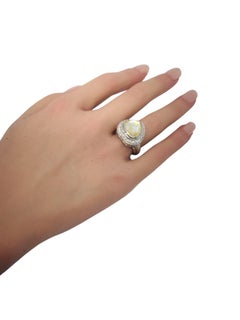
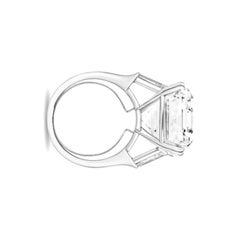
Diamond rings, from our inventory of 17, can add a particularly distinctive touch to your look, day or night. See these pages for a
round cut iteration of this accessory, while there are also
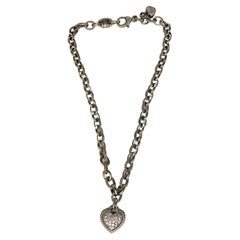
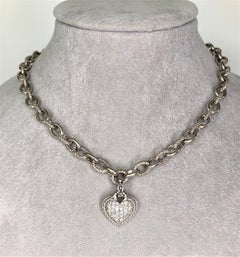
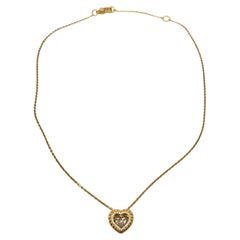
heart cut cut and
oval cut cut versions available here, too. There aren’t many items for
men if you’re seeking a judith ripka pearl, as most of the options available are for
women and unisex.
Prices for a judith ripka pearl can differ depending upon size, time period and other attributes — at 1stDibs, these accessories begin at $480 and can go as high as $23,000, while this accessory, on average, fetches $2,550.
One of the first jewelers to harness the potential of television, Judith Ripka has built a following for her bold work through her frequent appearances on the televised shopping channel QVC. Her earrings, necklaces and other accessories often feature matte gold and large colored precious gemstones highlighted with a dazzle of diamonds — statement pieces that can be worn every day for a touch of glamour.
The New York–born daughter of a couturier, Ripka studied art at Hunter College and the Parsons School of Design before founding her brand in 1977 with an 18-karat gold collection. She started simple, selling the pieces in her living room, leading to the opening of her first store in Manhasset, New York.
Early on, Ripka recognized the power of advertising, taking out an ad in the New York Times that read, “Give your pearls a little culture,” and invited customers to bring in their old pearl necklaces and “see them transformed into a beautiful new necklace.” The updating of traditional styles that might be reserved only for special occasions into modern pieces for daily wear would become a touchstone of Ripka’s brand. By 1982, the jeweler was the proud recipient of the De Beers Award for Outstanding Jewelry Design.
After her QVC debut in 1997, Ripka’s jewelry company took off. A pioneer in selling luxury goods on television, she later appeared on the Shopping Channel, with Ripka herself as an engaging personality helping to drive the sales and popularity of her jewelry. Xcel Brands acquired her company in 2014 with the designs continuing to have an active presence on QVC.
Alongside her QVC-marketed jewelry, Ripka has designed custom pieces, such as the diamond, sapphire and ruby 18-karat gold brooch that Hillary Clinton wore at the 1997 inauguration for her husband, Bill Clinton. Talk-show host, author and philanthropist Oprah Winfrey has regularly sported her Eclipse earrings, which incorporate two tiers of precious stones, a design that can easily match outfits from day to night.
Other Ripka designs have brought high-end luxury to the masses, such as a 2010 line launched on QVC showcasing the designer’s take on famous jewels in the Smithsonian Institution. At every price point, Ripka’s jewelry has maintained its fine quality in the fresh interpretations of classic styles.
The Ripka brand continues to innovate its offerings, including branching into creative partnerships, such as a 2020 capsule collection with Italian architect Elena Manferdini as part of a series of collaborations with women artists and designers.
On 1stDibs, find a collection of Judith Ripka jewelry and watches today.