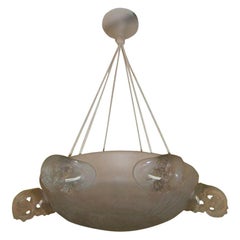
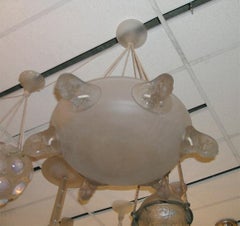
René Lalique "Eglantines" Chandelier
By René Lalique
Located in Bridgewater, CT
A René Lalique chandelier, model Eglantines, created in 1926.
Category
Vintage 1920s French Art Deco Chandeliers and Pendants
Materials
Glass
René Lalique "Eglantines" Chandelier
By René Lalique
Located in Bridgewater, CT
A René Lalique chandelier, model Eglantines, created in 1926.
Glass
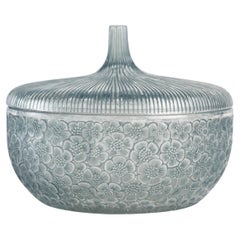
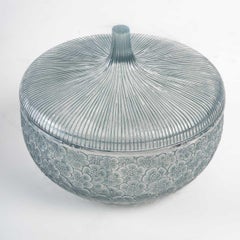
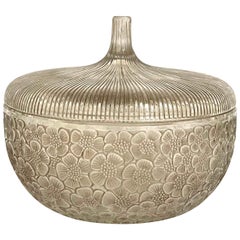
1926 René Lalique Eglantines Box Frosted Glass with Blue Patina, Flowers
By René Lalique
Located in Boulogne Billancourt, FR
René Lalique "Eglantines" box made in 1926 in molded frosted glass with blue patina.
Blown Glass
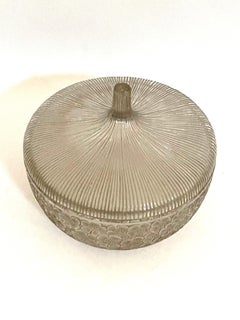
1926 René Lalique Eglantines Box Frosted Glass with Sepia Patina, Flowers
By René Lalique
Located in Boulogne Billancourt, FR
René Lalique "Eglantines" box made in 1926 in molded frosted glass with sepia patina.
Blown Glass
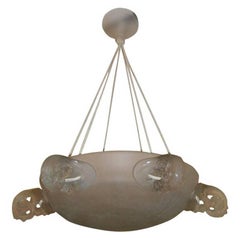
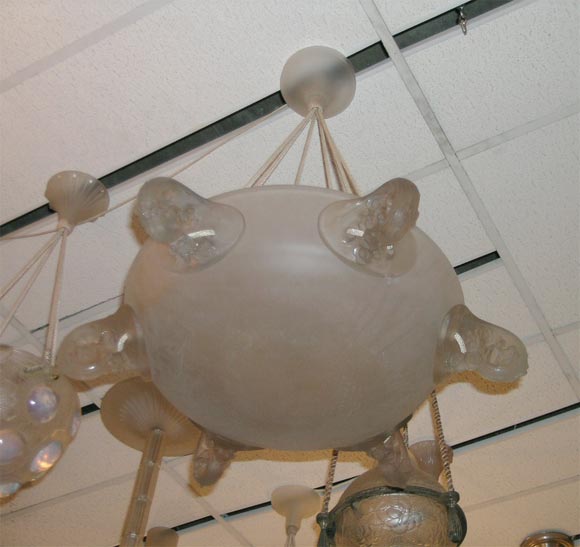
René Lalique "Eglantines" Chandelier
By René Lalique
Located in Bridgewater, CT
A René Lalique chandelier, model Eglantines, created in 1926.
Glass
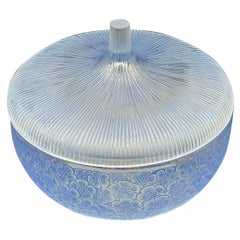
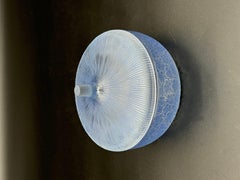
A R.Lalique Eglantines Art Deco Glass Boxes
By René Lalique
Located in SAINT-OUEN-SUR-SEINE, FR
The Eglantines glass boxe is a strong Art Deco design of R.Lalique dating back to the 1926.
Glass
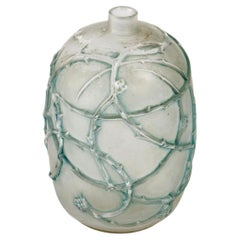

1921 René Lalique, Vase Eglantines Verre Blanc Patiné Vert
By René Lalique
Located in Boulogne Billancourt, FR
René Lalique "Eglantines" vase made in 1921 in molded frosted glass with green patina.
Glass, Art Glass, Blown Glass
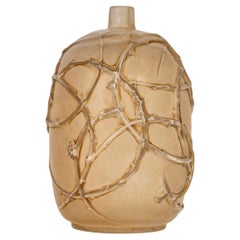
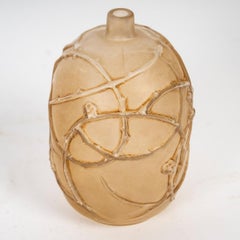
1921 René Lalique - Vase Eglantines Frosted Glass with Sepia Patina
By René Lalique
Located in Boulogne Billancourt, FR
Vase "Eglantines" made in frosted glass with sepia patina created by René Lalique in 1921.
Glass, Art Glass, Blown Glass
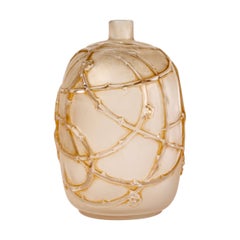
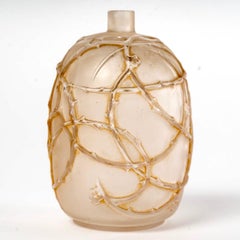
1921 René Lalique, Vase Eglantines Frosted Glass with Sepia Patina
By René Lalique
Located in Boulogne Billancourt, FR
Vase "Eglantines" made in frosted glass with sepia patinated by René Lalique in 1921.
Glass, Art Glass, Blown Glass
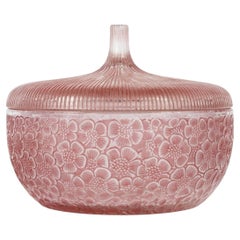
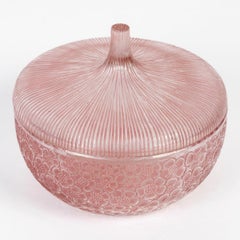
1926 René Lalique Box Eglantines Glass with Pink Patina, Flowers
By René Lalique
Located in Boulogne Billancourt, FR
Box "Eglantines" made in glass with pink patina by René Lalique in 1926.
Blown Glass

Sold
H 0.79 in W 7.88 in D 2.56 in
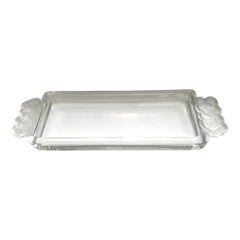
Pre-war Rene Lalique Dish or vide poche, Eglantines, model 331, circa 1936, rare
By René Lalique
Located in London, Fitzrovia
A rare Small pre-war Rene Lalique Dish or small Tray, Eglantines, model 331, circa 1936 Etched signature R.
Art Glass
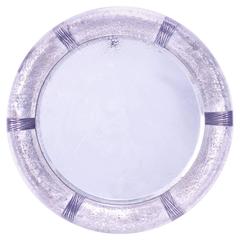

Rare Rene Lalique Eglantines Mirror
By René Lalique
Located in Keego Harbor, MI
Rene Lalique eglantines round French art glass framed Stand up mirror, circa 1912.
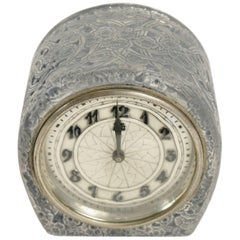
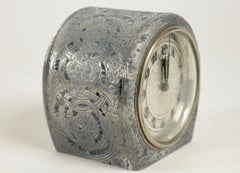
René Lalique & ATO Pendule "Eglantines"
By René Lalique, ATO
Located in Saint-Ouen, FR
Rene´ Lalique (1860-1945) & ATO Pendule e´lectrique"eglantines" pressed molded glass and highlighted with blue stain Lalique Pendule Eglantine: 11.5 cm tall flower heads decorated ...
Brass
The career of the famed jewelry designer, glassmaker and decorative artist René Lalique spanned decades and artistic styles. Best known today for his works in glass, Lalique first won recognition for his jewelry. He was described as the inventor of modern jewelry by the French artist and designer Émile Gallé, and his luxurious naturalistic designs helped define the Art Nouveau movement. Later as a glassmaker in the 1920s and ‘30s, Lalique designed vases, clocks, chandeliers and even car hood ornaments that were the essence of Art Deco chic. Even now, the name Lalique continues to be a byword for a graceful, gracious and distinctively French brand of sophistication.
Born in 1860 in the Marne region of France, Lalique began his career as a jewelry designer in the last decades of the 19th century. His work employed now-classic Art Nouveau themes and motifs: flowing, organic lines; forms based on animals, insects and flowers — all rendered in luxurious materials such as ivory, enamel, gold and semi-precious stones. By 1905, Lalique had begun creating works in glass, and his style began to shift to a cleaner, sharper, smoother, more modern approach suited to his new medium. His Paris shop’s proximity to perfumer François Coty’s led him to experiment with beautiful perfume bottles. He offered the first customized scent bottles, transforming the perfume industry. By the end of the First World War, the artist had fully embraced Art Deco modernity, devoting himself to new industrial techniques of glass production and designs that manifest the sweeping lines and the forms suggestive of speed and movement characteristic of the style. Lalique’s work looked both backward and forward in time: embracing ancient mythological themes even as it celebrated modern progress.
Late in his career, Lalique took on high profile luxury interior design projects in Paris, Tokyo and elsewhere. He designed decorative fixtures and lighting for the interior of the luxury liner Normandie in 1935, and decorated the salons of well-known fashion designer Madeleine Vionnet. Today, Lalique’s influence is as relevant as it was when he opened his first jewelry shop in 1890. In a modern or even a traditional décor, as you will see from the objects offered on these pages, the work of René Lalique provides the stamp of savoir-faire.