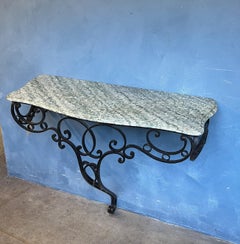
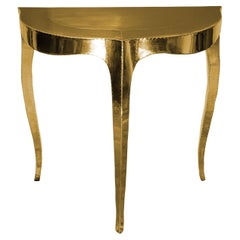
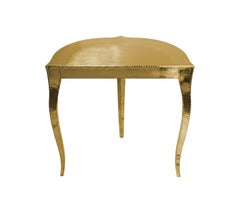
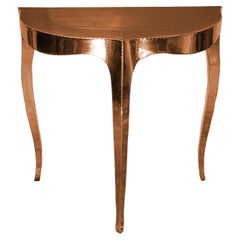
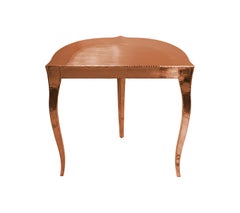
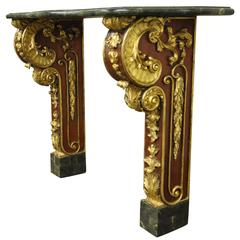
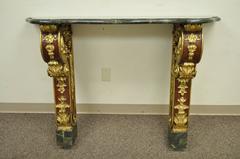
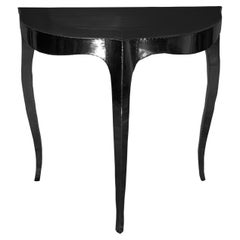
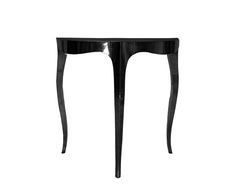
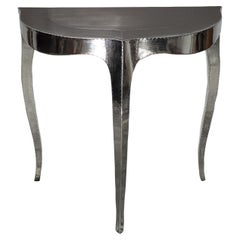
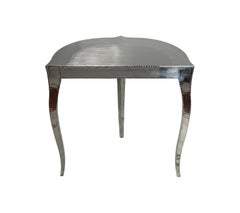
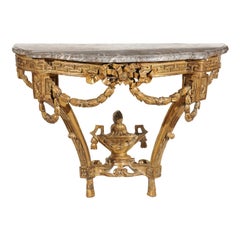
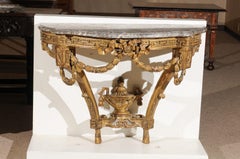
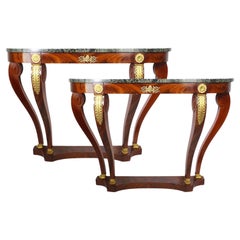
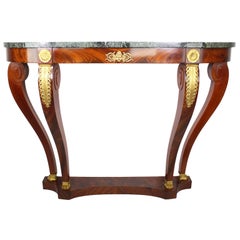
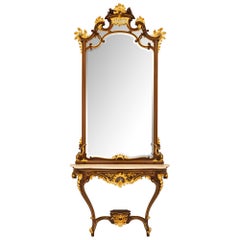
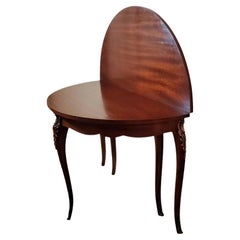
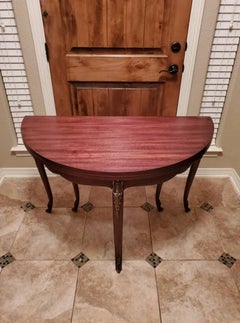
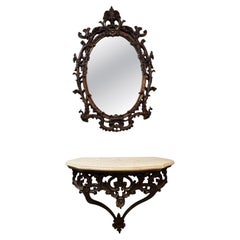
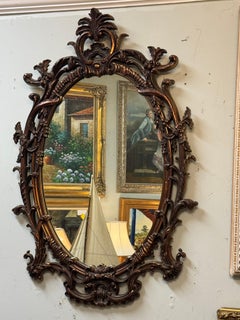
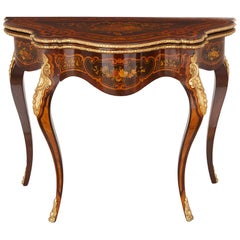
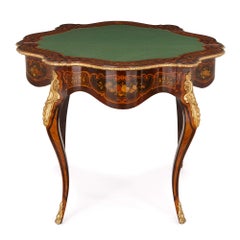
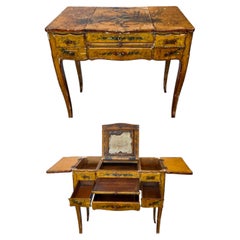
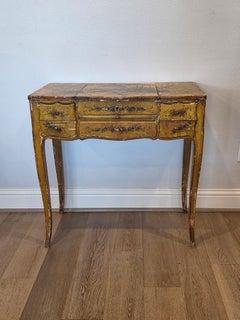
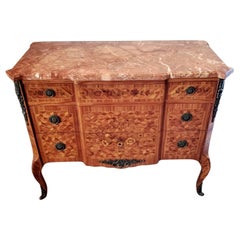
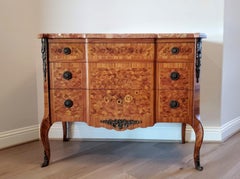
At 1stDibs, there are many versions of the ideal louis xv console wall mounted table for your home. Each louis xv console wall mounted table for sale was constructed with extraordinary care, often using
wood,
marble and
stone. There are many kinds of the louis xv console wall mounted table you’re looking for, from those produced as long ago as the 18th Century to those made as recently as the 20th Century. A louis xv console wall mounted table made by
Louis XV designers — as well as those associated with
Rococo — is very popular. Many designers have produced at least one well-made louis xv console wall mounted table over the years, but those crafted by
Karges Furniture are often thought to be among the most beautiful.
Few pieces of furniture are celebrated for their functionality as much as their decorative attributes in the way that console tables are. While these furnishings are not as common in today’s interiors as their coffee-table and side-table counterparts, console tables are stylish home accents and have become more prevalent over the years.
The popularity of wood console tables took shape during the 17th and 18th centuries in French and Italian culture, and were exclusively featured in the palatial homes of the upper class. The era’s outwardly sculptural examples of these small structures were paired with mirrors or matching stools and had tabletops of marble. They were most often half-moon-shaped and stood on two scrolled giltwood legs, and because they weren’t wholly supported on their two legs rather than the traditional four, their flat-backed supports were intended to hug the wall behind them and were commonly joined by an ornate stretcher. The legs were affixed or bolted to the wall with architectural brackets called console brackets — hence, the name we know them by today — which gave the impression that they were freestanding furnishings. While console tables introduced a dose of drama in the foyer of any given aristocrat — an embodiment of Rococo-style furniture — the table actually occupied minimal floor space (an attractive feature in home furniture). As demand grew and console tables made their way to other countries, they gained recognition as versatile additions to any home.
Contemporary console tables comprise many different materials and are characterized today by varying shapes and design styles. It is typical to find them made of marble, walnut or oak and metal. While modern console tables commonly feature four legs, you can still find the two-legged variety, which is ideal for nestling behind the sofa. A narrow console table is a practical option if you need to save space — having outgrown their origins as purely ornamental, today’s console tables are home to treasured decorative objects, help fill empty foyers and, outfitted with drawers or a shelf, can provide a modest amount of storage as needed.
The rich collection of antique, new and vintage console tables on 1stDibs includes everything from 19th-century gems designed in the Empire style to unique rattan pieces and more.