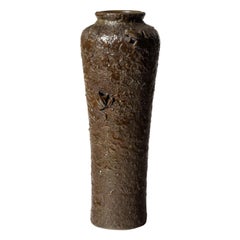
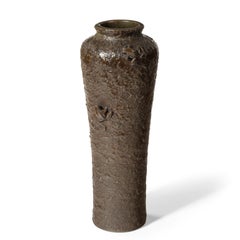
19th Century Meiji Period Bronze Vase with Two Frogs
Located in Lymington, Hampshire
A Meiji period bronze vase with two frogs against a rough textured ground, signed ‘Hyakusei
Category
Antique 1880s Japanese Meiji Metalwork
Materials
Bronze
19th Century Meiji Period Bronze Vase with Two Frogs
Located in Lymington, Hampshire
A Meiji period bronze vase with two frogs against a rough textured ground, signed ‘Hyakusei
Bronze
$629Sale Price|20% Off
H 1.58 in Dm 0.04 in
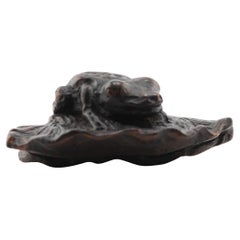
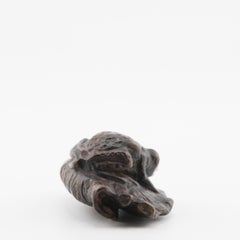
Old Wooden Netsuke 19/20th C Japanese Japan FROG Meiji Period
Located in Amsterdam, Noord Holland
Combined shipment Condition No damages. Size 5x2CM LengthxHeight Period 19th century 20th century Meiji
Metal, Bronze

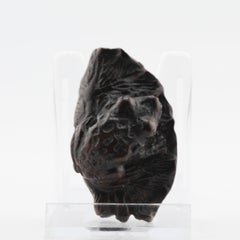
Old Wooden Netsuke Japanese Frog Figure Meiji Period, 19/20th Century
Located in Amsterdam, Noord Holland
: Japan Period: 19th century, 20th century Japan Dynasty Period: Meiji Period (1867-1912) Condition: No
Wood
$1,698
H 1.57 in W 1.41 in D 1.38 in
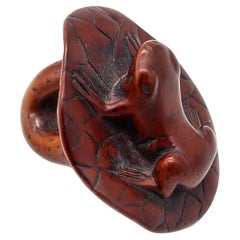
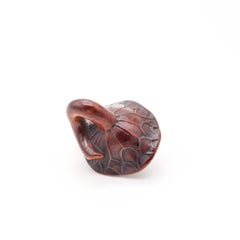
JAPAN 1900 Meiji Period Carved Wood Netsuke Of Frog Resting In A Lotus
Located in Miami, FL
antiques collection, or your bijouterie cabinet. In the Meiji period, frog motifs were popular in Japanese
Wood
$7,200
H 5.5 in W 15 in D 13 in
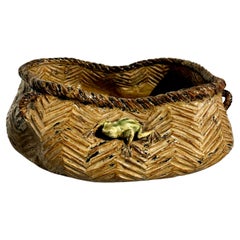
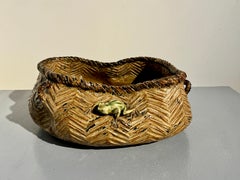
Ito Tozan I "Basket and Frog" Ceramic Vessel, Meiji Period, circa 1900, Japan
By Ito Tozan I
Located in Austin, TX
A large and whimsical glazed stoneware "Basket and Frog" vessel or basin by Ito Tozan I (1846
Ceramic, Stoneware
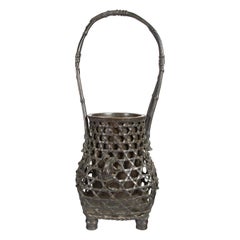
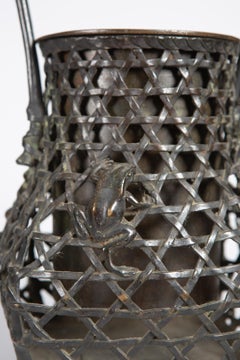
Japanese Bronze Ikebana 'Flower Arranging' Basket with Frog
Located in Hudson, NY
Meiji period (1868-1912) bronze flower arranging basket with a small frog climbing up the side
Bronze
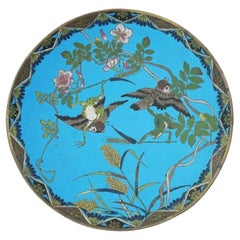
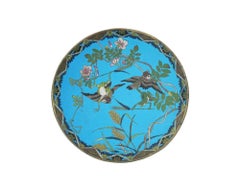
Antique Japanese Cloisonne Turquoise Enamel with Frogs Plate
Located in Long Island City, NY
An antique Japanese late Meiji era decorative enamel over copper plate or charger. The interior of
Copper, Enamel
$9,500 / set
H 7.875 in Dm 5.5 in
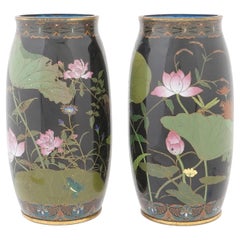
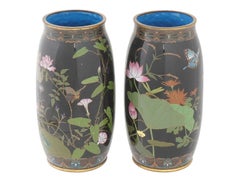
Pair of Japanese Cloisonne Enamel Vases with Lotus Frog and Butterflies Goto
Located in Long Island City, NY
A beautiful pair of Japanese cloisonne enamel vases from the school of Goto Seizaburo, Meiji period
Enamel
$2,350
H 5 in W 4 in D 3.5 in
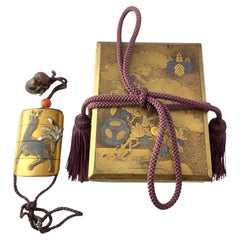
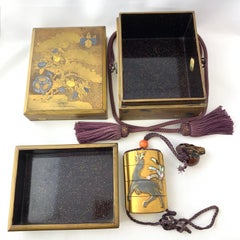
Japanese Gold Lacquer Inro with Deer Image, Ojime, Wood Frog Netsuke, Makie Box
Located in Point Richmond, CA
accents, an ojime and a wooden frog netsuke. Inros were used to store items like medicine, tobacco or
Wood, Lacquer
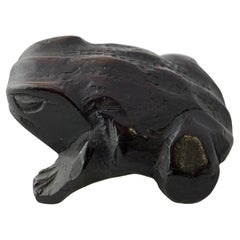
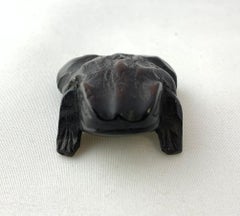
Japanese Carved Wood Netsuke of a Frog, Taisho Period
Located in Point Richmond, CA
Hand carved boxwood frog netsuke dating from the Meiji period. The frog (kaeru) is associated with
Boxwood
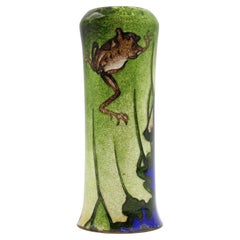
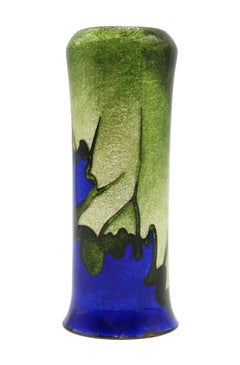
Meiji Period Japanese Ginbari Frog Vase
Located in Chapel Hill, NC
Circa 1890s Japanese Meiji period Ginbari cloisonné vase. A frog leaps across a green ground to
Enamel
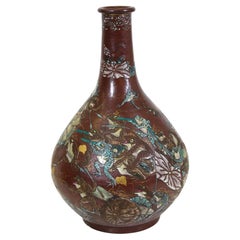
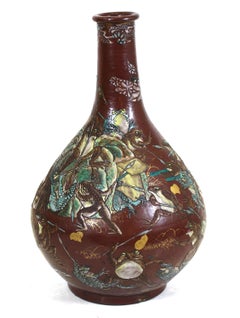
Japanese Meiji Satsuma Vase with Frogs at War
Located in Astoria, NY
Japanese Meiji period satsuma vase depicting a colorful frieze of frogs at war, parcel gilt, with
Ceramic
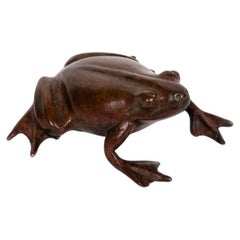
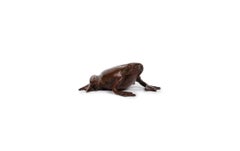
Japanese Tiny bronze frog
Located in PARIS, FR
Adorable tiny bronze frog in cast bronze with a splendid brownish patina, almost orange, lying on
Bronze
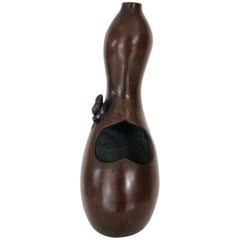
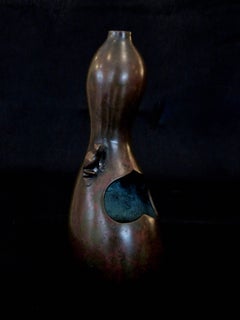
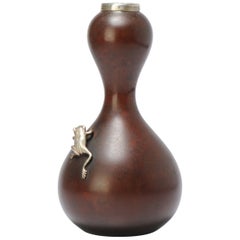
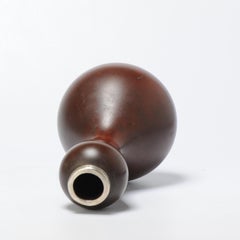
Japanese Gourd Shaped Bronze Vase with Frog
Located in Chicago, IL
body of the vase. Great patina and surface color. Meiji period. The frog being a symbol of good
Bronze
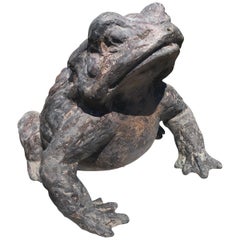
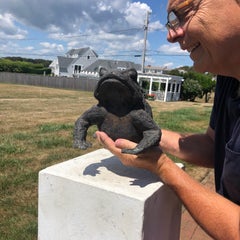
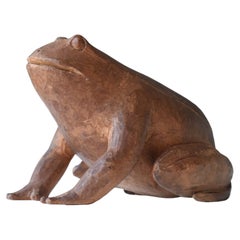
Japan Antique Bronze "Frog" Kaeru 100 Years Old
Located in South Burlington, VT
From our recent Japanese acquisitions Japan, a hard to find hand cast bronze frog -kaeru
Bronze

Sold
H 3.94 in W 4.14 in D 6.3 in
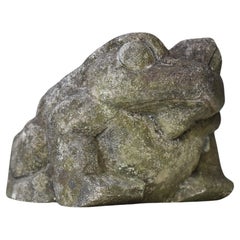
Japanese Antique Wood Carving Frog 1860s-1920s/sculpture Mingei Object
Located in Sammu-shi, Chiba
This is an old Japanese wood carving of a frog. This item is from the Meiji era. (1860s to 1920s
Cedar
Sold
H 4.93 in W 5.91 in D 7.09 in
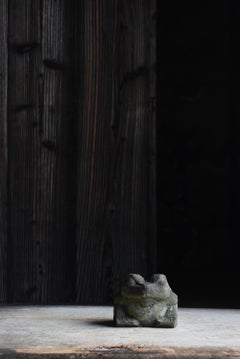
Japanese Antique Stone Statue Frog 1860s-1920s / Sculpture Wabisabi
Located in Chōsei District Nagara, JP
This is a stone carved frog made in Japan. It was made between the Meiji and Taisho periods (1860s
Stone
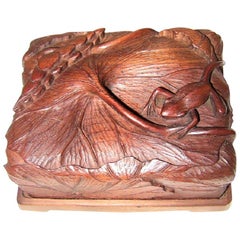
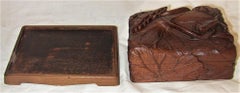
19th Century Japanese Carved Frog and Waterlily Wooden Box
Located in Dallas, TX
frog on a waterlily. The carving is 3 Dimensional, as the frog and stem of the lily are raised and
Hardwood
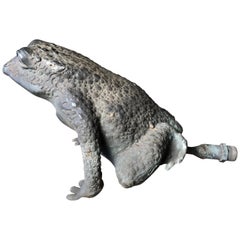
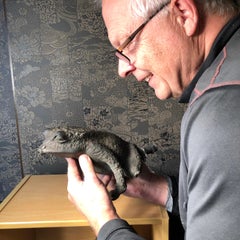
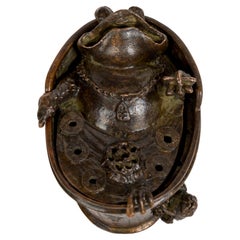
Japan Fine Antique Bronze "Frog" Fountain Kaeru 100 Years Old
Located in South Burlington, VT
From our recent Japanese acquisitions travels. Japan, a rare hand cast bronze frog -kaeru
Bronze

Sold
H 1.97 in W 2.37 in D 3.15 in
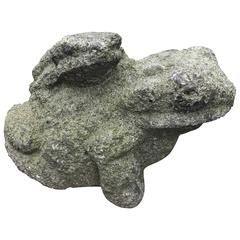
Bronze sculpture of an incens burner representing a frog taking its bath
Located in PARIS, FR
A small bronze sculpture of a frog represented in its bath soaking with a lotus root. It was
Bronze
Sold
H 10 in W 12 in D 8 in
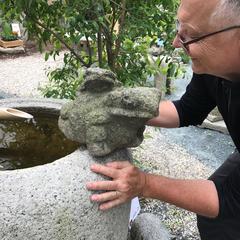
Unusul Japan Antique Stone Frog and Baby Bring Joy to Your Heart Garden and Soul
Located in South Burlington, VT
A delightful opportunity to acquire a rare Japanese hand-carved stone frog and baby frog sculpture
Granite

Sold
H 12.5 in W 6.5 in D 4.5 in
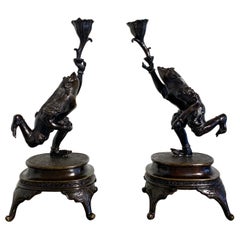
Pair Japanese Bronze Frog Warrior Candlesticks, Meiji Period, circa 1900, Japan
Located in Austin, TX
A fantastic and fabulous pair of Japanese cast bronze candlesticks in the form of armored frog
Bronze
Sold
H 0.79 in W 1.78 in D 1.97 in
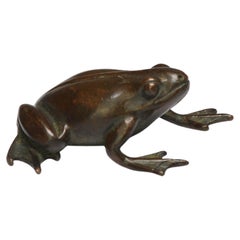
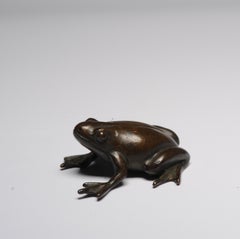
Antique Mini Okimono Bronze Japanese Statue of a Frog Meiji Japan Marked
Located in Amsterdam, Noord Holland
belly. A fine genuinely antique Japanese hand-wrought and hand cast copper frog Okimono sculpture
Bronze
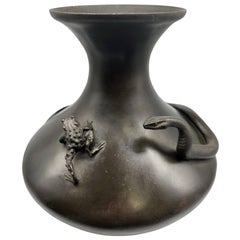
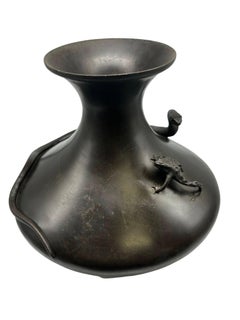
Meiji Era Hand Casted Japanese Bronze Vase of Snake & Hunting Frog
Located in Van Nuys, CA
This late 19th-century Meiji Era (1868-1912) Japanese bronze baluster vase with a flared neck
Bronze
Sold
H 7.49 in Dm 0.04 in
Antique Japanese Bronze Meiji Vases with a Frog Climbing Japan, 19th Century
Located in Amsterdam, Noord Holland
Wonderfull and nicely made artifact of high quality. Visible is a frog climbing on the body of the
Bronze
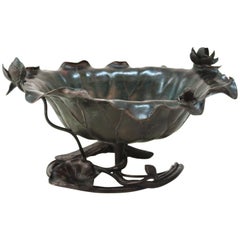
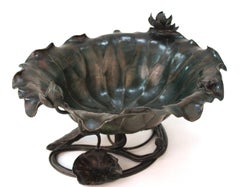
Japanese Meiji Bronze Ikebana Vessel in Leaf-Shape with Frog and Lotus
Located in Astoria, NY
Japanese Meiji period Art Nouveau bronze ikebana vessel or decorative bowl in shape of a leaf, with
Bronze
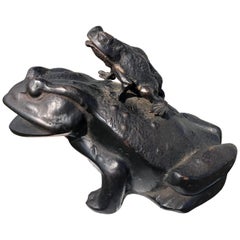

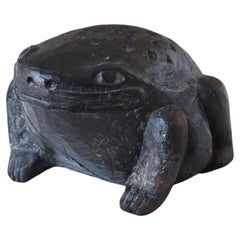
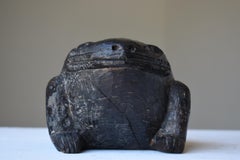
Japan Antique Bronze "Frog Family" Kaeru 100 Years Old
Located in South Burlington, VT
From our recent Japanese acquisitions Japan, a hard to find hand cast cute bronze frog family
Bronze
Sold
H 5.32 in W 6.7 in D 8.67 in
Japanese Antique Wood Carving Frog 1860s-1920s/Figurine Mingei Object Wabi-Sabi
Located in Sammu-shi, Chiba
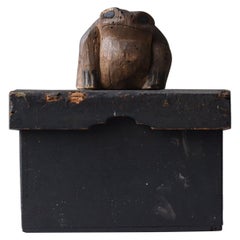
This is an old Japanese wooden carved frog. This wood carving is from the Meiji Era. (1860s-1920s
Wood
Sold
H 3.75 in W 4.34 in D 5.32 in
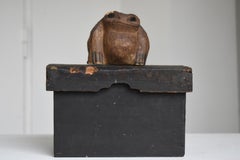
Japanese Old Wood Carving Frog with Box 1860s-1900s/Antique Figurine Wabisabi
Located in Sammu-shi, Chiba
It is an old Japanese frog wood carving. (With box D210mm x W250mm x H160mm) The era is the Meiji
Wood
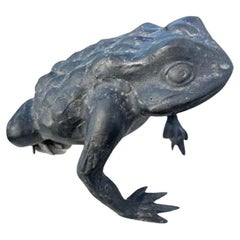

Japan Antique Cast Bronze Frog Toad Kaeru 100 Years Old
Located in South Burlington, VT
From our recent Japanese acquisitions Japan, a hard to find hand cast bronze frog or toad -kaeru
Bronze
Sold
H 1.58 in W 1.38 in D 6.5 in
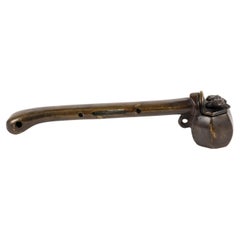
Japanese Bronze Yatate or writing kit adorned with a small Frog sculpture
Located in PARIS, FR
shape of a ladle. Here it is decorated with a frog. The frog (kaeru) is associated with luck and wealth
Bronze
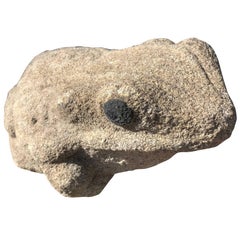

Burly Old Japanese Stone Frog Brings Joy to Your Heart, Garden and Soul
Located in South Burlington, VT
A delightful opportunity to acquire a rare Japanese hand-carved stone frog sculpture fresh from an
Granite
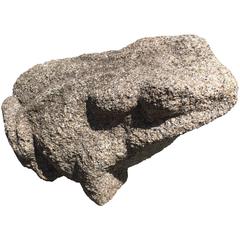

Burly Old Japan Stone Frog Brings Joy to Your Heart, Garden and Soul
Located in South Burlington, VT
A delightful opportunity to acquire a rare Japanese hand-carved stone frog sculpture fresh from an
Granite
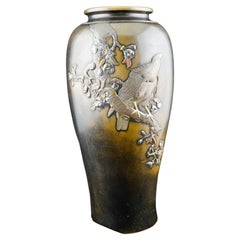
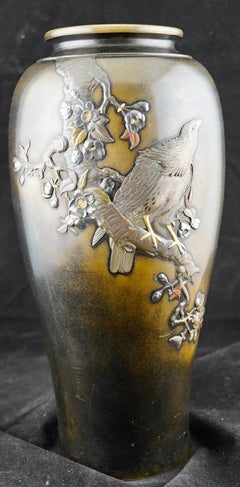
Japanese MIxed Metals and Bronze Meiji Period Vase by Nogawa
By Ando Jubei
Located in Sarasota, FL
Japanese mixed metal and bronze Meiji period finely cast and inlaid vase of an eagle in a tree. Marked for Nogawa workshop and signed by maker on the side.
Silver, Bronze
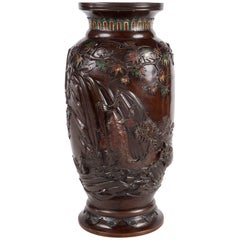
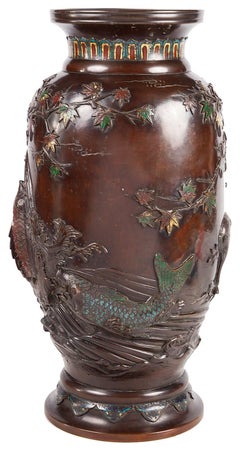
Meiji Period Japanese Bronze Enamel Vase
Located in Brighton, Sussex
A very impressive Japanese bronze and cloisonne enamel vase having raised decoration depicting a carp in the river, with a deer under a tree.
Bronze
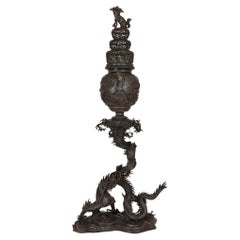
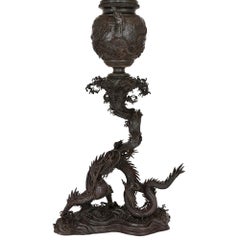
Large Patinated Bronze Japanese Koro Incense Burner
Located in London, GB
Large patinated bronze Japanese koro incense burner Japanese, late 19th Century Dimensions: Height 221cm, width 97cm, depth 57cm This monumental koro is modelled from patinated ...
Bronze
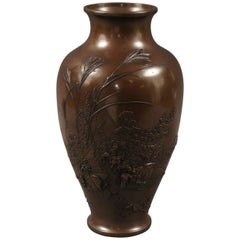
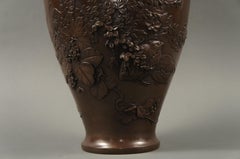
Meiji Period Japanese Bronze Vase with Grasses and Quail Design
Located in Hudson, NY
Meiji Japanese bronze vase with grasses and Quail design, Meiji period (1868-1912) bronze vase with elaborate raised design of wild grasses, flowers, and vine partially hiding a pair...
Bronze
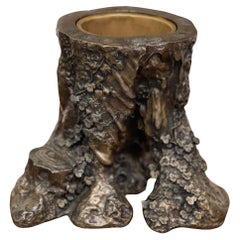
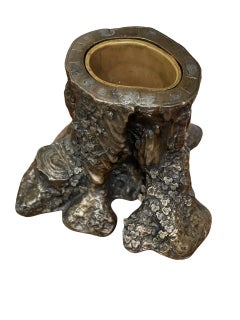
19th Century 'Meiji Period' Japanese Bronze Vase
Located in North Miami, FL
19th Century (Meiji Period) Japanese bronze vase. It is realistically cast as a gnarled pine tree trunk with vines growing around it.
Bronze
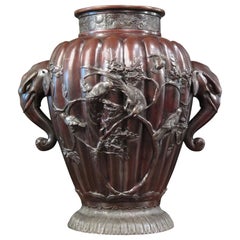
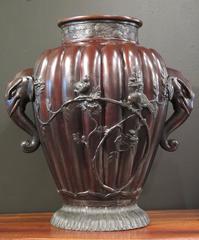
Massive Japanese Meiji Period Bronze Vase, Late 19th Century, Japan
Located in Austin, TX
A very large Meiji period bronze vase, possibly for temple use, with high relief design and elephant head handles, late 19th century, Japan. Of baluster form and unusual size, yet ...
Bronze
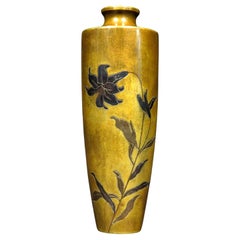
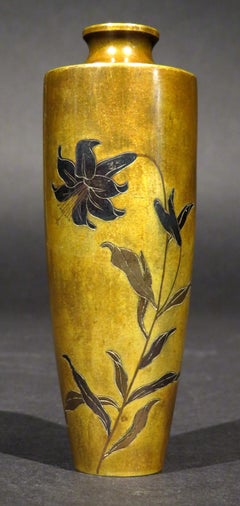
An Extremely Fine 19th C. Miniature Japanese Mixed Metal Bronze Cylinder Vase
Located in Ottawa, Ontario
The diminutive & finely proportioned cylinder-shaped body illustrating a naturalistic motif of a silvered lily blossom issuing from a leafy stem, decorated with both Shibuichi &a...
Gold, Silver, Bronze, Copper
From 1868 to 1912, Emperor Mutsuhito oversaw an era of transformation in Japan. Formerly a country of feudalism and isolation, Japan entered an age of modernization influenced by newly established trade and exchange with the West. The Meiji period, or period of “enlightened rule,” also saw the global impact of the East Asian country’s culture. Japanese Meiji furniture was exhibited at expositions from Paris to San Francisco and created for export.
Prior to the Meiji era, furniture was mostly made by commission for the ruling class; now there were new domestic and international markets. European styles like Japonisme appropriated Japanese design while craftsmen in places like Wales and England employed japanning, a varnishing technique that approximated the appearance of lacquer for the surfaces of furnishings.
Meiji furniture made for Japanese homes and buildings constructed in Western styles resulted in taller tables, chairs, cabinets with large drawers and other features. The government invested in areas such as transportation and communication, and because people could freely choose occupations after the restrictions of feudalism, industries of various types were energized by expressive new ideas during those years. Art schools were formed and, for the first time, design was an area of study in the country, leading to the evolution of professional design as a career by the 1890s.
The work of Japanese designers was transmitted widely through lavishly illustrated pattern books that included designs for screens and lacquerware for the home. While screens today may be of use as decorative accents or partitions to ensure privacy in one’s space, Japanese screens were adorned with paintings and were featured in performing arts such as concerts, tea ceremonies and more. The color illustrations that characterize Meiji woodblock prints, a genre of Japanese art that grew out of 17th-century developments in printing and book publishing, depicted the sweeping changes that the era brought to East Asia.
Although it was a time of societal and cultural shifts, a bolstered interest in art and design elevated Japanese craft traditions. From colorful porcelain table lamps with silk shades and hardwood tables decorated with dark lacquer to cabinets featuring iron hardware and inlaid with mother-of-pearl, Meiji furniture showcased Japan’s artistic heritage to the world.
Find a collection of antique Japanese Meiji period case pieces and storage cabinets, decorative objects, wall decorations and more furniture on 1stDibs.