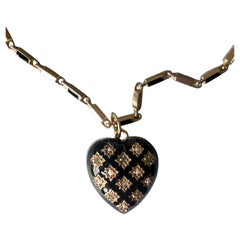
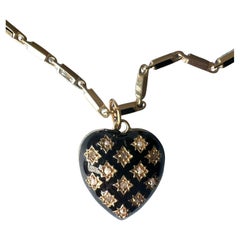
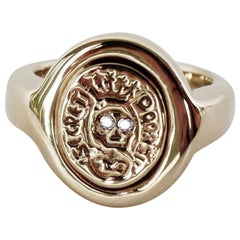
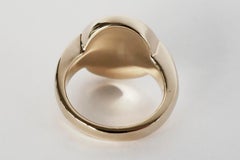
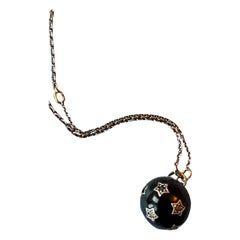
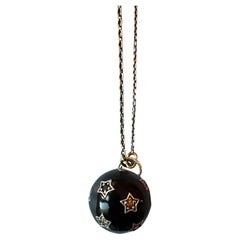
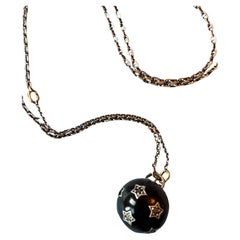
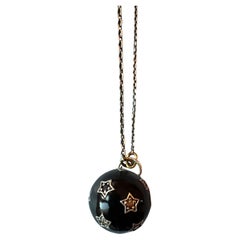
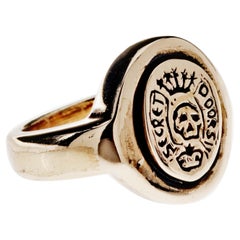
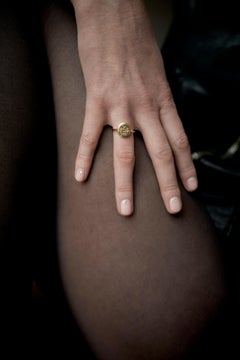
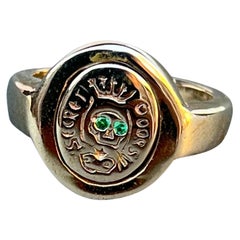
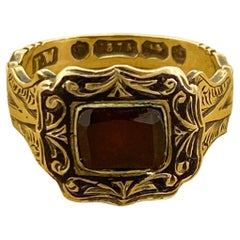
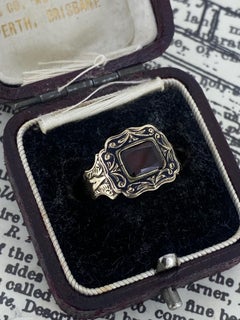
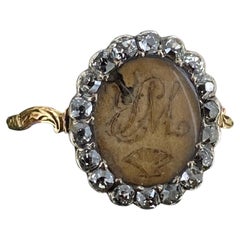
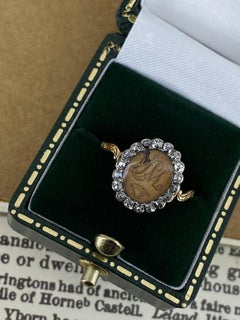
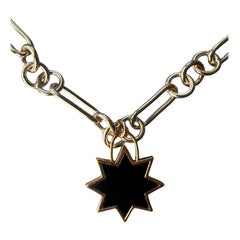
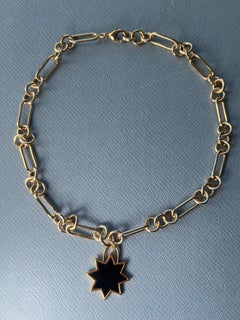
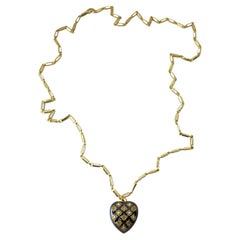
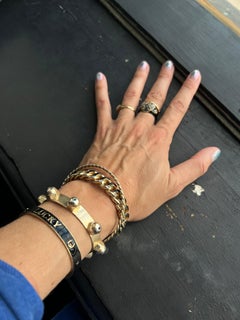
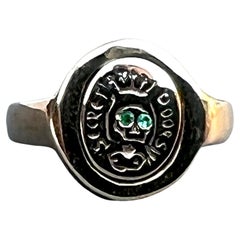
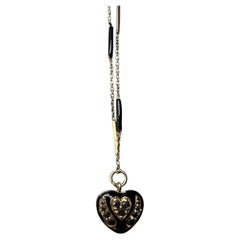
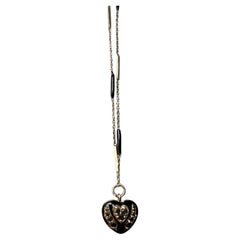
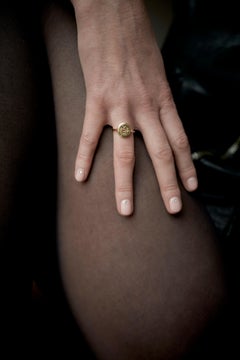
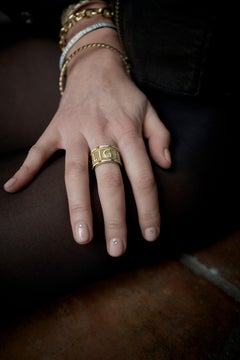
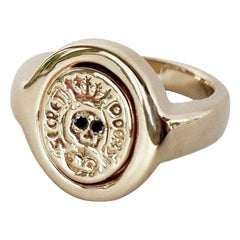
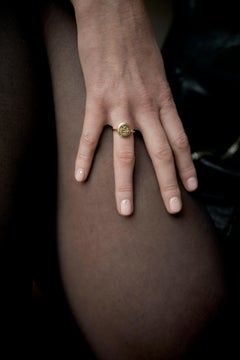
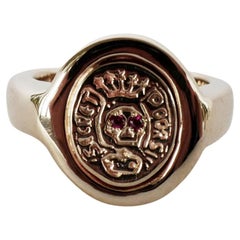
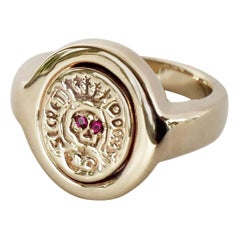
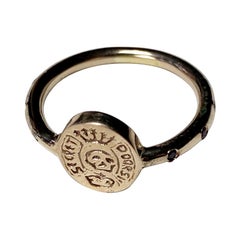
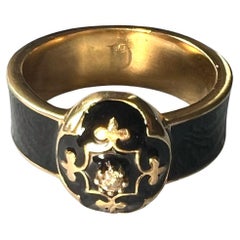
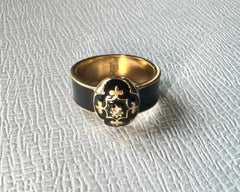
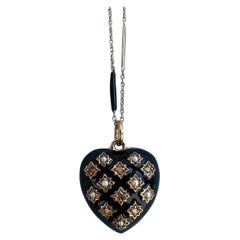
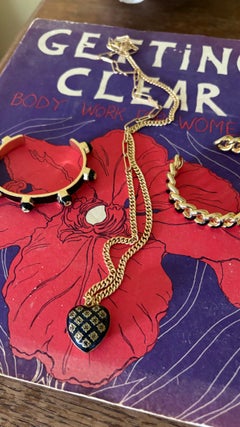
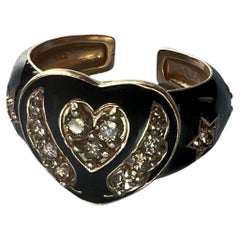
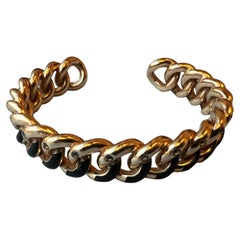
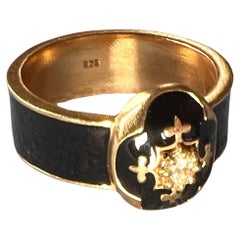
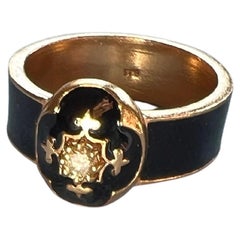
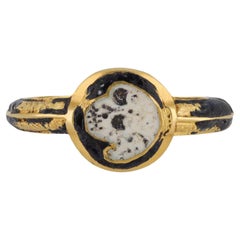
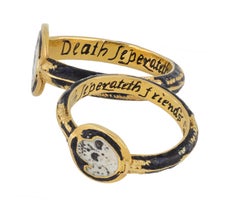
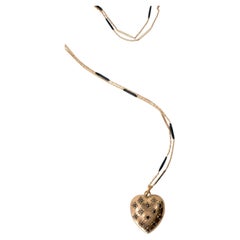
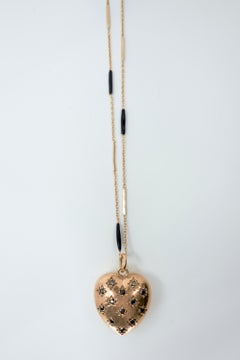
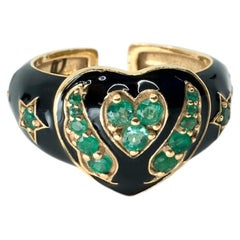
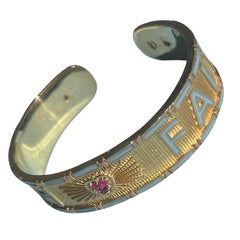
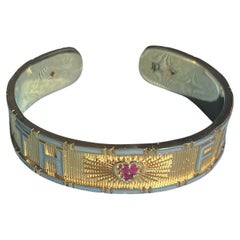
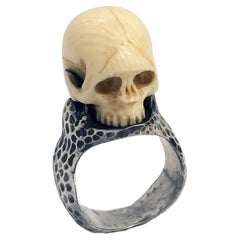
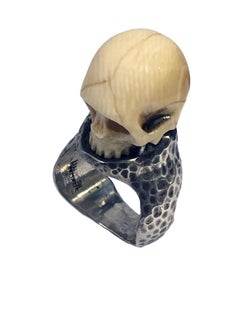
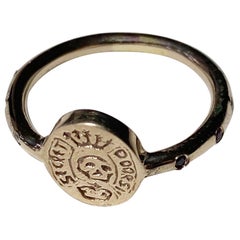
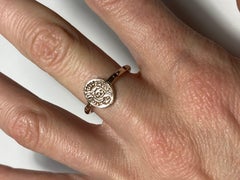
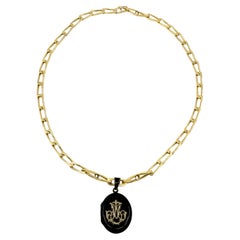
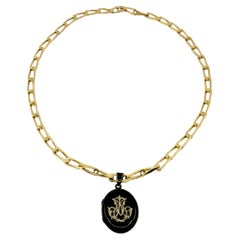
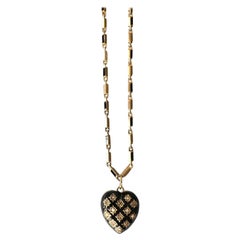
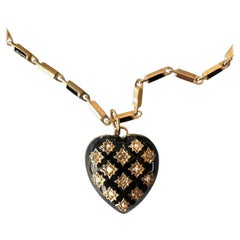
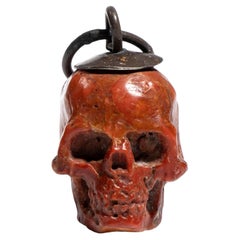
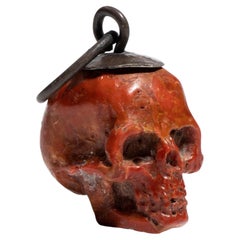
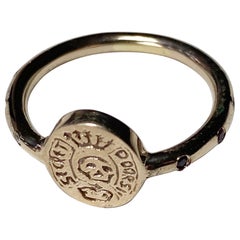
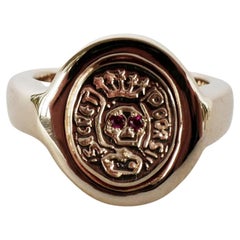
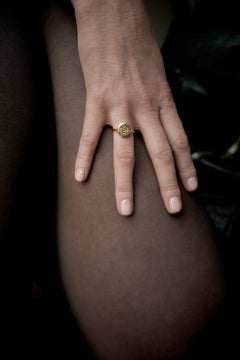
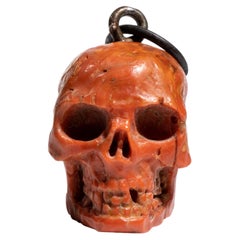
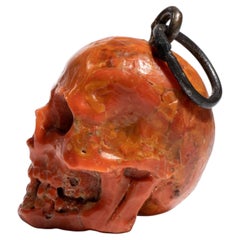
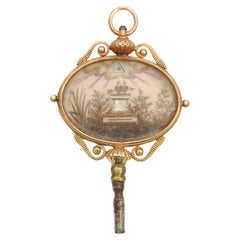
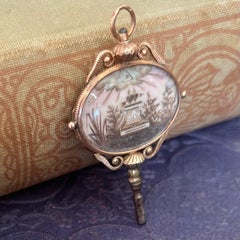
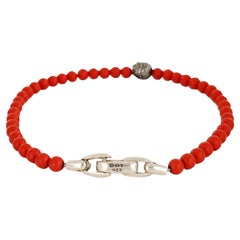
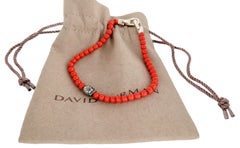
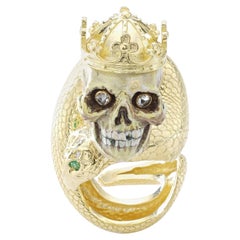
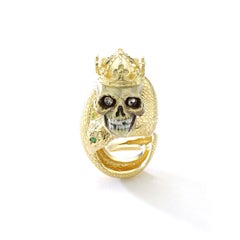
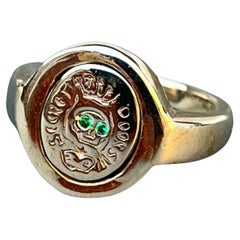
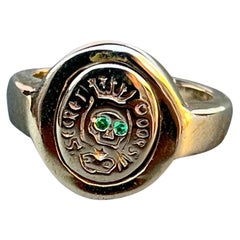
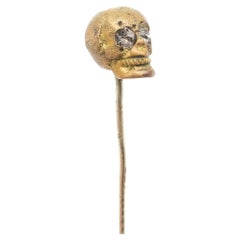
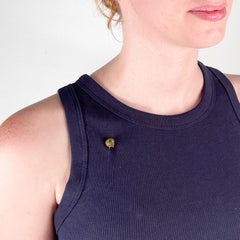
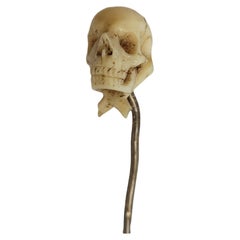
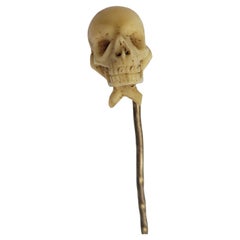
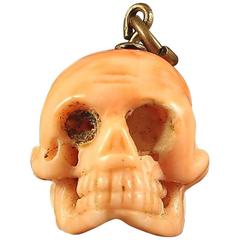
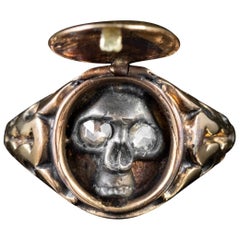
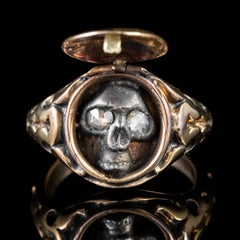
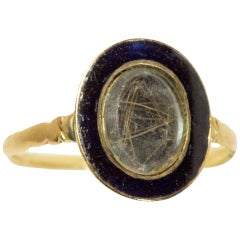
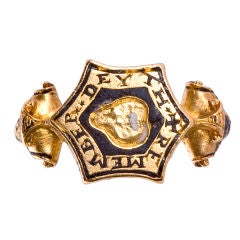
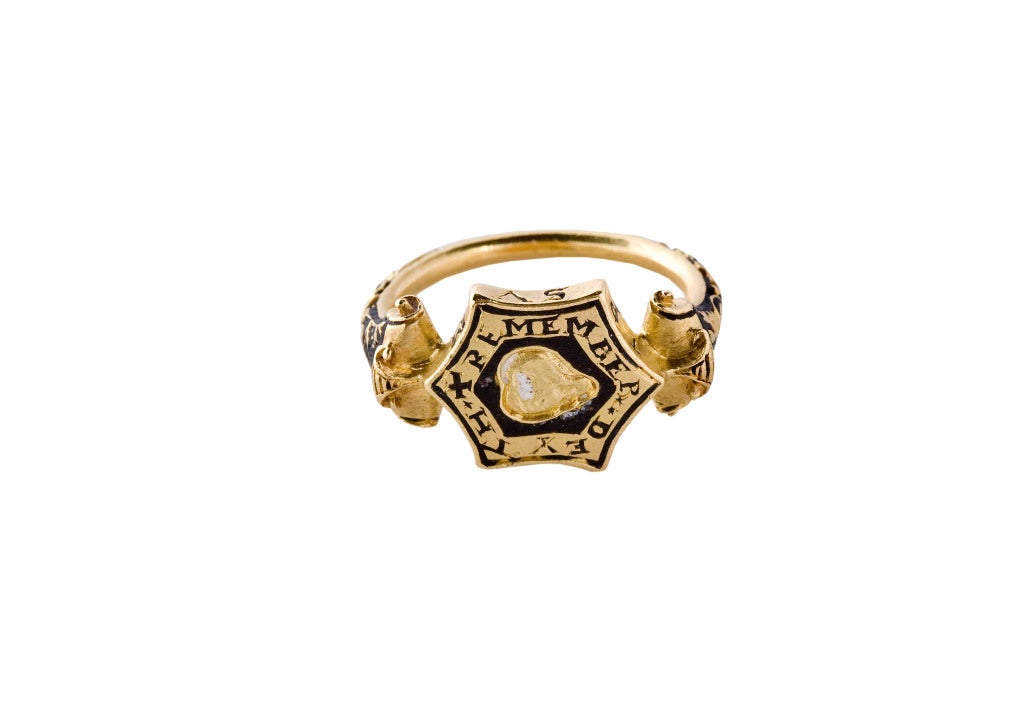
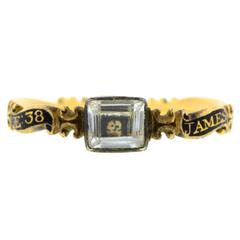
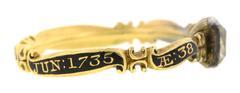
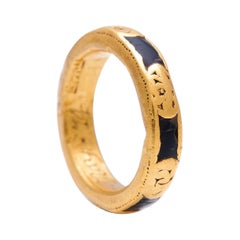
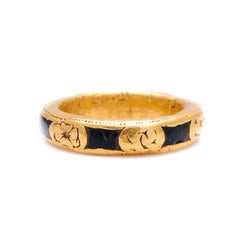
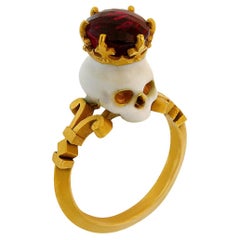
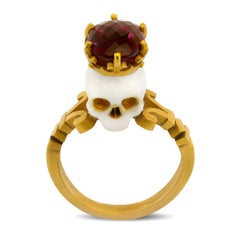
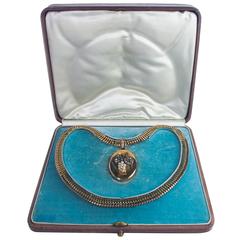
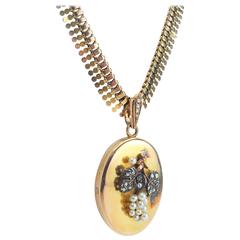
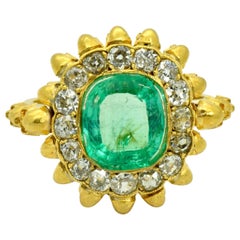
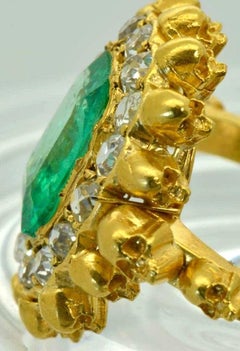
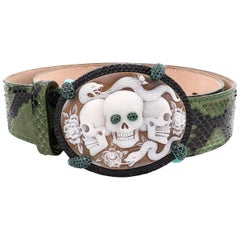
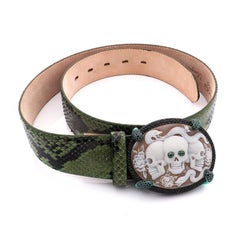
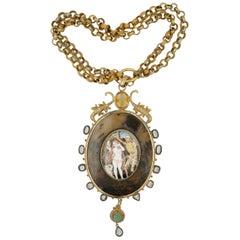
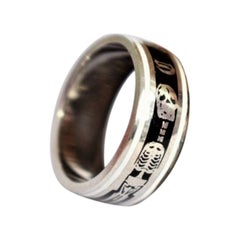
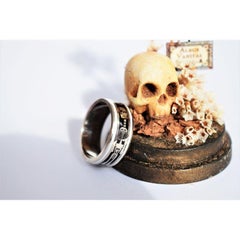
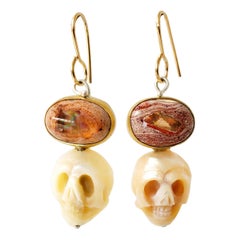
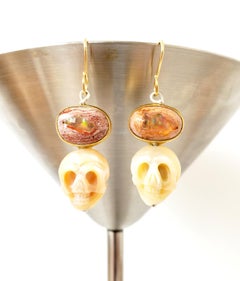
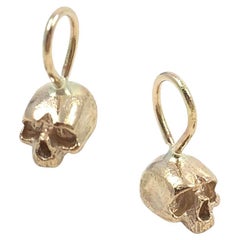
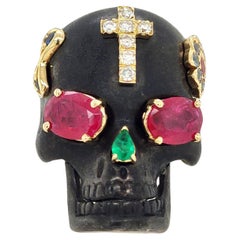
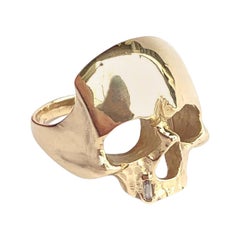
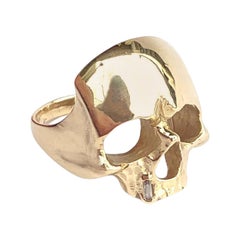
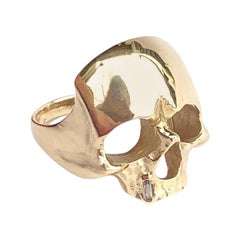
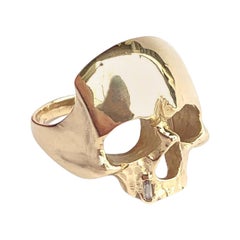
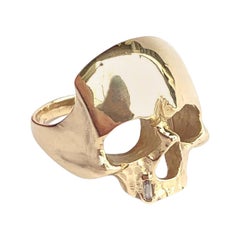
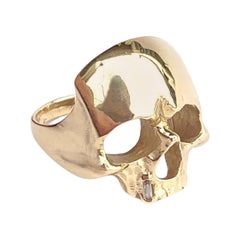
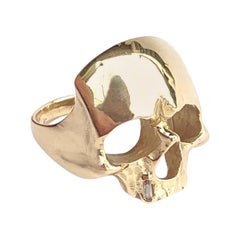
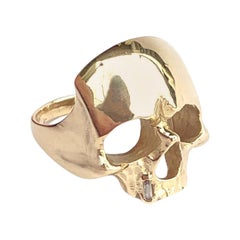
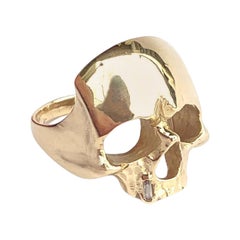
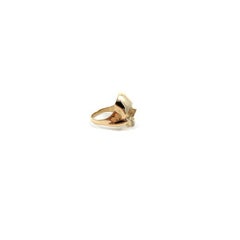
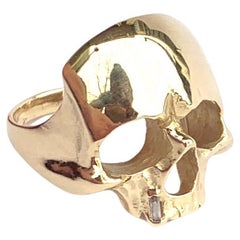
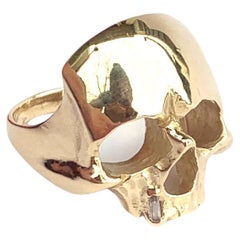
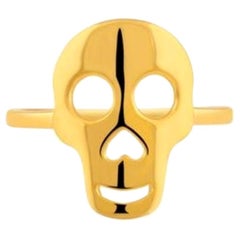
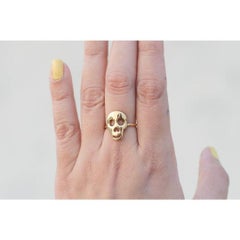
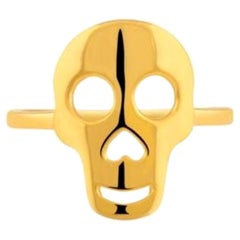
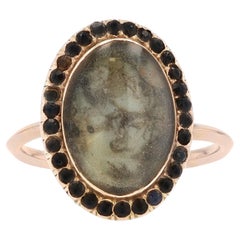
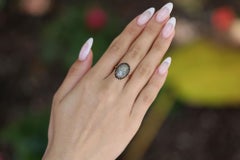
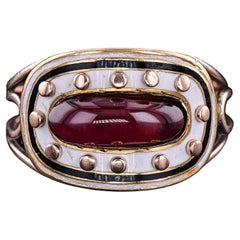
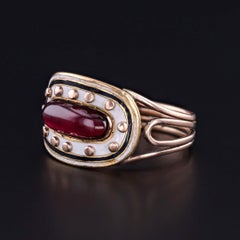
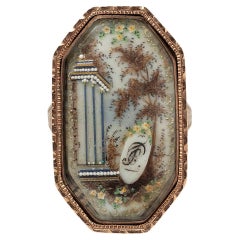
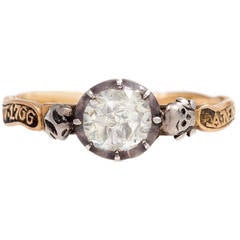
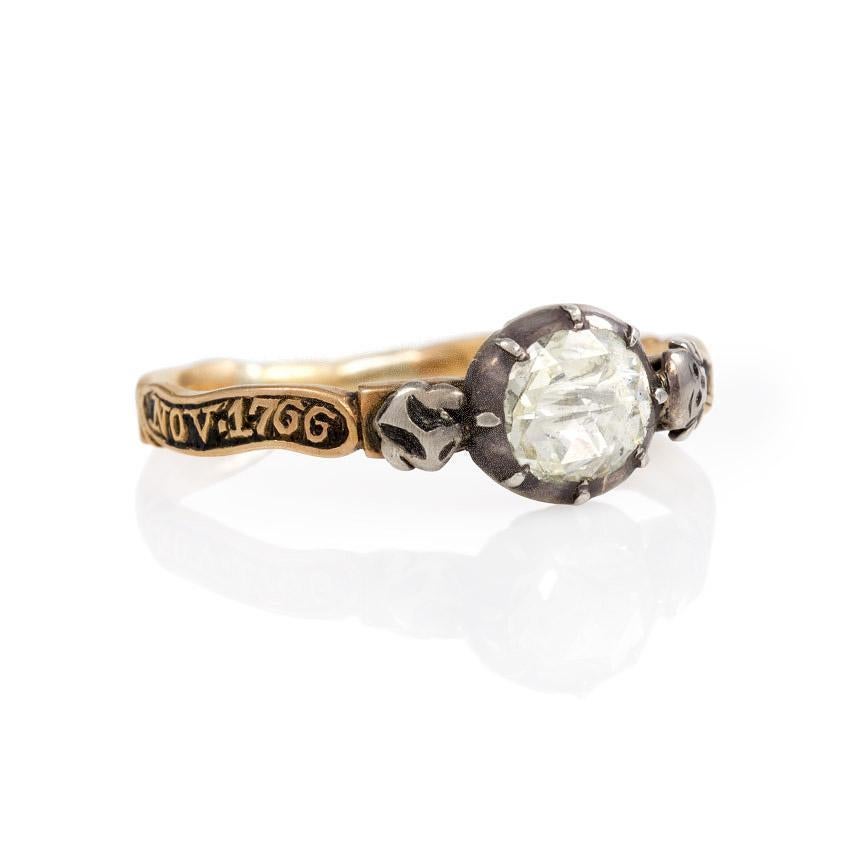
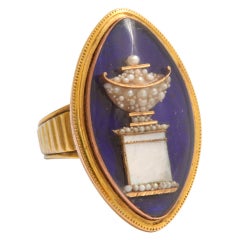
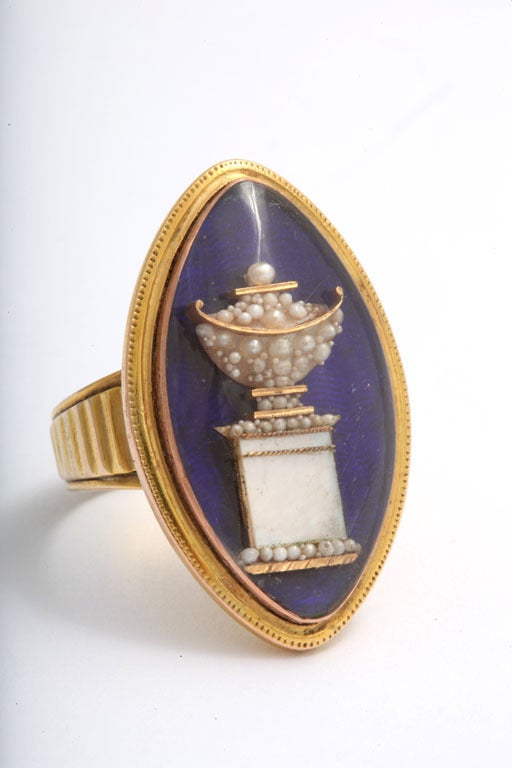
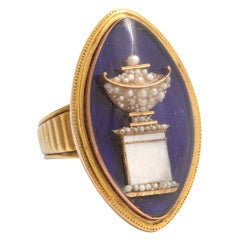
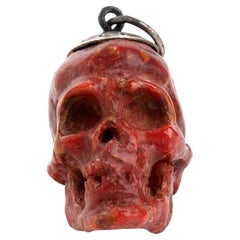
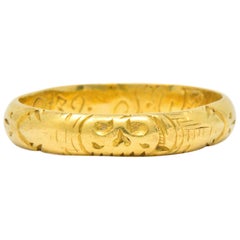
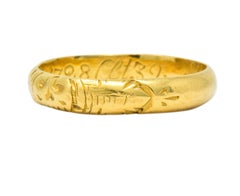
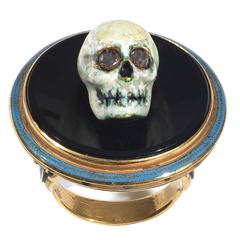
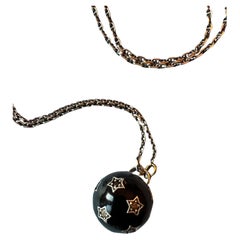
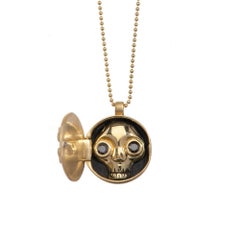
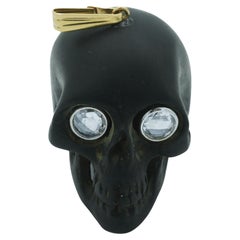
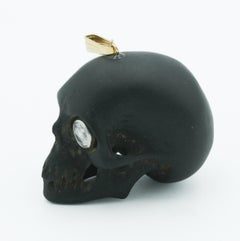
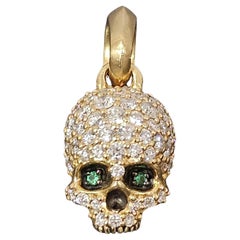
Memento mori and mourning jewelry are often lumped together, but they’re actually quite different, if not in style, then in purpose. While memento mori pieces serve as reminders of death in general, each item of mourning jewelry was designed or customized as a remembrance of a specific person.
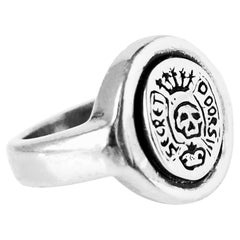
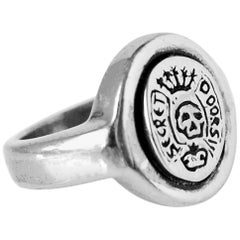
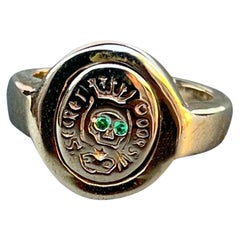
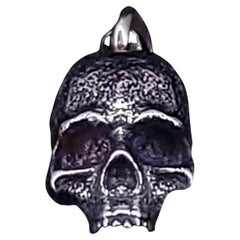
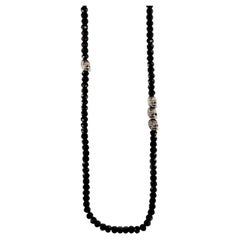
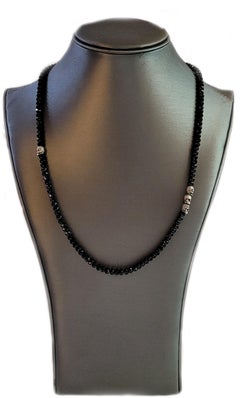
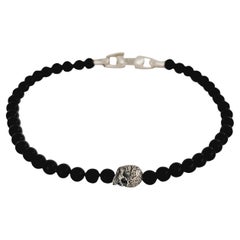
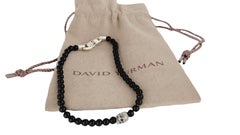
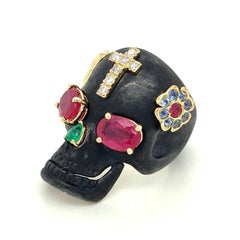
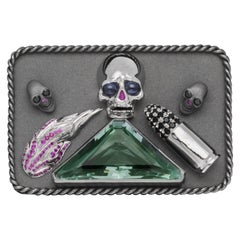
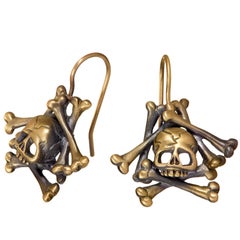
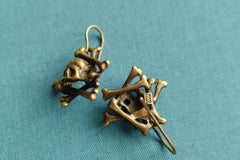
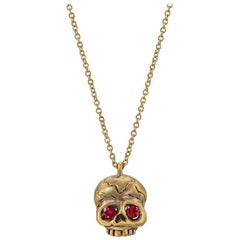
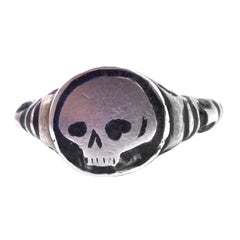
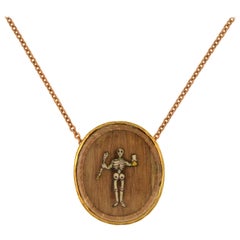
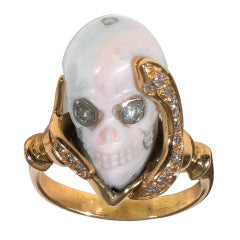
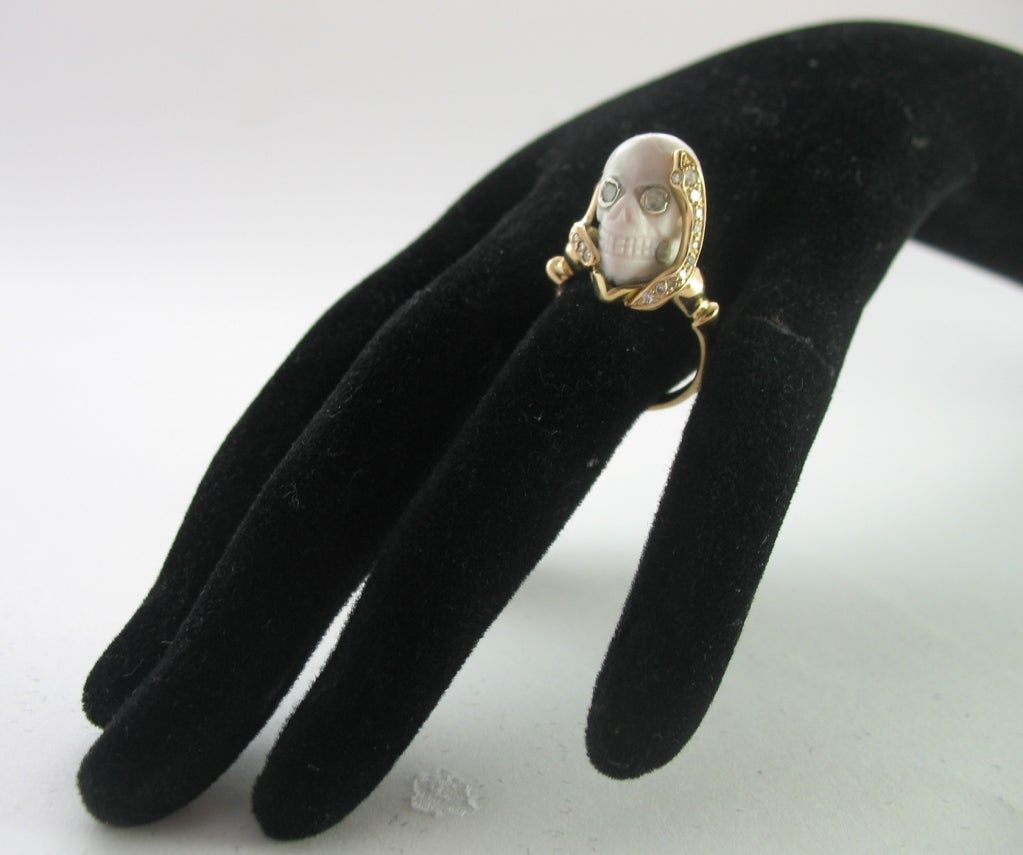
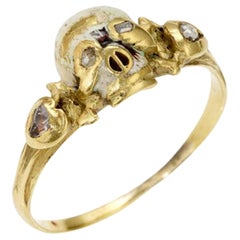
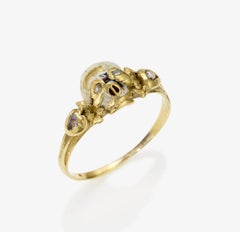
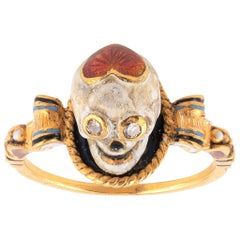
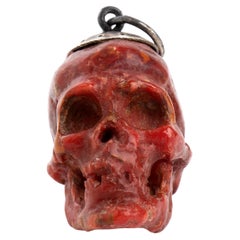
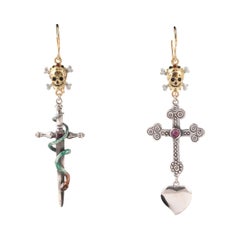
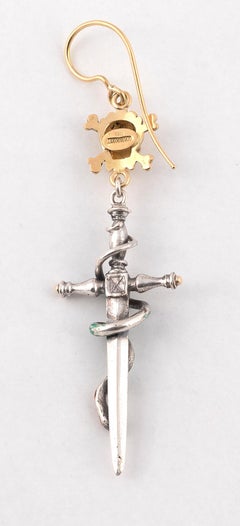
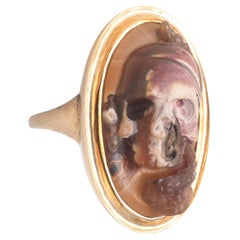
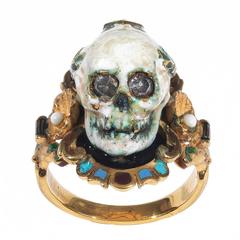
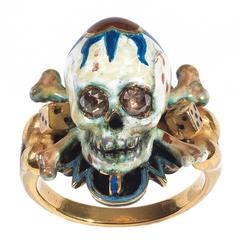
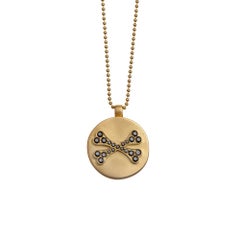
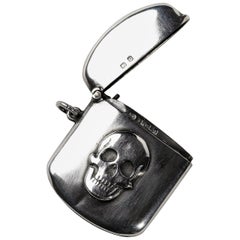
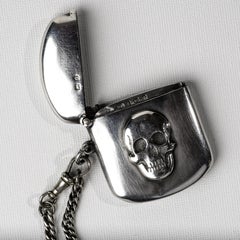
“Remember that you must die.” Translated from Latin, this is the meaning of memento mori, a message that spurred a style of jewelry. Dating as far back at the 16th century, memento mori jewelry is designed to remind wearers of their mortality, with designs that incorporate symbols of death like skulls and crossbones, coffins and snakes. Given the relatively short life expectancies for people at that time, did people need a reminder that they were going to die (and probably sooner than later)?
“Memento mori jewelry was rooted in deeply held Christian belief and the concept of a judgement day,” says Lindsay Salmon, part of the duo behind jewelry line Erica Weiner, which offers both original designs and antique pieces. “Wearing a piece of this jewelry is a constant physical and visual reminder that one day you will die, and when you do, you will be held to account for your sins. In other words, lead a virtuous life or spend an eternity damned to the fires of hell." She also says the jewelry tends to fascinate people, and it can be their entry point into the world of antique jewelry and collecting.
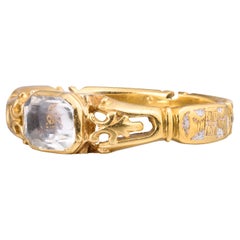
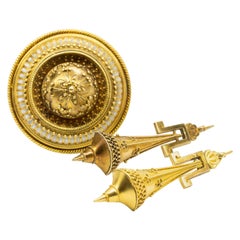
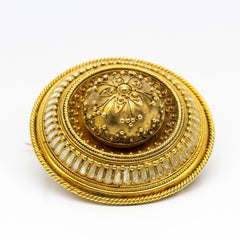
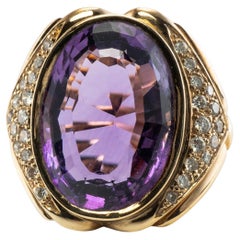
Salmon, a collector of mourning jewelry, says she wears her acquisitions often, which include an 18th-century full-body skeleton ring and a Victorian wide gold ‘In Memory Of’ band with a woman’s wedding band encased in the interior. (The Grand period of Victorian jewelry is most often associated with mourning jewelry.) “I have a beautiful Georgian mourning ring with lovely enamel work and amethysts that had had its original dedication removed, she says. “I bought the ring despite its missing information, and later had it engraved for my father.”
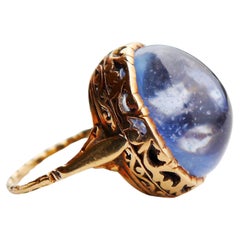
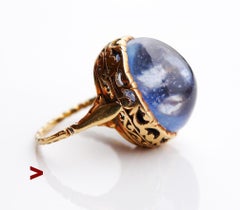
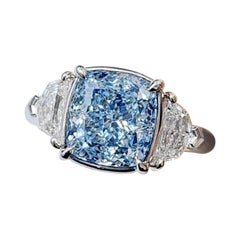
Find a range of antique and vintage memento mori jewelry on 1stDibs.