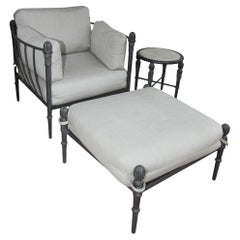
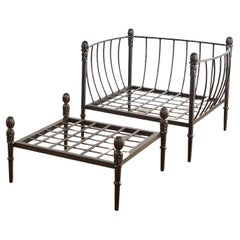
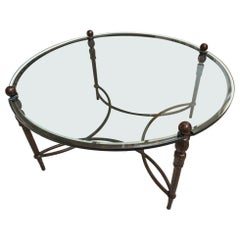
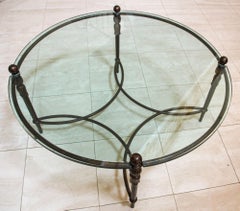
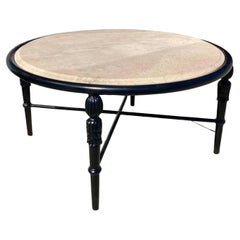
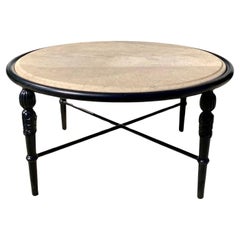
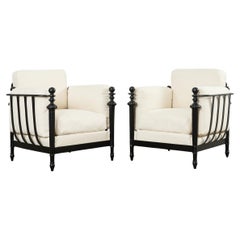
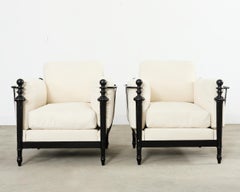
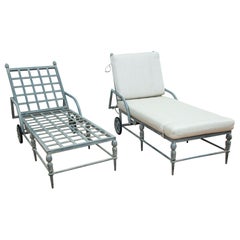
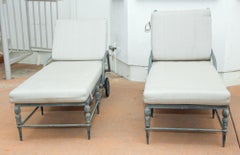
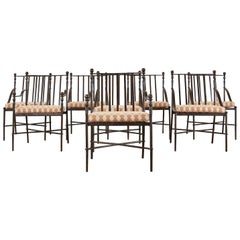
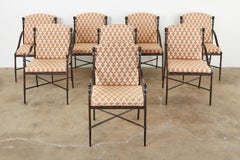
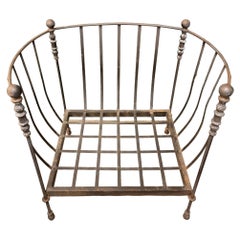
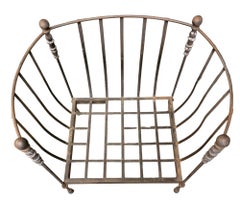
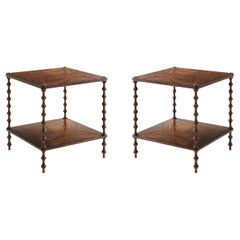
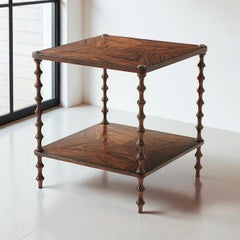
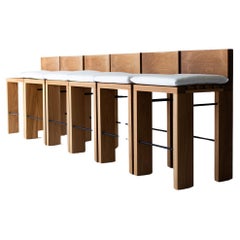
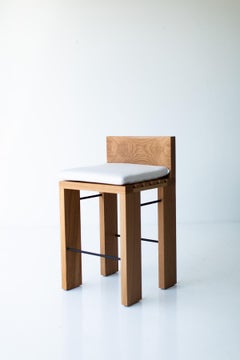
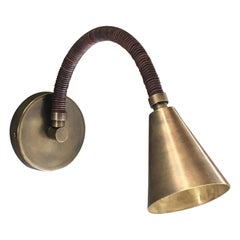
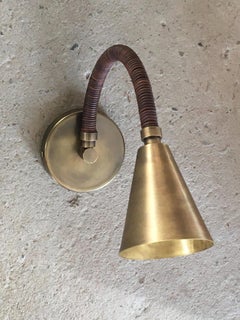
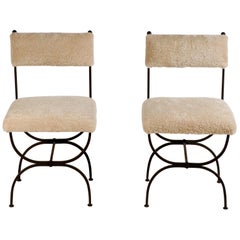
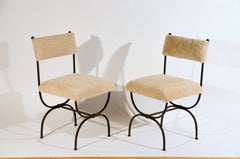
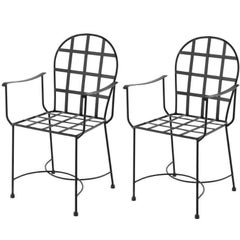
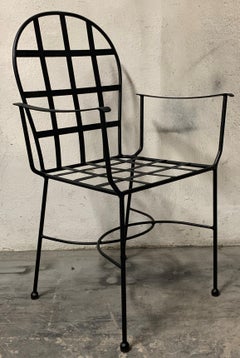
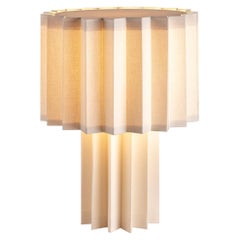
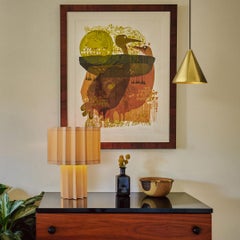
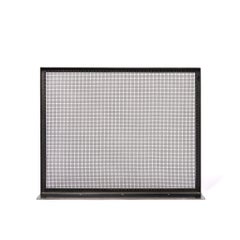
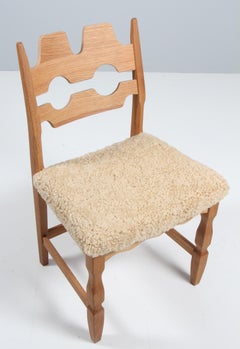
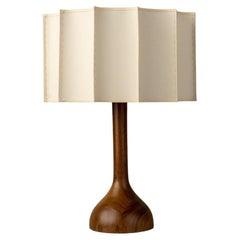
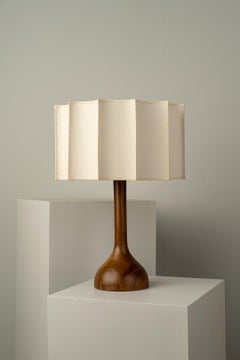
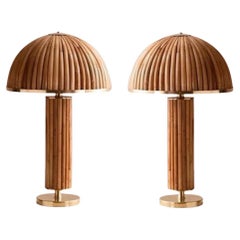
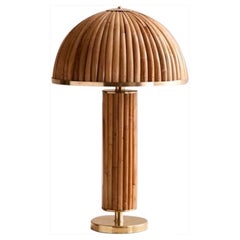
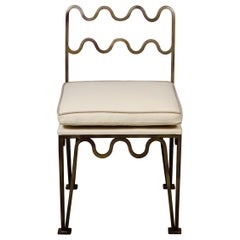
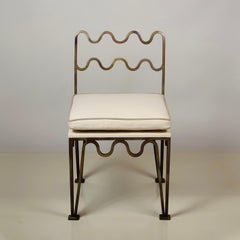
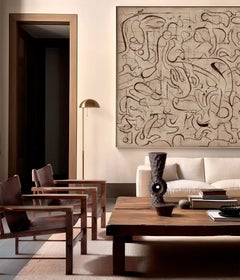
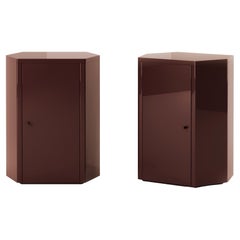
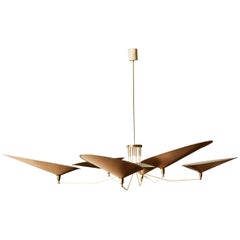
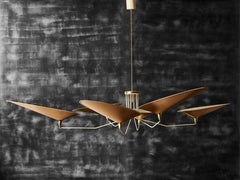
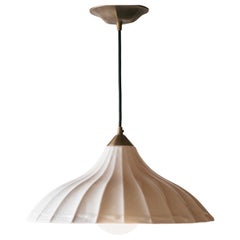
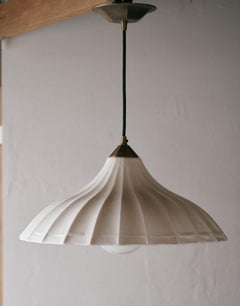
Find many varieties of an authentic michael taylor montecito style available at 1stDibs. Frequently made of
metal,
aluminum and
fabric, every michael taylor montecito style was constructed with great care. There are many kinds of the michael taylor montecito style you’re looking for, from those produced as long ago as the 20th Century to those made as recently as the 21st Century. A michael taylor montecito style is a generally popular piece of furniture, but those created in
neoclassical styles are sought with frequency. Many designers have produced at least one well-made michael taylor montecito style over the years, but those crafted by
Michael Taylor are often thought to be among the most beautiful.
A michael taylor montecito style can differ in price owing to various characteristics — the average selling price 1stDibs is $9,400, while the lowest priced sells for $4,500 and the highest can go for as much as $20,000.
Neoclassical design emerged in Europe in the 1750s, as the Age of Enlightenment reached full flower. Neoclassical furniture took its cues from the styles of ancient Rome and Athens: symmetrical, ordered, dignified forms with such details as tapered and fluted chair and table legs, backrest finials and scrolled arms.
Over a period of some 20 years, first in France and later in Britain, neoclassical design — also known as Louis XVI, or Louis Seize — would supersede the lithe and curvaceous Rococo or Louis XV style.
The first half of the 18th century had seen a rebirth of interest in classical antiquity. The "Grand Tour" of Europe, codified as a part of the proper education of a patrician gentleman, included an extended visit to Rome. Some ventured further, to sketch the ruins of ancient Greece. These drawings and others — particularly those derived from the surprising and rich archaeological discoveries in the 1730s and ’40s at the sites of the Roman cities of Pompeii and Herculaneum — caused great excitement among intellectuals and aesthetes alike.
Neoclassical furniture is meant to reflect both grace and power. The overall appearance of neoclassical chairs, tables and cabinetry is strong and rectilinear. These pieces are, in effect, classical architecture in miniature: chair and table legs are shaped like columns; cabinets are constructed with elements that mirror friezes and pediments.
Yet neoclassicism is enlivened by gilt and silver leaf, marquetry, and carved and applied ornamental motifs based on Greek and Roman sculpture: acanthus leaves, garlands, laurel wreaths, sheaves of arrow, medallions and chair splats are carved in the shapes of lyres and urns. Ormolu — or elaborate bronze gilding — was essential to French design in the 18th and 19th centuries as a cornerstone of the neoclassical and Empire styles.
As you can see from the furniture on these pages, there is a bit of whimsy in such stately pieces — a touch of lightness that will always keep neoclassicism fresh.
Find antique neoclassical furniture today on 1stDibs.