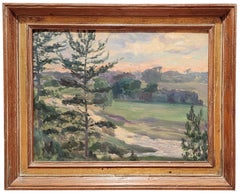
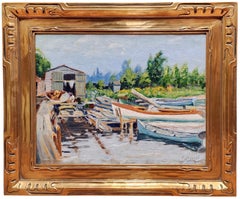
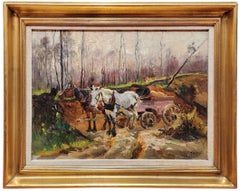
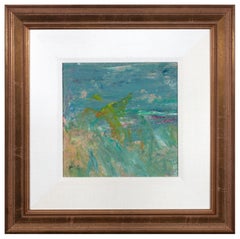
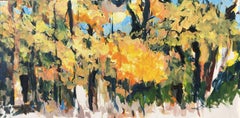
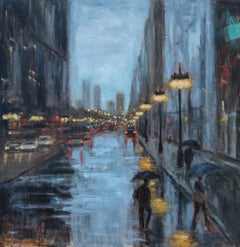
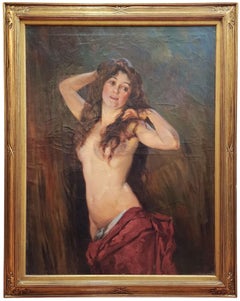
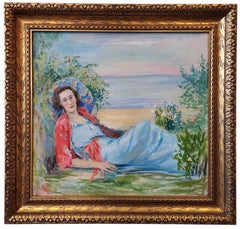
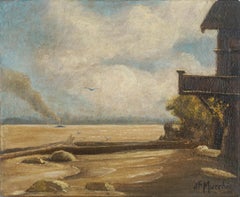
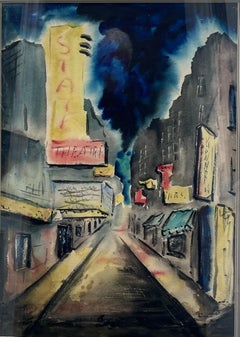
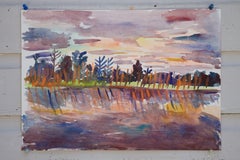
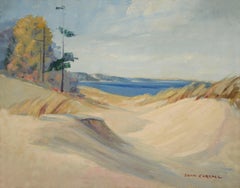
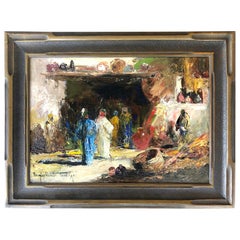
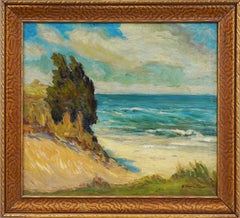
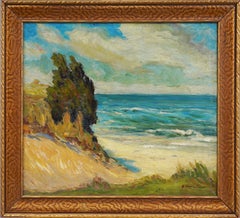
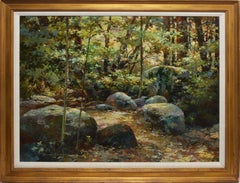
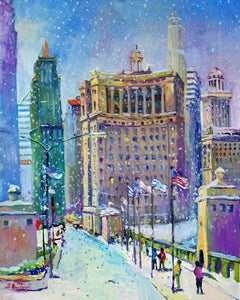
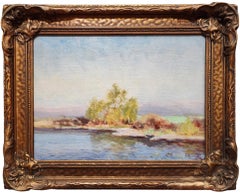
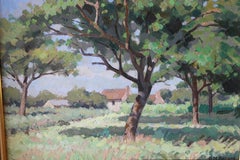
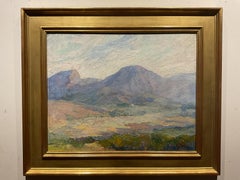
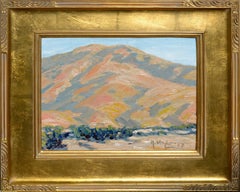
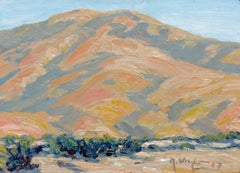
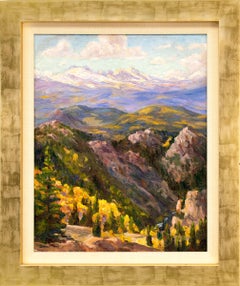
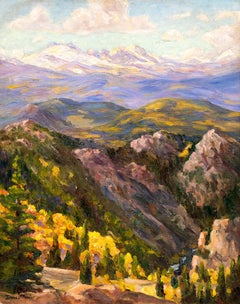
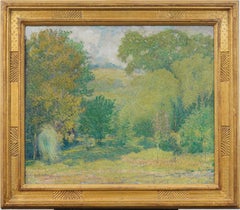
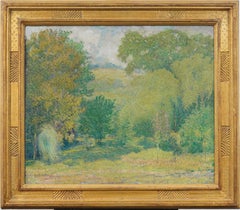
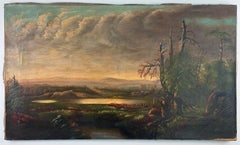
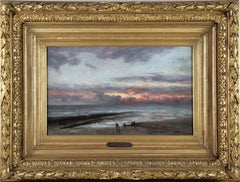
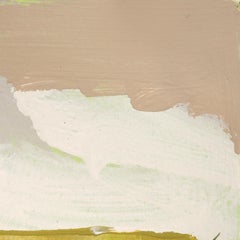
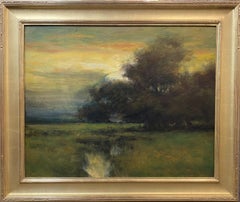
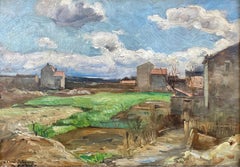
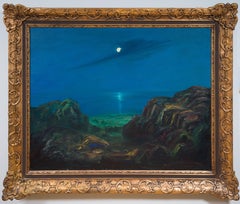
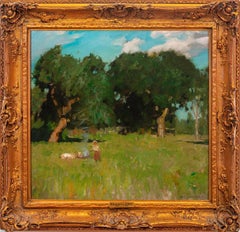
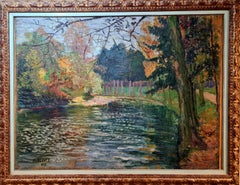
Find the exact michigan impressionist you’re shopping for in the variety available on 1stDibs. You can easily find an example made in the
abstract style, while we also have 30
abstract versions to choose from as well. If you’re looking for a michigan impressionist from a specific time period, our collection is diverse and broad-ranging, and you’ll find at least one that dates back to the 19th Century while another version may have been produced as recently as the 21st Century. On 1stDibs, the right michigan impressionist is waiting for you and the choices span a range of colors that includes
gray,
brown,
beige and
blue. Finding an appealing michigan impressionist — no matter the origin — is easy, but
Ian Hornak,
Tina Orsolic Dalessio,
Jon Blanchette,
Burgoyne Diller and
Melanie Parke each produced popular versions that are worth a look. Artworks like these — often created in
paint,
oil paint and
fabric — can elevate any room of your home.
A michigan impressionist can differ in price owing to various characteristics — the average selling price for items in our inventory is $2,800, while the lowest priced sells for $200 and the highest can go for as much as $885,000.
Painting is an art form that has spanned innumerable cultures, with artists using the medium to tell stories, explore and communicate ideas and express themselves. To bring abstract paintings, landscape paintings, still-life paintings and other original paintings into your home is to celebrate and share in the long tradition of this discipline.
When we look at paintings, particularly those that originated in the past, we learn about history, other cultures and countries of the world. Like every other work of art, paintings — whether they are contemporary creations or works that were made during the 19th century — can often help us clearly see and understand the world around us in a meaningful and interesting way.
Cave walls were the canvases for what were arguably the world’s first landscape paintings, which depict natural scenery through art. Portrait paintings and drawings, which, along with sculpture, were how someone’s appearance was recorded prior to the advent of photography, are at least as old as Ancient Egypt. In the Netherlands, landscapes were a major theme for painters as early as the 1500s. Later, artists in Greece, Rome and elsewhere created vast wall paintings to decorate stately homes, churches and tombs.
Today, creating a wall of art is a wonderful way to enhance your space, showcase beautiful pieces and tie an interior design together.
No matter your preference, whether you favor Post-Impressionist paintings, animal paintings, Surrealism, Pop art or another movement or specific period, arranging art on a blank wall allows you to evoke emotions in a room while also showing off your tastes and interests. A symmetrical wall arrangement may comprise a grid of four to six pieces or, for an odd number of works, a horizontal row. Asymmetrical arrangements, which may be small clusters of art or large, salon-style gallery walls, have a more collected and eclectic feel.
Download the 1stDibs app, which includes a handy “View on Wall” feature that allows you to see how a particular artwork will look on a particular wall, and read about how to arrange wall art. And if you’re searching for the perfect palette for your interior design project, what better place to turn than to the art world’s masters of color?
On 1stDibs, you’ll find an expansive collection of paintings and other fine art for your home or office. Browse abstract paintings, portrait paintings, paintings by emerging artists and more today.