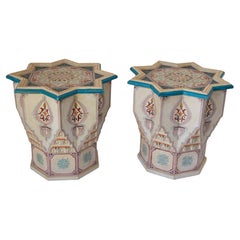
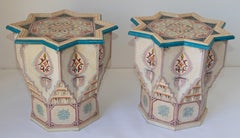
Moroccan Moorish Star Shape Ivory Side Tables a Pair
Located in Moreno Valley, CA
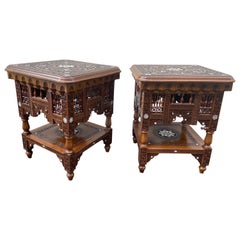
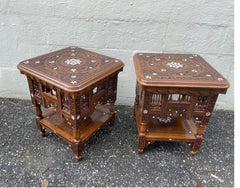
Very decorative Moroccan drinks tables with fine artwork on a star shape base.
Category
20th Century Moroccan Moorish Side Tables
Materials
Wood
Moroccan Moorish Star Shape Ivory Side Tables a Pair
Located in Moreno Valley, CA
Very decorative Moroccan drinks tables with fine artwork on a star shape base.
Wood
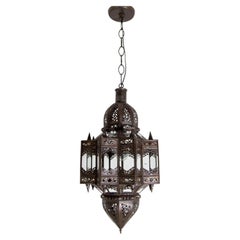
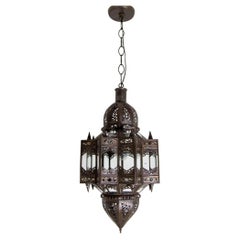
Vintage Moroccan Moorish Star Clear Glass & Pierced Metal Lantern, Marrakech
By Berber Tribes of Morocco
Located in Moreno Valley, CA
A striking vintage Moroccan Moorish hanging lantern, handcrafted in Marrakech circa 1999, featuring a sculptural star-form body of clear glass and intricately pierced metalwork with ...
Glass
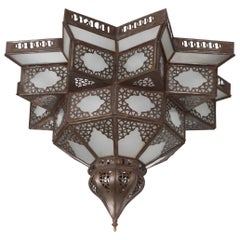
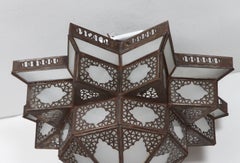
Moroccan Moorish Star Shape Frosted Glass Lantern Light Shade
Located in Moreno Valley, CA
Moroccan hanging glass star shape lantern pendant shade. handcrafted Moroccan Spanish style metal frame and frosted glass with delicate Moorish filigree metal work on this hanging st...
Metal
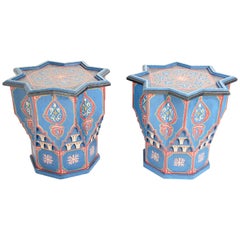
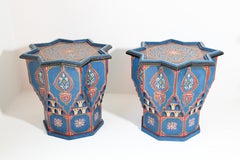
Moroccan Moorish Star Shape Blue Pair of Side Drinks tables 1960s
By Berber Tribes of Morocco
Located in Moreno Valley, CA
Pair of Moroccan colorful blue hand painted and carved side occasional table with Moorish Islamic designs.
Wood
$1,450 / item
Moroccan Hanging Glass Lantern in Moorish Star Shape
By Berber Tribes of Morocco
Located in Moreno Valley, CA
Vintage Moroccan Moorish star shape clear glass and metal lantern.
Metal
Moroccan Moorish Hand-Painted Polychrome Star Side Table, circa 1950
By Berber Tribes of Morocco
Located in Moreno Valley, CA
A highly decorative mid-20th-century Moroccan Moorish hand-painted wood side table, distinguished by its sculptural eight-pointed star top, architectural pedestal base and exceptiona...
Wood
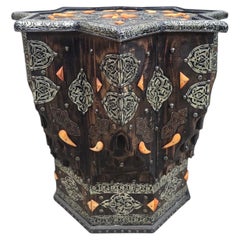
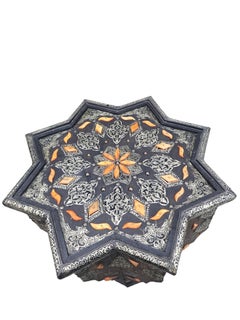
Vintage Moroccan Moorish Bone Inlaid Star Shaped Accent Table
Located in Chicago, IL
Vintage Moroccan Moorish Bone Inlaid Star Shaped Accent Table A beautifully handcrafted Moorish-style accent table featuring an impressive eight-point star-shaped top adorned with i...
Metal
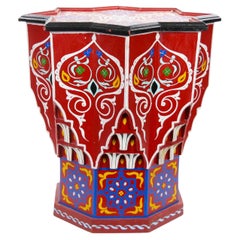
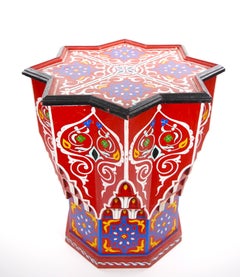
Moorish-Style Moroccan Hand-Painted Polychrome Eight-Pointed Star Side Table
Located in Tarry Town, NY
This highly decorative Moroccan side table is distinguished by its sculptural eight-pointed star-shaped top, architectural pedestal base, and exceptionally rich polychrome decoration.
Wood, Paint
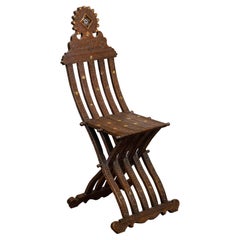
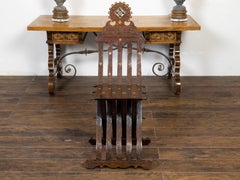
Moroccan Moorish Style 1900s Side Chair with Richly Carved Décor and Star Inlay
Located in Atlanta, GA
A Moroccan Moorish style accent side chair from the early 20th century, with richly carved décor, mother-of-pearl inlay, Arabic calligraphy and X-Form base. Created in Morocco during...
Mother-of-Pearl, Wood
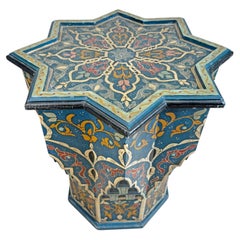
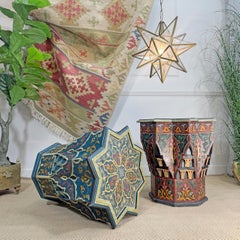
Mid Century Moroccan Painted Blue Wooden Star Table
Located in Hastings, GB
This incredible Mid-20th Century Moroccan Star table is a striking example of Moorish design, characterized by its iconic eight-pointed star top and elaborate polychrome decoration.
Wood
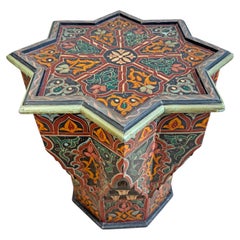
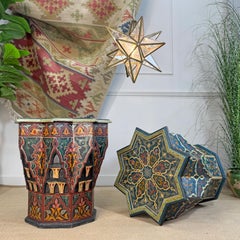
Mid Century Moroccan Painted Wooden Red Star Table
Located in Hastings, GB
This rare and beautifully hand crafted Moroccan star table is a striking example of Moorish design, characterized by its iconic eight-pointed star top and elaborate polychrome decora...
Wood
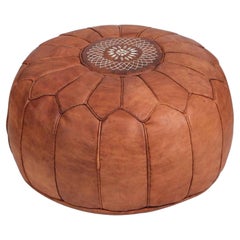
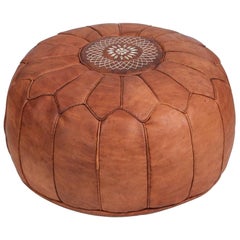
Handcrafted Vintage Moroccan Leather Pouf in Moorish Style
Located in Moreno Valley, CA
Hand tooled and embroidered on the top with the Moorish star by Moroccan artisans in Marrakech. 24 in. diameter x 14 in height.
Leather
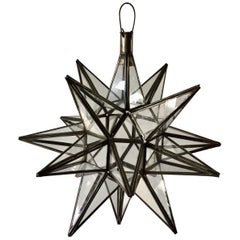
Moroccan Clear Glass and Metal Moravian Star Shape Lantern Pendant
Located in Moreno Valley, CA
Moroccan clear glass and metal framed Moravian star shape lantern A beautiful vintage geometric metal and glass star pendant.
Metal
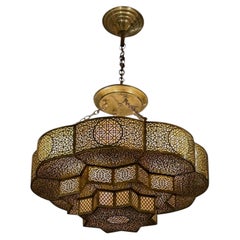
Contemporary Moroccan Three Tiered Star Shaped Pierced Brass Chandelier
Located in New York, NY
Contemporary Moroccan three tiered star shaped chandelier. Pierced brass. Each tier has a different perforated pattern. The top tier is the largest and has a vine design with a brass...
Brass

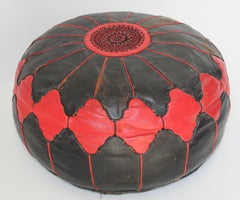
Vintage Moroccan Leather Pouf Hand Tooled, 1970s Red and Black
By Berber Tribes of Morocco
Located in Moreno Valley, CA
Hand tooled and embroidered on the top with the Moorish star by Moroccan artisans in Marrakech. Vintage circa 1970s.
Leather
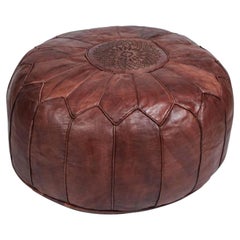
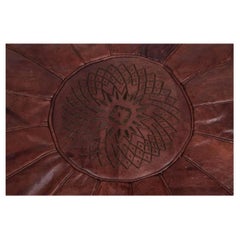
Vintage Moroccan Leather Pouf in Chocolate Brown Hand Tooled In Marrakech
By Berber Tribes of Morocco
Located in Moreno Valley, CA
Hand tooled and embroidered on the top with the Moorish star by Moroccan artisans in Marrakech. 24 inch diameter x 14 in height.
Leather
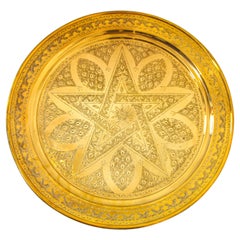
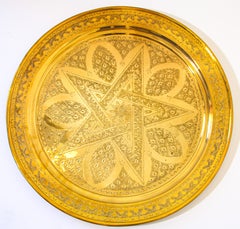
1900s Moroccan Brass Tray Star Etched Collectible Polished Platter 22.5 in. D.
Located in Moreno Valley, CA
Could be used also as a serving platter, or an ottoman, or as a brass tray table indoor or outdoor. Circa 1900 Moroccan brass tray etched with beautiful Moorish star and geometric de...
Brass
Unavailable
H 17.13 in W 13.59 in D 13 in
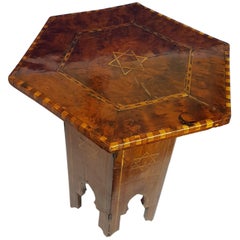
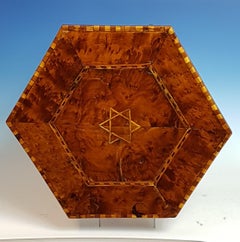
Early 20th Century Moorish Table in Burr Cedar with Holly Star of David Inlay
Located in Bodicote, Oxfordshire
A charming rustic table of Moorish style with the Star of David inlaid to the top and all 6 sides. The table is constructed of solid cedar with the top being veneered in thick burr c...
Holly, Cedar
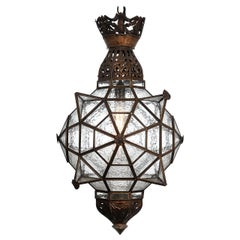
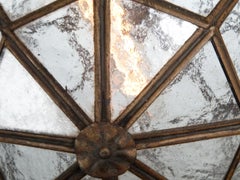
Moroccan Moorish Star Shape Lantern
Located in Peekskill, NY
These complex geometric Moravian style lanterns have a look all their own. This large example looks to be an early one that took a candle. We have wired the lamp for a standard Ediso...
Glass
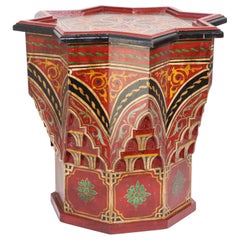
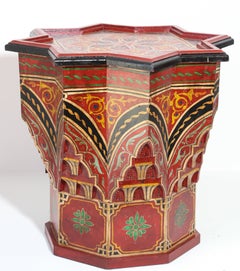
Moroccan Moorish Star Red Side Table
Located in Moreno Valley, CA
Moroccan colorful red hand painted and carved side occasional table with Moorish Islamic designs.
Wood
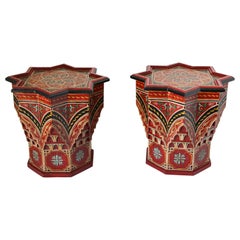
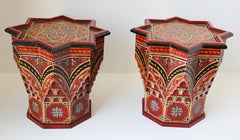
Pair of Moroccan Moorish Star Shape Red Side Tables
Located in Moreno Valley, CA
Very decorative Moroccan tables with fine artwork on a star Moorish shape .
Wood

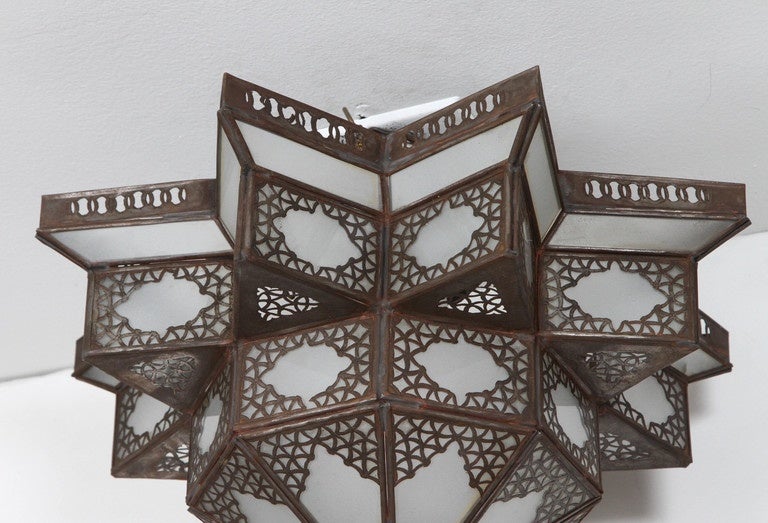
Moroccan Moorish Star Shape Frosted Glass Lantern Light Shade
Located in Moreno Valley, CA
Moroccan hanging glass star shape lantern pendant shade. handcrafted Moroccan Spanish style metal frame and frosted glass with delicate Moorish filigree metal work on this hanging st...
Metal
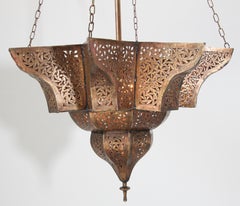
Moroccan Moorish Brass Star Pierced Hanging Chandelier
Located in Moreno Valley, CA
Moroccan Moorish star brass pierced hanging chandelier.
Brass
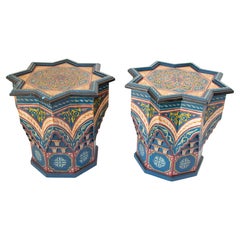
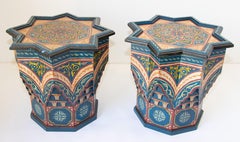
Moroccan Moorish Blue Star Side Tables a Pair
By Berber Tribes of Morocco
Located in Moreno Valley, CA
Moroccan colorful blue color hand painted and carved side occasional tables with Moorish designs.
Wood
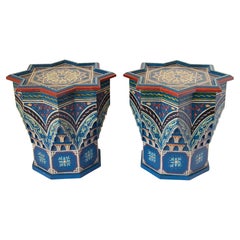
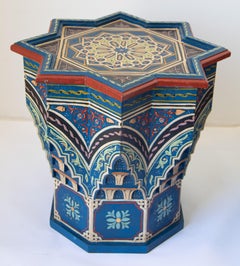
Moroccan Moorish Hand Painted Blue Side Star Tables
Located in Moreno Valley, CA
Pair of Moroccan hand painted and carved side occasional tables with Moorish designs.
Wood
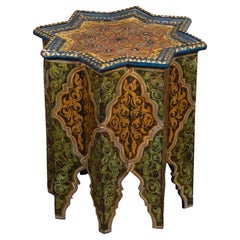
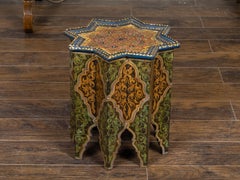
Sold
H 19 in W 17.5 in D 17.5 in
Moroccan Moorish Style 1920s Table with Star-Shaped Top and Polychrome Décor
Located in Atlanta, GA
A Moroccan Moorish style drinks table from the early 20th century, with star-shaped top, octagonal body, polychrome décor and carved flaming feet.
Wood
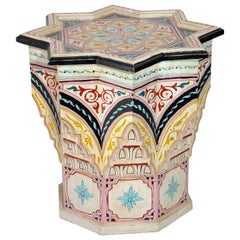
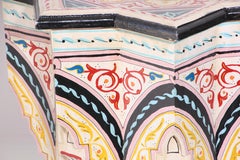
Moorish Star Shape Ivory Side Table
Located in Moreno Valley, CA
Very decorative fine artwork on a star shape base. Hand painted in the Moorish manner and well suited as bedside stands or side table.
Wood
Moorish Middle Eastern Star Shaped Painted Drink Table
Located in Rio Vista, CA
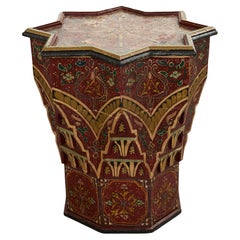
Dramatic polychrome painted Moorish Islamic star-shaped side table or drinks table featuring Middle Eastern arabesque designs and motifs. The large top is star-shaped and has a small...
Wood
Moroccan Hand-painted Green Star Shape Side Table
Located in Moreno Valley, CA
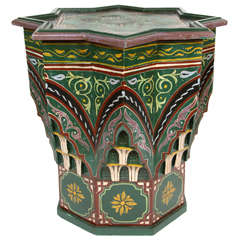
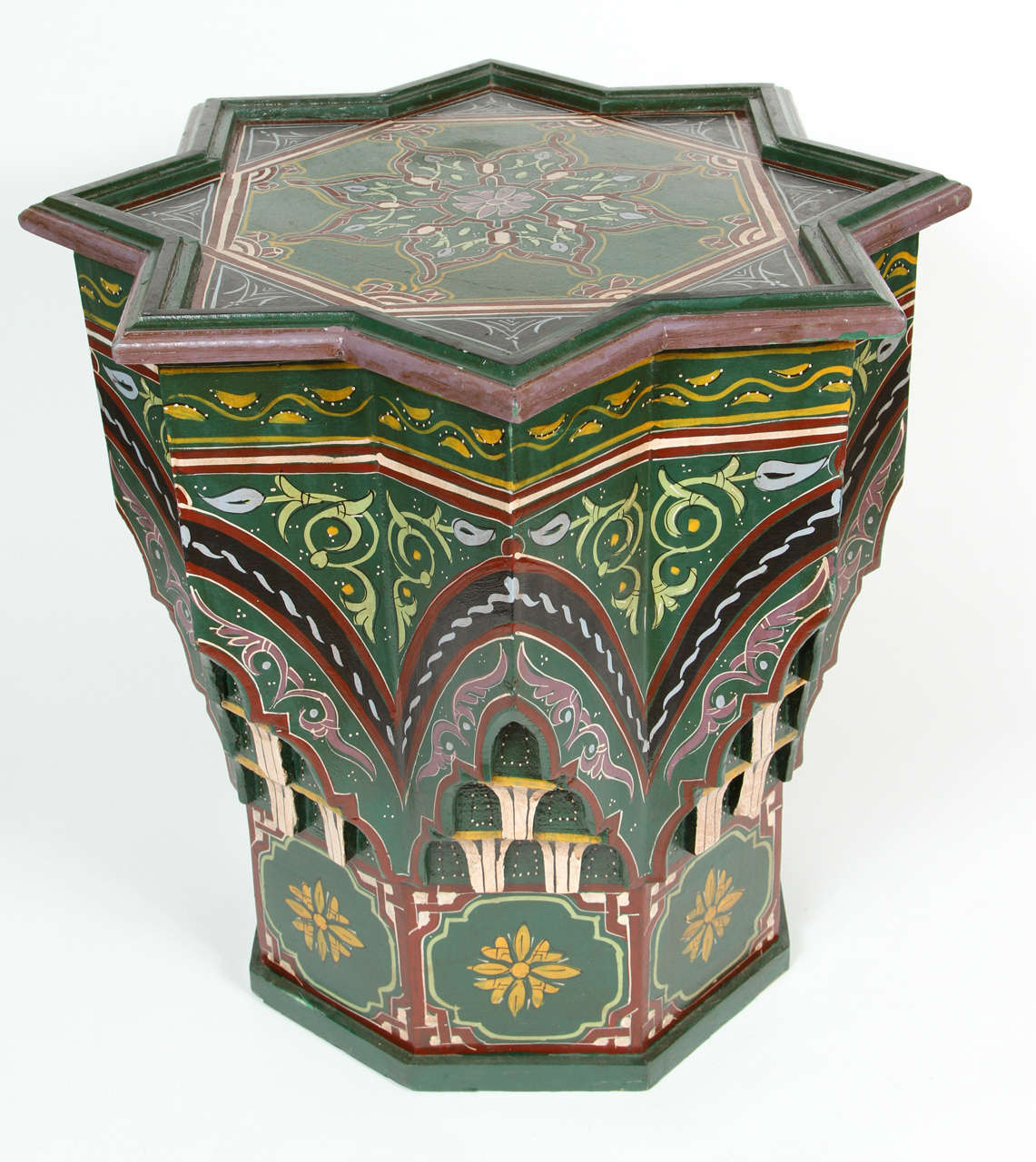
Moroccan colorful hand-painted and carved side table with Moorish design.
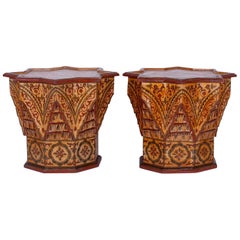

Pair of Moroccan Star End Tables
Located in Palm Beach, FL
Exotic pair of Moroccan or Moorish painted wood tables or end tables with bold star shaped tops and geometric octagon bases with carved niches and folky symbolic floral decorations t...
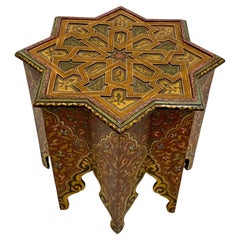
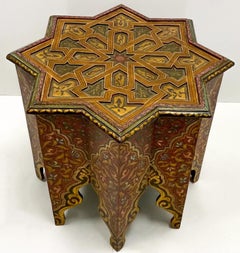
Mid-Century Hand Painted Moroccan Star Form Carved Side Table
Located in Kennesaw, GA
This is a vintage Moroccan hand carved and painted star form coffee table. The base has a thick beveled glass top. Base: 27.75”D x 22.75”H.
Wood
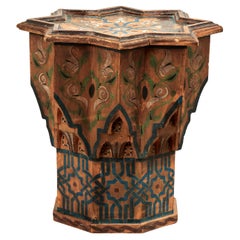
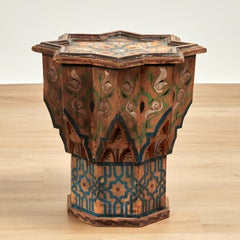
Antique Moroccan Painted Star Form Stand or Table
Located in Palm Beach, FL
Charming antique Moroccan stand crafted in indigenous hardwood in a star form and hand painted in floral and geometric designs now distressed by time.
Hardwood
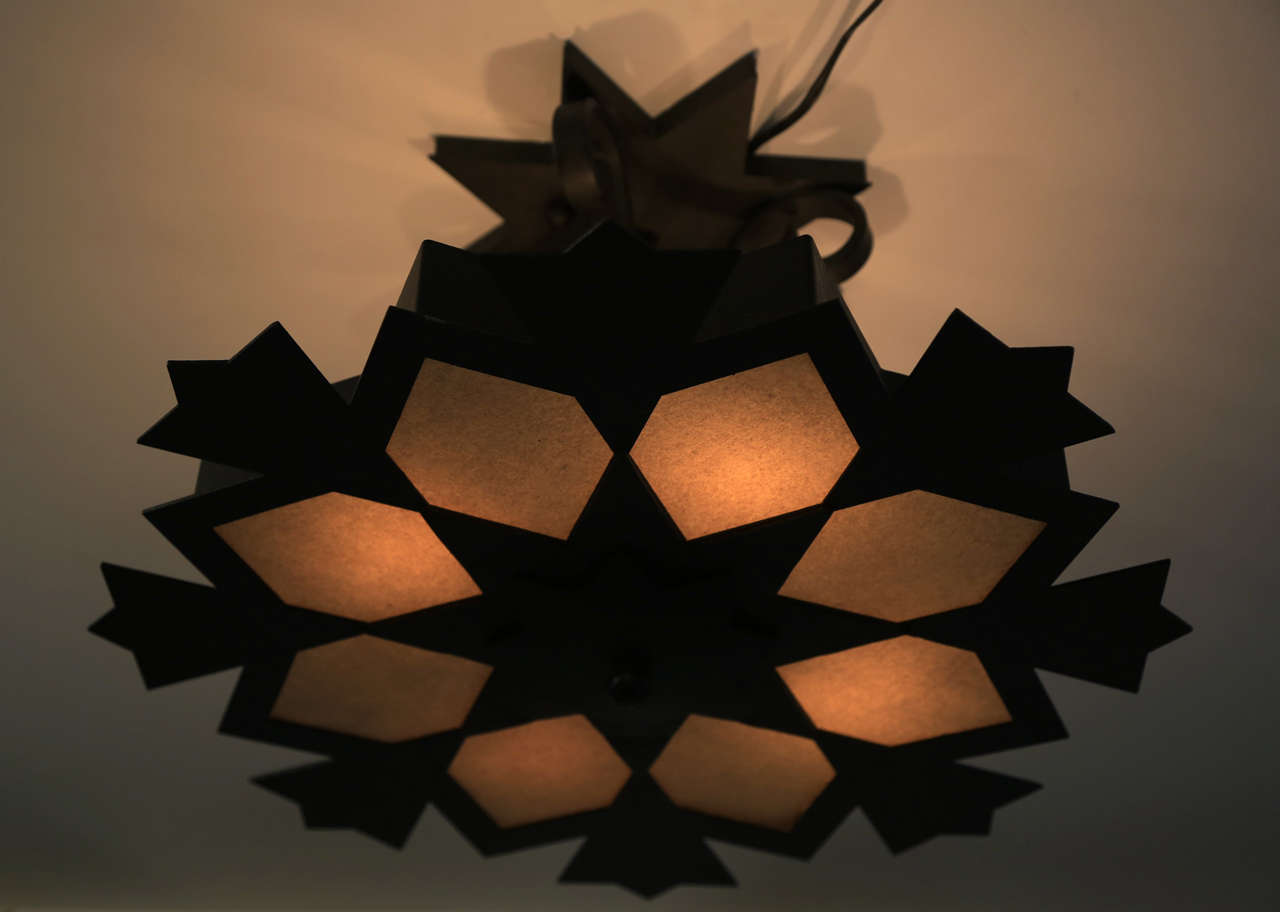
Moroccan Star Ceiling Iron Fixture by Paul Ferrante
By Paul Ferrante
Located in Moreno Valley, CA
Moroccan style star iron ceiling fixture, designed and manufactured by Paul Ferrante, Los Angeles. Old iron patina, lined with faux parchment, four candelabra 25 watt maximum. Size...
Iron
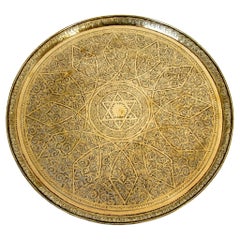
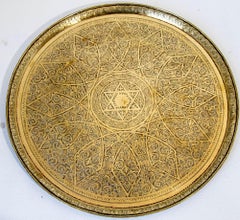
1940s Moroccan Brass Tray Platter 23 in. Geometric and a Star of David Design
Located in Moreno Valley, CA
A pished Moroccan brass tray is a stunning piece of traditional craftsmanship that showcases the rich artistic heritage of Morocco. It is meticously handcrafted by skilled artisans w...
Brass
Sold
H 29 in W 23 in D 23 in
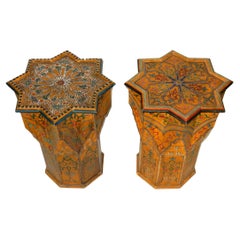
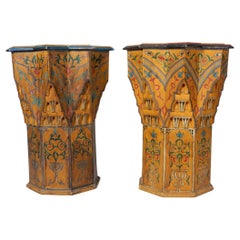
Mid-20th Century Moroccan Bohemian Hand Painted Octagonal Star Pedestal Tables
Located in Las Vegas, NV
Vintage 1960s Moroccan hand-painted octagonal wooden pedestal tables with floral and geometric designs in traditional Mediterranean colors, decorated with arches on the sides. Nice ...
Wood
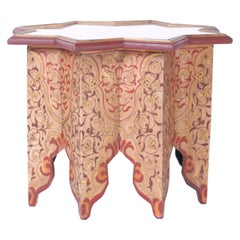
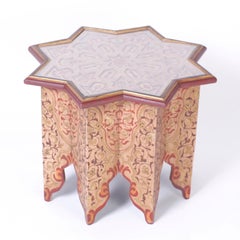
Antique Star Form Occasional or Cocktail Table
Located in Palm Beach, FL
Moroccan wood table or stand with a star form top with removable glass over inset geometric designs.
Wood
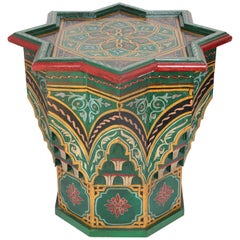

Moroccan Moorish Star Shape Green Side Table
Located in Moreno Valley, CA
Moroccan colorful Green color hand painted and carved side occasional table with Moorish designs.
Wood
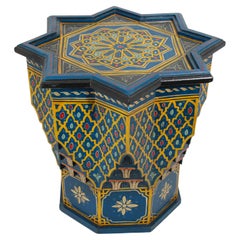
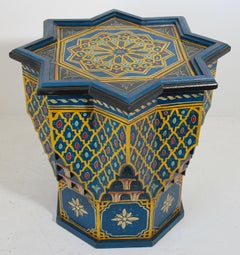
Moroccan Moorish Star Blue Hand Painted Side Table
By Berber Tribes of Morocco
Located in Moreno Valley, CA
Moroccan colorful hand painted and carved side occasional blue table with Moorish designs.
Wood
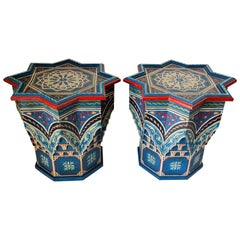
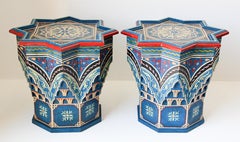
Pair of Moroccan Moorish Star Shape Blue Side Tables
Located in Moreno Valley, CA
Pair of Moroccan colorful blue hand painted and carved side occasional table with Moorish Islamic designs.
Wood
Sold
H 29.5 in W 108 in D 24 in
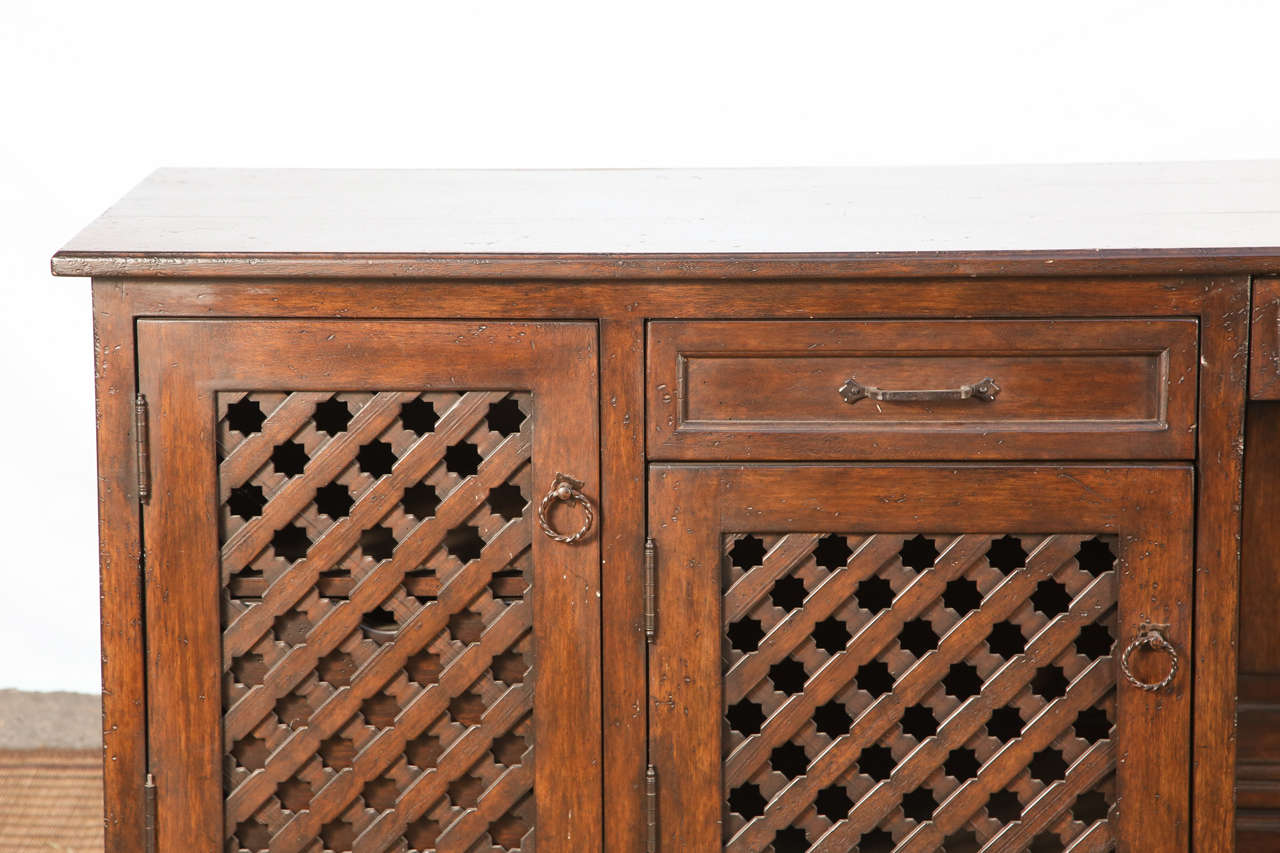
Moroccan Handcrafted Desk, Vanity or Dresser With Moorish Star Designs
Located in Moreno Valley, CA
Moroccan handcrafted and custom-made 9 feet dresser, desk, very decorative with nice intricate Moorish stars hand-cut motifs on doors and block feet. Hispano Moresque style cabinet w...
Walnut
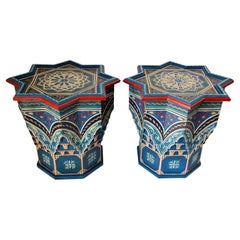
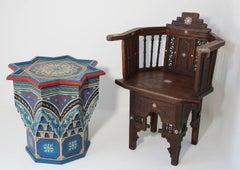
Moroccan Star Shape Blue Side Tables 1960s Pair of Moorish Tables
Located in Moreno Valley, CA
Pair of Moroccan colorful blue hand painted and carved side occasional tables with Moorish Islamic designs.
Wood
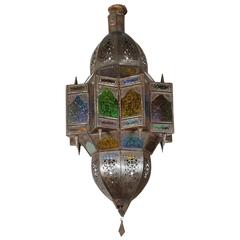

Moroccan Moorish Metal Filigree and Glass Pendant in Star Shape
Located in Moreno Valley, CA
Handcrafted Moroccan glass pendant light fixture, very fine Moorish filigree metal hand-cut in Moorish designs. Handmade in Marrakech by talented artisans, dark bronze color patina a...
Metal
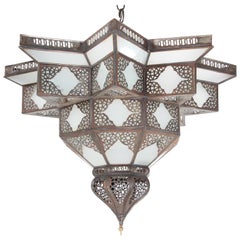
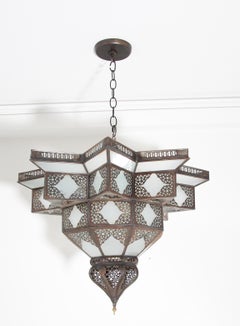
Large Moroccan Frosted Star Shape Glass Chandelier Shade
By Berber Tribes of Morocco
Located in Moreno Valley, CA
Large Moroccan hanging star pendant shade. Large Moroccan frosted star shape glass chandelier shade Handcrafted large Moorish Spanish style light fixture with a metal frame and fro...
Metal
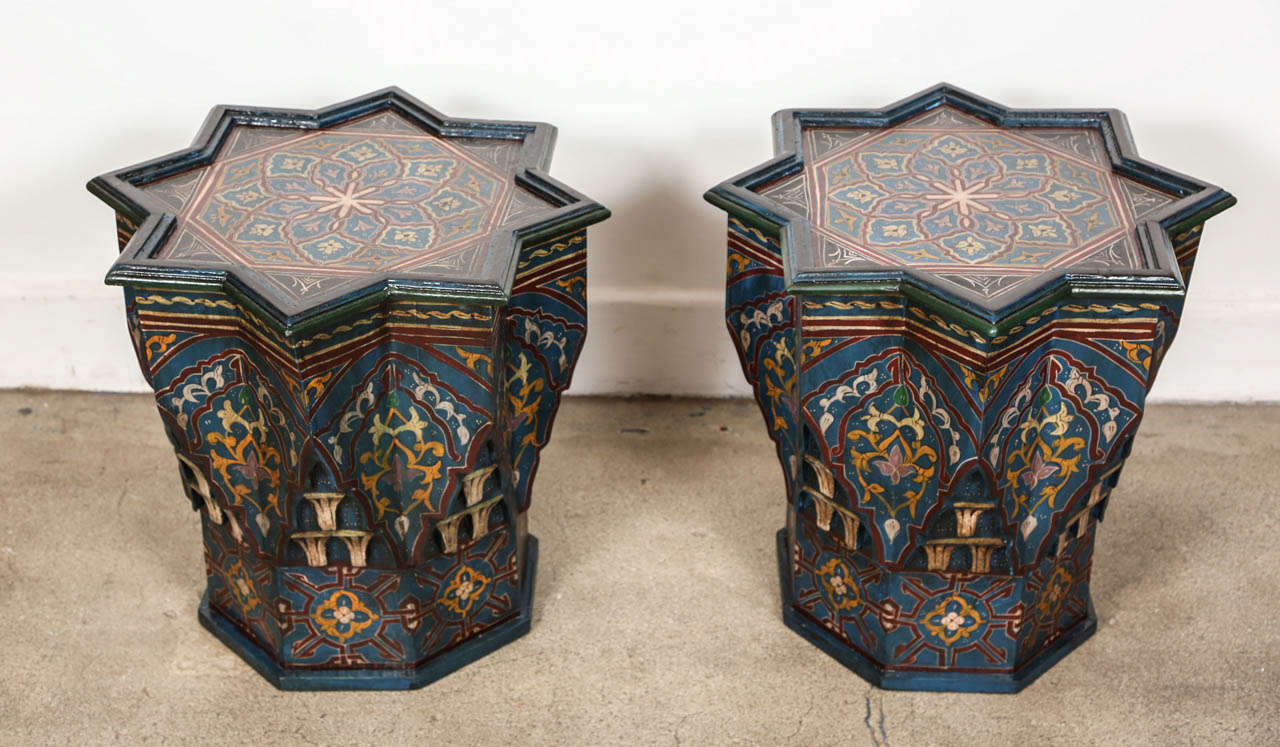
Moroccan Star Shape Blue Side Table
Located in Moreno Valley, CA
Moroccan colorful blue hand-painted and carved side occasional table with Moorish designs.Blue background with multicolored floral and geometric designs.
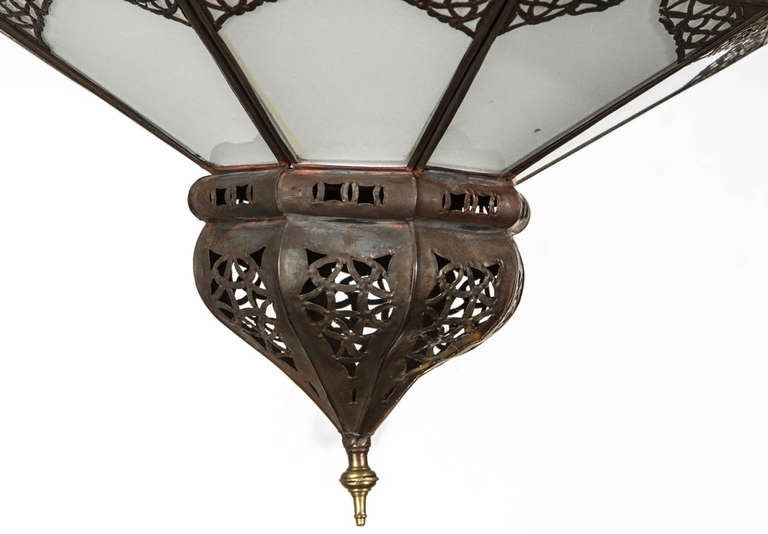
Moroccan Star Shape Frosted Glass Chandelier
Located in Moreno Valley, CA
Moroccan Hanging Lighted Star Pendant Metal frame and frosted glass with delicate filigree metal work on this hanging star pendant. Rewired can take up to 100 Watt bulb. Size of ...
Tin
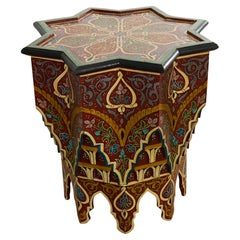
Moorish Middle Eastern Polychrome Star Shaped Drink Table
Located in Rio Vista, CA
Striking Moorish Middle Eastern or Islamic-style drinks or side table featuring an octagram top over a faceted base. The surface is richly painted in a saturated polychrome palette: ...
Wood, Paint
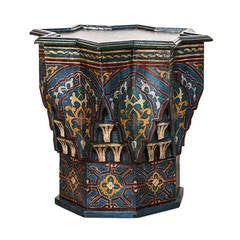

Moroccan Star Shape Blue Side Table
Located in Moreno Valley, CA
Moroccan colorful blue hand-painted and carved side occasional table with Moorish Islamic designs.
Wood
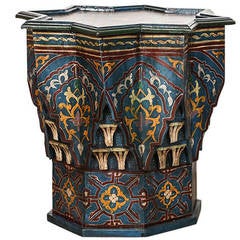

Moroccan Star Shape Blue Side Table
Located in Moreno Valley, CA
Moroccan colorful blue hand-painted and carved side occasional table with Moorish Islamic designs.
Wood
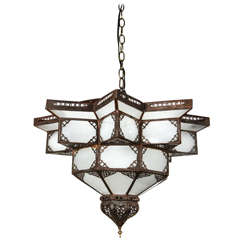

Moroccan Star Shape Frosted Glass Chandelier
Located in Moreno Valley, CA
Moroccan Hanging Lighted Star Pendant Metal frame and frosted glass with delicate filigree metal work on this hanging star pendant.
Metal
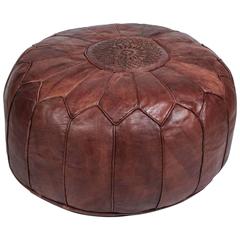

Large Vintage Round Moroccan Leather Pouf
By Berber Tribes of Morocco
Located in Moreno Valley, CA
Hand tooled and embroidered on the top with the Moorish star by Moroccan artisans in Marrakech. Multiple available please contact us if you need more
Leather
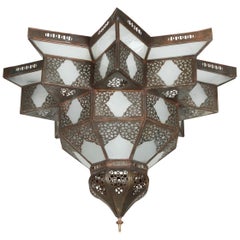
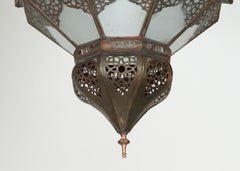
Large Moroccan Star Shape Frosted Glass Chandelier Shade
Located in Moreno Valley, CA
Large Moroccan hanging star pendant shade. Handcrafted large Moorish Spanish style light fixture with a metal frame and frosted milky glass with delicate Islamic filigree metal work.
Metal
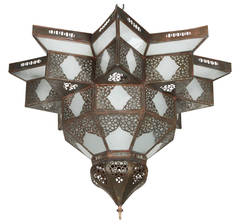
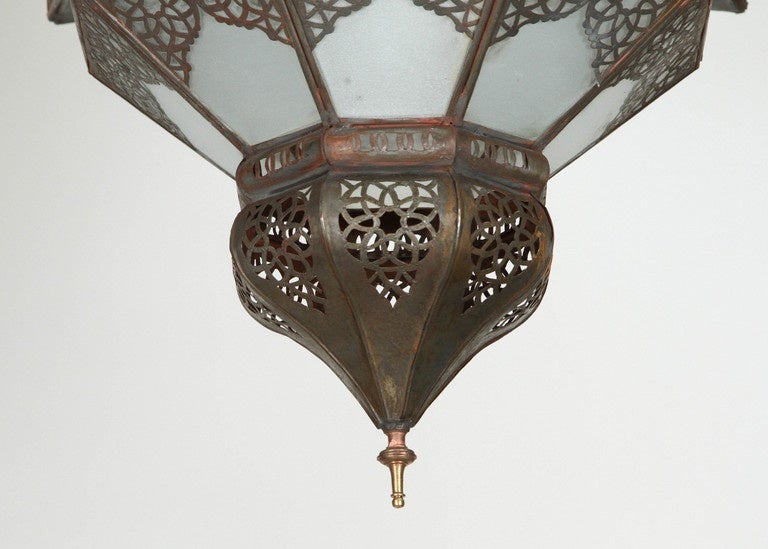
Large Moroccan Star Shape Frosted Glass Chandelier Shade
Located in Moreno Valley, CA
Large Moroccan hanging star pendant shade. Handcrafted large Moorish Spanish style light fixture with a metal frame and frosted milky glass with delicate Islamic filigree metal work.
Metal
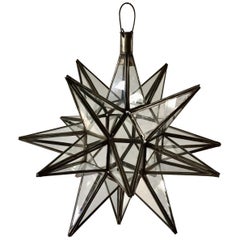
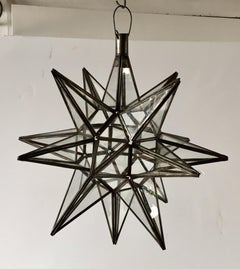
Moroccan Clear Glass and Metal Moravian Star Shape Lantern Pendant
Located in Moreno Valley, CA
Moroccan clear glass and metal framed Moravian star shape lantern A beautiful vintage geometric metal and glass star pendant. Multifaceted large star lantern with glass panels that...
Metal

Sold
H 21 in W 23.5 in D 23.5 in
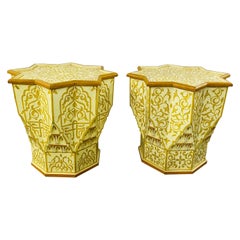
Vintage Moroccan Yellow & White Side or End Table in Star Shape, a Pair
Located in Plainview, NY
An exquisite pair of vintage Moroccan hand painted end or side tables with beautiful arabesque Moorish motifs decorating the full top and sides ion the table.
Wood, Paint

Pair of Large Brown Moroccan Leather Poufs
Located in Moreno Valley, CA
Hand tooled and embroidered on the top with the Moorish star by Moroccan artisans in Marrakech. Nice patina.
Leather

Pair of Large Brown Moroccan Hand Tooled Leather Poufs Ottomans
Located in Moreno Valley, CA
Hand tooled and embroidered leather stools on the top with the Moorish star by Moroccan artisans in Marrakech. Nice patina.
Leather
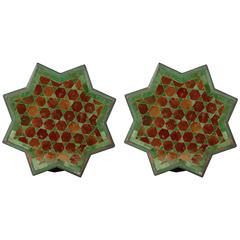
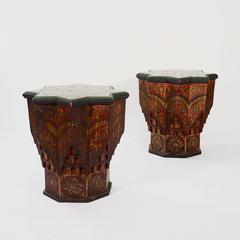
Pair of Moorish Star-Shaped Occasional Tables
Located in Babworth, Retford
Each with a star shaped base with arched recesses and painted Moorish decoration.
Ceramic, Wood
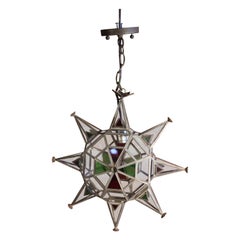

Pair of Moorish Leaded Glass Star Pendants
Located in Los Angeles, CA
Pair of vintage Moorish style leaded glass star pendant lights. Newly rewired, each pendant uses one standard light bulb. Sold as a pair. They hang 26" inches from the ceiling. 18" w...
Metal, Lead
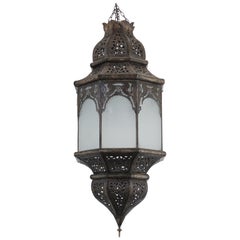
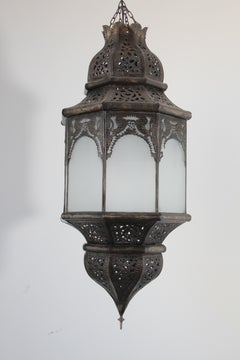
Moroccan Moorish Hanging Metal Lantern with Milky Glass
By Berber Tribes of Morocco
Located in Moreno Valley, CA
Vintage large Moroccan Moorish hanging glass pendant from Marrakech with sandblasted glass in white milky glass with dark bronze color metal finish. The Moroccan lantern has been rew...
Metal
$2,750 / set
H 21 in W 17.5 in D 17.5 in
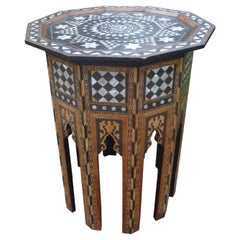
Vintage Hand Carved Inlaid Mother of Pearl Side Tables, 20th Century
Located in West Palm Beach, FL
Pair of intricately carved & inlaid mother of pearl side tables. Beautifully detailed on top, bottom & all sides make this pair a real standout in any setting. Very superb qu...
Mother-of-Pearl, Wood
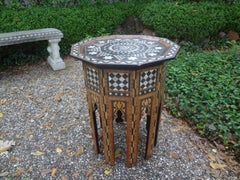
$3,650
H 23.5 in W 18.75 in D 18.75 in
Antique Middle Eastern Arabesque Style Mother of Pearl Inlaid Table
Located in Houston, TX
Antique Middle Eastern, Moroccan or Moorish Arabesque style octagonal side table. This beautiful table has a great pattern with alternating intricately inlaid mixed woods and mother-...
Wood
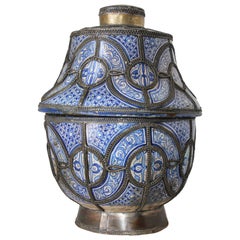
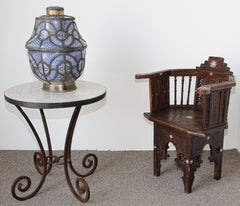
Large Moorish Moroccan Blue and White Ceramic Footed Lidded Jar from Fez
By Berber Tribes of Morocco
Located in Moreno Valley, CA
Large antique Moroccan blue and white ceramic urn with lid from Fez. Moorish style handcrafted lidded jar adorned with fine filigree silver nickel work Antique Hispano Moresque desig...
Metallic Thread
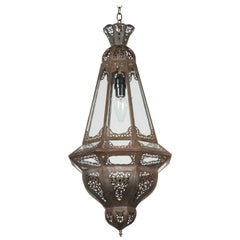
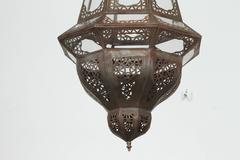
Hand-Crafted Moroccan Moorish Lantern Pendant with Clear Glass, 1980
Located in Moreno Valley, CA
Elegant and stylish clear glass hand-crafted Moroccan lantern with intricate filigree work in the Moorish style. Will add elegance in any room. Could be used as a wall sconces or cha...
Metal
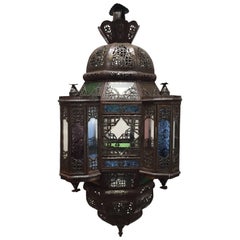
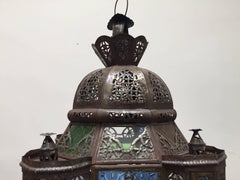
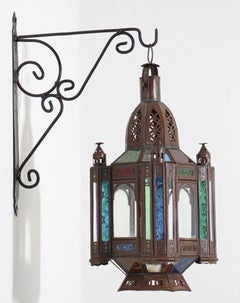
Moroccan Moorish Metal Lantern with Clear and Colored Glass
Located in Moreno Valley, CA
Handcrafted Moroccan glass pendant with clear and colored glass, square shape with towers and a dome with metal filigree. This multi-color Moroccan glass lantern with Moorish arches ...
Metal
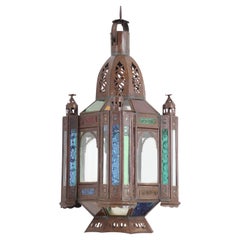
$295 / item
H 16 in W 6.25 in D 6.25 in
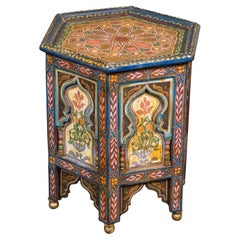
Vintage Moroccan Moorish Metal and Stained Glass Lantern or Pendant
Located in Moreno Valley, CA
Vintage Moroccan Moorish metal and stained colored glass candle lantern Handcrafted small Moroccan glass lantern or Moorish pendant. Multi-color molded glass in green, lavender, blue...
Metal
$5,250
H 19 in W 17.5 in D 17.5 in
Moroccan Moorish Style 1920s Table with Hexagonal Top and Polychrome Décor
Located in Atlanta, GA
A Moroccan Moorish style drinks table from the early 20th century, with painted geometric motifs, hexagonal top, polychrome décor and carved flaming motifs. Created in Morocco during...
Wood
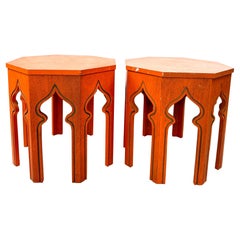
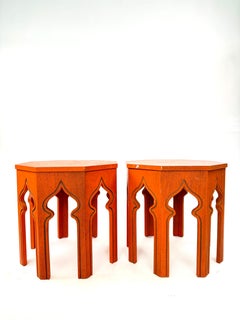
Pair of 1970 moorish style hexagonal side tables
Located in Dallas, TX
As found, with slight veneer loss, this pair of tables could easily be restored and lacquered to add a unique touch to your room. We offer expert custom restoration services.
Wood, Paint
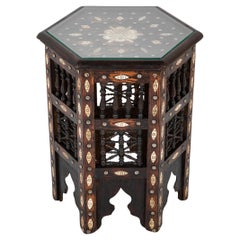
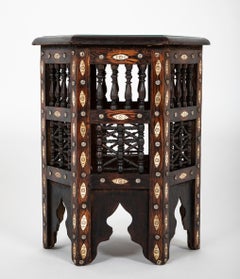
Moroccan Inlaid Hexagonal Side Table with Brass Nail Heads
Located in Stamford, CT
Moroccan six sided glass topped side table with incised bone inlay and nail heads, and signature decorative turned wood spindles throughout. Rich and warm patina, a very handsome sid...
Brass
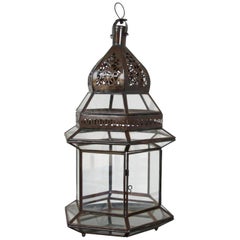
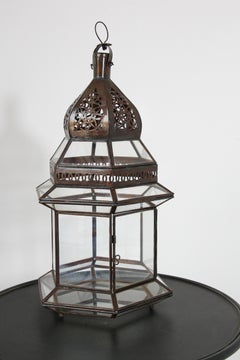
Handcrafted Large Moroccan Clear Glass Candle Lantern
By Berber Tribes of Morocco
Located in Moreno Valley, CA
Large Moroccan metal and clear glass lanterns.Hurricane candle lamp in hexagonal shape with vintage rust color metal finish.The top of the lantern is handcut with Moorish designs.The...
Metal
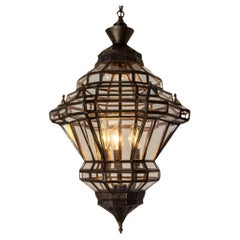
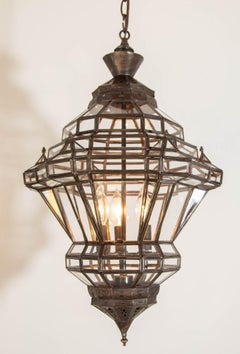
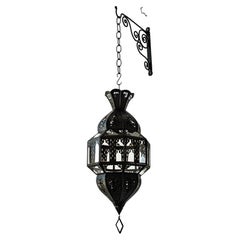
Vintage Moroccan Clear Glass Lantern Moorish Granada Spanish Style
Located in Moreno Valley, CA
Vintage Moroccan Clear Glass Lantern Moorish Granada Spanish Style. Smaller version of our elegant Granada Moroccan pendant, diamond shape clear glass Moroccan lantern with bronze me...
Metal
$390 / item
H 22 in W 8.5 in D 8.5 in
Handcrafted Moroccan Moorish Lantern, Brass & Glass, Octagonal, 1980
Located in Moreno Valley, CA
Moroccan bronzed metal and clear glass lantern. Moroccan Moorish lamp in octagonal shape with rust color metal finish and clear glass. The top and bottom with Moorish open metal work...
Brass, Iron
$2,536Sale Price|20% Off
H 37.8 in W 23.43 in D 17.13 in
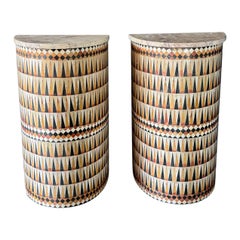
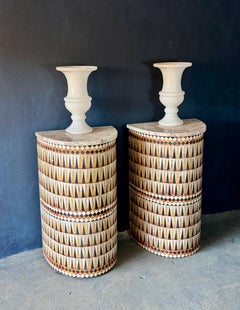
Striking Pair of Handcrafted Inlaid Demi-Lune Side Tables
Located in Bruton, GB
This exceptional pair of demi-lune side tables showcases meticulous hand-applied geometric inlay work, blending warm tones of natural brown, black, amber, and ivory into a rhythmic, ...
Marble, Metal
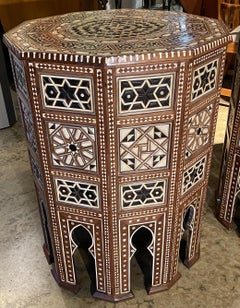
$4,800 / set
H 31.5 in Dm 25 in
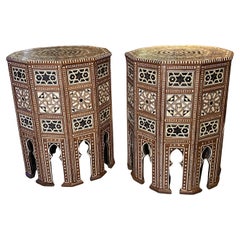
Pair of Levantine Style Ten Sided End or Side Tables with Geometric Mosaic Inlay
Located in Milford, NH
A fabulous pair of Levantine style ten sided walnut end or side tables with geometric simulated bone and shell mosaic inlay throughout, and Moroccan Moorish arches around the base. T...
Other
Moroccan Handcrafted Moorish Pendant Frosted Milky Glass Lantern
Located in Moreno Valley, CA
A charming handcrafted Moroccan Moorish hanging lantern, made in Marrakech and combining intricate pierced metalwork with frosted milky glass glass panel. The lantern has a beautifu...
Metal
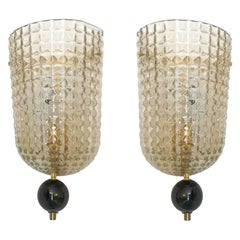
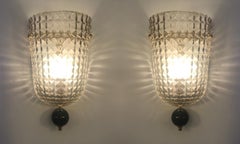
$2,800 / set
H 14.75 in W 8.5 in D 4 in
Pair of Art Deco Style Murano Glass Demi Lune Wall Sconces, in Stock
Located in Miami, FL
Pair of Art Deco style Murano glass demi lune wall sconces, in stock One LED E26 base socket. Black glass sphere and brass fittings. Textured Murano glass, Wired to the American sta...
Brass
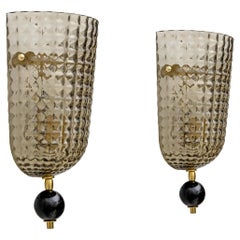
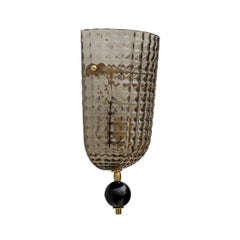
$3,088 / set
H 15.36 in W 8.27 in D 4.14 in
Pair of Art Dèco Style Italian Murano Glass and Brass Sconces
Located in Puglia, Puglia
Pair of Art Deco Murano Glass Wall Lights, Black glass sphere and brass accessories. Textured Murano glass. Wiring according to the American standard with E26 or E27 lamp holder for ...
Brass
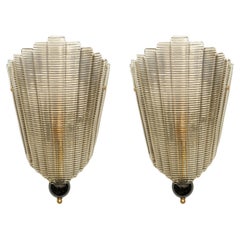
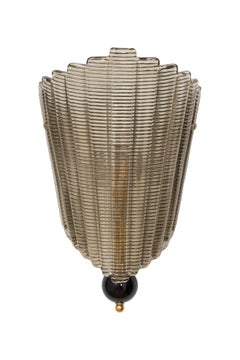
$2,800 / set
H 17.5 in W 10.5 in D 6.5 in
Pair of Art Deco Style Murano Smoked Glass Wall Sconces, Italy Contemporary
Located in Miami, FL
Pair of Art Deco style Murano smoked glass wall lights, contemporary Smoked / fume color and horizontal striation texture Black opaline finial and brass accents Art Deco inspired de...
Brass
$5,468 / set
H 40 in Dm 12 in
Set of Three Italian Art Deco Hand Blown Opaline Glass Brass Pendants, 1940s
Located in Frankfurt am Main, DE
A set of three hand blown opaline glass ball pendant with brass mounts, chain and canopy, Italy, 1940s. One porcelain Edison E-27 light socket for a large sized screw bulb up to 100W...
Brass
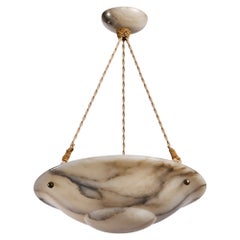
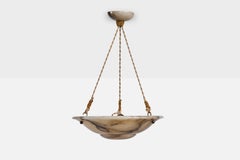
Swedish Designer, Pendant Light, Alabaster, Rope, Sweden, 1930s
Located in High Point, NC
An alabaster and beige rope pendant light likely designed and produced in Sweden, c. 1930s. Surface scratches throughout, consistent with age and use. In good vintage condition, wi...
Alabaster
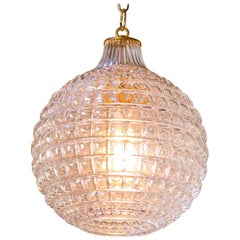
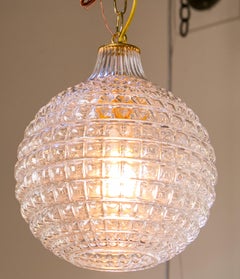
Mid-century Swedish Glass Pendant of Heavy Pressed Glass
Located in Houston, TX
Midcentury Swedish glass pendant in a globe shape. Newly wired for use within the USA for a single medium-size (Edison) light. Includes chain and a canopy. We have 4 of them available.
Brass
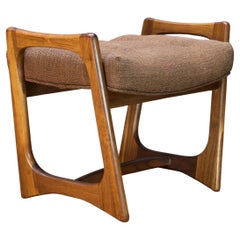
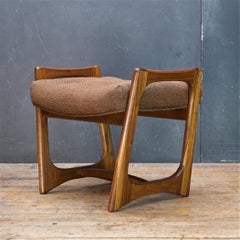
Rare 1960s Walnut Adrian Pearsall Sculptural Stool Bench Ottoman
By Adrian Pearsall
Located in Hyattsville, MD
Adrian Pearsall for Craft Associates Inc. from the 'Stingray' Series. Can be matched with the Model 2466-C Lounge Armchair. Tight and sturdy frame. Architectural form, with staved A...
Walnut
$53,893
H 98.43 in Dm 84.65 in
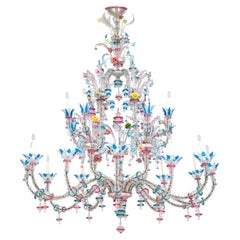
Italian Murano Glass Chandelier, Floral & Multicolored — Giovanni Dalla Fina
By Giovanni Dalla Fina Gallery
Located in Villaverla, IT
Italian Murano glass monumental multi-tier chandelier crafted during the nineteen sixties showcases theatrical, festive Venetian Baroque revival lighting design by Giovanni Dalla Fin...
Glass, Art Glass, Blown Glass, Murano Glass
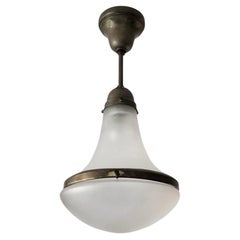
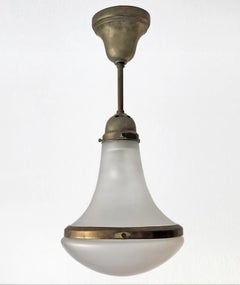
German Art Deco Glass and Brass Ceiling pendant Light 1900
Located in Berlin, DE
Beautiful Art Deco matte glass and brass pendant light. Germany, 1910 Lamp sockets: 1 E27 (US E26). Height of body: 35 cm
Brass
$1,086
H 21.66 in W 13.78 in D 13.78 in
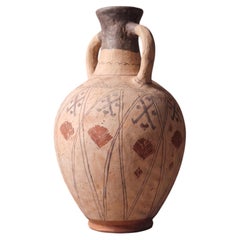
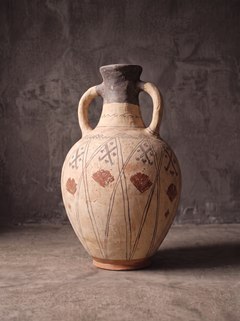
Terracotta Amphora with Darkened Neck, Morocco, Early 20th Century
Located in Lisboa, PT
Hand-coiled terracotta amphora from the pre-Sahara of southern Morocco, its twin looped handles rising to a neck darkened by decades of smoke. The pale body carries crossed motifs an...
Terracotta, Clay
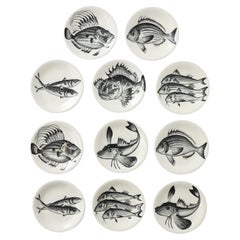
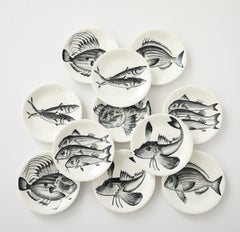
Set of 11 French Hand Decorated Fish Plates
By Faience Manufacturing Company
Located in New York, NY
Unique set of 11 hand decorated porcelain ceramic dinner plates featuring various fish using exuberant brushstrokes. Each plate signed on back with the name of fish depicted. Sold as...
Ceramic
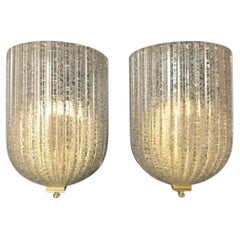
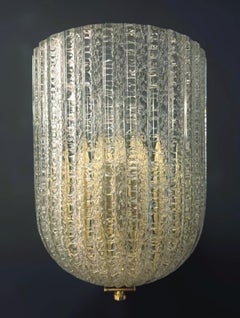
Pair of Graniglia Shield Sconces by Barovier e Toso
By Barovier&Toso
Located in Los Angeles, CA
Italian wall light with a Murano glass shield hand blown in Graniglia technique to produce granular textured effect / Made in Italy by Barovier e Toso, 1960s Original label on frame ...
Murano Glass
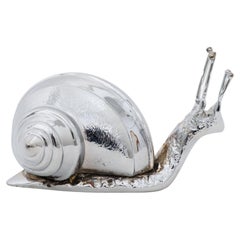
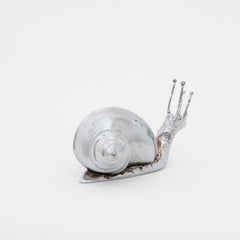
Handmade Nickel Plated Decorative Snail, Paperweight
By Alguacil & Perkoff Ltd.
Located in London, London
Each of these exquisite solid brass snails is handmade individually with incredible detail. Cast using very traditional techniques, they are finished with a nickel plating giving the...
Nickel
$960 / item
H 19.69 in Dm 16.93 in
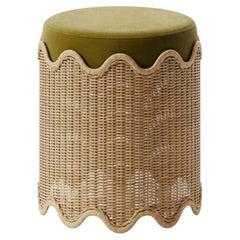
Fidji Side Table in Rattan and Kaki Green Cotton Velvet by POPUS EDITIONS
By Popus Editions
Located in Geneve, CH
Fidji Side Table in Rattan and HR Foam by POPUS EDITIONS. Dimensions: Ø 43 x H 50 cm. Materials: rattan and HR foam. Fabric: Dolce vita 4848 Available in COM. Please contact us for...
Rattan, Foam
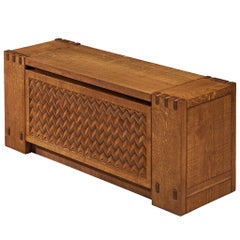
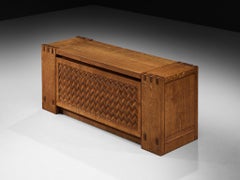
Giuseppe Rivadossi Sculptural Carved Trunk or Bench in Oak
By Giuseppe Rivadossi
Located in Waalwijk, NL
Giuseppe Rivadossi for Officina Rivadossi, trunk / side bench / side table, oak, Italy, 1970s Crafted in solid oak during the 1970s, this versatile trunk by Giuseppe Rivadossi exemp...
Oak
$9,979
H 56.7 in W 88.59 in D 83.08 in
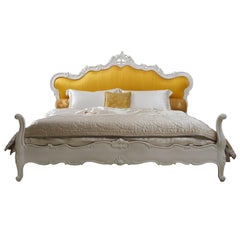
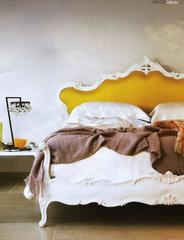
The Parisienne Bed, Hand Carved Louis XV Style Made By La Maison London
By La Maison London
Located in London, Park Royal
From the Signature Reproduction Range of La Maison London this bed is hand-carved by master craftsmen in The Parisienne Bed is a witty example of the LXV design with its lilting line...
Wood
After the Muslim conquest of the Iberian Peninsula in the eighth century, Islamic Spain became a cultural mix of influences that shaped both private homes and religious spaces. Moorish design was the name given to this style, which evolved through the 15th century with vibrant tile work, horseshoe arches and lavish ornamentation, most visible at sites such as Granada’s Alhambra and the Mosque-Cathedral of Córdoba. Moorish furniture was often similarly ornate, and featured pieces inlaid with wood, ivory and bone.
When European designers began studying Moorish art and architecture in the early 19th century, it led to a Moorish Revival. Appropriating the style’s decorative flourishes and architectural elements, it promoted a romantic view of Islamic design. Travelers could bring home a memento of what they witnessed in the Middle East, a trend that aligned with a fad for themed interiors. Men’s smoking rooms arranged with ottomans, divans and settees and inlaid tables were especially popular, as were cafés where coffee was served amid bead curtains and colorful floor mats. (Handwoven rugs are a centerpiece of Moorish interiors.) Octagonal rooms with domed ceilings were created for wealthy homes, frequently with furnishings like pipe stands, filigree plasterwork and arched doorways. The horseshoe arch is an iconic attribute of Moorish architecture that, in addition to Spain, can be found in Sicily, Morocco and elsewhere.
Several late 19th to early 20th-century movements featured Moorish touches. The American and English Aesthetic Movement, for example, borrowed liberally from global decorating styles, as seen in furniture designed by Lockwood de Forest, a New York-born artist who mixed Eastern and Western forms. The visual vocabulary of Art Nouveau also references the elegant use of geometry in Moorish design, with Milanese Art Nouveau furniture designer Carlo Bugatti drawing inspiration from the style. The Arts and Crafts movement, which prized expressive yet simple design, incorporated Moorish influences; hand-painted furniture and tile work created by William De Morgan, a British designer and potter who made furnishings for the likes of Morris & Co., were informed by techniques from Moorish Spain.
Find a collection of Moorish lighting, decorative objects, folk art and more furniture on 1stDibs.