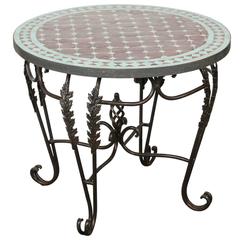
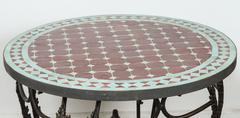
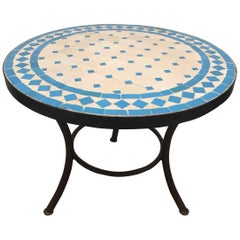
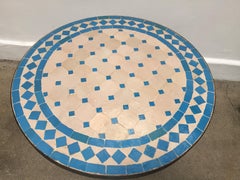
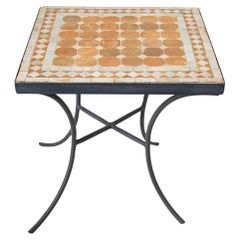
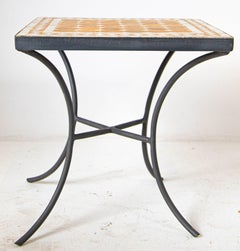
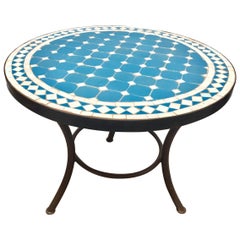
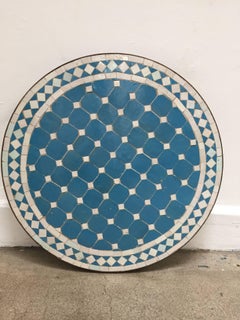
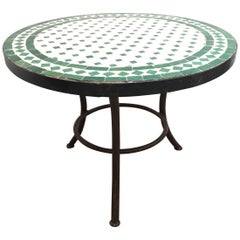
Choose from an assortment of styles, material and more with respect to the Moroccan outdoor side table you’re looking for at 1stDibs. Frequently made of
ceramic,
metal and
iron, every Moroccan outdoor side table was constructed with great care. Find 8 options for an antique or vintage Moroccan outdoor side table now, or shop our selection of 2 modern versions for a more contemporary example of this long-cherished piece. Your living room may not be complete without a Moroccan outdoor side table — find older editions for sale from the 20th Century and newer versions made as recently as the 21st Century. Each Moroccan outdoor side table bearing
modern hallmarks is very popular. A well-made Moroccan outdoor side table has long been a part of the offerings for many furniture designers and manufacturers, but those produced by
Bertu Furniture and
Berber Tribes of Morocco are consistently popular.
After the Muslim conquest of the Iberian Peninsula in the eighth century, Islamic Spain became a cultural mix of influences that shaped both private homes and religious spaces. Moorish design was the name given to this style, which evolved through the 15th century with vibrant tile work, horseshoe arches and lavish ornamentation, most visible at sites such as Granada’s Alhambra and the Mosque-Cathedral of Córdoba. Moorish furniture was often similarly ornate, and featured pieces inlaid with wood, ivory and bone.
When European designers began studying Moorish art and architecture in the early 19th century, it led to a Moorish Revival. Appropriating the style’s decorative flourishes and architectural elements, it promoted a romantic view of Islamic design. Travelers could bring home a memento of what they witnessed in the Middle East, a trend that aligned with a fad for themed interiors. Men’s smoking rooms arranged with ottomans, divans and settees and inlaid tables were especially popular, as were cafés where coffee was served amid bead curtains and colorful floor mats. (Handwoven rugs are a centerpiece of Moorish interiors.) Octagonal rooms with domed ceilings were created for wealthy homes, frequently with furnishings like pipe stands, filigree plasterwork and arched doorways. The horseshoe arch is an iconic attribute of Moorish architecture that, in addition to Spain, can be found in Sicily, Morocco and elsewhere.
Several late 19th to early 20th-century movements featured Moorish touches. The American and English Aesthetic Movement, for example, borrowed liberally from global decorating styles, as seen in furniture designed by Lockwood de Forest, a New York-born artist who mixed Eastern and Western forms. The visual vocabulary of Art Nouveau also references the elegant use of geometry in Moorish design, with Milanese Art Nouveau furniture designer Carlo Bugatti drawing inspiration from the style. The Arts and Crafts movement, which prized expressive yet simple design, incorporated Moorish influences; hand-painted furniture and tile work created by William De Morgan, a British designer and potter who made furnishings for the likes of Morris & Co., were informed by techniques from Moorish Spain.
Find a collection of Moorish lighting, decorative objects, folk art and more furniture on 1stDibs.
Whether you're sitting around a firepit, playing games or enjoying a meal, outdoor furniture is crucial for a successful social gathering.
We’ve come a long way from the rudimentary patio and garden furniture of yore, which, in the Ancient Roman and Greek eras, meant stone slabs. Back then, your grandiose patch of outdoor greenery was a place to relax and admire the manicured hedges and fruit orchards. Fortunately, advancements in the design of outdoor furniture as well as the burgeoning of artisan landscape designers have made it easier to do so since then.
The need for outdoor chairs, tables and benches to withstand varying weather conditions means that many contemporary offerings prioritize durability over form. For a touch of glamour in your garden, antique and vintage pieces from France or Italy, which have already proven they can stand the test of time, can introduce an elegant sensibility to your outdoor space.
In the late 1940s, Hawaii-based architect Walter Lamb began fashioning outdoor furniture from nautical rope and metal tubing rescued from sunken Pearl Harbor ships. Although his designs were originally intended as gifts for returning GIs, his creations gained such popularity that they were picked up by the then-new Brown Jordan furniture company of California.
Lamb’s adventurous creations inspired many designers who followed. The seating and tables crafted by other mid-century furniture makers noted for their seminal patio and garden works — a list that includes Hendrik Van Keppel and Taylor Green, Russell Woodard and Woodard Furniture, Maurizio Tempestini and Richard Schultz — remain highly sought after by collectors today.
Whether it’s wicker couches for your screened porch or wrought-iron armchairs for fireside drinks, find the antique and vintage patio and garden furniture you need to wind down the day or welcome the morning sun on 1stDibs.