Arthur George Murphy (1906-1991)
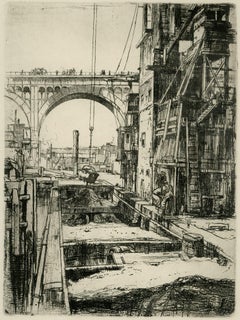
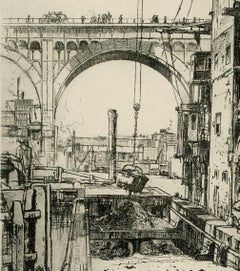
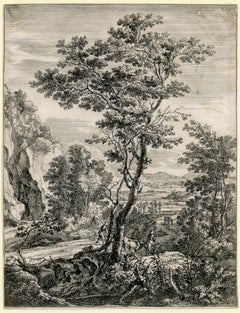
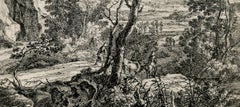
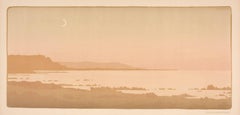
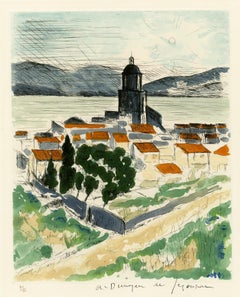
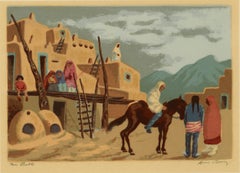
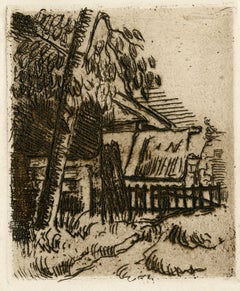
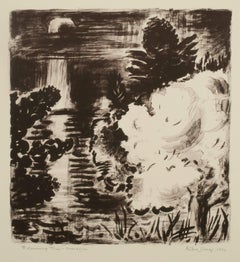
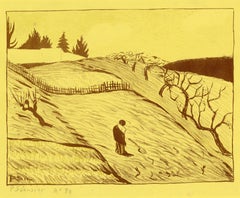
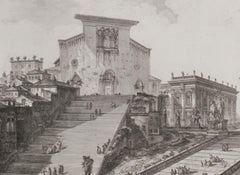
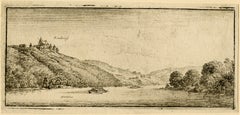
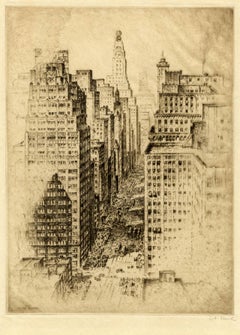
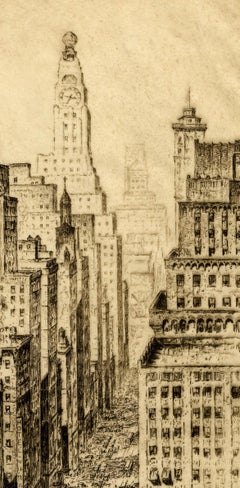
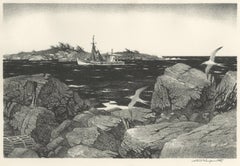
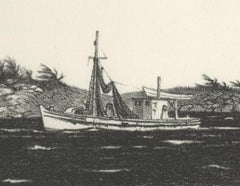
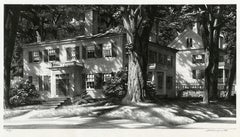
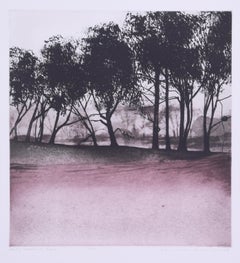
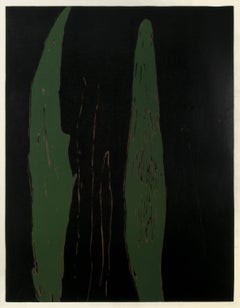
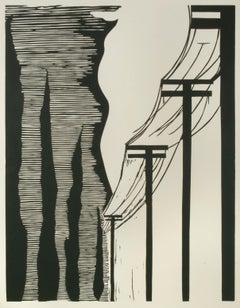
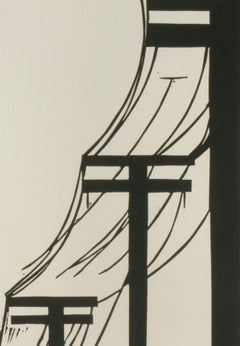
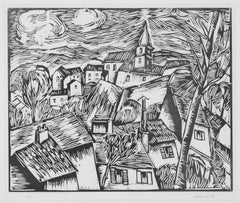
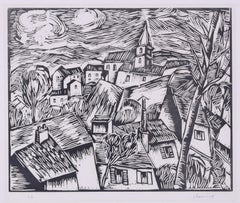
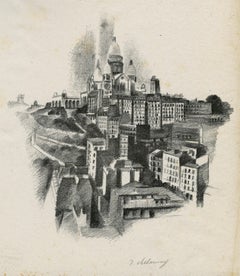
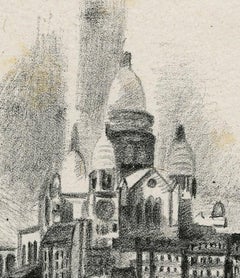
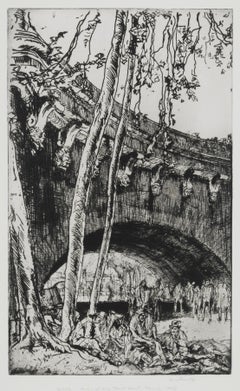
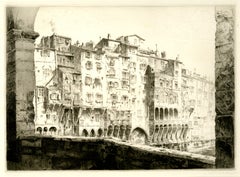
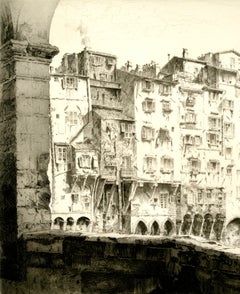
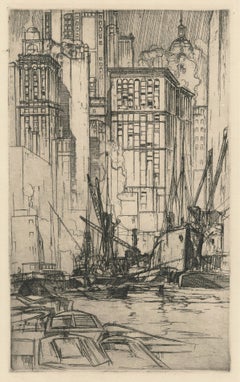
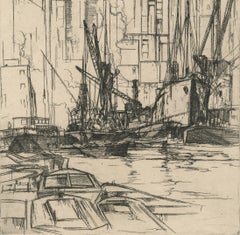
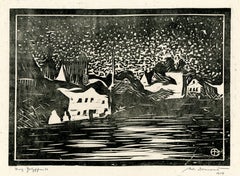
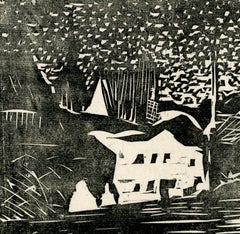
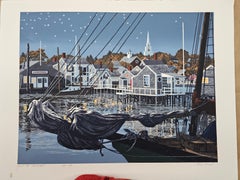
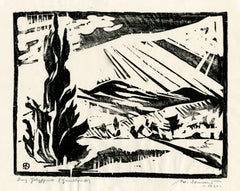
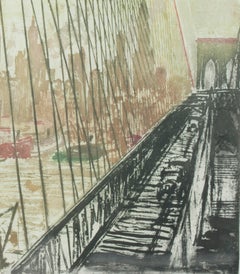
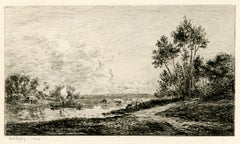
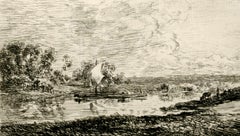
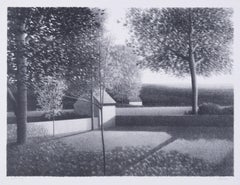
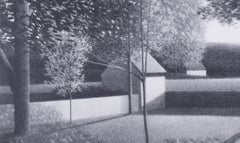
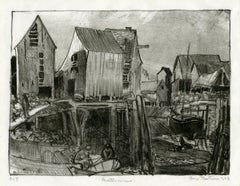
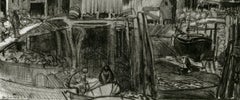
Landscape #6 (San Francisco)
Lithograph, c. 1938
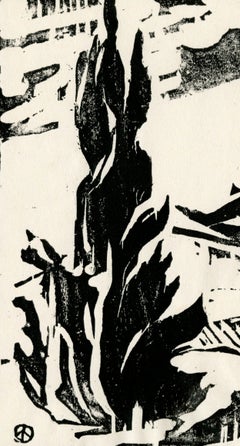
Signed with the artist's initials lower right
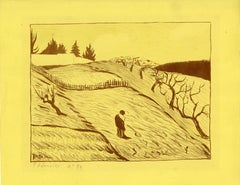
titled verso (photo show full sheet inreverse)
Annotated "Calif" verso
Published and printed by: Works Progress Administration (WPA), Federal Art Project, San Francisco
Note: This impression does NOT have the usual WPA Federal Art Project stamp on it. It is a unstamped proof that we believe was given to a family member in Ohio where Murphy was born.
Edition: Probably fewer than 25 impressions; the exact number printed for this lithograph has not been documented.
Museum: Baltimore Museum of Art
Weisman Art Museum
Condition: Wrinkles in the this japon lower right corner, to the right of the artist's initials
Reference: General Services Administration (GSA), No. 92
Arthur George Murphy (1906–1991)
Arthur George Murphy was an American painter, teacher, and especially prolific lithographer. Born in Tiffin, Ohio, he studied at the Cleveland School of Art and the Art Students League in New York before moving to San Francisco in 1930. His strongest body of prints grew out of the San Francisco Federal Art Project in the later 1930s. He subsequently served as a war artist in the South Pacific and settled in Connecticut after World War II. The documented WPA publication and printing credits on his lithographs confirm his participation in the project.
Analysis
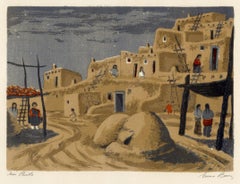
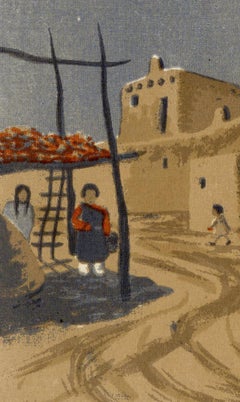
Murphy’s lithographs range from Bay Bridge construction workers to horses, rodeo riders, dancers, and New Mexico landscapes. The bridge prints give muscular figures and steel structures comparable visual weight: workers appear embedded in the machinery they operate. In the horse and rodeo subjects, he pares forms down to quick, sweeping contours that convey movement with remarkably little detail. His Taos Plains takes a quieter approach, using broad open space and a low band of distant activity to convey scale. These are observations about the prints’ compositions, rather than claims that every impression was drawn directly from life.
Murphy is significant within New Deal printmaking for that breadth. His industrial subjects celebrate skilled labor, while his animal and landscape prints show a sustained interest in motion, contour, and the American West. MoMA identifies the San Francisco WPA Federal Art Project as both publisher and printer of its impressions of Pueblo – New Mexico #2 and Citizen Dancing; it describes their editions as “probably fewer than 25.” That estimate should be applied to those catalogued works, not assumed for every Murphy lithograph.
Documented museum holdings
Institution Examples in its collection record
National Gallery of Art, Washington Twelve listed lithographs, including Steel Riggers – No. 3 – Bay Bridge (1936), Taos Plains (1937), Bullrider No. 1 (1937), and Bulldoggers (c. 1940).
Metropolitan Museum of Art, New York Bridge Worker No. 7 (1936), Seagulls, Horse Group #19, Citizen Perplexed, and other WPA lithographs...
Category
1930s American Modern Ohio - Landscape Prints