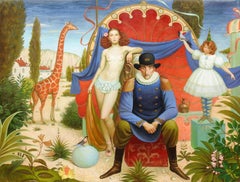
Find the exact oleg turchin you’re shopping for in the variety available on 1stDibs. Find
Photorealist versions now, or shop for
Photorealist creations for a more modern example of these cherished works. Adding a oleg turchin to a room that is mostly decorated in warm neutral tones can yield a welcome change — find a piece on 1stDibs that incorporates elements of
black,
brown,
beige,
purple and more. Artworks like these of any era or style can make for thoughtful decor in any space, but a selection from our variety of those made in
canvas,
fabric and
oil paint can add an especially memorable touch. A large oleg turchin can be an attractive addition to some spaces, while smaller examples are available — approximately spanning 30 high and 24 wide — and may be better suited to a more modest living area.
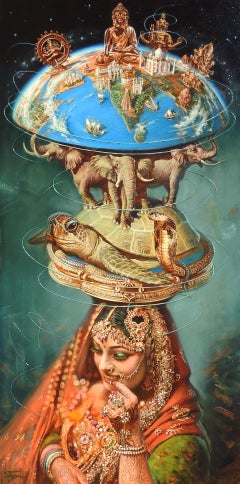
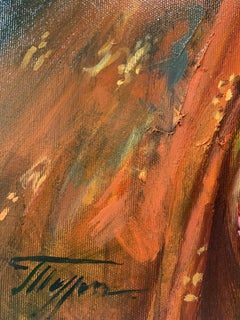
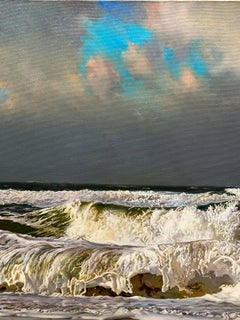
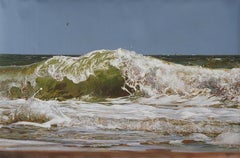
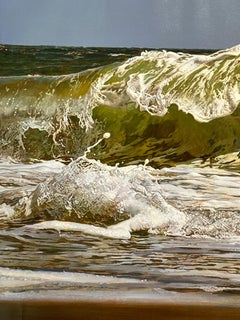
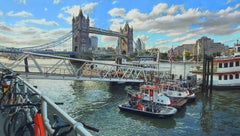
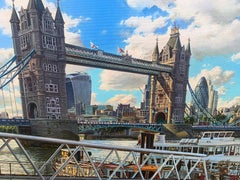
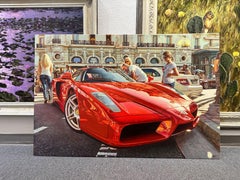
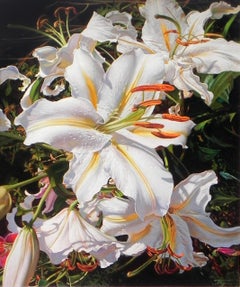
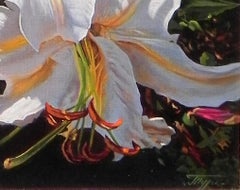
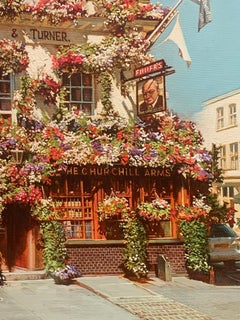
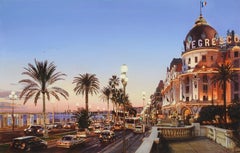
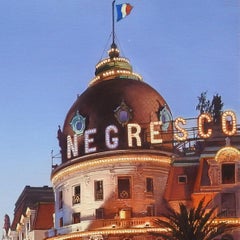
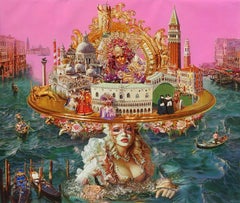
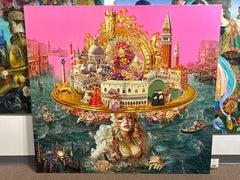
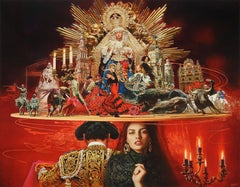
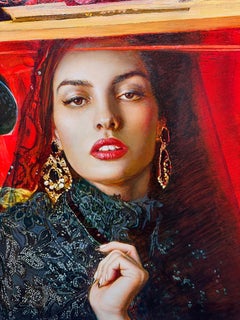
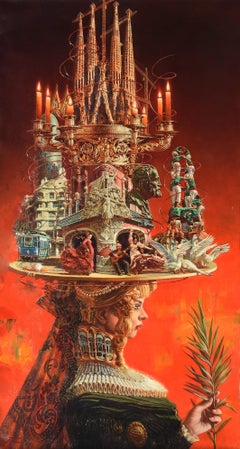
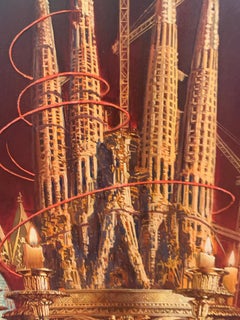
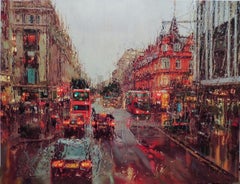
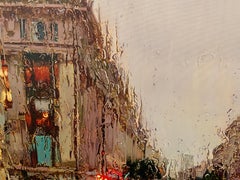
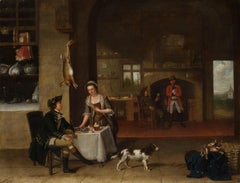
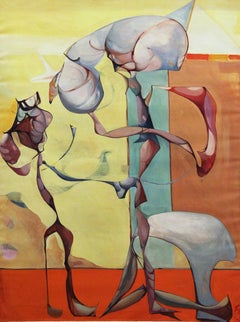
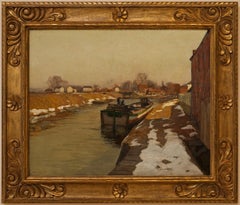
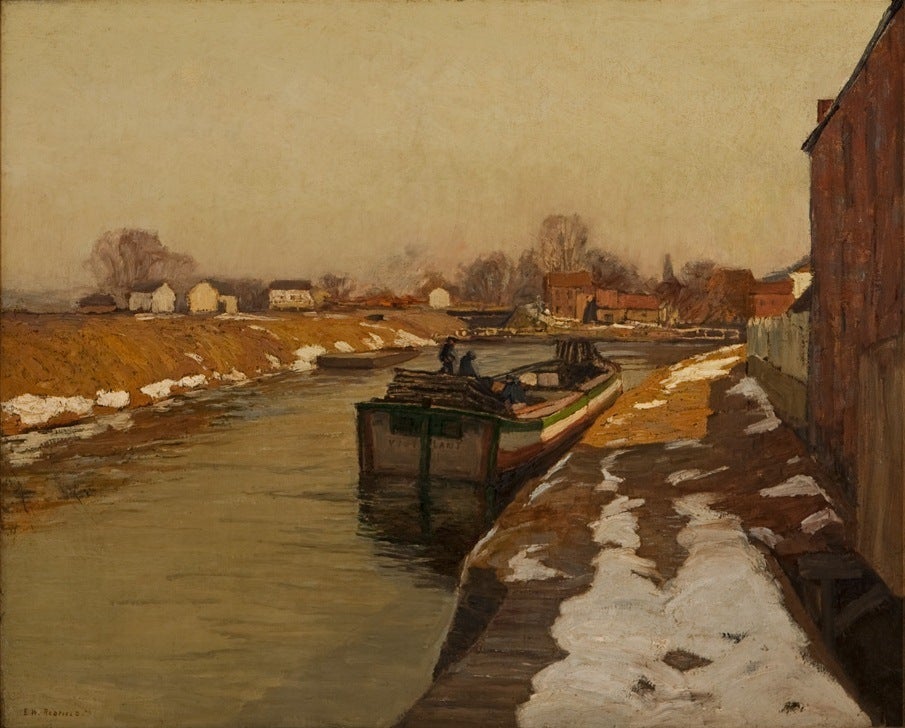
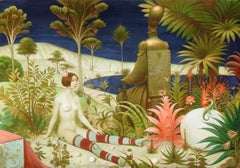
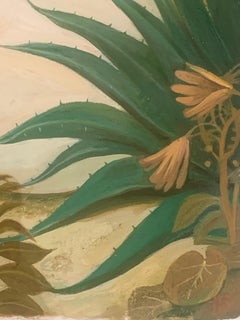
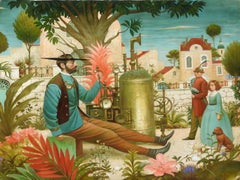
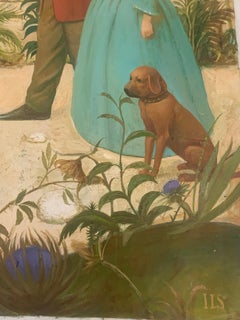
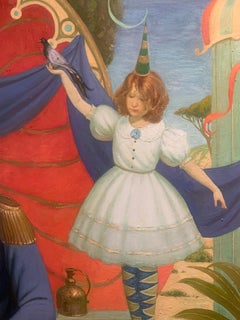
Oleg Turchin was born on 29 June 1964 in Kishinev, Moldova, the USSR. Turchin is a talented artist. According to Turchin, he became interested in drawing and painting in childhood. After graduating from children’s art school, in 1981, he entered the art school named after Shchusev. Then, he studied at the Art Institute of Ilya Repin. Turchin graduated from the Institute of Arts, Faculty of Painting in 1997. The genres of painting, in which Turkin works vary from realism to surrealism, landscapes, genre scenes, portraits and still life. Working with oil, the artist achieves a striking photographic clarity and sharpness.
It could be argued that cave walls were the canvases for the world’s first landscape paintings, which depict and elevate natural scenery through art, but there is a richer history to consider.
The Netherlands was home to landscapes as a major theme in painting as early as the 1500s, and ink-on-silk paintings in China featured mountains and large bodies of water as far back as the third century. Greeks created vast wall paintings that depicted landscapes and grandiose garden scenes, while in the late 15th century and early 16th century, landscapes were increasingly the subject of watercolor works by the likes of Leonardo da Vinci and Fra Bartolomeo.
The popularity of religious paintings eventually declined altogether, and by the early 19th century, painters of classical landscapes took to painting out-of-doors (plein-air painting). Paintings of natural scenery were increasingly realistic but romanticized too. Into the 20th century, landscapes remained a major theme for many artists, and while the term “landscape painting” may call to mind images of lush, grassy fields and open seascapes, the genre is characterized by more variety, colors and diverse styles than you may think. Painters working in the photorealist style of landscape painting, for example, seek to create works so lifelike that you may confuse their paint for camera pixels. But if you’re shopping for art to outfit an important room, the work needs to be something with a bit of gravitas (and the right frame is important, too).
Adding a landscape painting to your home can introduce peace and serenity within the confines of your own space. (Some may think of it as an aspirational window of sorts rather than a canvas.) Abstract landscape paintings by the likes of Korean painter Seungyoon Choi or Georgia-based artist Katherine Sandoz, on the other hand, bring pops of color and movement into a room. These landscapes refuse to serve as a background. Elsewhere, Adam Straus’s technology-inspired paintings highlight how our extreme involvement with our devices has removed us from the glory of the world around us. Influenced by modern life and steeped in social commentary, Straus’s landscape paintings make us see our surroundings anew.
Whether you’re seeking works by the world’s most notable names or those authored by underground legends, find a vast collection of landscape paintings on 1stDibs.