Wisconsin Chair
to
3
141
118
19
4
64
34
4
2
1
1
18
122
6
6
6
1
1
1
1
1
4
126
125
22
6
4
141
141
141
140
140
124
2
2
1
1
Sort By
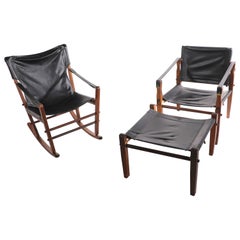
3 Pc. Suite Safari Chairs and Ottoman by Gold Metal Furniture Racine, Wisconsin
Located in New York, NY
Chic voguish set of Safari style chairs (2) and ottoman (1) manufactured by the Gold Metal
Category
Mid-20th Century American Campaign Chairs
Materials
Upholstery, Wood

$2,000 / set
H 33 in W 22 in D 32 in
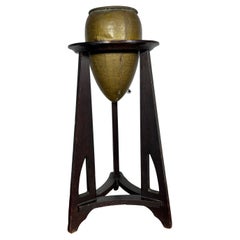
Arts & Crafts / Art Nouveau Planter / Hammed vase , Lakeside Craft Shops
By Arts and Crafts Company
Located in Buffalo, NY
Wisconsin Chair Company, and he held investments in many other enterprises. The Company’s motto was “Art in
Category
Vintage 1910s American Art Nouveau Planters, Cachepots and Jardinières
Materials
Brass
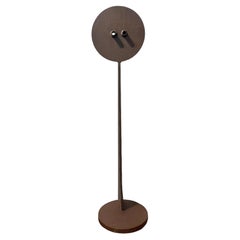
Found and Salvaged Industrial Steel Object Sculpture Figure with Face
By Jim Rose
Located in Chicago, IL
Art, Univ of WI-Madison
2002 Sitting Pretty: Contemporary Wisconsin Chairs, Leigh Yawkey Woodson Art
Category
2010s American Folk Art Figurative Sculptures
Materials
Steel
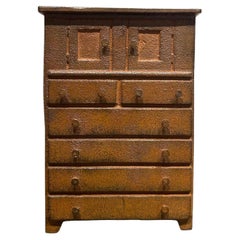
Jim Rose Two Door - Six Drawer Cupboard Maquette, Solid Cast Iron Furniture
By Jim Rose
Located in Chicago, IL
, Elvehjem Museum of Art, Univ of WI-Madison
2002 Sitting Pretty: Contemporary Wisconsin Chairs, Leigh
Category
2010s American Mid-Century Modern Decorative Boxes
Materials
Steel, Iron
$1,500
H 6 in W 4.25 in D 2 in
Assemblage No. 10, Found Object Minimalist Welded Steel Wall Sculpture
By Jim Rose
Located in Chicago, IL
Art, Univ of WI-Madison
2002 Sitting Pretty: Contemporary Wisconsin Chairs, Leigh Yawkey Woodson Art
Category
2010s American Shaker Abstract Sculptures
Materials
Steel
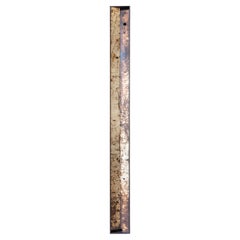
$2,000
H 59.5 in W 5.25 in D 2.25 in
Assemblage No. 08 - Found Object Minimalist Welded Steel Wall Sculpture
By Jim Rose
Located in Chicago, IL
Art, Univ of WI-Madison
2002 Sitting Pretty: Contemporary Wisconsin Chairs, Leigh Yawkey Woodson Art
Category
2010s American Shaker Abstract Sculptures
Materials
Steel
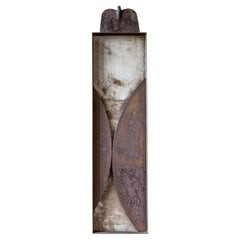
$2,000
H 26 in W 19.5 in D 1.75 in
Found Object Sculpture - Collected Steel Assemblage No. 05 by Jim Rose
By Jim Rose
Located in Chicago, IL
Art, Univ of WI-Madison
2002 Sitting Pretty: Contemporary Wisconsin Chairs, Leigh Yawkey Woodson Art
Category
2010s American Shaker Abstract Sculptures
Materials
Steel
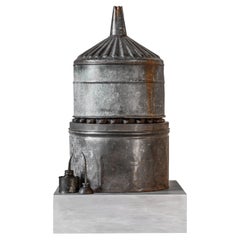
$1,800
H 28.5 in W 12 in D 12.75 in
Found Object Sculpture - Collected Steel Assemblage No. 3 by Jim Rose
By Jim Rose
Located in Chicago, IL
Art, Univ of WI-Madison
2002 Sitting Pretty: Contemporary Wisconsin Chairs, Leigh Yawkey Woodson Art
Category
2010s American Shaker Abstract Sculptures
Materials
Steel
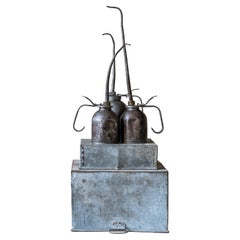
$1,800
H 28.5 in W 12 in D 12.75 in
Found Object Sculpture - Collected Steel Assemblage No. 07 by Jim Rose
By Jim Rose
Located in Chicago, IL
Art, Univ of WI-Madison
2002 Sitting Pretty: Contemporary Wisconsin Chairs, Leigh Yawkey Woodson Art
Category
2010s American Shaker Abstract Sculptures
Materials
Steel
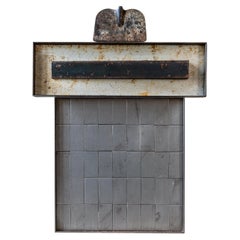
$2,000
H 26 in W 19.5 in D 1.75 in
Steel and Wood Assemblage - Industrial sculpture - Jim Rose
By Jim Rose
Located in Chicago, IL
, Elvehjem Museum of Art, Univ of WI-Madison
2002 Sitting Pretty: Contemporary Wisconsin Chairs, Leigh
Category
2010s American Rustic Mobiles and Kinetic Sculptures
Materials
Steel
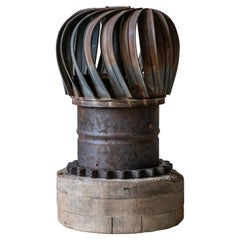
Found Object Sculpture - Collected Steel Assemblage by Jim Rose
By Jim Rose
Located in Chicago, IL
Art, Univ of WI-Madison
2002 Sitting Pretty: Contemporary Wisconsin Chairs, Leigh Yawkey Woodson Art
Category
2010s American Shaker Abstract Sculptures
Materials
Steel
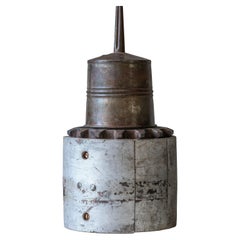
Assemblage No.04 - Steel and Wood Assemblage - Industrial sculpture - Jim Rose
By Jim Rose
Located in Chicago, IL
, Elvehjem Museum of Art, Univ of WI-Madison
2002 Sitting Pretty: Contemporary Wisconsin Chairs, Leigh
Category
2010s American Rustic Mobiles and Kinetic Sculptures
Materials
Steel
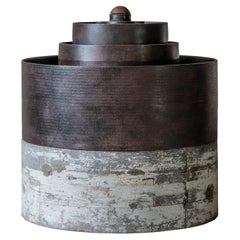
$1,800
H 16 in W 16 in D 17.5 in
Jim Rose - Original Tall One Door "Fans" Quilt Cupboard, Monochromatic Pattern
By Jim Rose
Located in Chicago, IL
Wisconsin Chairs, Leigh Yawkey Woodson Art Museum, Wausau, WI
2001 Anything with a Drawer - Award Recipient
Category
2010s American Modern Cabinets
Materials
Steel
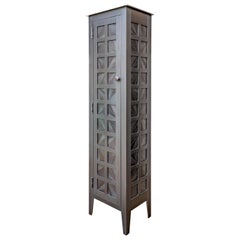
$11,000
H 67.5 in W 18 in D 14.25 in
Jim Rose, Two Door Strip Quilt Cabinet, Functional Art Steel Furniture
By Jim Rose
Located in Chicago, IL
Art, Univ of WI-Madison
2002 Sitting Pretty: Contemporary Wisconsin Chairs, Leigh Yawkey Woodson Art
Category
2010s American Mid-Century Modern Cupboards
Materials
Steel
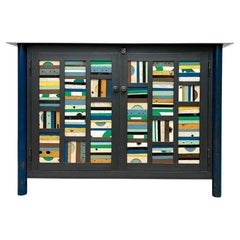
$7,000
H 39.25 in W 56 in D 12.5 in
Found and Salvaged Steel House Structure, Modern and Minimalist Sculpture
By Jim Rose
Located in Chicago, IL
Wisconsin Chairs, Leigh Yawkey Woodson Art Museum, Wausau, WI
2001 Anything with a Drawer - Award Recipient
Category
2010s American Folk Art Abstract Sculptures
Materials
Metal, Steel
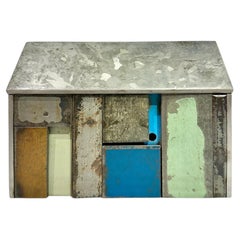
$1,500
H 5.5 in W 7.75 in D 1.75 in
Jim Rose Two-Door Strips Quilt Cupboard, Brightly Colored Steel Art Furniture
By Jim Rose
Located in Chicago, IL
-Madison
2002 Sitting Pretty: Contemporary Wisconsin Chairs, Leigh Yawkey Woodson Art Museum, Wausau, WI
Category
2010s American Mid-Century Modern Cupboards
Materials
Steel
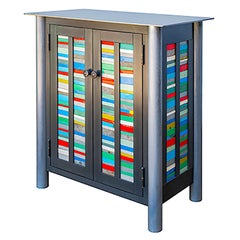
$5,800
H 36 in W 35 in D 18 in
Armoire, Shaker Style in Steel with Natural Rusted Patina by Jim Rose
By Jim Rose
Located in Chicago, IL
, Elvehjem Museum of Art, Univ of WI-Madison
2002 Sitting Pretty: Contemporary Wisconsin Chairs, Leigh
Category
Early 2000s American Shaker Wardrobes and Armoires
Materials
Steel
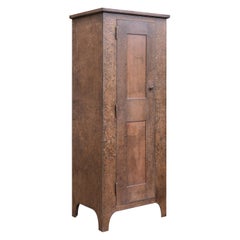
$11,000
H 73.5 in W 28 in D 21 in
Cupboard, 4 Doors, 2 Drawer Shaker Style in Steel with Natural Rusted Patina
By Jim Rose
Located in Chicago, IL
: Contemporary Wisconsin Chairs, Leigh Yawkey Woodson Art Museum, Wausau, WI
2001 Anything with a Drawer - Award
Category
21st Century and Contemporary American Shaker Wardrobes and Armoires
Materials
Steel
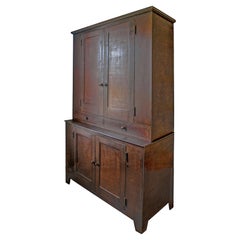
$14,000
H 83.5 in W 48.75 in D 21 in
Found and Salvaged Steel House Structure on a Reclaimed Steel Plate, Wooden Base
By Jim Rose
Located in Chicago, IL
Wisconsin Chairs, Leigh Yawkey Woodson Art Museum, Wausau, WI
2001 Anything with a Drawer - Award Recipient
Category
2010s American Folk Art Abstract Sculptures
Materials
Metal, Steel
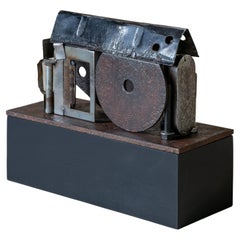
$1,500
H 2.5 in W 5 in D 8 in
House Sculpture, Minimalist Modern Structure, Rusted Steel Wedge on Wood Blocks
By Jim Rose
Located in Chicago, IL
Wisconsin Chairs, Leigh Yawkey Woodson Art Museum, Wausau, WI
2001 Anything with a Drawer - Award Recipient
Category
2010s American Minimalist Abstract Sculptures
Materials
Metal, Steel
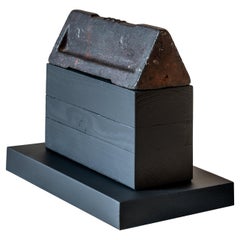
$800
H 6.5 in W 8 in D 3 in
Jim Rose - Construct No. 03, Salvaged Steel and Aluminum Industrial Objects
By Jim Rose
Located in Chicago, IL
Art, Univ of WI-Madison
2002 Sitting Pretty: Contemporary Wisconsin Chairs, Leigh Yawkey Woodson Art
Category
2010s American Folk Art Abstract Sculptures
Materials
Metal, Steel
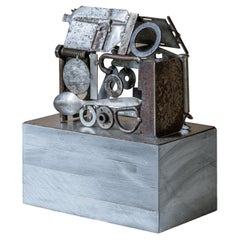
$1,500
H 10.75 in W 5.25 in D 9.5 in
Jim Rose Two-Door Housetop Weave Multi-Color Steel Quilt Pattern Cupboard
By Jim Rose
Located in Chicago, IL
Wisconsin Chairs, Leigh Yawkey Woodson Art Museum, Wausau, WI
2001 Anything with a Drawer - Award Recipient
Category
2010s American American Craftsman Cupboards
Materials
Steel
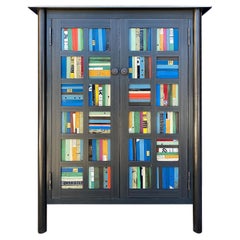
$6,400
H 42 in W 33 in D 17 in
Jim Rose Two-Door Chinese Coins Quilt Cupboard, Functional Art Steel Furniture
By Jim Rose
Located in Chicago, IL
Art, Univ of WI-Madison
2002 Sitting Pretty: Contemporary Wisconsin Chairs, Leigh Yawkey Woodson Art
Category
2010s American Mid-Century Modern Cupboards
Materials
Steel
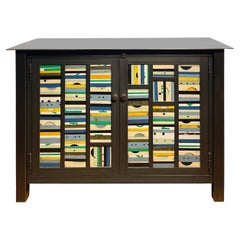
$7,000
H 38.25 in W 53.88 in D 21 in
Shaker Tall Cabinet With Door and Drawers, Steel Cupboard by Jim Rose
By Jim Rose
Located in Chicago, IL
Art, Univ of WI-Madison
2002 Sitting Pretty: Contemporary Wisconsin Chairs, Leigh Yawkey Woodson Art
Category
Early 2000s American Shaker Cabinets
Materials
Steel
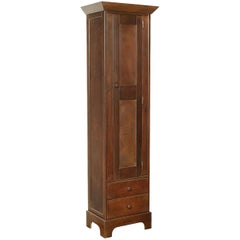
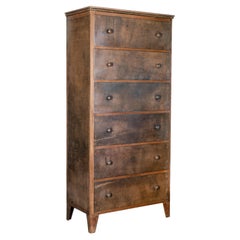
Shaker Inspired Chest of Drawers, Steel Furniture Natural Rust Patina
By Jim Rose
Located in Chicago, IL
Art, Univ of WI-Madison
2002 Sitting Pretty: Contemporary Wisconsin Chairs, Leigh Yawkey Woodson Art
Category
Early 2000s American Mid-Century Modern Dressers
Materials
Steel
Shaker Tripod Table, Shaker Style in Painted Repurposed Steel by Jim Rose
By Jim Rose
Located in Chicago, IL
Wisconsin Chairs, Leigh Yawkey Woodson Art Museum, Wausau, WI
2001 Anything with a Drawer - Award Recipient
Category
Early 2000s American Shaker End Tables
Materials
Steel
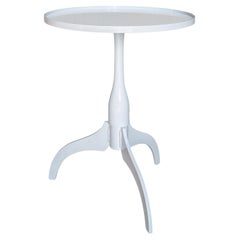
$5,500
H 27.75 in Dm 21.5 in
Shaker Inspired Settee, Shaker Style in Painted Repurposed Steel by Jim Rose
By Jim Rose
Located in Chicago, IL
Art, Univ of WI-Madison
2002 Sitting Pretty: Contemporary Wisconsin Chairs, Leigh Yawkey Woodson Art
Category
Early 2000s American Shaker Benches
Materials
Steel
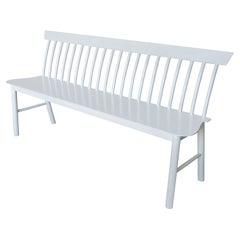
$8,500
H 33.5 in W 64 in D 15 in
Found and Salvaged Steel House Structure, Modern and Minimalist Sculpture
By Jim Rose
Located in Chicago, IL
Art, Univ of WI-Madison
2002 Sitting Pretty: Contemporary Wisconsin Chairs, Leigh Yawkey Woodson Art
Category
2010s American Folk Art Abstract Sculptures
Materials
Metal, Steel
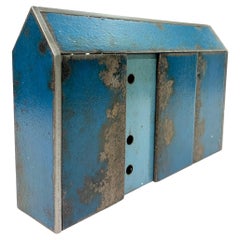
$1,500
H 6 in W 9.25 in D 2 in
Jim Rose - Coffee Table, Steel Furniture, Hot Rolled and Repurposed Steel
By Jim Rose
Located in Chicago, IL
Art, Univ of WI-Madison
2002 Sitting Pretty: Contemporary Wisconsin Chairs, Leigh Yawkey Woodson Art
Category
2010s American Mid-Century Modern Coffee and Cocktail Tables
Materials
Steel
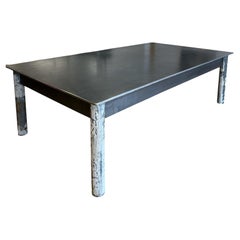
$6,800
H 18 in W 32 in D 60 in
Jim Rose Barn House Structure, Welded Steel Sculpture Made with Salvaged Steel
By Jim Rose
Located in Chicago, IL
Wisconsin Chairs, Leigh Yawkey Woodson Art Museum, Wausau, WI
2001 Anything with a Drawer - Award
Category
2010s American Folk Art Figurative Sculptures
Materials
Steel
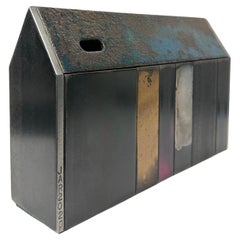
$1,750
H 6.5 in W 10 in D 2.75 in
Shaker Inspired Enfield Table, Steel Furniture, Natural Rust Patina by Jim Rose
By Jim Rose
Located in Chicago, IL
Art, Univ of WI-Madison
2002 Sitting Pretty: Contemporary Wisconsin Chairs, Leigh Yawkey Woodson Art
Category
2010s American Mid-Century Modern End Tables
Materials
Steel
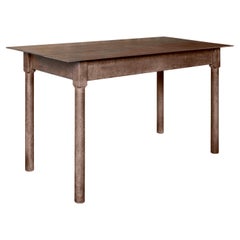
$4,000
H 29 in W 53 in D 22.5 in
Jim Rose Barn House Structure, Welded Steel Sculpture Made with Salvaged Steel
By Jim Rose
Located in Chicago, IL
Wisconsin Chairs, Leigh Yawkey Woodson Art Museum, Wausau, WI
2001 Anything with a Drawer - Award
Category
2010s American Folk Art Figurative Sculptures
Materials
Steel
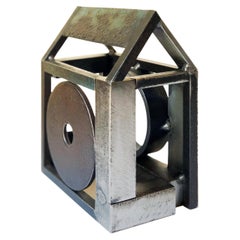
$1,750
H 7.25 in W 5.5 in D 3.5 in
Jim Rose Barn House Structure, Welded Steel Sculpture Made with Salvaged Steel
By Jim Rose
Located in Chicago, IL
, Elvehjem Museum of Art, Univ of WI-Madison
2002 Sitting Pretty: Contemporary Wisconsin Chairs, Leigh
Category
2010s American Folk Art Figurative Sculptures
Materials
Steel
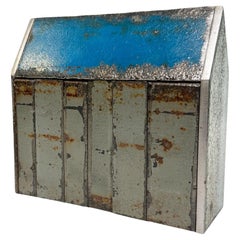
$1,500
H 6.25 in W 7 in D 3.75 in
Found and Salvaged Steel House Structure on a Reclaimed Steel Plate, Wooden Base
By Jim Rose
Located in Chicago, IL
Wisconsin Chairs, Leigh Yawkey Woodson Art Museum, Wausau, WI
2001 Anything with a Drawer - Award Recipient
Category
2010s American Folk Art Abstract Sculptures
Materials
Metal, Steel
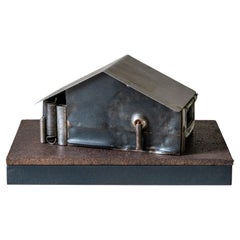
$1,500
H 6 in W 12.5 in D 8.25 in
Found and Salvaged Steel Industrial Objects on Wooden Base
By Jim Rose
Located in Chicago, IL
Wisconsin Chairs, Leigh Yawkey Woodson Art Museum, Wausau, WI
2001 Anything with a Drawer - Award Recipient
Category
2010s American Folk Art Abstract Sculptures
Materials
Metal, Steel
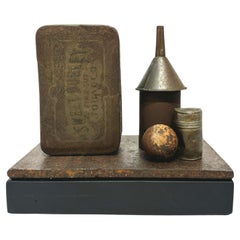
Jim Rose Barn House Structure, Welded Steel Object Made with Salvaged Steel
By Jim Rose
Located in Chicago, IL
Art, Univ of WI-Madison
2002 Sitting Pretty: Contemporary Wisconsin Chairs, Leigh Yawkey Woodson Art
Category
2010s American Folk Art Figurative Sculptures
Materials
Steel
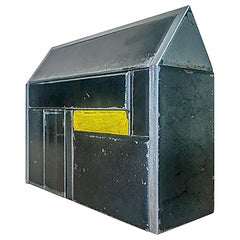
$1,500
H 5 in W 6.5 in D 2 in
Jim Rose - Repurposed Steel Bookcase in Natural Rusted Patina, Art Furniture
By Jim Rose
Located in Chicago, IL
, Elvehjem Museum of Art, Univ of WI-Madison
2002 Sitting Pretty: Contemporary Wisconsin Chairs, Leigh
Category
1990s American Shaker Bookcases
Materials
Steel
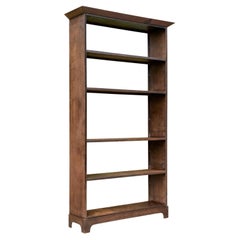
$9,500
H 100.5 in W 49.5 in D 14 in
Jim Rose - Construct No. 05, Salvaged Steel and Aluminum Industrial Objects
By Jim Rose
Located in Chicago, IL
Wisconsin Chairs, Leigh Yawkey Woodson Art Museum, Wausau, WI
2001 Anything with a Drawer - Award Recipient
Category
2010s American Folk Art Abstract Sculptures
Materials
Metal, Steel
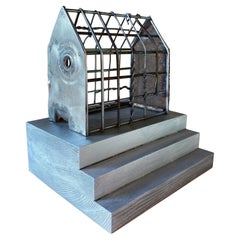
$1,500
H 5.5 in W 6.25 in D 3.25 in
Found and Salvaged Industrial Objects, Metal Sculpture on Base
By Jim Rose
Located in Chicago, IL
Art, Univ of WI-Madison
2002 Sitting Pretty: Contemporary Wisconsin Chairs, Leigh Yawkey Woodson Art
Category
2010s American Folk Art Figurative Sculptures
Materials
Steel, Metal
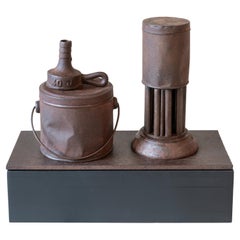
Jim Rose - Construct No. 02, Salvaged Steel and Aluminum Industrial Objects
By Jim Rose
Located in Chicago, IL
, Elvehjem Museum of Art, Univ of WI-Madison
2002 Sitting Pretty: Contemporary Wisconsin Chairs, Leigh
Category
2010s American Folk Art Abstract Sculptures
Materials
Metal, Steel
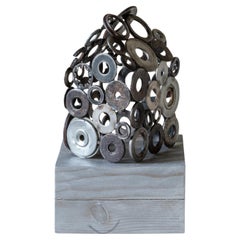
$1,500
H 9.25 in W 5.75 in D 5.5 in
Found and Salvaged Steel House Structure on a Reclaimed Steel Base
By Jim Rose
Located in Chicago, IL
Wisconsin Chairs, Leigh Yawkey Woodson Art Museum, Wausau, WI
2001 Anything with a Drawer - Award Recipient
Category
2010s American Folk Art Abstract Sculptures
Materials
Metal, Steel
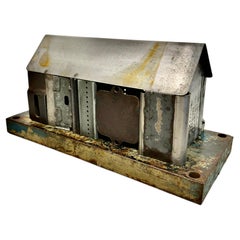
Minimalist Modern Structure, Rusted Steel on Wood Block Base
By Jim Rose
Located in Chicago, IL
Wisconsin Chairs, Leigh Yawkey Woodson Art Museum, Wausau, WI
2001 Anything with a Drawer - Award Recipient
Category
2010s American Minimalist Abstract Sculptures
Materials
Metal, Steel
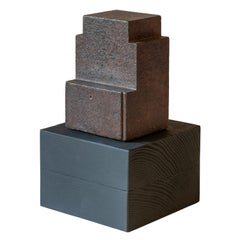
Jim Rose Legacy Collection - Chest of Drawers, Solid Cast Iron Miniature
By Jim Rose
Located in Chicago, IL
, Elvehjem Museum of Art, Univ of WI-Madison
2002 Sitting Pretty: Contemporary Wisconsin Chairs, Leigh Yawkey
Category
Early 2000s American Folk Art Models and Miniatures
Materials
Steel
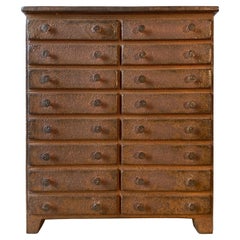
$1,500
H 6 in W 5.25 in D 2 in
Jim Rose - Wire Dog, Repurposed Heavy Wire Dog Sculpture, Cylindrical Metal Base
By Jim Rose
Located in Chicago, IL
Art, Univ of WI-Madison
2002 Sitting Pretty: Contemporary Wisconsin Chairs, Leigh Yawkey Woodson Art
Category
2010s American Folk Art Abstract Sculptures
Materials
Metal, Steel
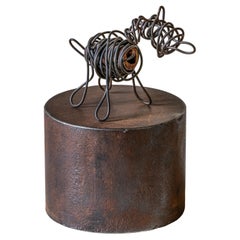
$350
H 6.75 in Dm 4 in
Found and Salvaged Steel Structure on a Wooden Base
By Jim Rose
Located in Chicago, IL
Art, Univ of WI-Madison
2002 Sitting Pretty: Contemporary Wisconsin Chairs, Leigh Yawkey Woodson Art
Category
2010s American Folk Art Abstract Sculptures
Materials
Metal, Steel
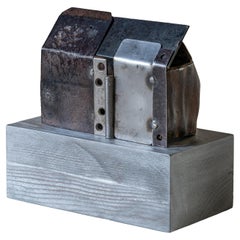
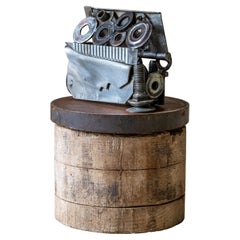
Found and Salvaged Steel Structure on a Steel & Wooden Circular Base
By Jim Rose
Located in Chicago, IL
Wisconsin Chairs, Leigh Yawkey Woodson Art Museum, Wausau, WI
2001 Anything with a Drawer - Award Recipient
Category
2010s American Folk Art Abstract Sculptures
Materials
Metal, Steel
Art Deco Wolfgang Hoffmann Romweber World's Fair Century of Progress Sideboard
By Wolfgang Hoffmann, Romweber Furniture Co.
Located in Forney, TX
of Wabash, IN; with the bridge game furniture in the living room by Wisconsin Chair Company of
Category
Early 20th Century American Art Deco Sideboards
Materials
Birch, Mahogany, Rosewood
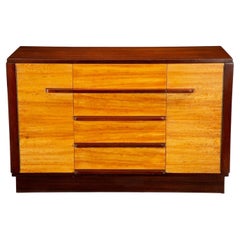
$9,500
H 30 in W 49 in D 20 in
Art Deco Signed Wolfgang Hoffmann for Romweber World's Fair Display Cabinet
By Wolfgang Hoffmann, Romweber Furniture Co.
Located in Forney, TX
the bridge game furniture in the living room by Wisconsin Chair Company of Sheboygan, Wolfgang
Category
Early 20th Century American Art Deco Vitrines
Materials
Glass, Mahogany, Rosewood
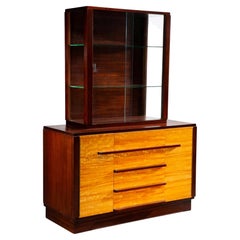
$9,500
H 66.75 in W 47.5 in D 19.5 in
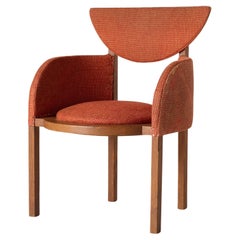
Taliesin Armchair from the Riverview Terrace Restaurant by Frank Lloyd Wright
By Frank Lloyd Wright
Located in San Francisco, CA
armchair designed by Frank Lloyd Wright for the Riverview Terrace Restaurant in Spring Green, Wisconsin
Category
Vintage 1950s American Modern Armchairs
Materials
Oak
$15,000
H 30.5 in W 21.5 in D 21 in
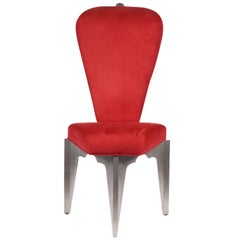
Diamond Spine Sculptural Aluminum Side Chair by Bilhenry Walker
By Bilhenry Walker
Located in Quechee, VT
artist, Bilhenry Walker of Milwaukee, Wisconsin.
This side chair is the one-of-a-kind prototype of his
Category
21st Century and Contemporary American Post-Modern Chairs
Materials
Stainless Steel, Steel, Aluminum
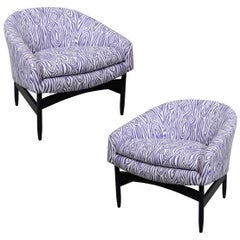
Pair of Newly Upholstered Purple & White Animal Print Barrel Back Lounge Chairs
By Lawrence Peabody
Located in Houston, TX
animal print barrel back lounge chairs with newly lacquered wood frames. This pair features new faux bois
Category
Mid-20th Century American Mid-Century Modern Lounge Chairs
Materials
Upholstery, Wood
$6,890 / set
H 27 in W 30 in D 27 in
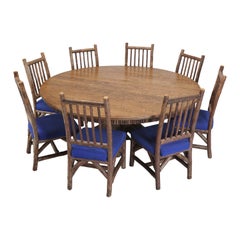
Round Rustic Oak Hand-Scraped Dining Table (8) Matching Chairs Made in Wisconsin
Located in Chicago, IL
Round Solid Oak that was Hand-Scraped Dining Room Table Seat (8) Made in Wisconsin.
Admittedly, for
Category
1990s American Rustic Dining Room Tables
Materials
Oak
$8,500 / set
H 29.5 in W 75.75 in D 76 in
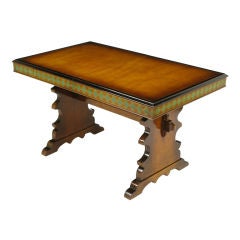
Germanic Hand Painted Harlequin Pattern Maple Trestle Table
By Phoenix Chair Company
Located in Chicago, IL
Wisconsin.
Phoenix Chair Company was an old line, revered furniture manufacturer located in
Category
Early 20th Century American Dining Room Tables
Materials
Maple, Lacquer
Jim Rose Barn House Structure, Welded Steel Sculpture Made with Salvaged Steel
By Jim Rose
Located in Chicago, IL
Art, Univ of WI-Madison
2002 Sitting Pretty: Contemporary Wisconsin Chairs, Leigh Yawkey Woodson Art
Category
2010s American Folk Art Figurative Sculptures
Materials
Steel
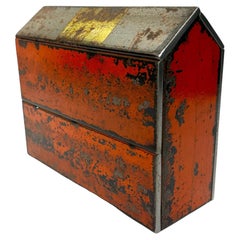
$1,500
H 6.5 in W 8 in D 3 in
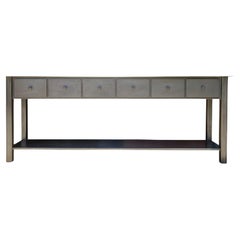
Jim Rose, Six Drawer Counter with Shelf, Functional Art Steel Furniture
By Jim Rose
Located in Chicago, IL
Art, Univ of WI-Madison
2002 Sitting Pretty: Contemporary Wisconsin Chairs, Leigh Yawkey Woodson Art
Category
2010s American Mid-Century Modern Console Tables
Materials
Steel
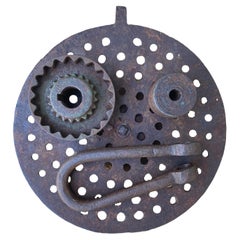
Found and Salvaged Industrial Steel Object Sculpture Arrangement
By Jim Rose
Located in Chicago, IL
Art, Univ of WI-Madison
2002 Sitting Pretty: Contemporary Wisconsin Chairs, Leigh Yawkey Woodson Art
Category
2010s American Folk Art Figurative Sculptures
Materials
Steel
Found and Salvaged Industrial Steel Object Sculpture Arrangement
By Jim Rose
Located in Chicago, IL
Art, Univ of WI-Madison
2002 Sitting Pretty: Contemporary Wisconsin Chairs, Leigh Yawkey Woodson Art
Category
2010s American Folk Art Figurative Sculptures
Materials
Steel

Found and Salvaged Industrial Steel Object Sculpture Arrangement
By Jim Rose
Located in Chicago, IL
Art, Univ of WI-Madison
2002 Sitting Pretty: Contemporary Wisconsin Chairs, Leigh Yawkey Woodson Art
Category
2010s American Folk Art Figurative Sculptures
Materials
Steel
- 1
Get Updated with New Arrivals
Save "Wisconsin Chair", and we’ll notify you when there are new listings in this category.
Wisconsin Chair For Sale on 1stDibs
Choose from an assortment of styles, material and more with respect to the wisconsin chair you’re looking for at 1stDibs. Each wisconsin chair for sale was constructed with extraordinary care, often using metal, steel and wood. If you’re shopping for a wisconsin chair, we have 15 options in-stock, while there are 25 modern editions to choose from as well. You’ve searched high and low for the perfect wisconsin chair — we have versions that date back to the 20th Century alongside those produced as recently as the 21st Century are available. A wisconsin chair, designed in the mid-century modern, folk art or modern style, is generally a popular piece of furniture. You’ll likely find more than one wisconsin chair that is appealing in its simplicity, but Jim Rose, Frank Lloyd Wright and Heritage-Henredon produced versions that are worth a look.
How Much is a Wisconsin Chair?
A wisconsin chair can differ in price owing to various characteristics — the average selling price 1stDibs is $2,873, while the lowest priced sells for $539 and the highest can go for as much as $29,500.
More Ways To Browse
Blonde Mahogany Dresser
Frank Lloyd Wright Headboard
Used Furniture Racine Wi
Black Eastlake Table
Pot Board Dresser
Antique Window Box Planters
Bed Headboard Bookcase
Mahogany Silverware Chest
Newport Mansion
Spanish Art Deco Bed
Ceramic Crock Antique
Henredon Drawer With Light
Honduran Mahogany Chest
Josef Frank Bench
Mens Wardrobe Armoire
Midcentury Bookcase Headboard
Vintage Bookcase Headboard
Ward Bennett Scissor Lounge Chair