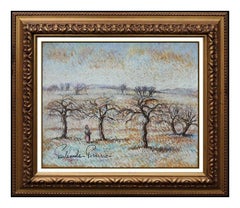
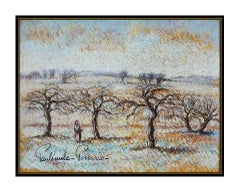
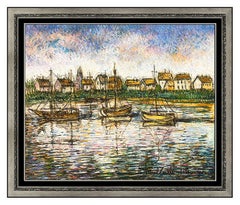
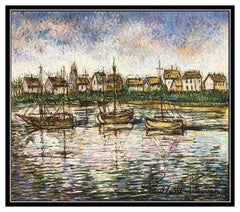
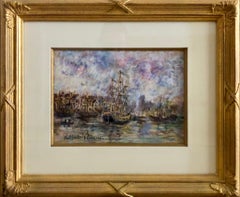
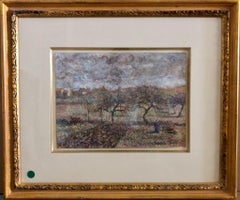
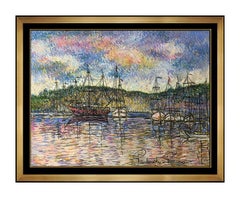
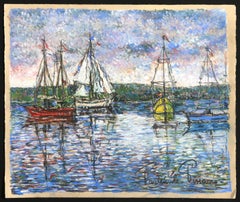
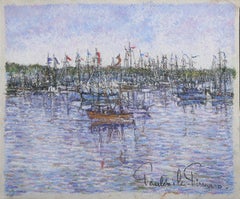
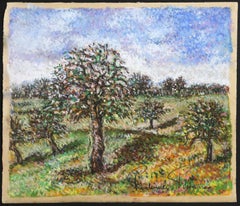
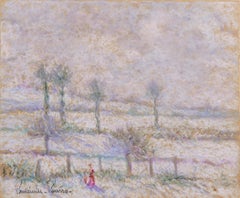
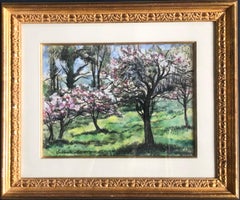
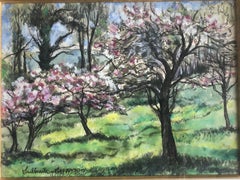
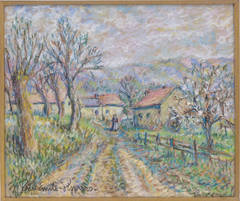
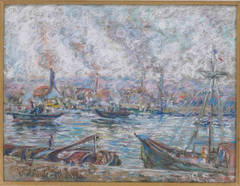
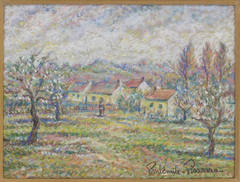
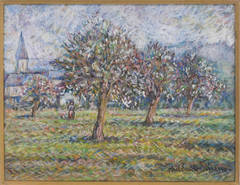
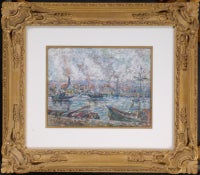
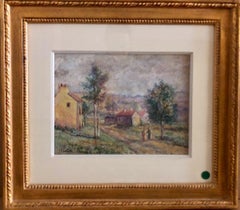
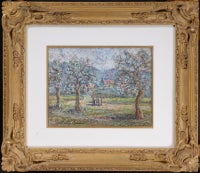
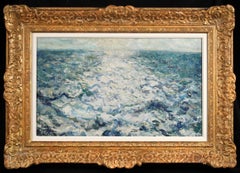
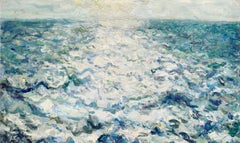
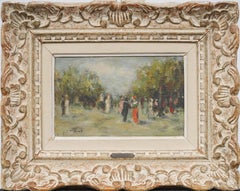
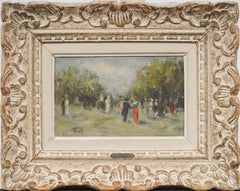
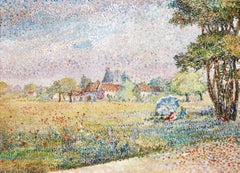
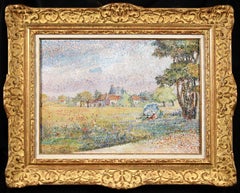
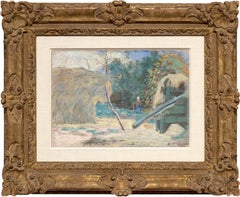
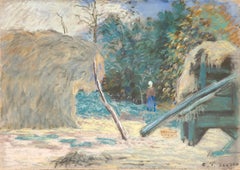
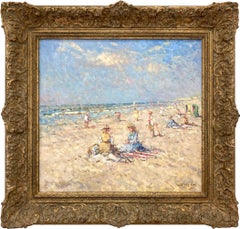
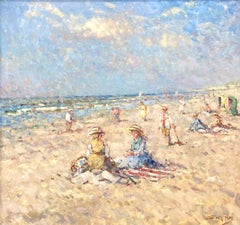
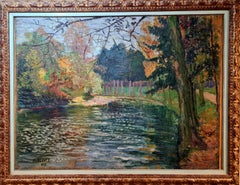
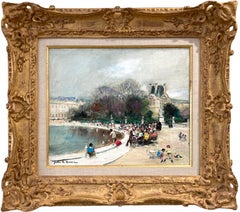
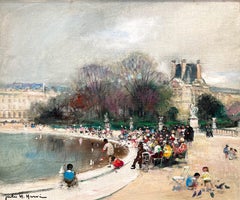
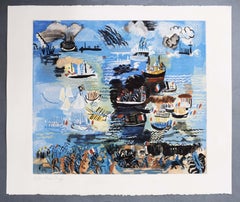
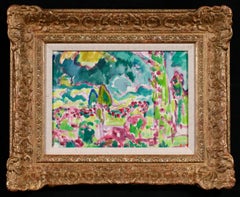
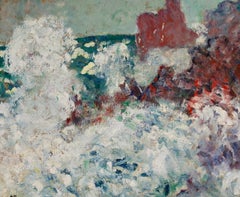
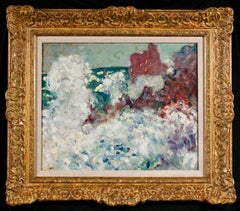
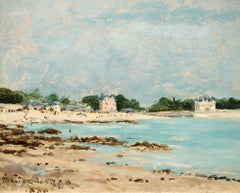
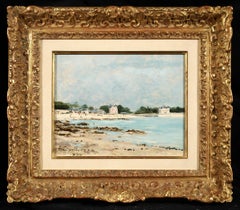
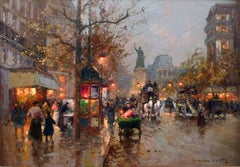
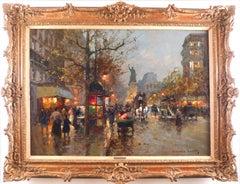
Find the exact paul emile pissarro pastel you’re shopping for in the variety available on 1stDibs. In our selection of items, you can find
Impressionist examples as well as a
Modern version. Adding a paul emile pissarro pastel to a room that is mostly decorated in warm neutral tones can yield a welcome change — find a piece on 1stDibs that incorporates elements of
gray,
brown,
beige and more. Artworks like these — often created in
crayon,
paper and
pastel — can elevate any room of your home. A large paul emile pissarro pastel can be an attractive addition to some spaces, while smaller examples are available — approximately spanning 8.75 high and 11 wide — and may be better suited to a more modest living area.
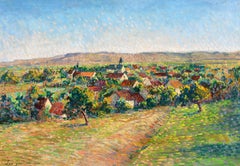
Paul Émile Pissarro (1884–1972) was a French painter and the youngest son of the renowned Impressionist Camille Pissarro. Known as “Paulémile,” he grew up surrounded by artistic innovation and was deeply influenced by his father’s Impressionist style and philosophy. However, he later developed his own artistic voice, primarily within the Post-Impressionist and Fauvist movements.
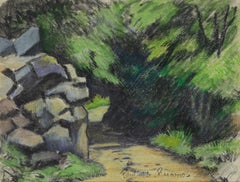
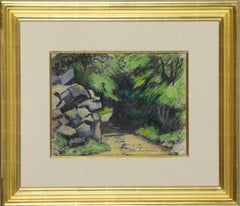
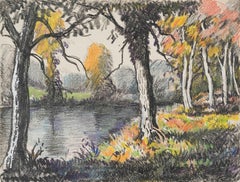
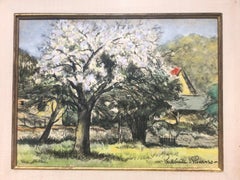
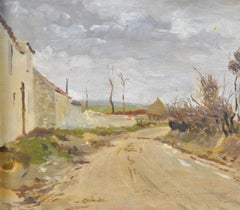
Paulémile’s early artistic training came from his father and contemporaries like Claude Monet and Pierre-Auguste Renoir. This exposure instilled in him a love for plein air painting and the vibrant use of color, traits that became hallmarks of his work. His depictions of rural landscapes, especially those of Normandy and the French countryside, reveal his sensitivity to light, texture, and seasonal changes.
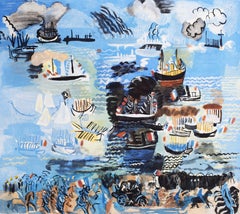
While initially working in his family’s tradition, Paulémile gradually incorporated Fauvist influences, embracing bolder, more expressive color palettes. His style also reflected the growing trend toward modernism in the early 20th century. His paintings exhibit a harmony between Impressionist principles and more dynamic, emotive compositions.
In addition to painting, Paulémile collaborated with the art dealer Paul Durand-Ruel, whose support solidified his career. Despite his father’s towering legacy, Paulémile maintained a consistent artistic output, earning recognition in his own right through exhibitions in Paris and abroad.
Paul Émile Pissarro’s contributions lie in his ability to bridge Impressionism with early modernist sensibilities, ensuring the vitality of landscape painting well into the 20th century. His work continues to be celebrated for its vibrancy and lyrical quality.