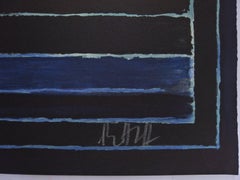
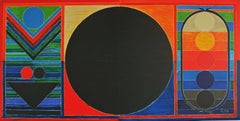
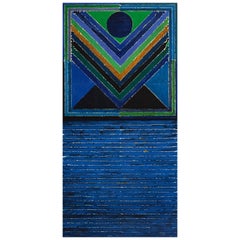
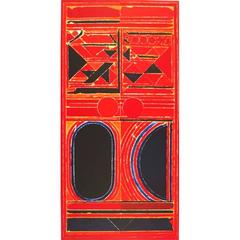
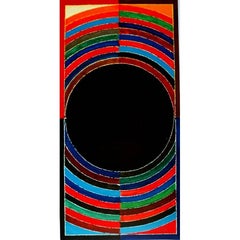
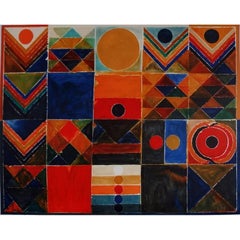
Raza Sayed For Sale on 1stDibs
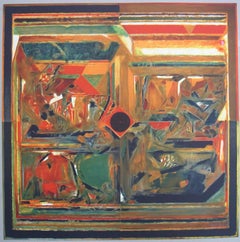
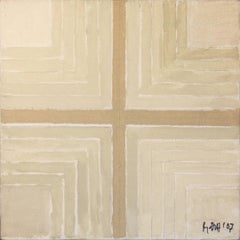
Surely you’ll find the exact raza sayed you’re seeking on 1stDibs — we’ve got a vast assortment for sale. In our selection of items, you can find
Abstract examples as well as a
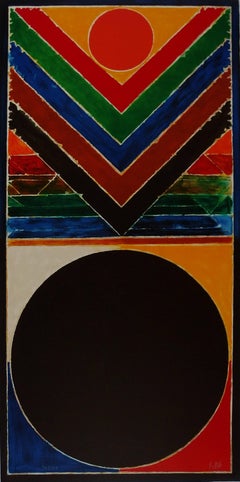
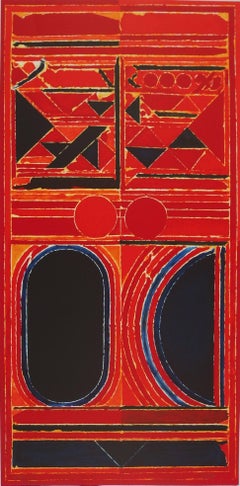
Contemporary version. If you’re looking for a raza sayed from a specific time period, our collection is diverse and broad-ranging, and you’ll find at least one that dates back to the 20th Century while another version may have been produced as recently as the 21st Century. On 1stDibs, the right raza sayed is waiting for you and the choices span a range of colors that includes
black,
brown,
blue and
red. Artworks like these of any era or style can make for thoughtful decor in any space, but a selection from our variety of those made in
lithograph,
acrylic paint and
digital pigment print can add an especially memorable touch.
How Much is a Raza Sayed?
The price for a raza sayed in our collection starts at $1,031 and tops out at $218,571 with the average selling for $1,415.
Sayed Haider Raza for sale on 1stDibs
Born in 1922 in Babaria, Madhya Pradesh, Raza moved to Mumbai where he graduated form the Sir J.J. School of Art in 1943 and went on to be one of the founding members of the Progressive Artists’ Group in 1947. After receiving a French Government Scholarship in 1950 he left for Ecole Nationale des Beaux-Arts, Paris. Raza was awarded the Prix de la Critique in Paris, in 1956. In 1962 he was a visiting lecturer at the University of California in Berkeley, USA. The Madhya Pradesh State Government invited Raza for a major exhibition of his works in 1978 and also awarded him with the Kalidas Samman in 1996-97. The Government of India awarded him with the Padma Shri in 1981, one of the highest civilian honors, and he was elected as a Fellow of the Lalit Kala Akademi in 1983.
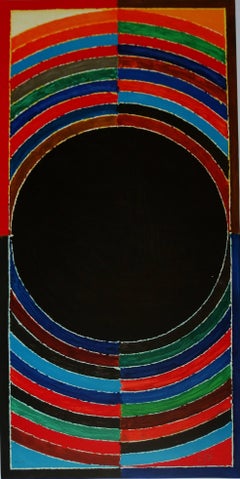
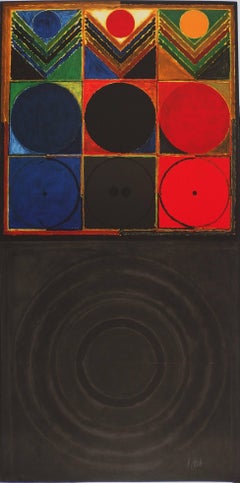
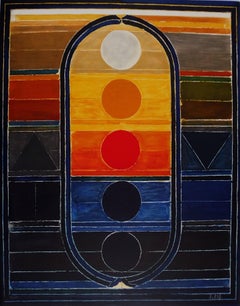
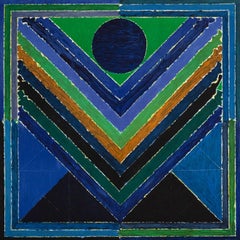
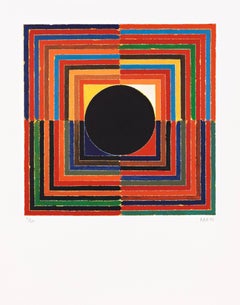
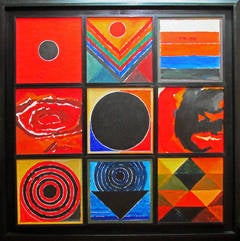
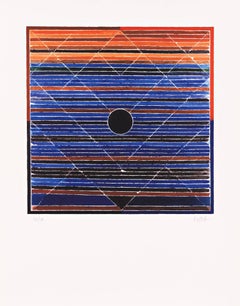
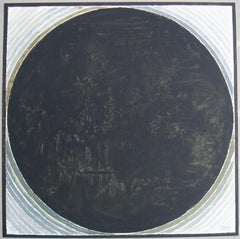
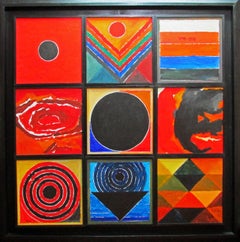
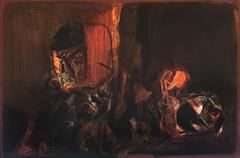
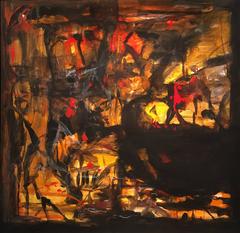
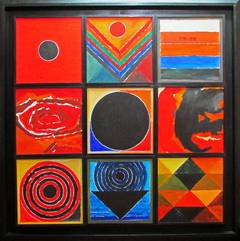
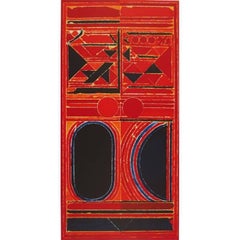
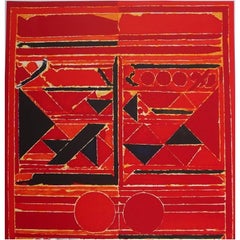
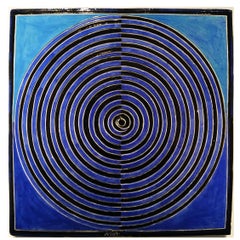
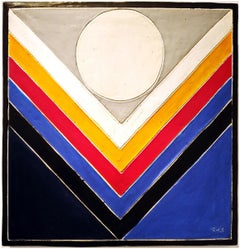
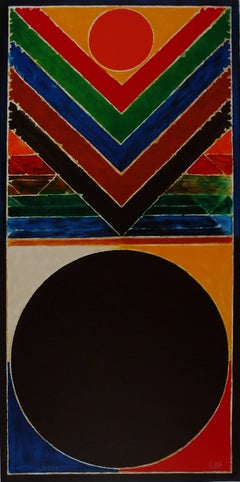
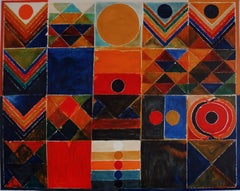
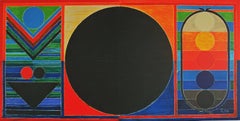
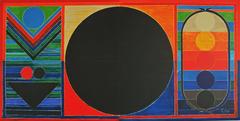
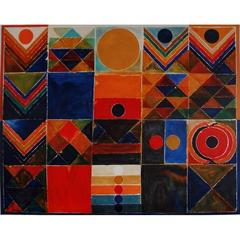
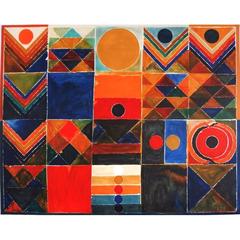
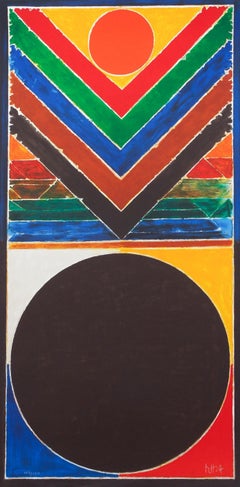
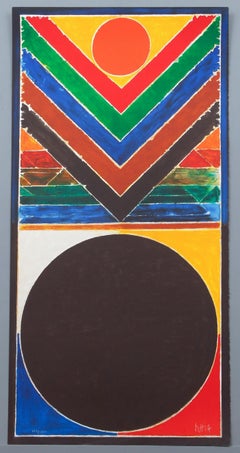
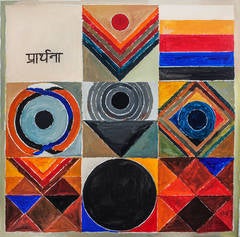
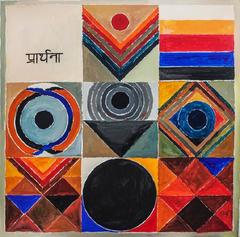
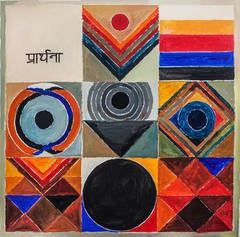
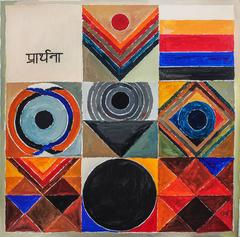
His work bears witness to a syncretic influence blending nature and spirituality, Western culture and Eastern philosophy. The recurring motifs, declined in his work, of the black point and the circle are the incarnations of the Indian spiritual symbols of the bindu (point) and the mandala (circle) at the same time that they can be considered for their plastic quality in their own right. Whether one discerns in his works the poetic and synthetic evocation of a landscape or that of a pure abstract composition with musical virtues, whether one considers them from the angle of the profane or from that of the sacred, the paintings of Raza are in any case an invitation to contemplative and transcendental meditation.
Raza has exhibited in several exhibitions as well as biennials and triennials: Venice-1956; Menton-1964, 66, 68, 72, 76; Rabat, Morocco-1963; Bharat Bhavan, Bhopal, India-1986; Havana, Cuba-1987; Les Arts en France et le Monde, Musee d’art Moderne, Paris-1957; Gallerie Lara Vincy, Paris-1957 – 1969; Bibliotheque Nationale, Paris, ‘Indian Contemporary Painters’, Renwich, Washington D.C.-1973; ‘India: Myth and Reality-Aspects of Modern Indian Art’, Museum of Modern Art, Oxford-1982; ‘Artistes Indiens en France’, Foundation Nationale Des Arts Graphiques et Plastiques,Paris-1985; ‘Coups de Coeur’, Geneva-1987; The National Museum of Contemporary Art, Seoul, South Korea-1988; ‘Retrospective 1952 – 91’, Palais Carnoles, Musee de Menton, Paris-1991; ‘The Search Within’, an Austro-Indian traveling exhibition, Pernegg Monastery, Geras and Bildungshaus St.Virgil, Salzburg, Austria, National Gallery of Modern Art, Delhi and Mumbai, India-1998-99; Saffronart and Pundole Art Gallery, New York – 2001, 02.