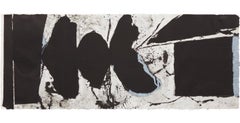
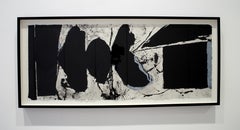
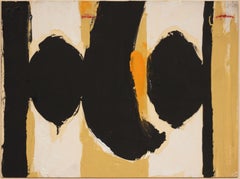
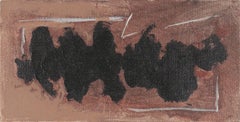
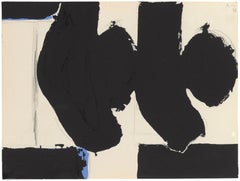
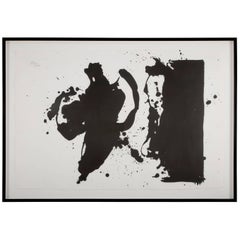
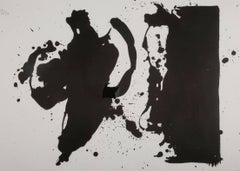
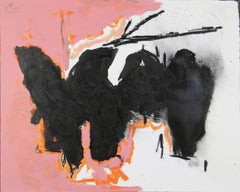
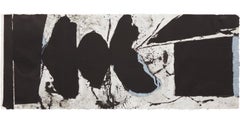
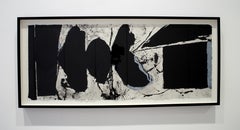
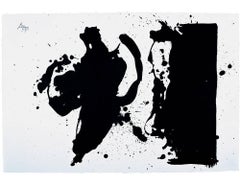
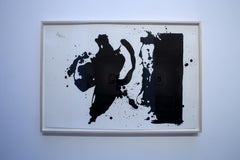
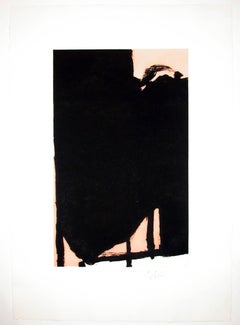
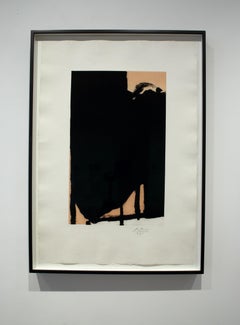
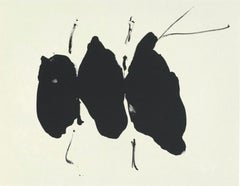
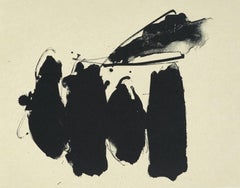
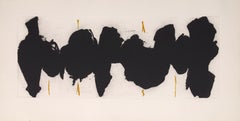
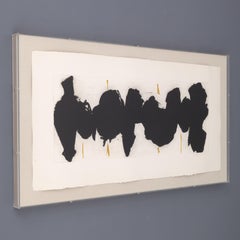
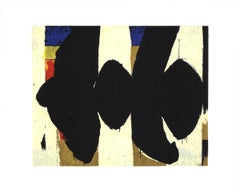
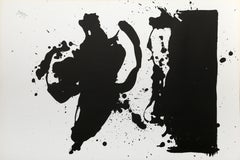
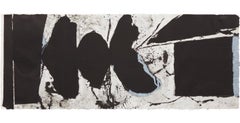
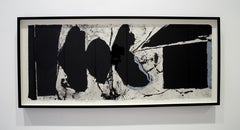
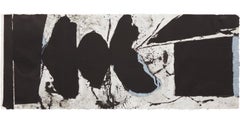
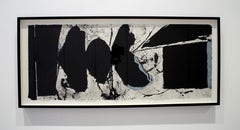
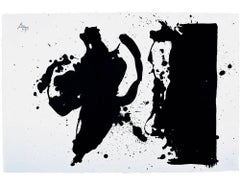
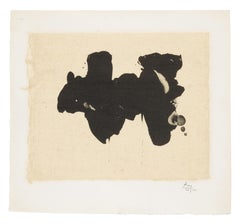
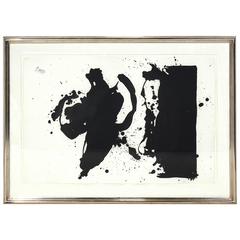
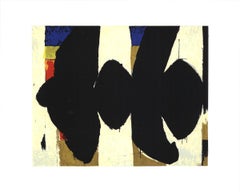
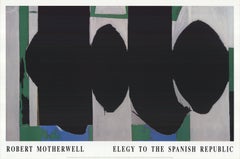
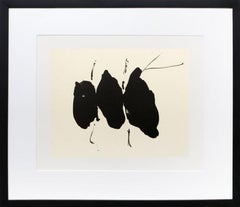
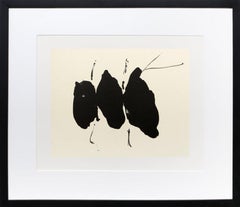
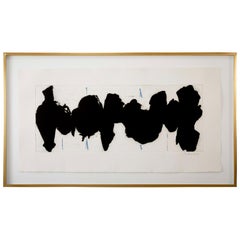
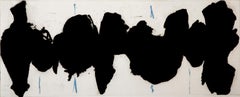
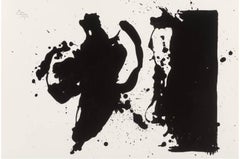
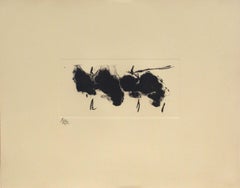
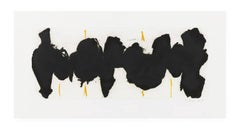
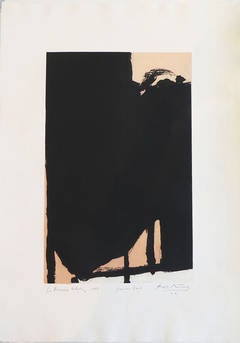
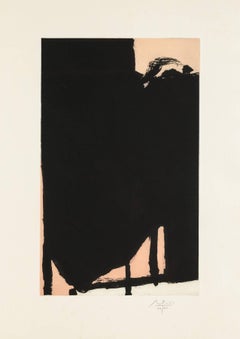
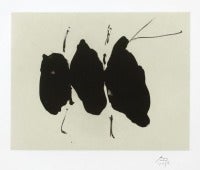
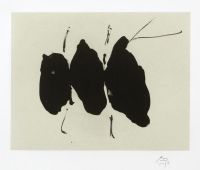
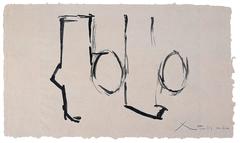
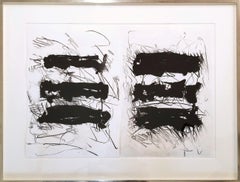
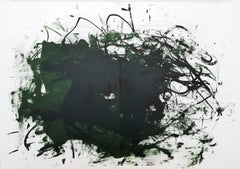
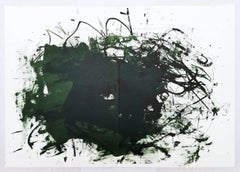
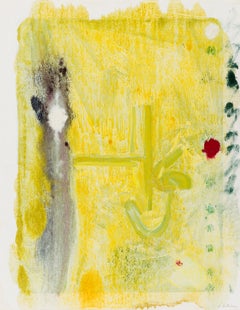
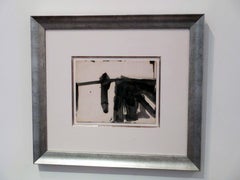
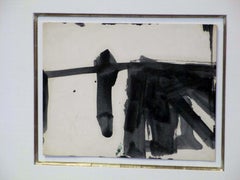
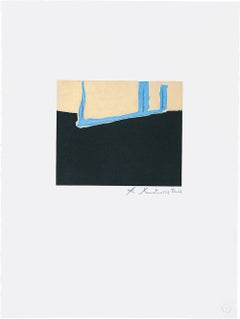
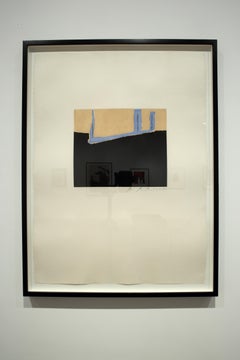
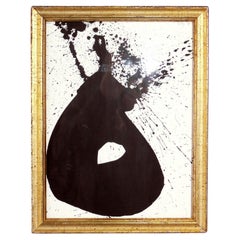
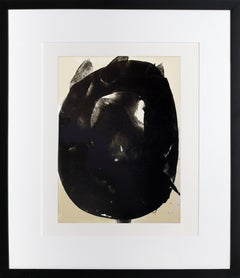
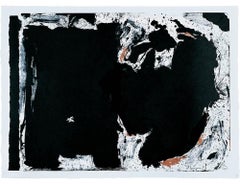
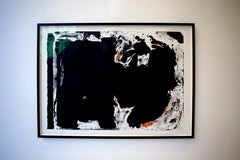
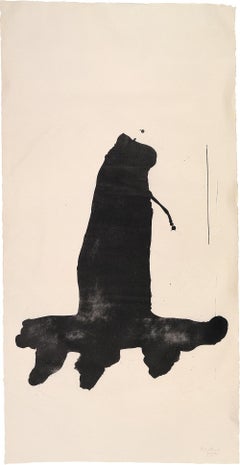
You are likely to find exactly the robert motherwell elegy you’re looking for on 1stDibs, as there is a broad range for sale. You’re likely to find the perfect robert motherwell elegy among the distinctive items we have available, which includes versions made as long ago as the 20th Century as well as those made as recently as the 20th Century. If you’re looking to add a robert motherwell elegy to create new energy in an otherwise neutral space in your home, you can find a work on 1stDibs that features elements of
black,
white,
beige,
gray and more. A robert motherwell elegy from
Robert Motherwell — each of whom created distinctive versions of this kind of work — is worth considering. These artworks were handmade with extraordinary care, with artists most often working in
lithograph,
aquatint and
etching.
A robert motherwell elegy can differ in price owing to various characteristics — the average selling price for items in our inventory is $14,250, while the lowest priced sells for $250 and the highest can go for as much as $44,000.
The name of painter, printmaker and writer Robert Motherwell (1915–91) is often taken as synonymous with the New York School, whose name he coined. Motherwell was the youngest of this group of Abstract Expressionists working in art, dance, poetry and music in 1950s and '60s New York City, which included Jackson Pollock, Willem de Kooning, Philip Guston, Helen Frankenthaler and Mark Rothko.
Born in Aberdeen, Washington, in 1915, Motherwell had perhaps the broadest and best education of any of the New York School coterie, with an extensive background in philosophy, literature and art history. He earned a BA in philosophy in 1937 from Stanford University and was working toward a PhD in the subject at Harvard when he interrupted his studies for a yearlong trip to Europe, where he fell in love with European modernism.
After returning, in 1940 he enrolled Columbia to study art history. It was there that he met a group of exiled Parisian Surrealists, and encounter that proved influential on his style. Motherwell began to integrate the idea of “automatism” — unmediated gestures that reflect deeper psychological impulses — into his work, pioneering a new form of Abstract Expressionism that came to characterize the New York School.
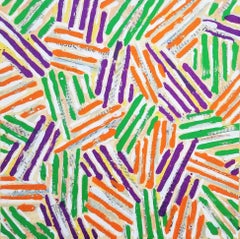
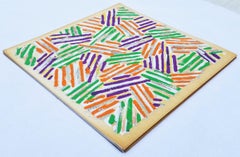
Works like the 1967 Beside the Sea no. 45, an acrylic on canvas, and the 1966 lithograph New York International epitomize Motherwell’s use of simple shapes in boldly contrasting colors, executed in quick, gestural strokes that occasionally evoke figures, suggesting a latent narrative despite their obvious abstraction.
Throughout his career, Motherwell taught painting at Hunter College, in New York, and at Black Mountain College, in North Carolina, where his work influenced the likes of Cy Twombly, Robert Rauschenberg and Kenneth Noland. His influence as one of the founding fathers of American Abstract Expressionism remains profound.