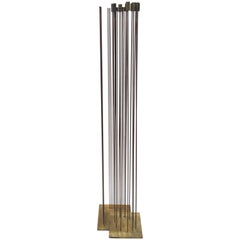
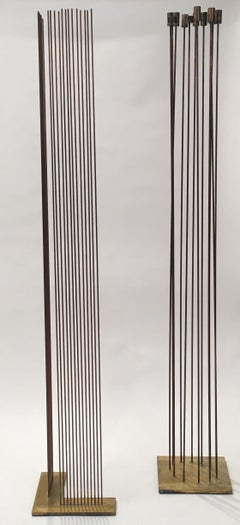
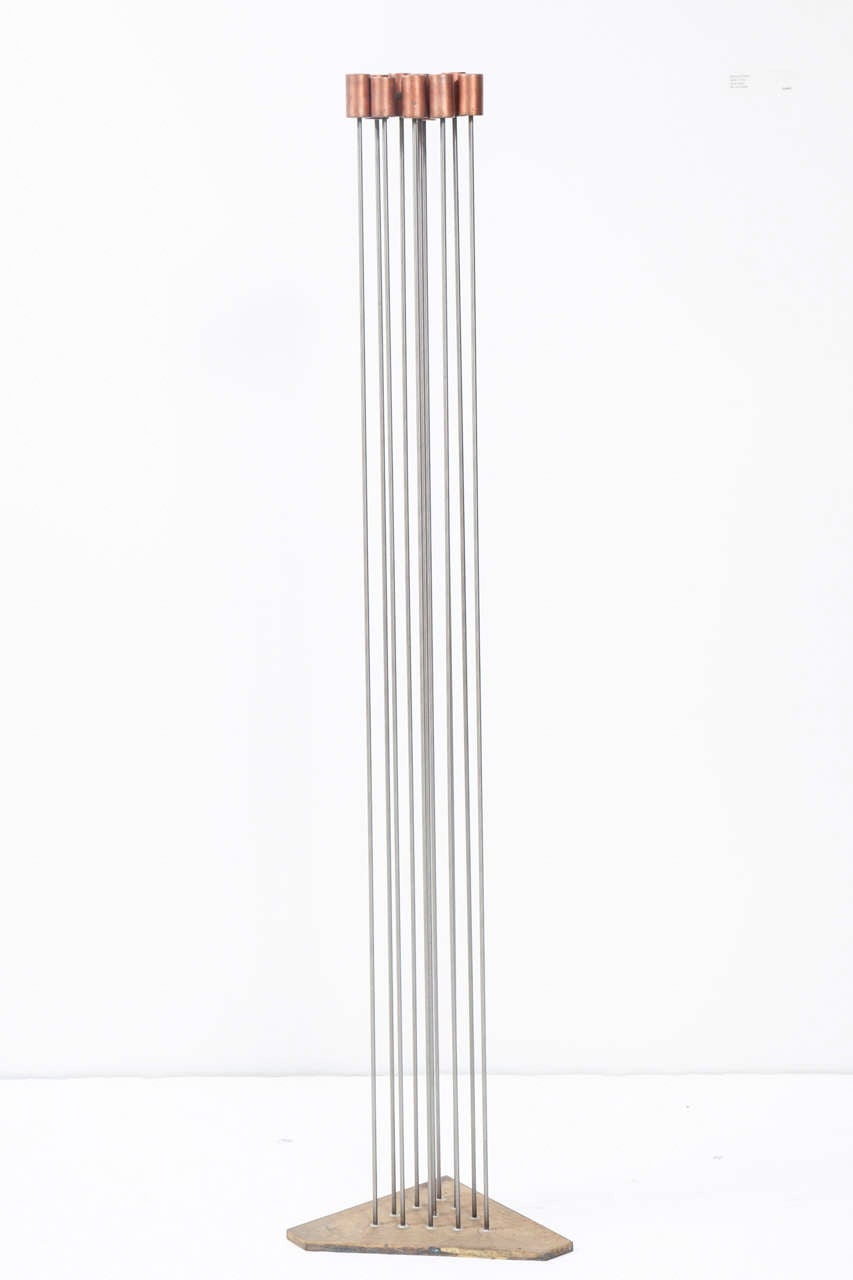
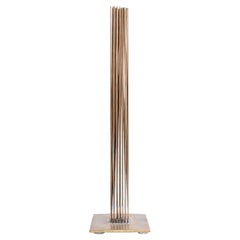
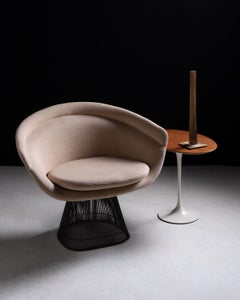
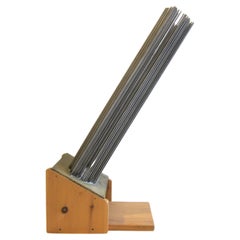
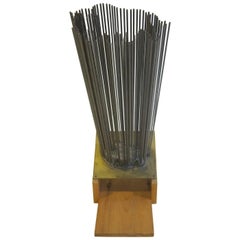
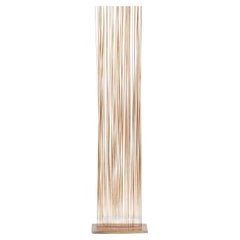
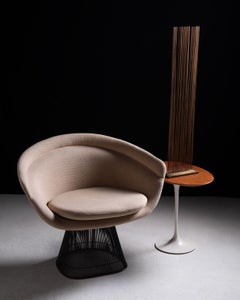
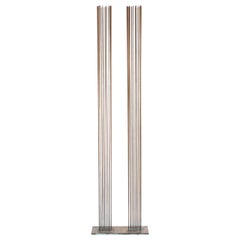
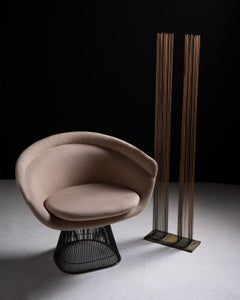
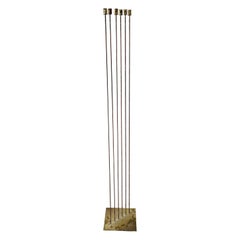
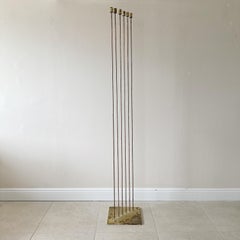
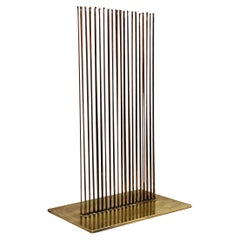
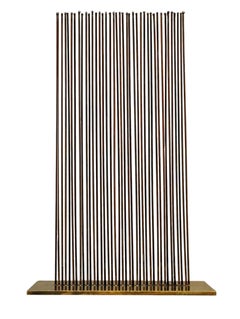
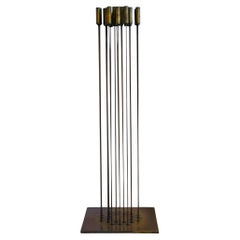
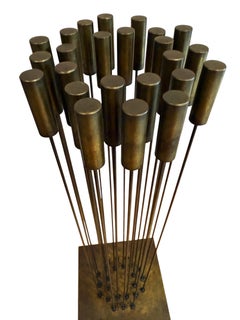
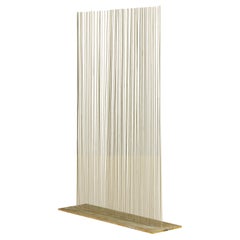
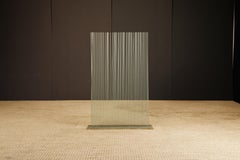
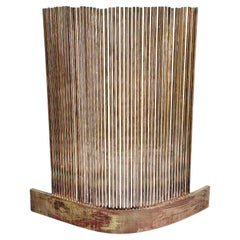
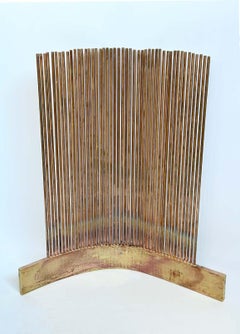
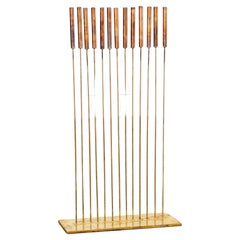
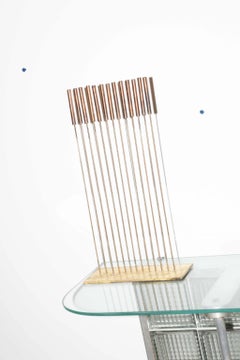
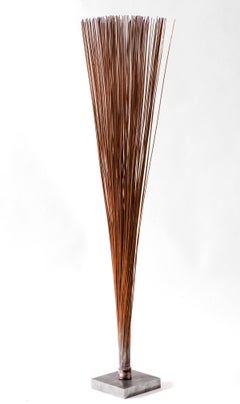
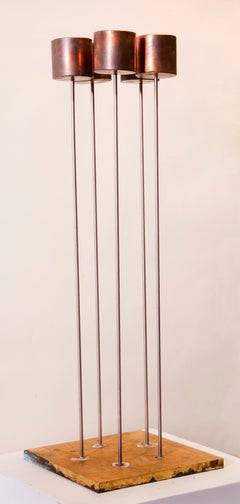
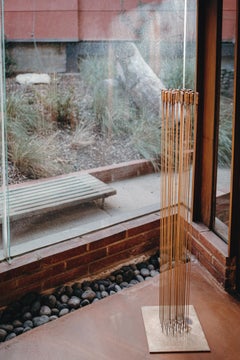
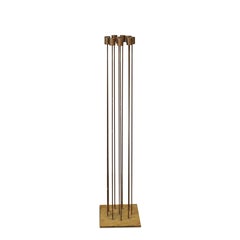
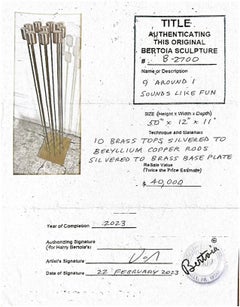
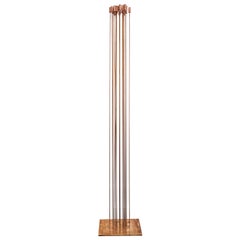
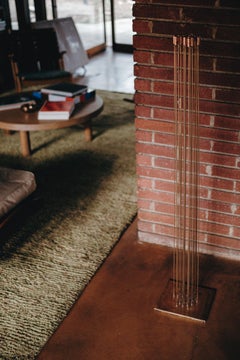
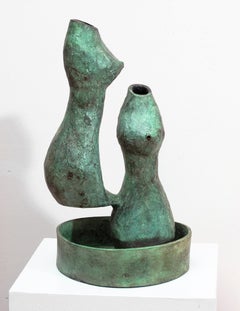
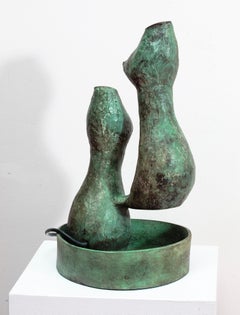
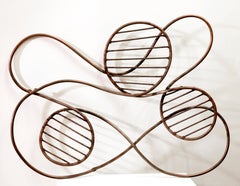
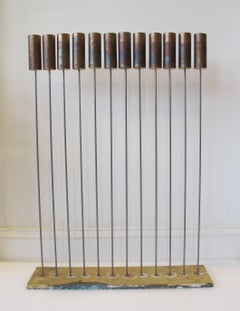
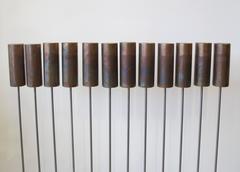
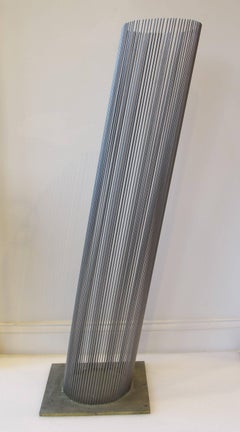
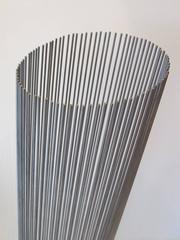
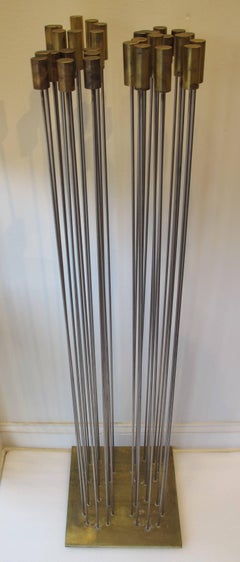
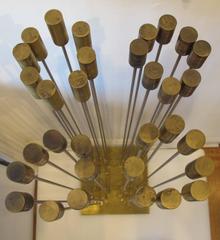
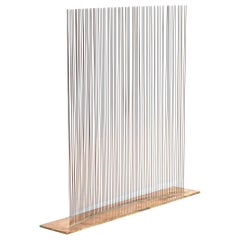
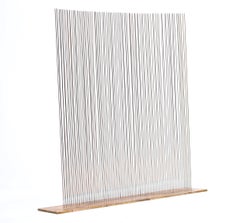
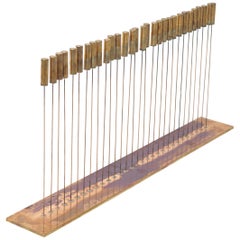
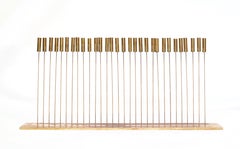
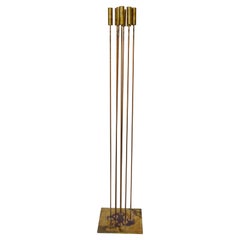
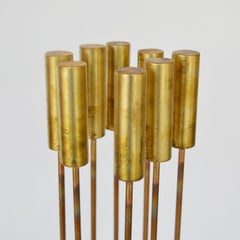
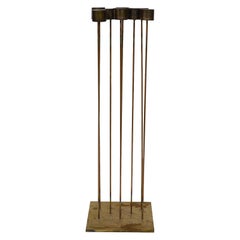
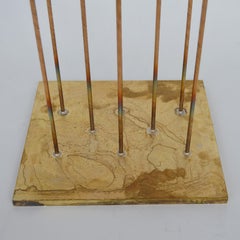
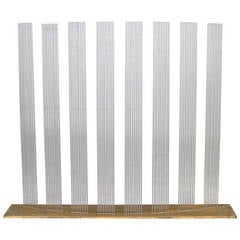
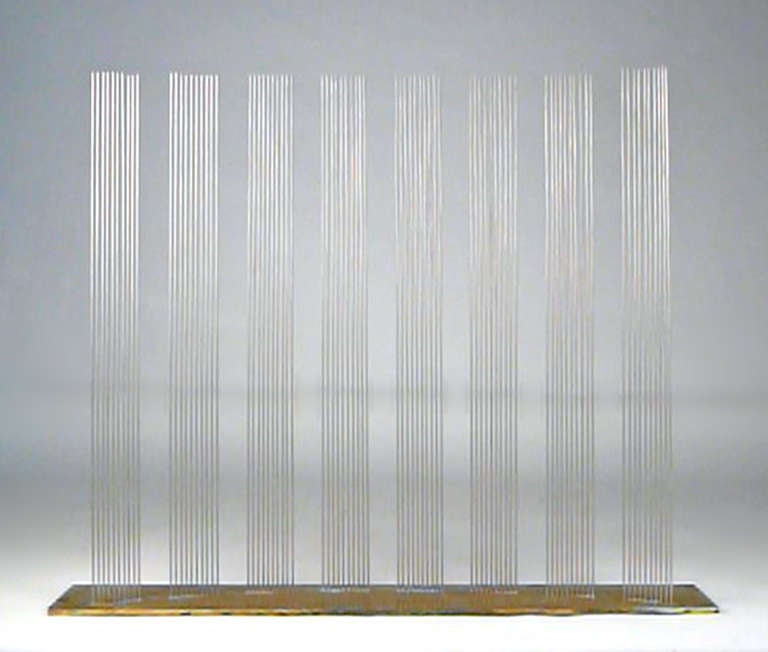
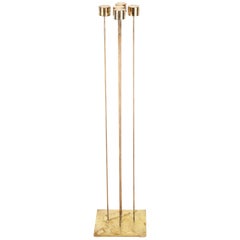
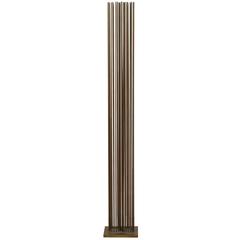
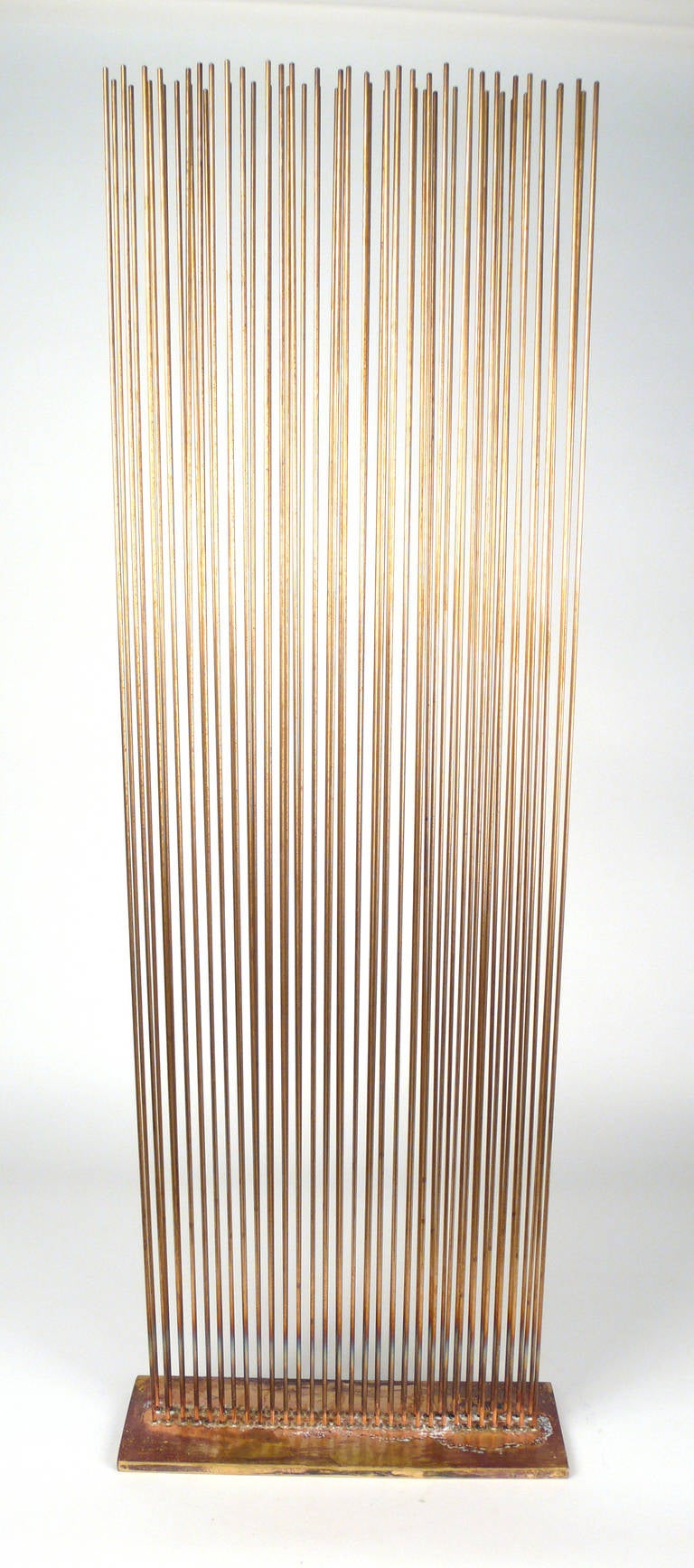
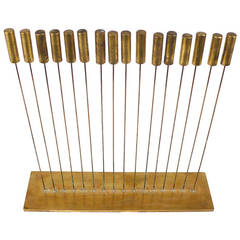
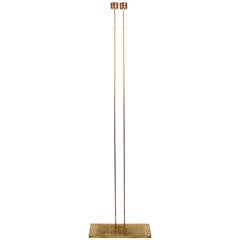
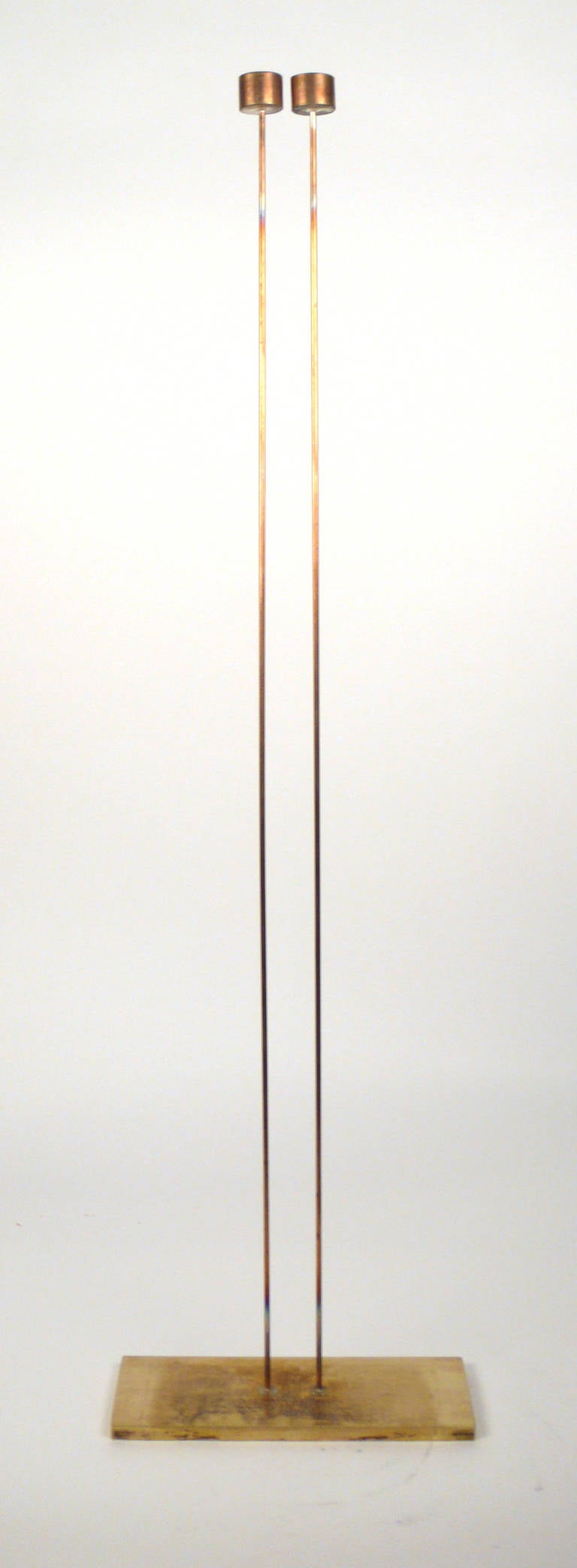
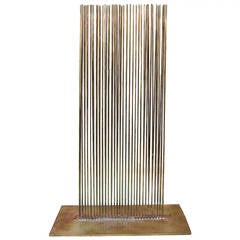
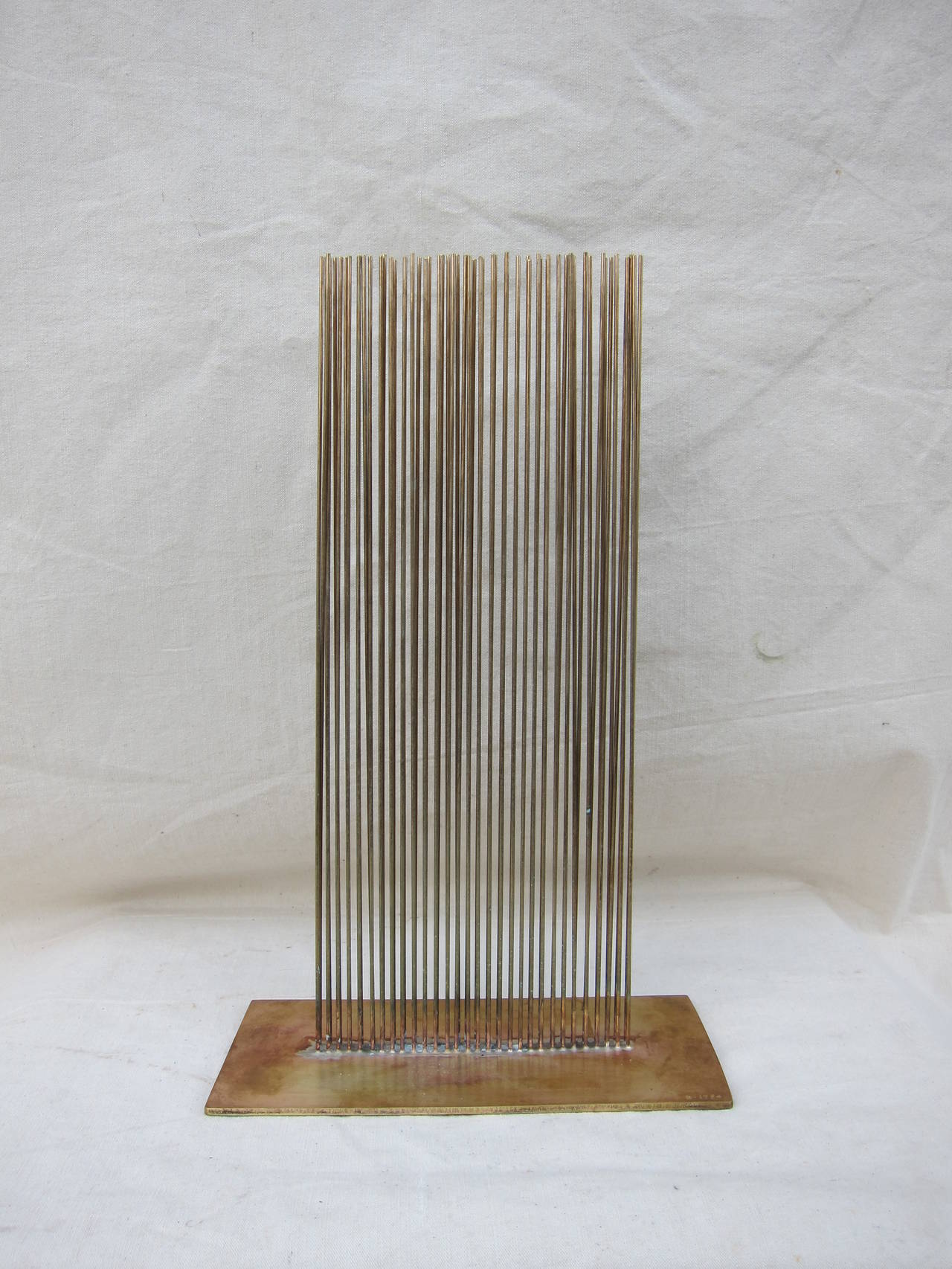
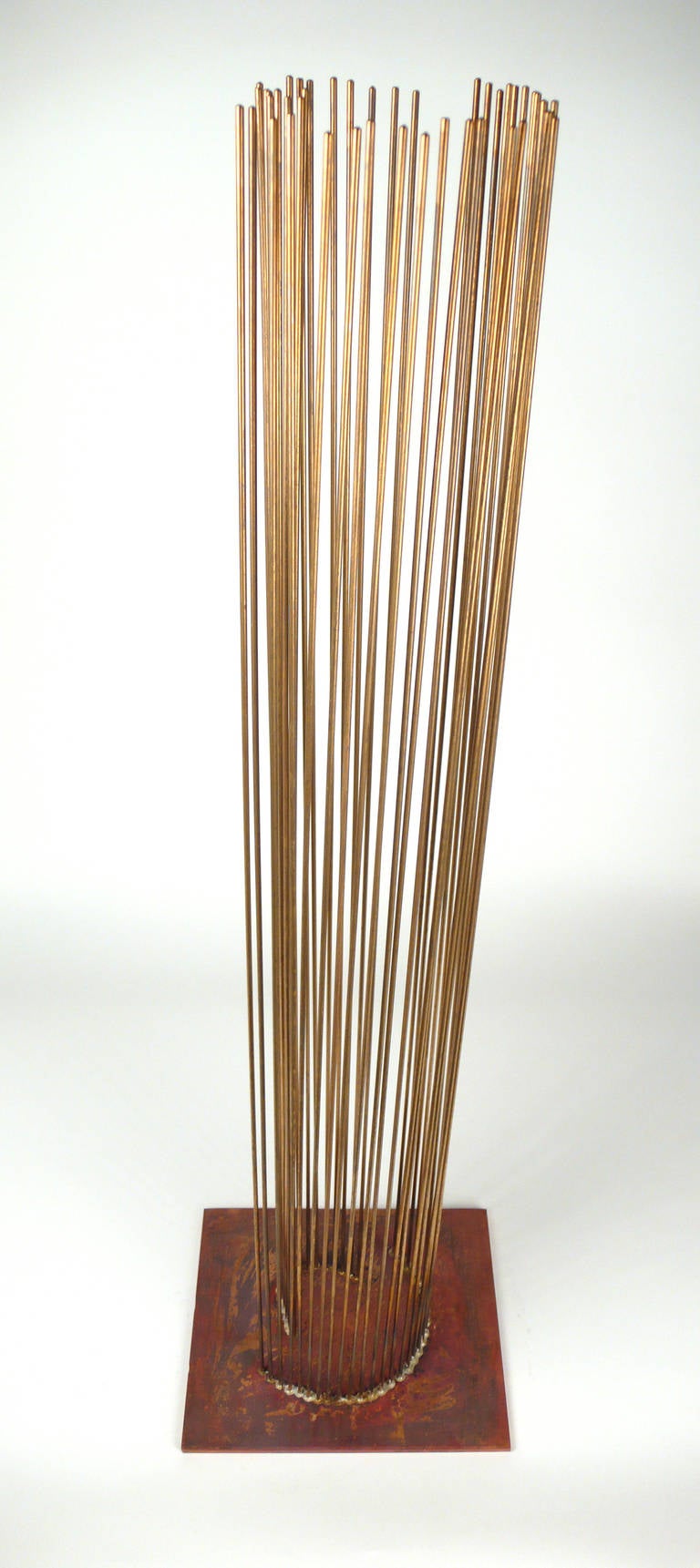
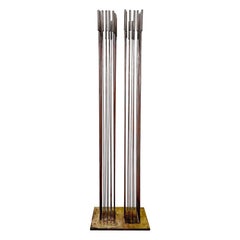
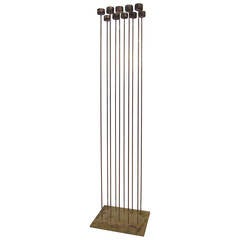
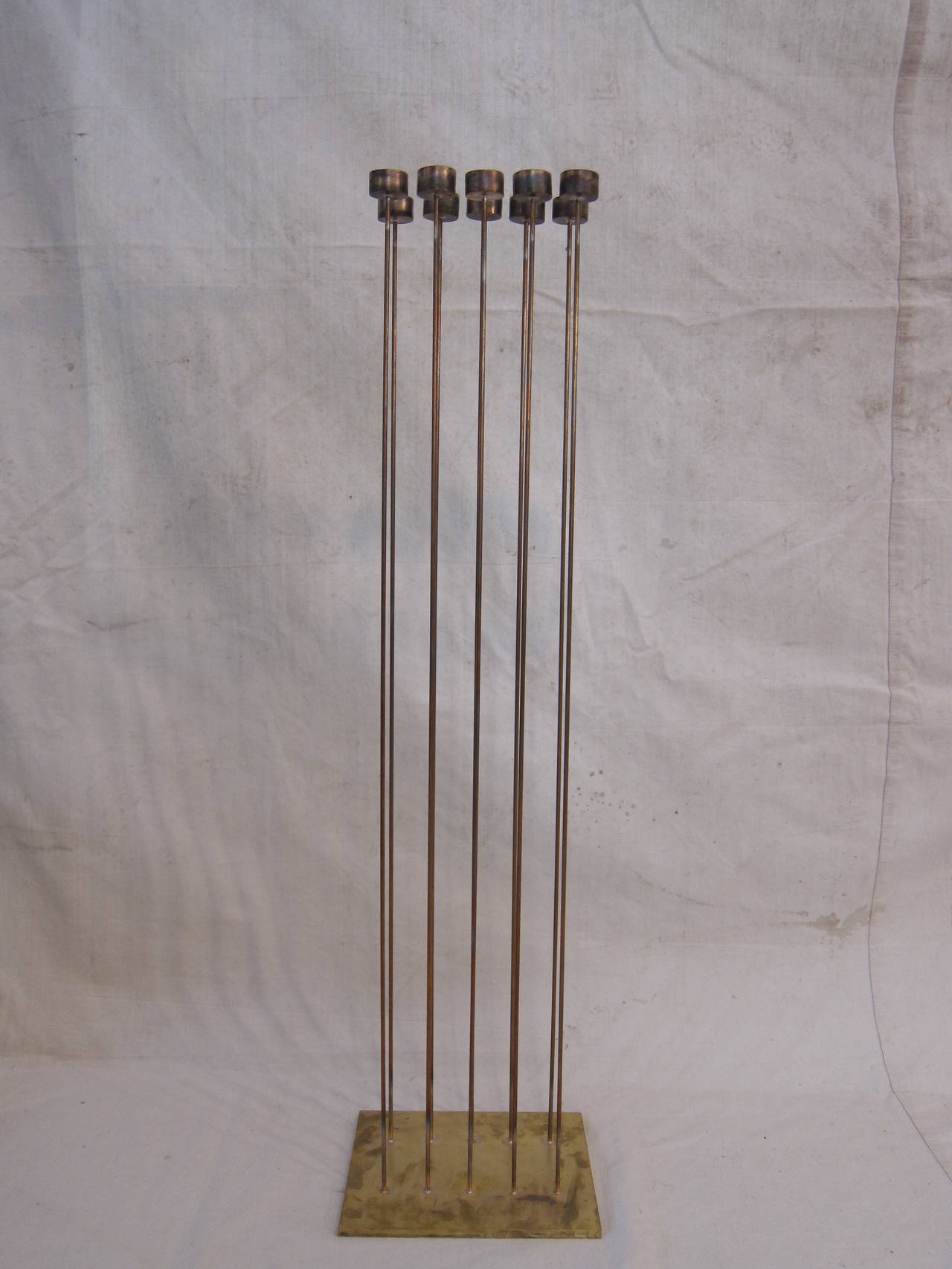
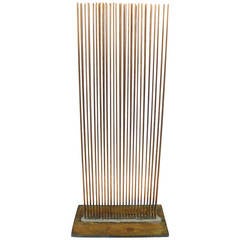
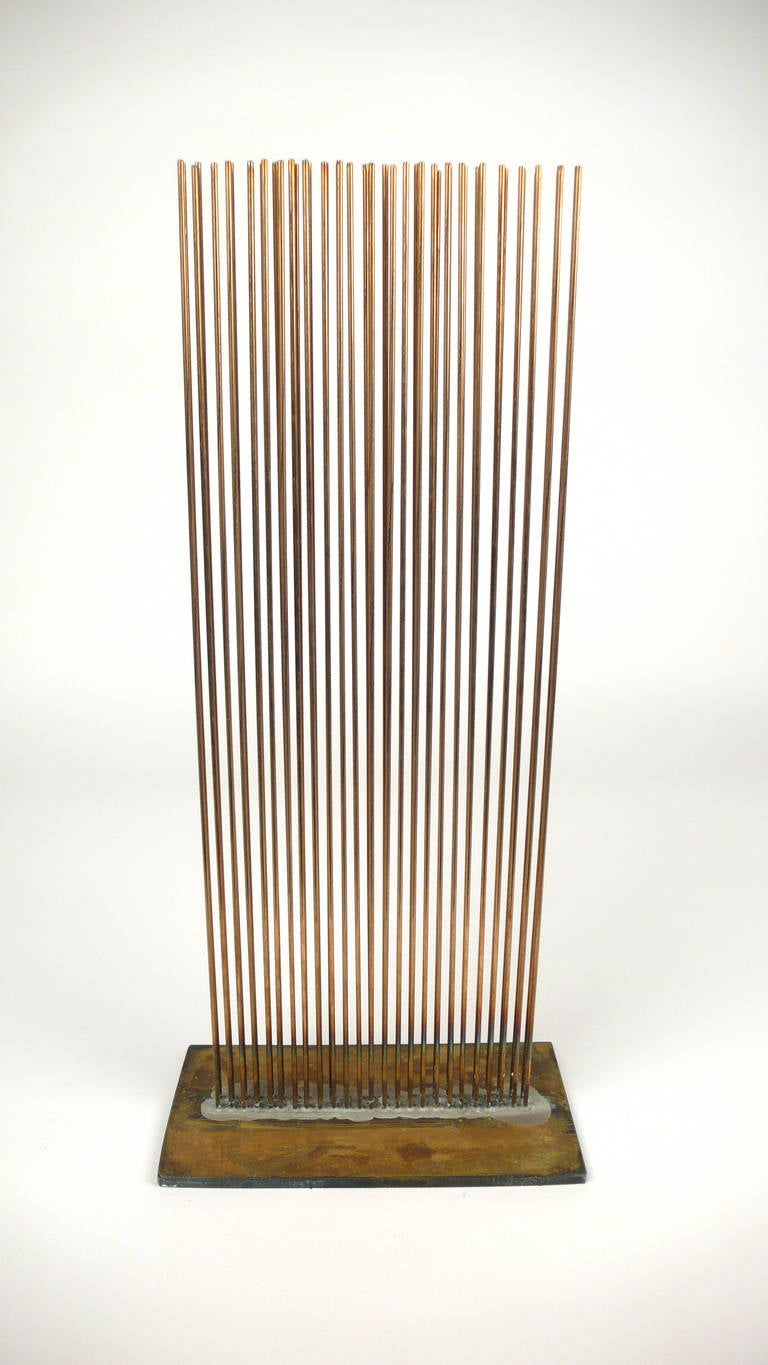
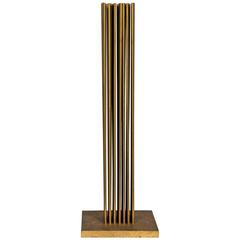
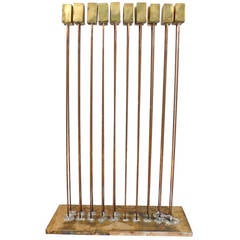
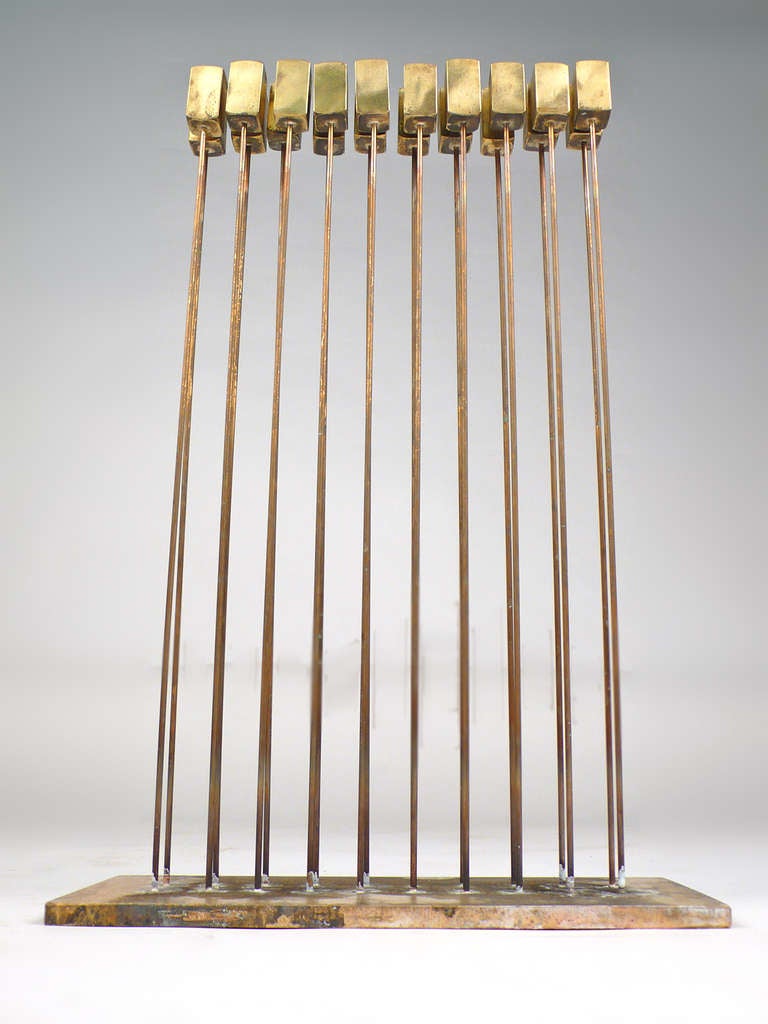
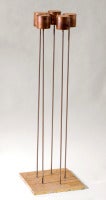
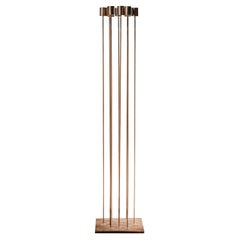
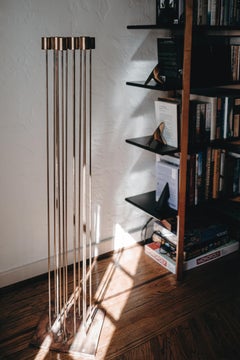
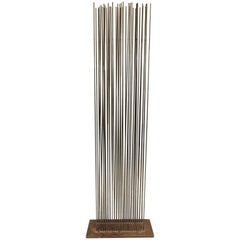
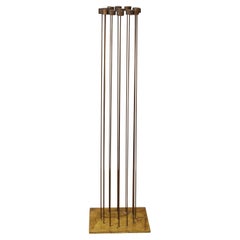
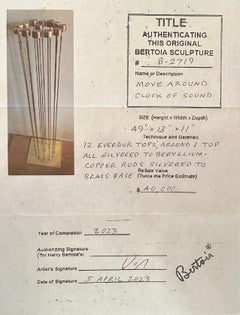
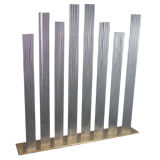
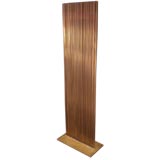
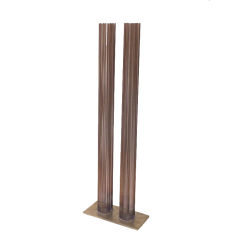
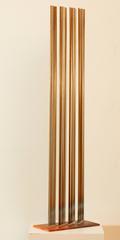
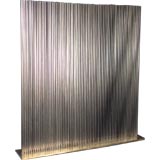
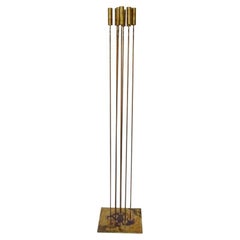
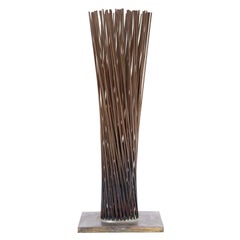
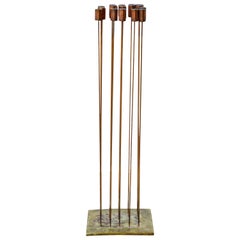
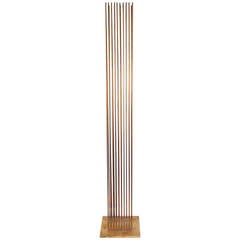
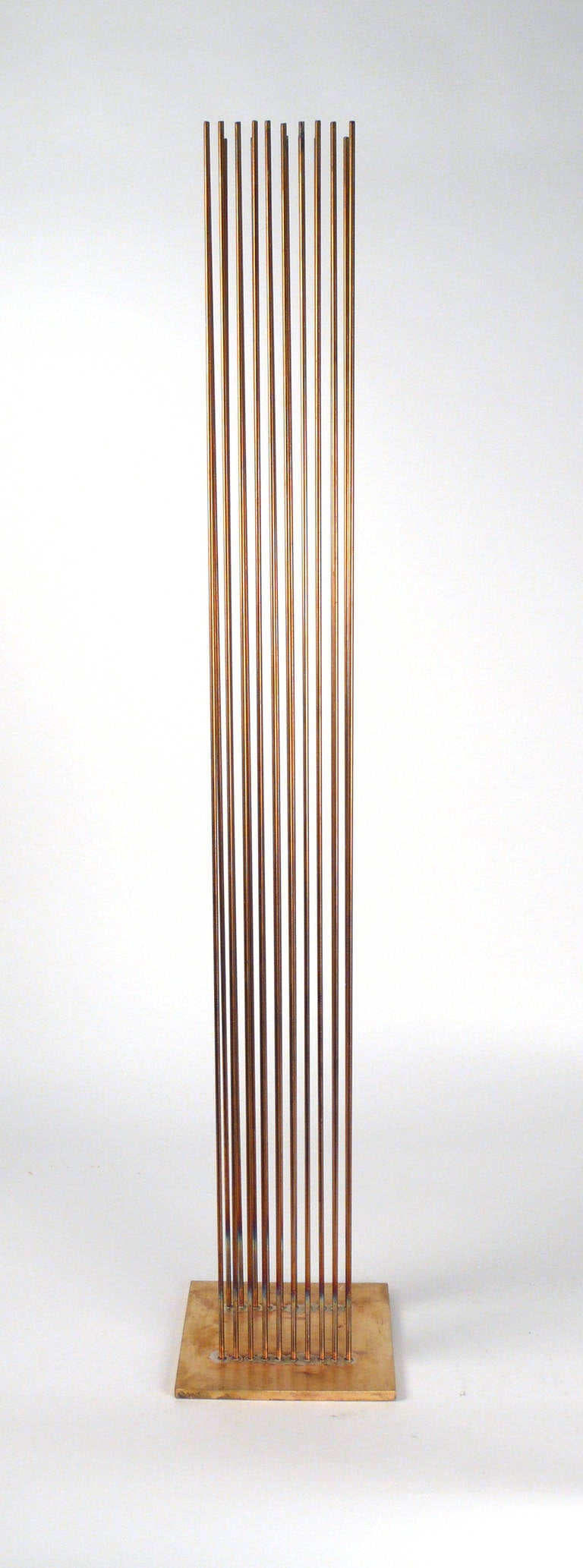
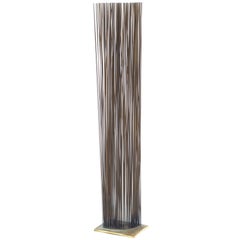
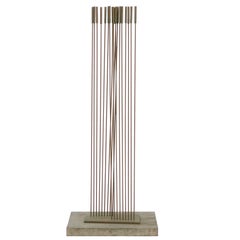
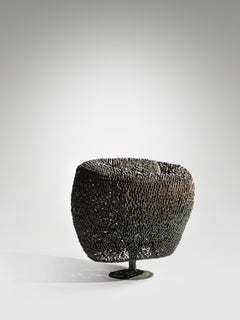
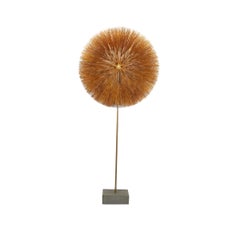
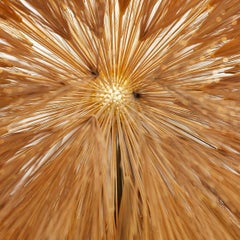
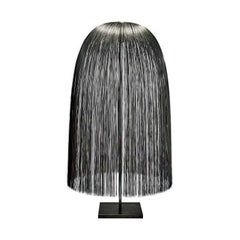
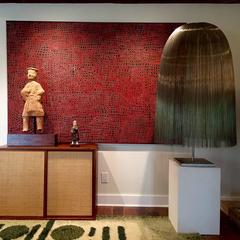
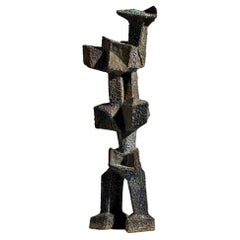
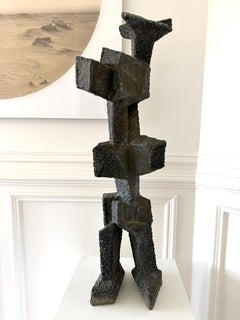
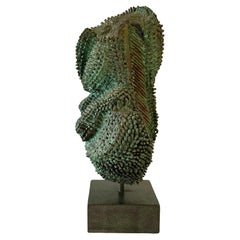
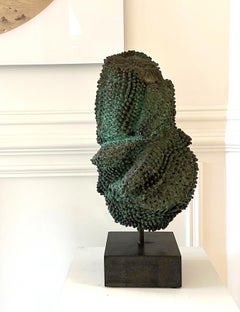
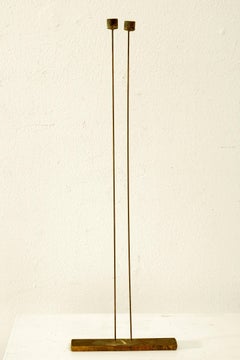
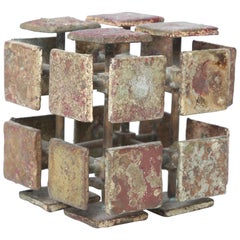
Choose from an assortment of styles, material and more in our collection of val bertoia sounding sculpture on 1stDibs. Was constructed with extraordinary care, often using
metal,
brass and
copper. If you’re shopping for a piece of val bertoia sounding sculpture, we have 10 options in-stock, while there are 2 modern editions to choose from as well. You’ve searched high and low for the perfect item from our selection of val bertoia sounding sculpture — we have versions that date back to the 20th Century alongside those produced as recently as the 21st Century are available. A choice in our collection of val bertoia sounding sculpture, designed in the
Mid-Century Modern,
Modern or
Folk Art style, is generally a popular piece of furniture. You’ll likely find more than one object in our assortment of val bertoia sounding sculpture that is appealing in its simplicity, but
Val Bertoia and
Harry Bertoia produced versions that are worth a look.
A piece of val bertoia sounding sculpture can differ in price owing to various characteristics — the average selling price 1stDibs is $13,250, while the lowest priced sells for $4,900 and the highest can go for as much as $62,500.
Val Bertoia was born in Santa Monica, California, in 1949. In the 1950s, his family moved from California to Pennsylvania, where he has lived and worked ever since.
In the 1960s, Bertoia studied mechanical engineering at Indiana Institute of Technology in Ft. Wayne, Indiana. In 1969, he was awarded “Speaker of the Year” at Indiana Tech. In 1971, he was released from Ft. Dix, New Jersey, from the US Army to return back to Pennsylvania.
Bertoia started working at a farm near his home, and soon afterward, his father, Harry Bertoia, asked him to work at Bertoia Studio with him. He worked with his father from 1972–78. The “sound sculpture” environment, which Harry continued to focus on for 10 years beginning in 1968, is trademarked “Sonambient.” Harry and Val installed large-scale commissioned metal sculptures, and Harry was amazed with his son’s level of precision and engineering abilities and often asked his advice.
In the late 1970s, Harry and Val made Bertoia sound sculptures for distribution worldwide. During those six years, Val worked on his own projects, which included wind-electric systems as derivatives of kinetic sculpture models. Harry was an intuitive engineer, and Val's wind systems, the heights of which reached over 90 feet, were refined by Harry and became well-balanced with a U.S. patent.
In 1978, continuing where Harry left off — and with the encouragement of his mother, Brigitta Bertoia — Val proceeded with the sculpture business of his father's legacy. Val Bertoia sculptures made after November 1978, when Harry died, are numbered, starting with “B-01.”
Find authentic Val Bertoia sculptures and decorative objects on 1stDibs.