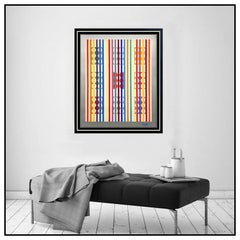
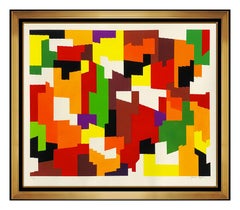
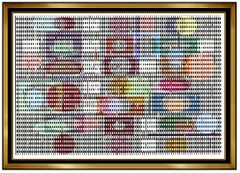
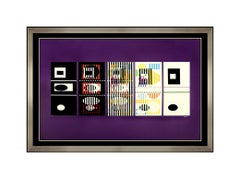
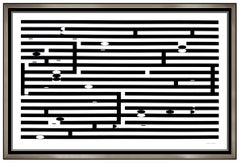
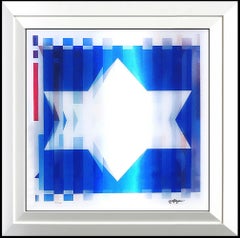
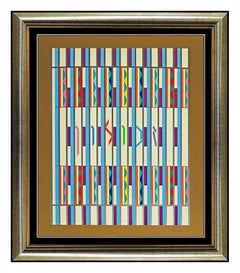
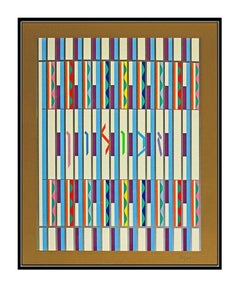
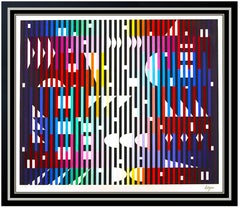
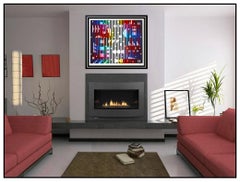
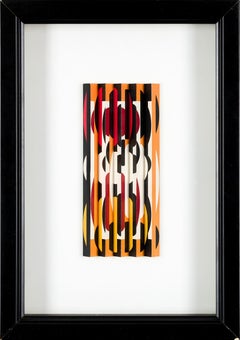
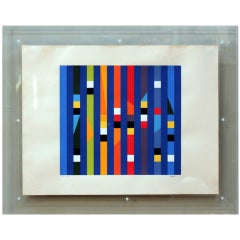
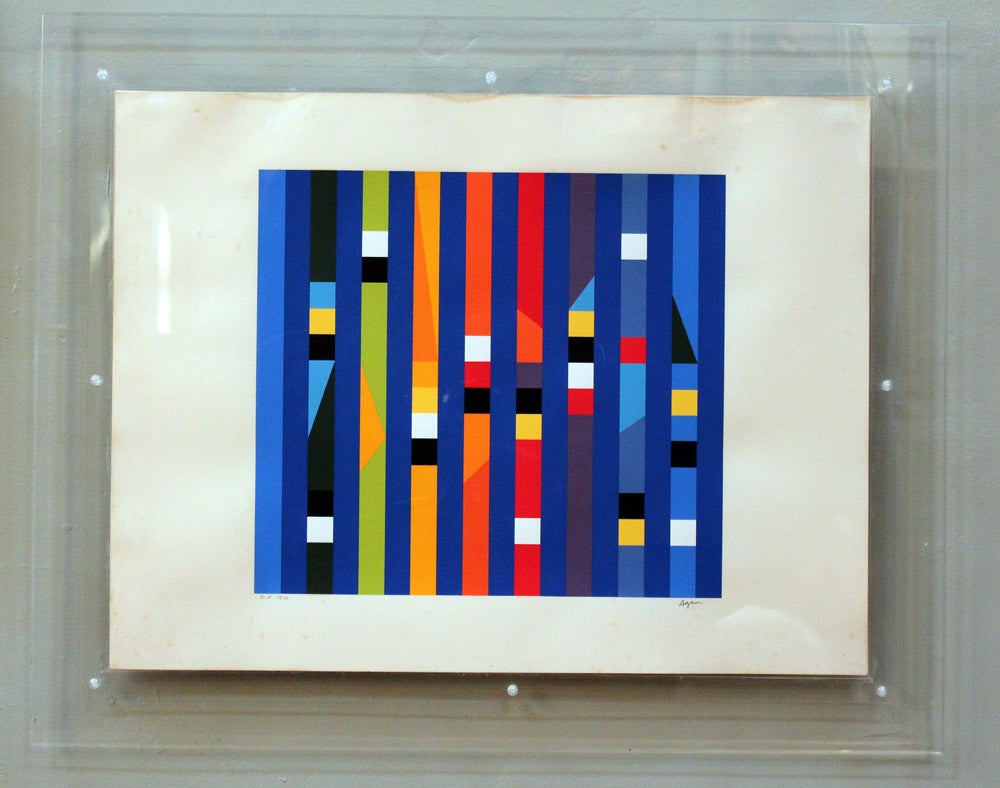
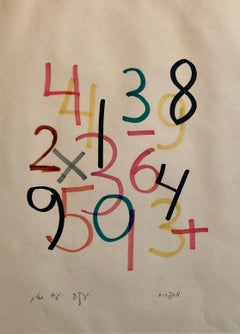
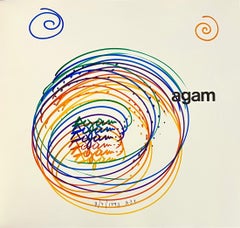
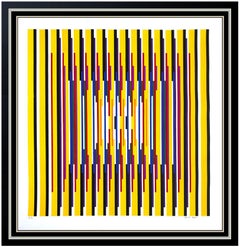
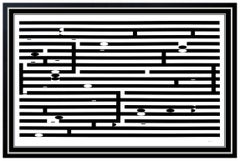
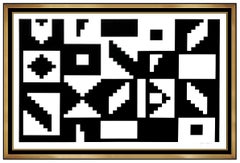
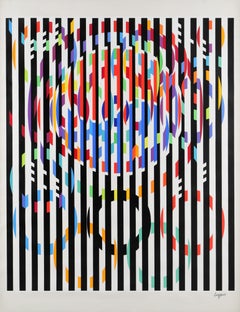
Find the exact yaacov agam original you’re shopping for in the variety available on 1stDibs. You can easily find an example made in the
contemporary style, while we also have 37
contemporary versions to choose from as well. If you’re looking for a yaacov agam original from a specific time period, our collection is diverse and broad-ranging, and you’ll find at least one that dates back to the 20th Century while another version may have been produced as recently as the 21st Century. Adding a yaacov agam original to a room that is mostly decorated in warm neutral tones can yield a welcome change — find a piece on 1stDibs that incorporates elements of
gray,
black,
beige,
purple and more. Finding an appealing yaacov agam original — no matter the origin — is easy, but
Yaacov Agam,
Jean Deyrolle,
Itzchak Tarkay,
Patrick Rubinstein and
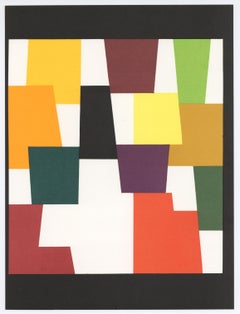
Victor Vasarely each produced popular versions that are worth a look. Artworks like these — often created in
aquatint,
etching and
screen print — can elevate any room of your home.
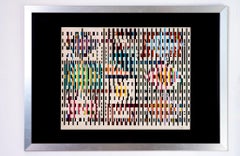
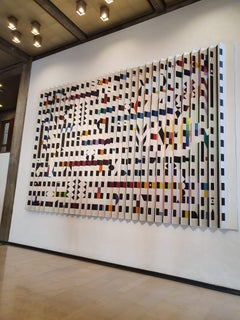
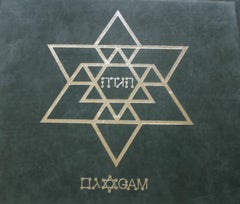
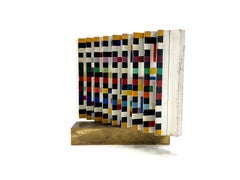
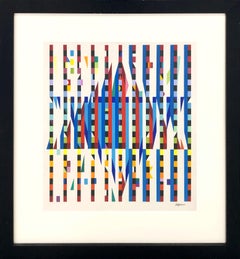
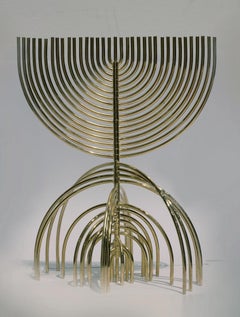
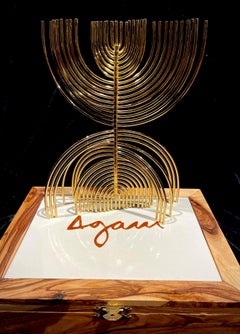
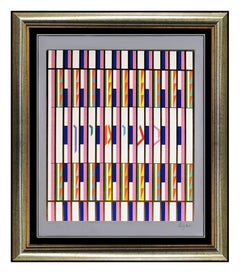
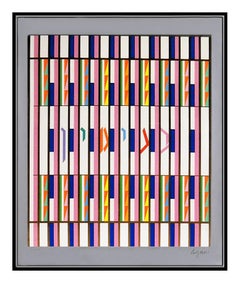
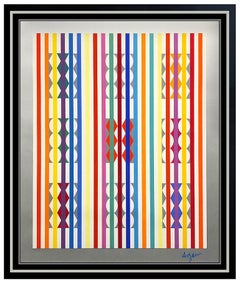
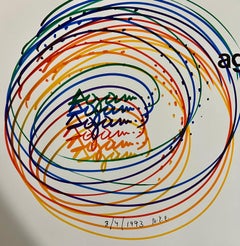
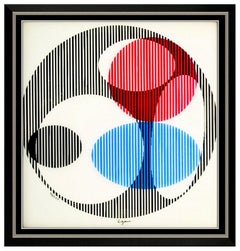
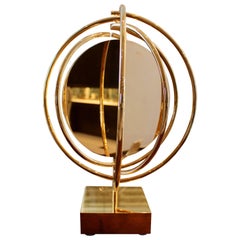
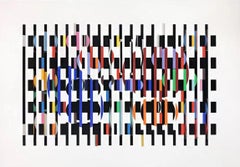
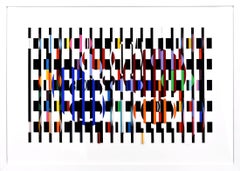
Influenced by his upbringing in Judaism as well as the teachings of the Bauhaus, Yaacov Agam is a pioneer of kinetic art as well as the Op art movement and is often credited with introducing geometric abstraction to his home country of Israel.
Born in Rishon LeZion, Palestine — now part of Israel — the son of a rabbi, Agam found that the spiritual world had a major influence on his art practice, as did the sand dunes he grew up watching as they constantly shifted with the wind. This perpetual movement would inform his work, whereby riveting, prismatic compositions that transform from different perspectives, patterns that generate optical effects and sculptures that move with a passing breeze all reflect the gradual changes in nature.
Agam studied with Israeli painter Mordecai Ardon at the Bezalel School of Art in Jerusalem in the 1940s before traveling to Zurich where he trained with Swiss Expressionist painter Johannes Itten and was inspired by the abstract work of Russian painter Wassily Kandinsky.
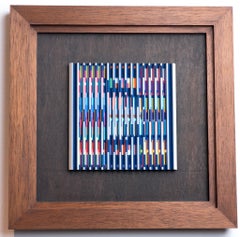
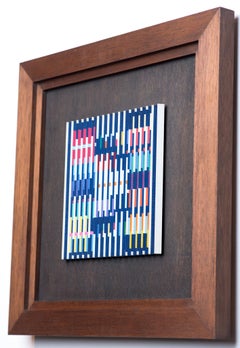
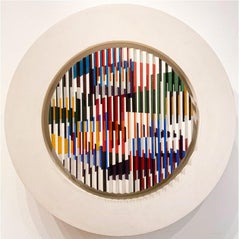
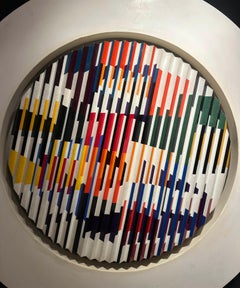
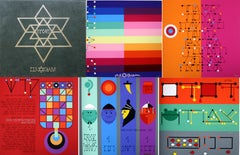
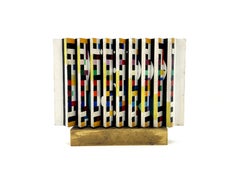
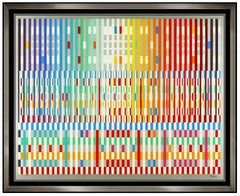
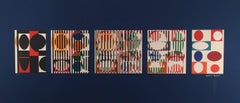
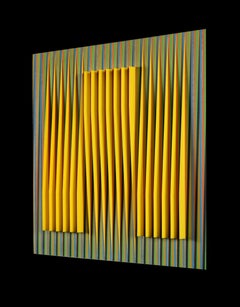
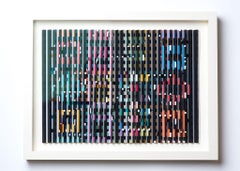
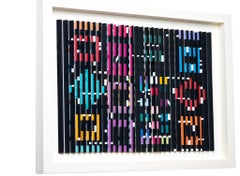
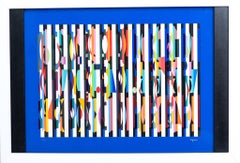
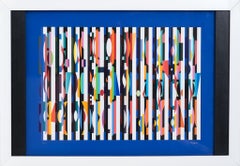
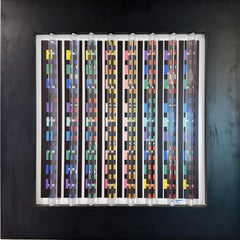
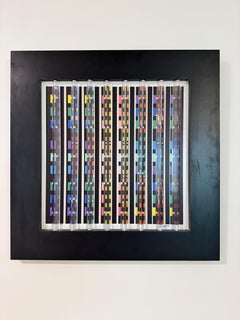
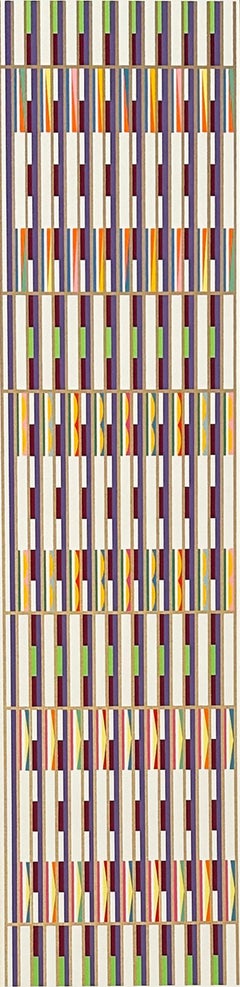
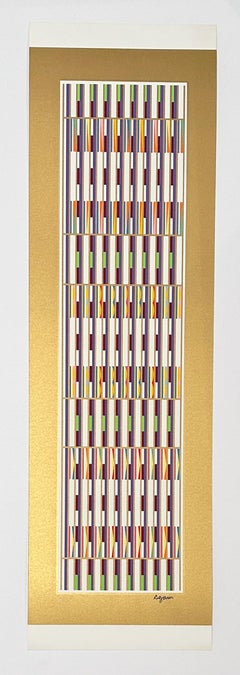
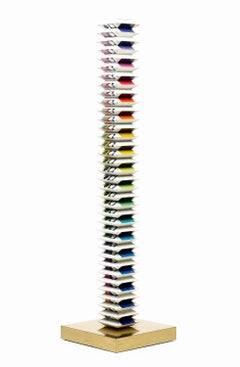
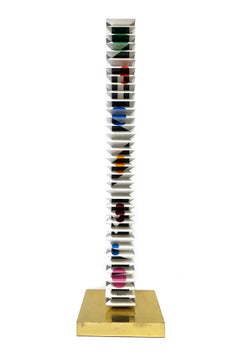
One of the innovative techniques Agam developed was the Agamograph, which uses lenticular printing so that multiple images, which are revealed as the viewer moves around the piece, can be seen on a single work. His art has regularly involved the spectator as a participant, whether it’s the 1972–74 room-size kinetic installation he created for the Elysée Palace that’s now in the Centre Pompidou in which a gleaming abstract sculpture is surrounded on all sides by polychromatic lines or it’s public art like the 1986 Fire and Water Fountain in Tel Aviv with circles of vibrant panels that offer varying colors from every angle.
In 2018, the Yaacov Agam Museum of Art opened in Rishon LeZion, showcasing six decades of Agam’s influential work that engages with perception through color, shape and form, from paintings, prints and installations to new experiments in interactive digital art.
Find a collection of Yaacov Agam art today on 1stDibs.