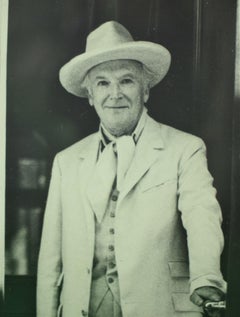
Cecil Beaton developed a distinctive style of photography where the subject was immersed in backgrounds made of unusual materials such as paper-mâché or aluminum foil. A socialite who rubbed elbows with royalty, celebrities and the wealthy aristocracy, the British photographer captured some of the most famous names of his time.
Beaton was born in London in 1904 to a successful lumber merchant and amateur actor. He received his first camera as a gift at age 11. Beaton later attended St. John’s College in Cambridge and studied art, history and architecture. He dropped out in 1925 and went to work in the family lumber business, but his free time was spent absorbed in photography.
Beaton befriended Sir Osbert Sitwell, who was captivated by his photographs and funded his first exhibition. It was an immediate sensation, leading to work with major magazines.
With a photography contract from Condé Nast, Beaton left for New York. By the end of the 1920s, he had worked as a staff photographer for Vanity Fair and Vogue. He continued to cultivate his unique portraiture style and published his work in several books. One of his greatest achievements was a commission from the British Royal Family in 1939, a relationship which endured for decades. During World War II, he served as a wartime photographer in Africa and East Asia.
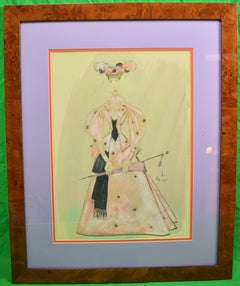
After the war, Beaton returned to private portrait commissions. He also began designing costumes and sets for theater and the silver screen, winning an Academy Award for Best Costume Design for Gigi and awards for costume design and art direction for My Fair Lady. He also won costume design Tony awards for the Broadway shows Quadrille, My Fair Lady, Saratoga and Coco.
Beaton designed the sets and costumes for a production of the opera Turandot at the Metropolitan Opera in New York and then at Covent Garden, London. His diaries, which were scrapbooks of his life and interests, have garnered wide interest, and several volumes of them have been published.
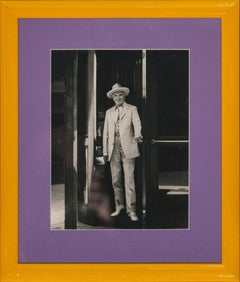
On 1stDibs, find Cecil Beaton’s photography, drawings and watercolors, paintings and more.