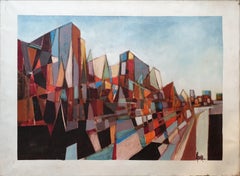
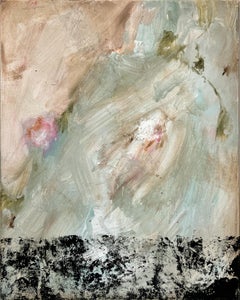
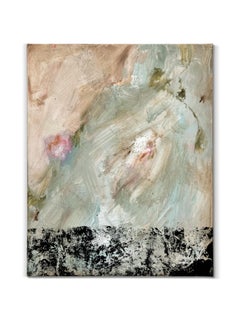
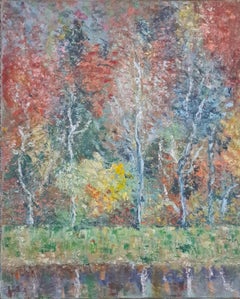
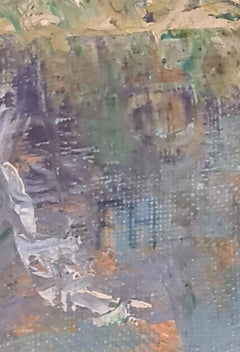
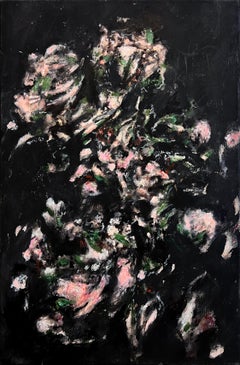
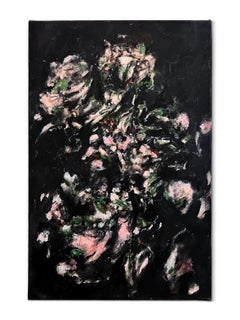
Find a wide variety of authentic Daniel Raynott paintings available for sale on 1stDibs. If you’re browsing the
collection of paintings to introduce a pop of color in a neutral corner of your
living room or
bedroom, you can find work that includes elements of blue, purple and other colors. You can also browse by medium to find art by Daniel Raynott in acrylic paint, canvas, fabric and more. Much of the original work by this artist or collective was created during the 21st century and
contemporary and is mostly associated with the contemporary style. Not every interior allows for large Daniel Raynott paintings, so small editions measuring 30 inches across are available.
Daniel Raynott paintings prices can differ depending upon medium, time period and other attributes. On 1stDibs, the price for these items starts at
$4,000 and tops out at
$5,000, while the average work can sell for
$4,000.