By Gaetano Missaglia
Located in Cascina, Pisa
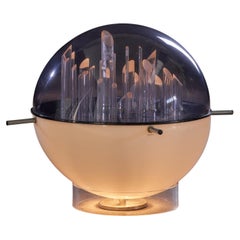
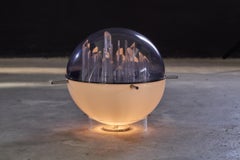
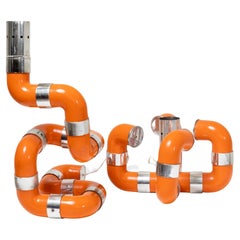
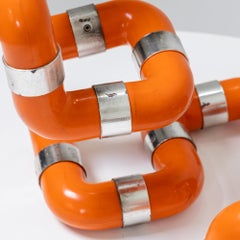
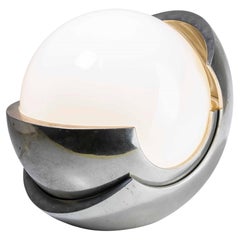
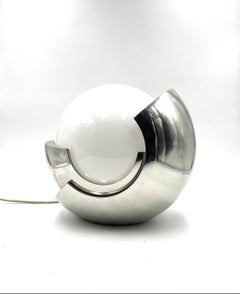
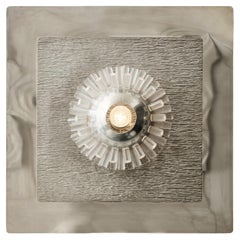
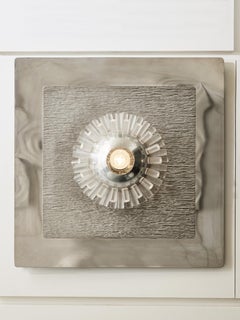
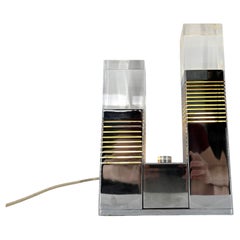
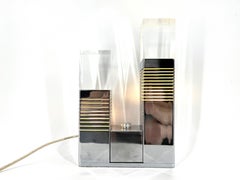
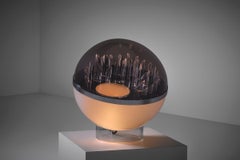
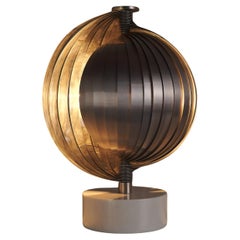
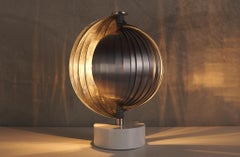
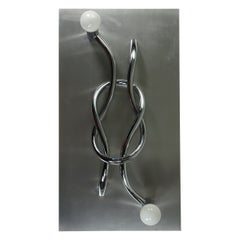
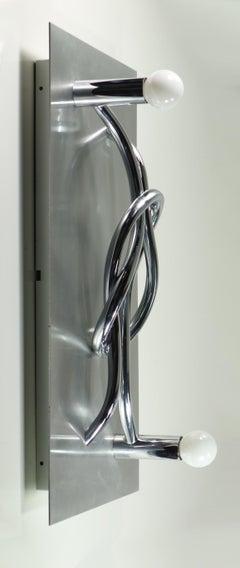
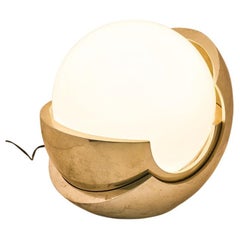
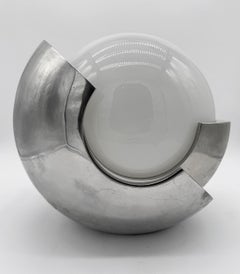
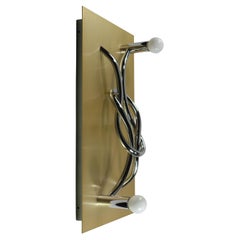
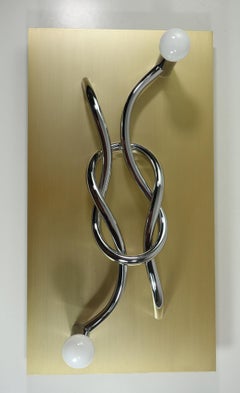
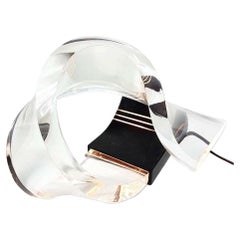
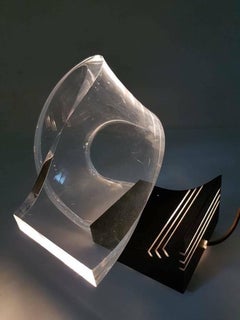
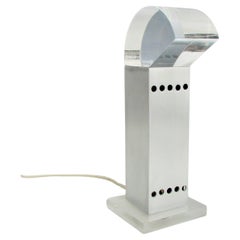
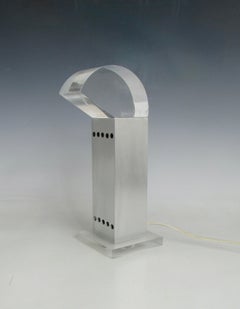
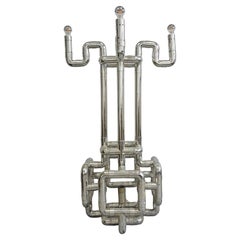
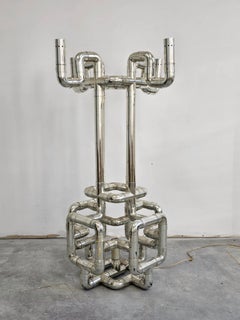
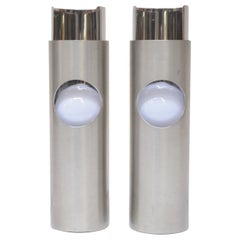
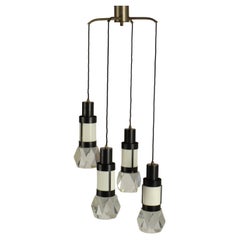
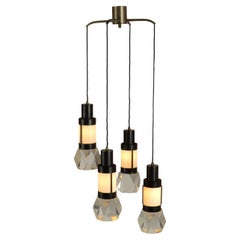
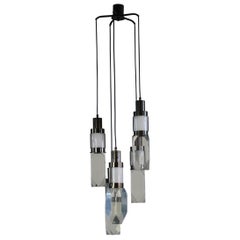
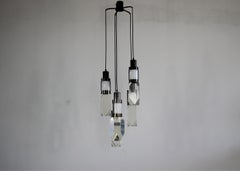
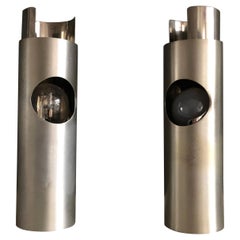
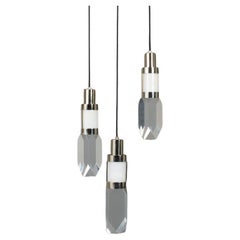
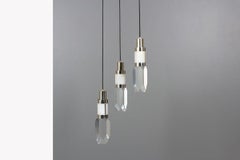
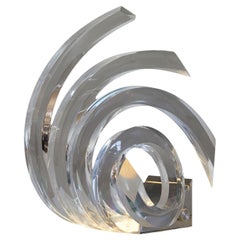
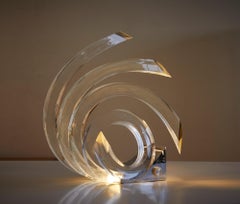
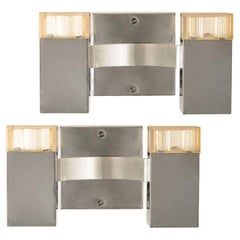
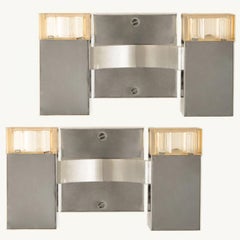
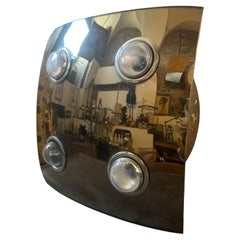
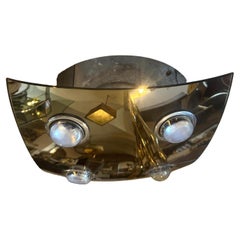
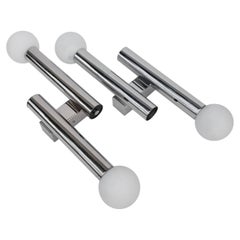
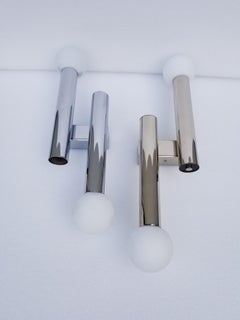
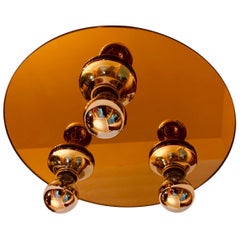
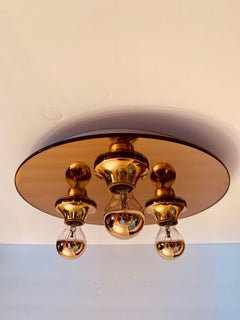
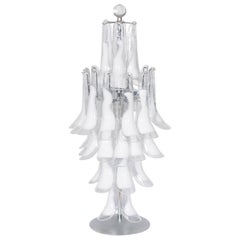
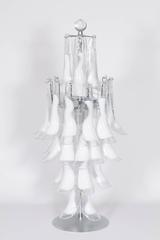
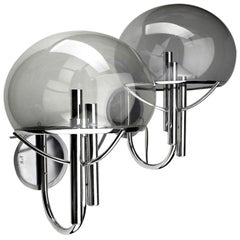
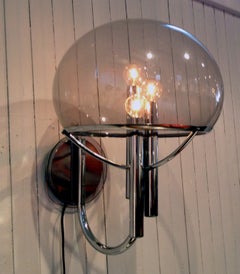
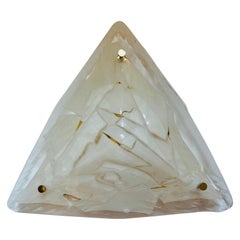
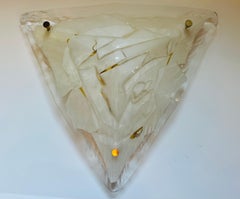
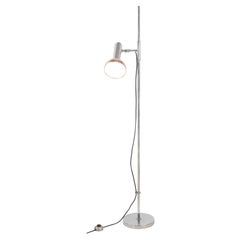
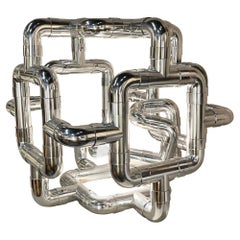
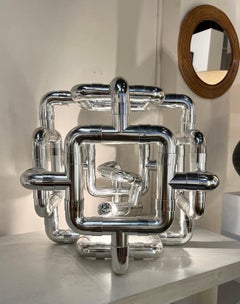
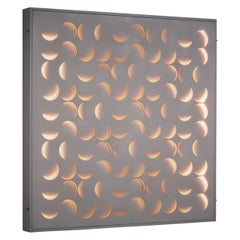
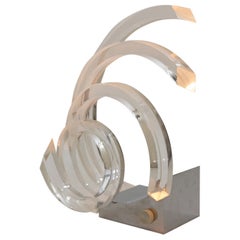
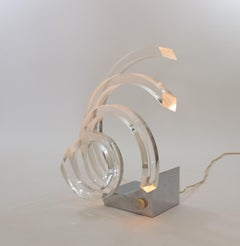
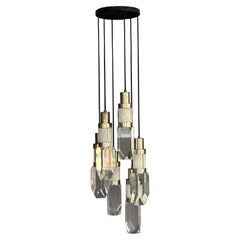
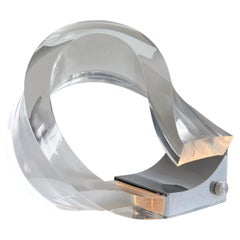
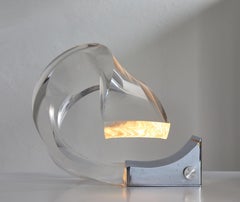
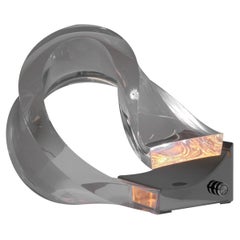
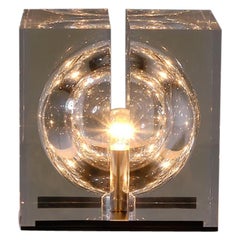
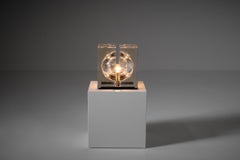
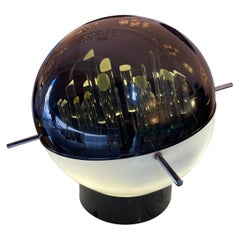
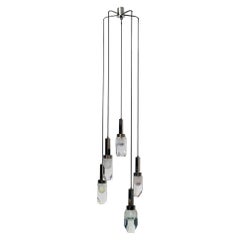
Mid-Century Modern ceiling lamp with five lampshades in chromed metal and lucite plexiglass.
Designed by Gaetano Missaglia and manufactured in Italy during the 1970s.
Acrylic, also known as the brand names lucite or Plexiglas, was developed in the 1930s. Its scientific name is Poly(methyl methacrylate), or PMMA, and it is a type of thermoplastic, which is a plastic Material that is moldable at extremely hot temperatures and solid once cool.
The company that created acrylic licensed it in two ways; first as Plexiglas to be a glass replacement, and afterwards as lucite for commercial uses in 1937. Commercially, lucite was used in jewelry, handbags, and cosmetics packaging. Plexiglas, in comparison, was often used for larger projects, such as aircraft windows, lenses for lighthouses, and aquariums.
Before it was used widespread for furniture, acrylic was being utilized for military purposes, as wartime was quickly approaching. During World War 2 (1939-1945), the country’s resources were mostly directed to military uses, and acrylic was no different. Acrylic, as Plexiglas, was used to help the military, including as airplane windshields and submarine periscopes.
Despite that, some people began using acrylic to make furniture. In 1939, Helena Rubinstein, a wildly successful cosmetics mogul and art collector, commissioned to Ladislas Medgyesan an entire suite of acrylic furnishings for her NYC apartment, including an illuminated acrylic bed in her bedroom and acrylic chairs for business meetings.
When the war ended in 1945, acrylic was ready to be worked with in design on a larger scale. The company licensed lucite widely, making it much more available across every industry. It steadily gained momentum in the world of design, with artists and designers being inspired by its moldability and translucense. In 1959, French designer Erwine Laverne told a New York Times reporter, “The most important element in rooms is people, not furniture,” speaking to the growing popularity and importance of the clear furniture.
But acrylic furniture hit its peak popularity in the 1960s and ‘70s, as more acrylic furniture designers and artists entered the scene. Glass artists began to take more of an interest in acrylics, especially taking advantage of acrylic’s flexibility, light weight, cost, and capacity to refract and filter light. Designers like John Mascheroni and Charles Hollis Jones, known as the Godfather of lucite, created iconic pieces that still look beautiful in today’s modern home.
Designers and artists alike loved the durability and look of acrylic. As Charles Hollis Jones put in an interview with Ravelin Magazine,
“I worked a lot with lucite when I first started. When I worked with the company that wanted me to go to Europe, they had me work with glass, ceramic, enamel. I went over there and the glass was always in the wrong color and it always broke. When the earthquakes came, I got visual proof of that. I like to work with acrylic because it does two wonderful things that glass doesn’t. It’s shatter-proof, first of all. I can also change the microstructure and make it one-tenth the strength of steel. And the most important thing it does: it carries light. Glass reflects light. lucite holds it and carries it. If you play with it, you can make a lens to look at something in space. It’s that good. It’s purer than crystal.”
In fact, acrylic was often used in chandeliers as well, mixed with other materials to make incredible striking designs that would have been much more difficult to achieve with glass.
Recently, acrylic furniture has once again risen in popularity. While many of the designs are timeless, more designers are coming forward with acrylic furniture for the modern home. In 2002, designer Philippe Starck introduced his Louis Ghost Chair, and the trend has only grown from there.
You’ll now find entirely acrylic pieces of home furnishings and accessories, as well as acrylic-detailed furniture all across the market. With so many designs, options, and knock-offs all across the market, we at clear home design...
Category
1970s Italian Mid-Century Modern Vintage Gaetano Missaglia Furniture