By Imari Porcelain
Located in Worcester Park, GB
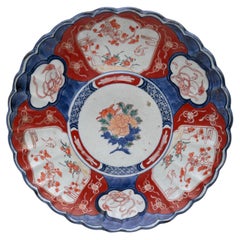
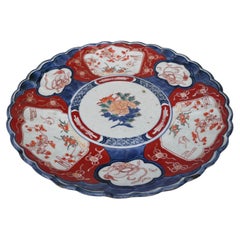
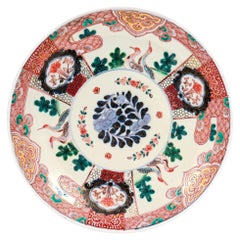
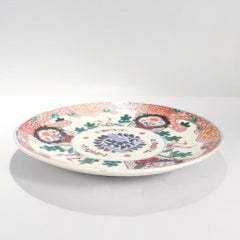
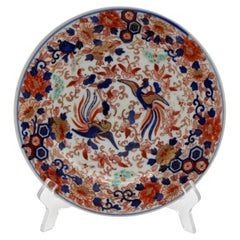
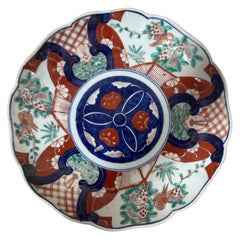
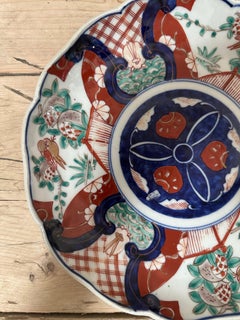
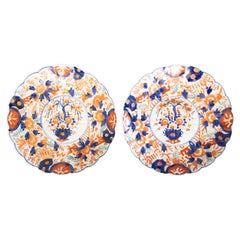
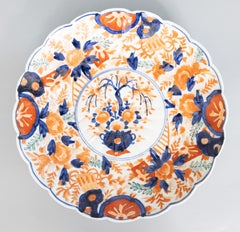
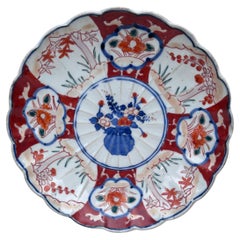
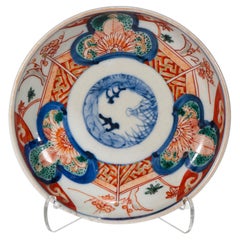
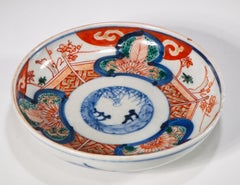
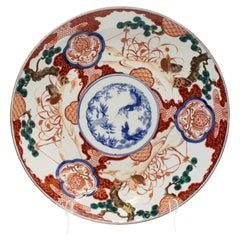
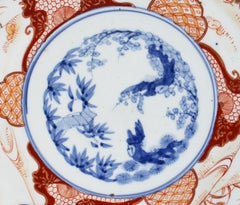
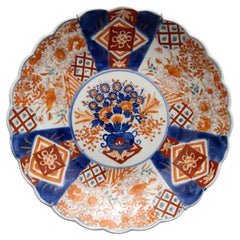
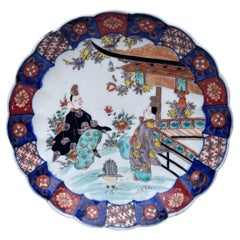
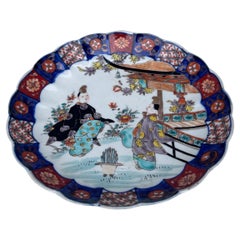
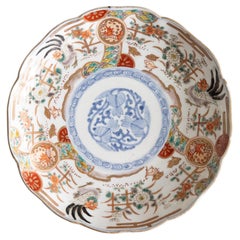
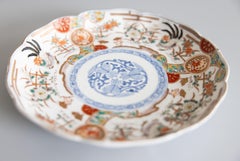
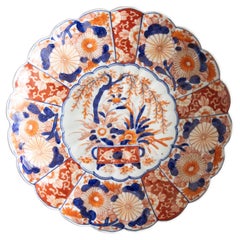
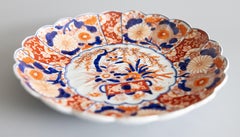
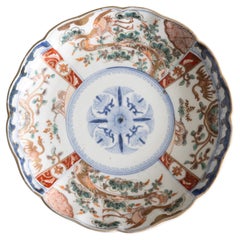
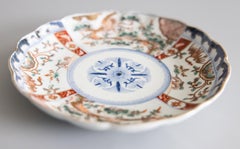
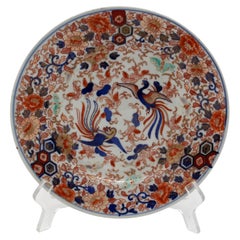
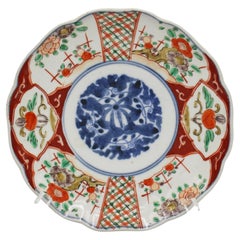
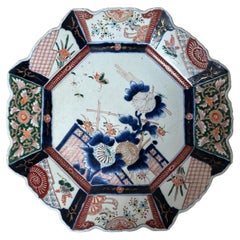
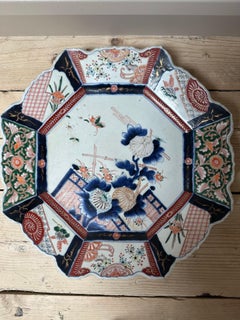
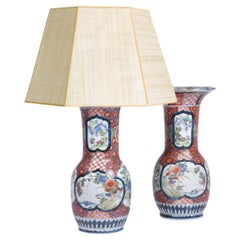
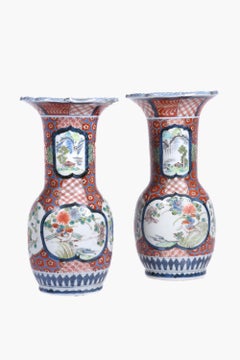
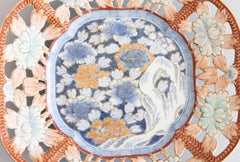
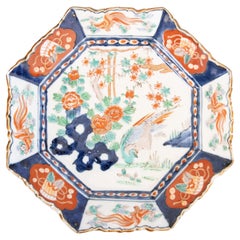
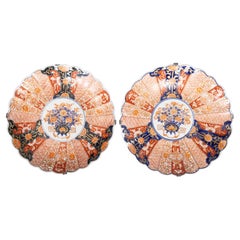
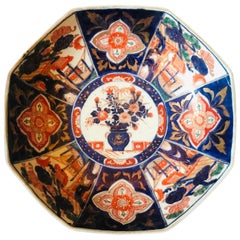
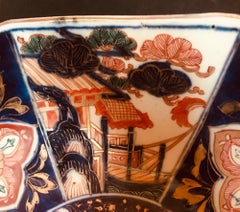
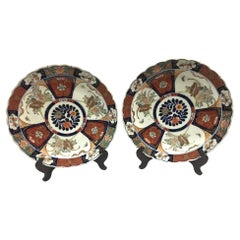
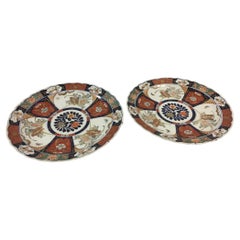
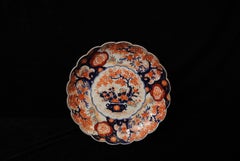
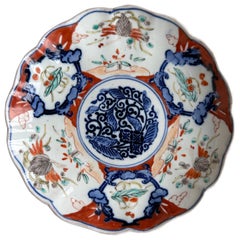
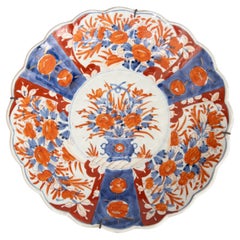
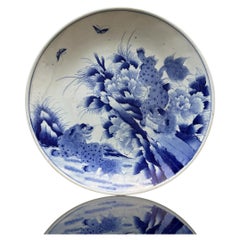
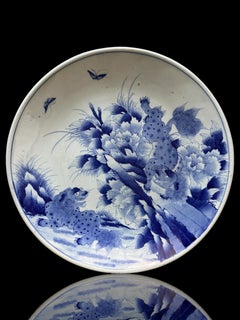
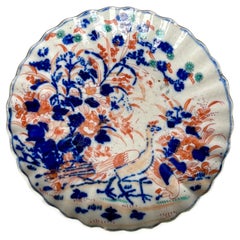
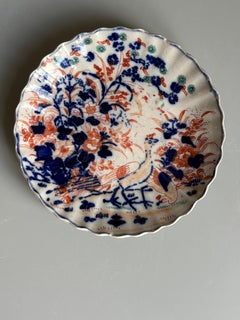
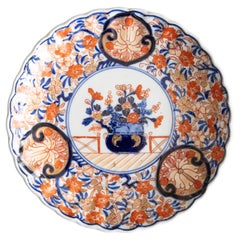
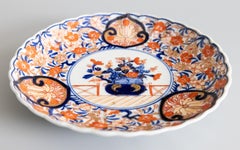
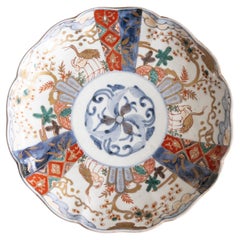
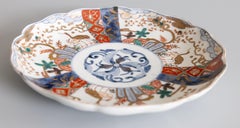
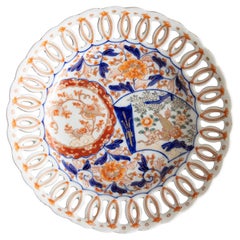
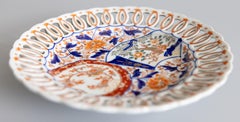
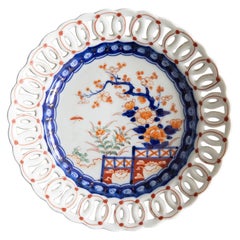
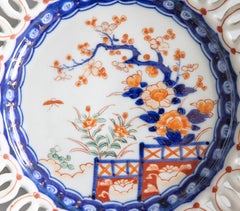
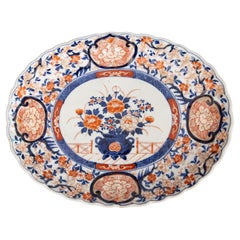
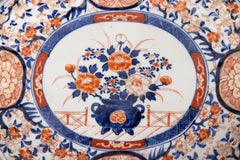
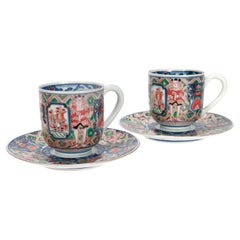
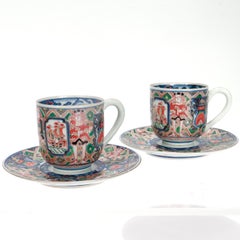
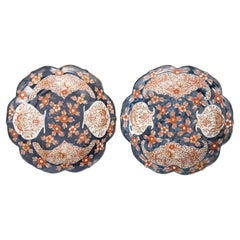
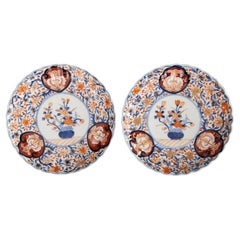
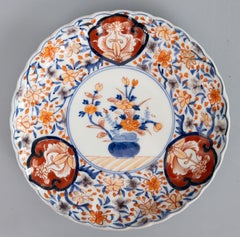
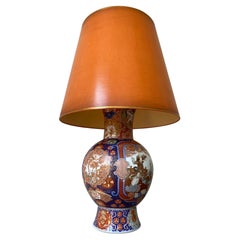
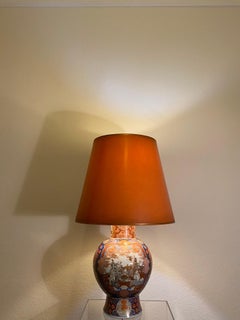
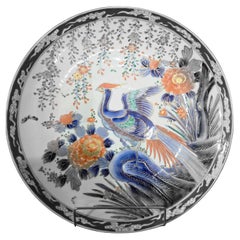
A fine example of Japanese Imari porcelain, this plate likely dates to the Meiji period and reflects the artistry and craftsmanship that made Imari ware so prized worldwide. Originating in the kilns of Arita and shipped through the port of Imari, these porcelains became synonymous with elegance, rich design, and cultural exchange between Japan and the West.
Design:
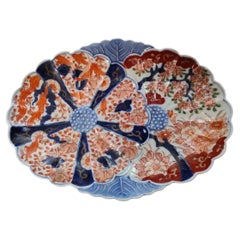
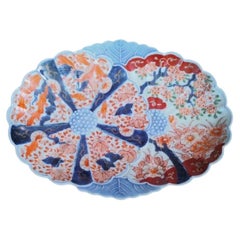
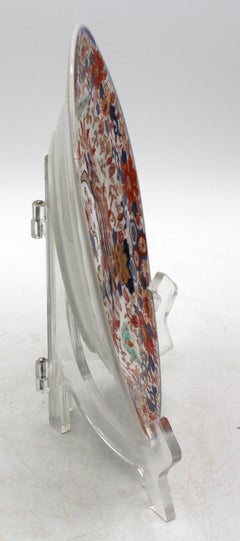
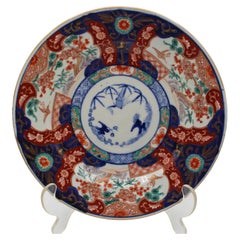
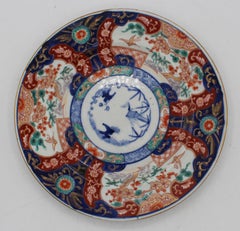
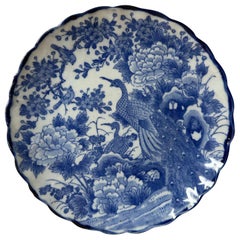
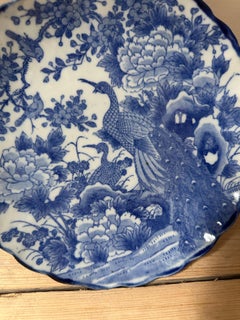
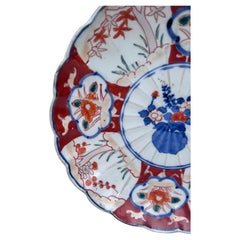
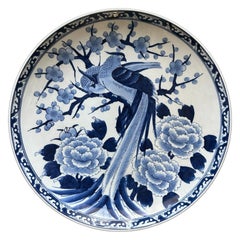
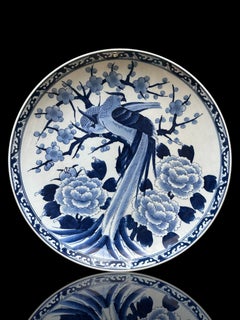
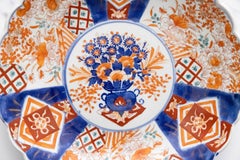
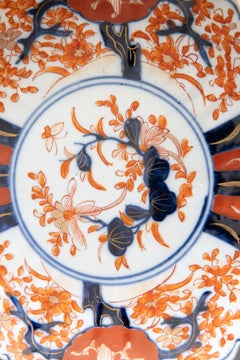
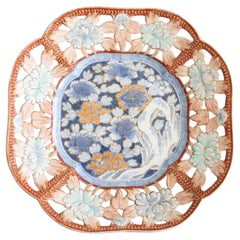
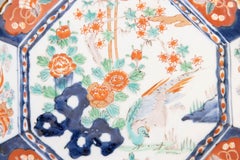
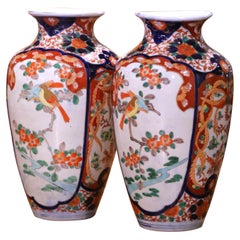
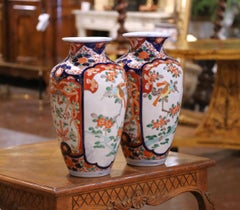
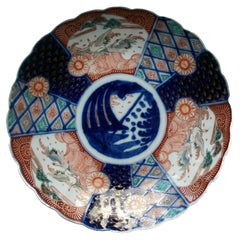
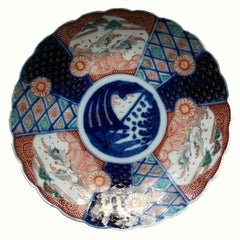
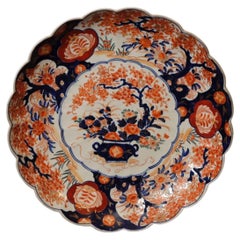
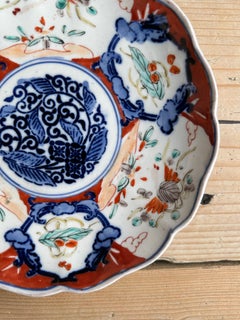
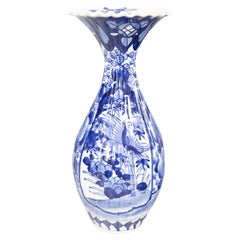
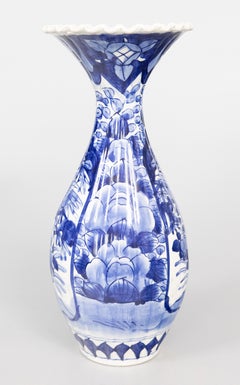
This plate features a scalloped edge and is richly decorated in cobalt blue and white with a detailed tableau of peacocks, birds, flowering trees, and foliage—motifs deeply symbolic in Japanese art, representing beauty, longevity, and renewal. The balance of naturalistic detail and decorative flourish is characteristic of Imari porcelain of the late 19th century.
Era:
Given its style and subject matter, this piece can be attributed to the late 19th to early 20th century, during Japan’s Meiji era, a period when traditional craftsmanship flourished alongside modernization.
Why Collectors Value It:
Exemplifies the refined artistry of Japanese porcelain during a culturally transformative period.
Features timeless natural motifs that resonate with both collectors and decorators.
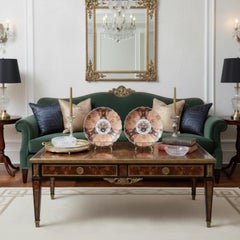
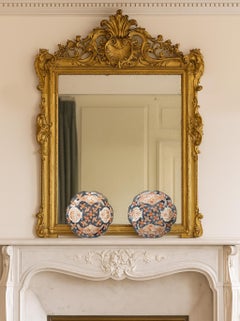
A versatile piece—equally striking as a display plate, wall mount, or part of a larger Imari collection...
Category
1860s Japanese Meiji Antique Imari Porcelain Furniture
MaterialsCeramic, Porcelain