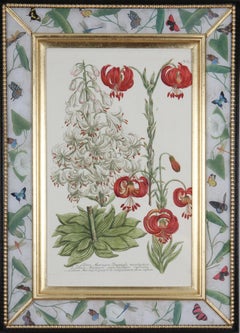
By Johann Wilhelm Weinmann
Located in Roswell, GA
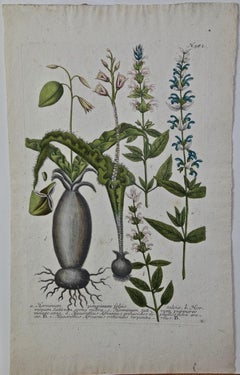
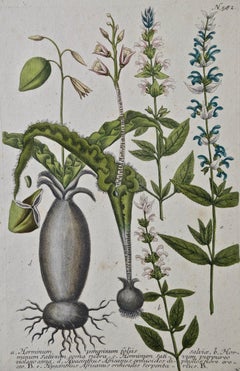
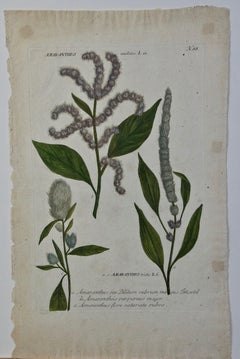
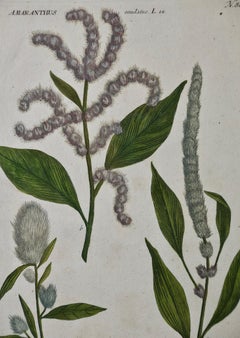
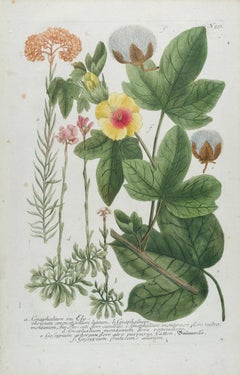
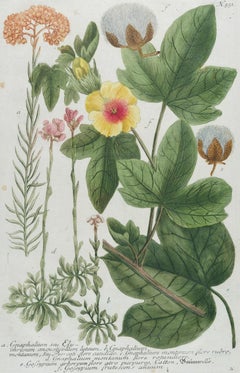
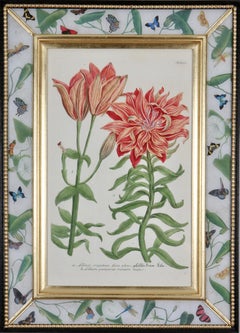
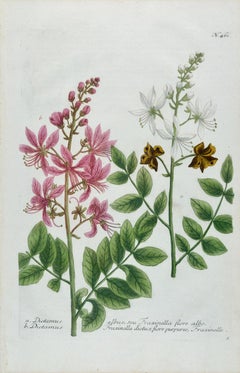
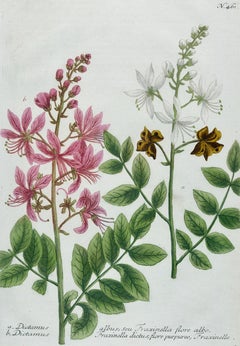
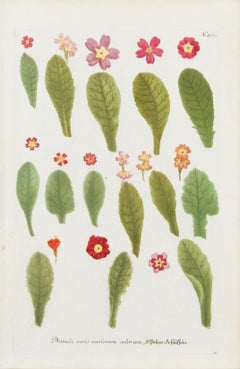
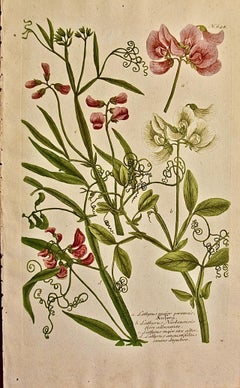
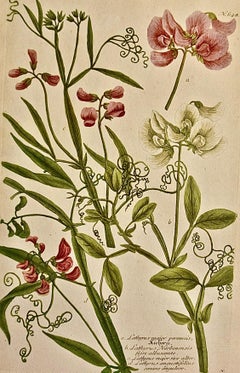
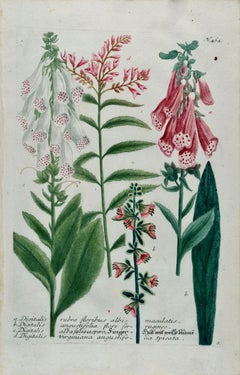
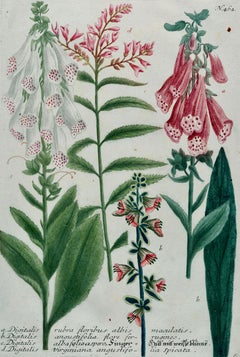
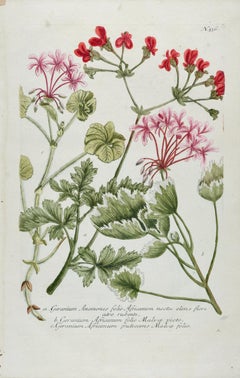
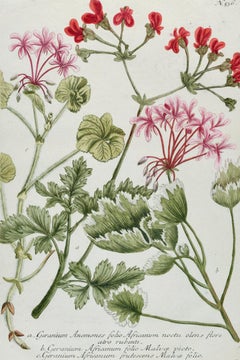
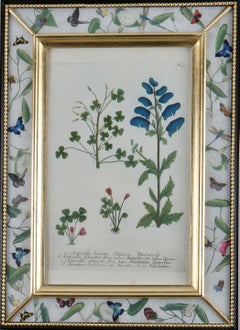
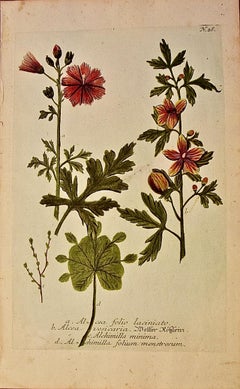
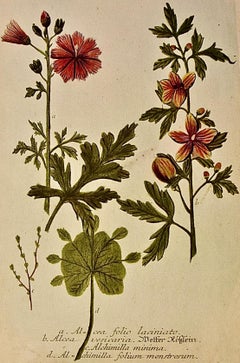
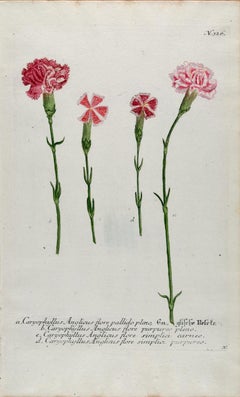
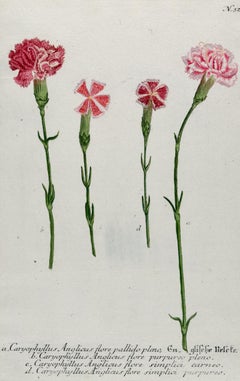
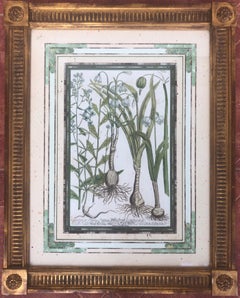
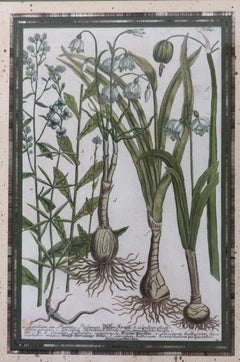
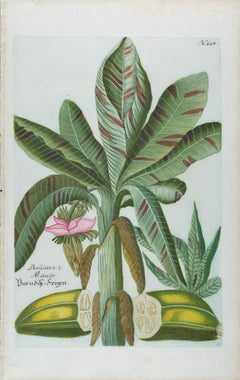
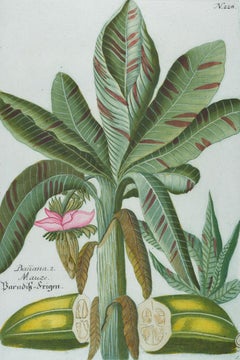
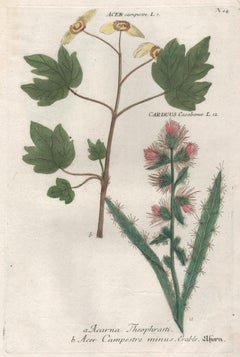
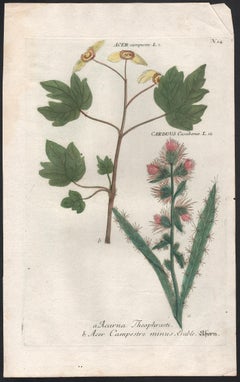
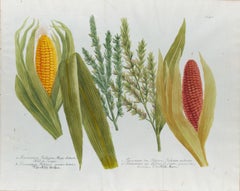
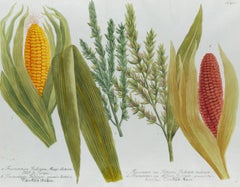
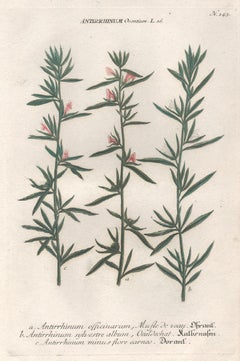
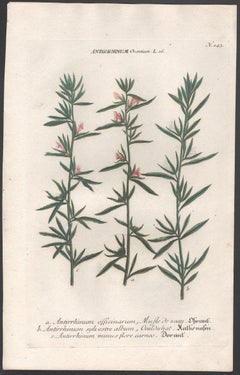
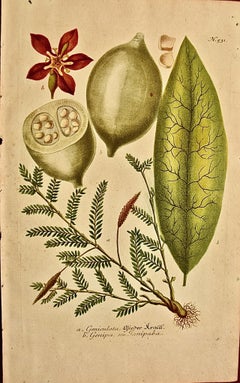
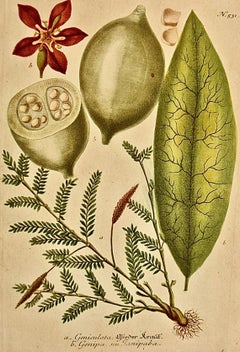
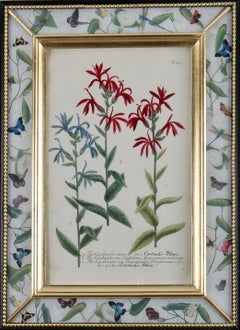
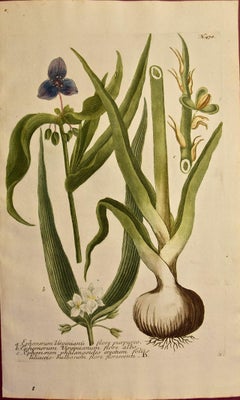
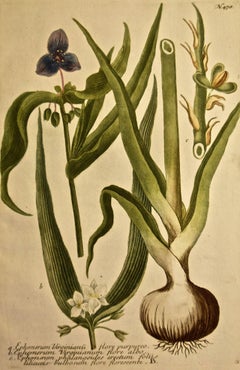
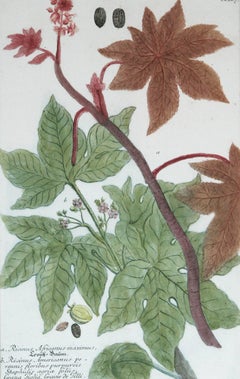
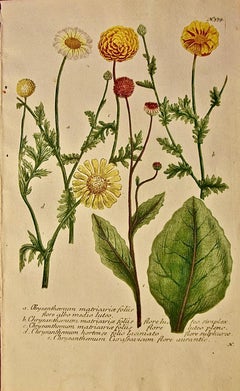
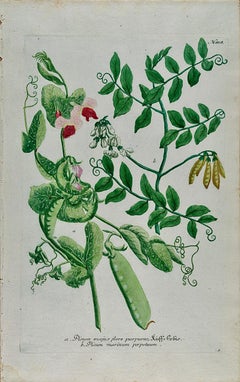
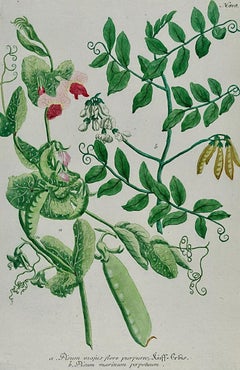
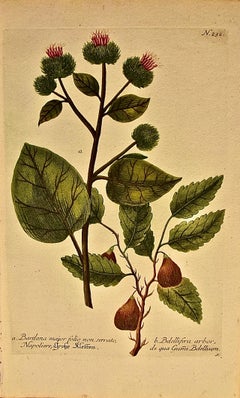
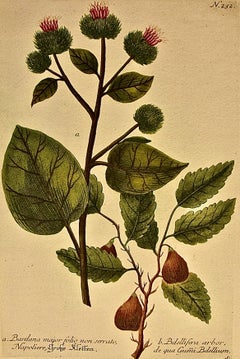
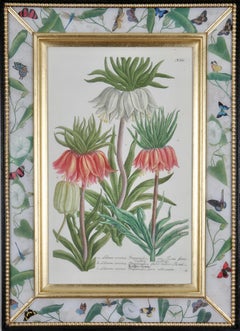
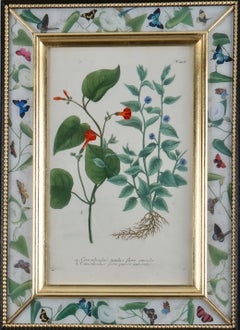
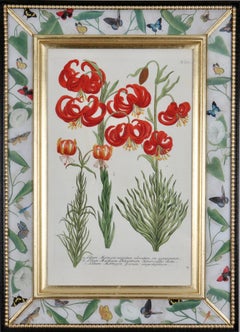
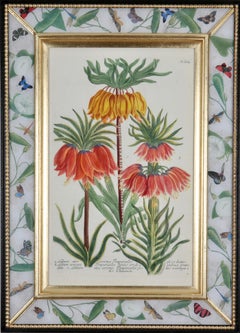
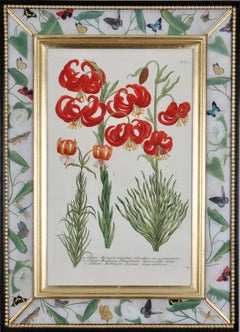
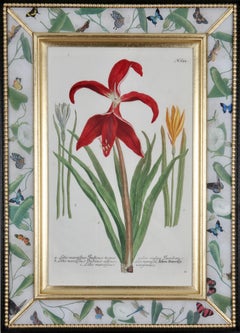
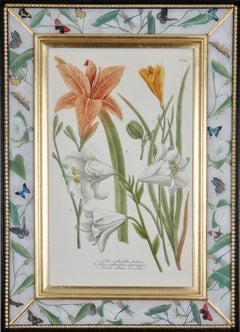
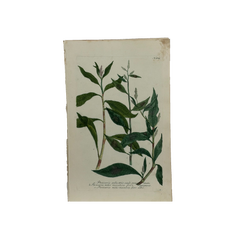
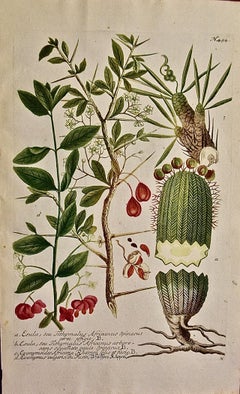
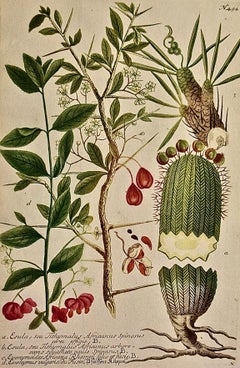
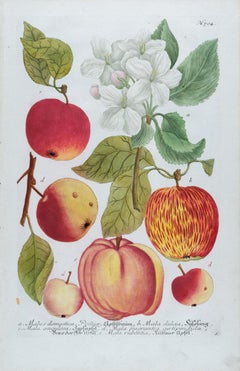
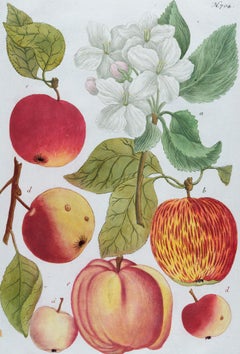
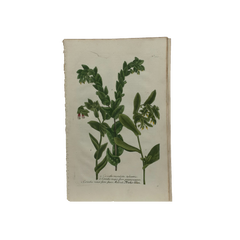
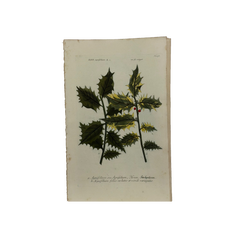
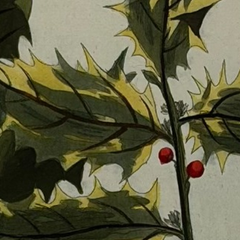
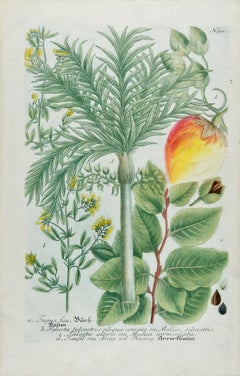
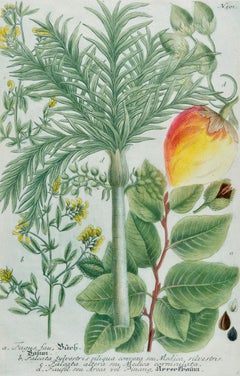
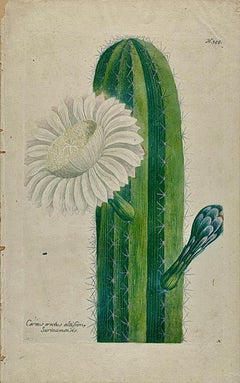
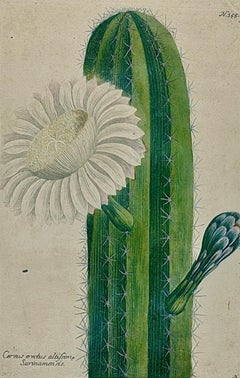
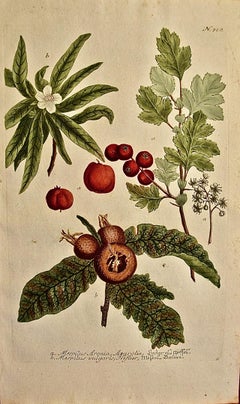
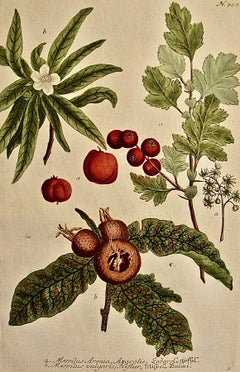
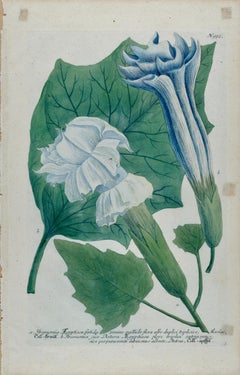
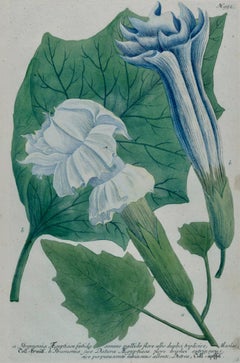
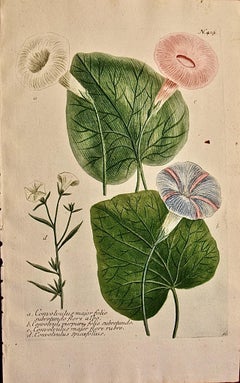
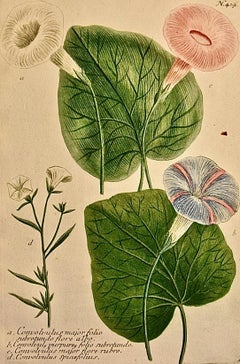
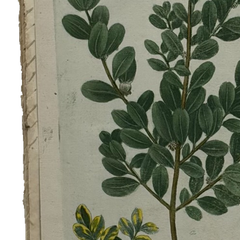
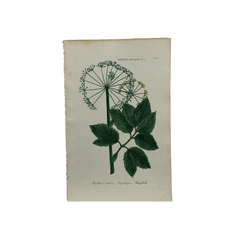
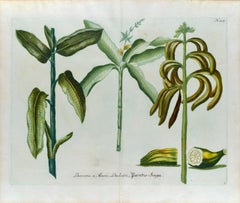
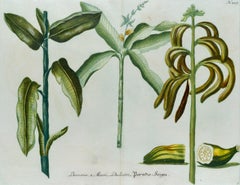
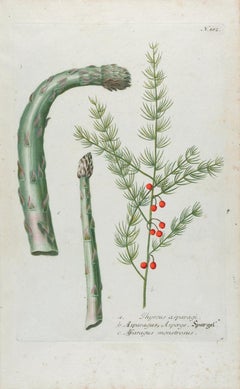
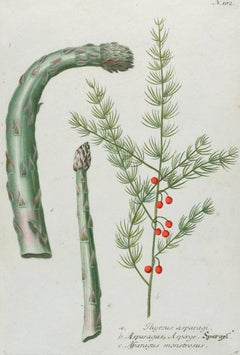
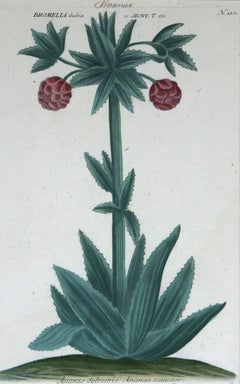
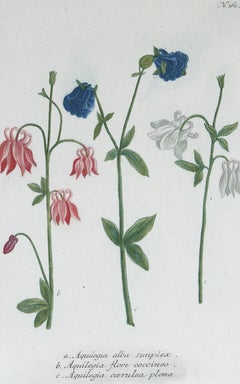
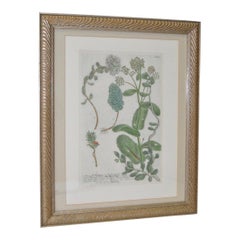
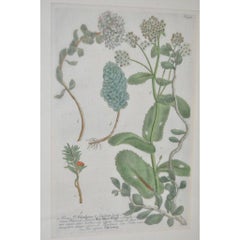
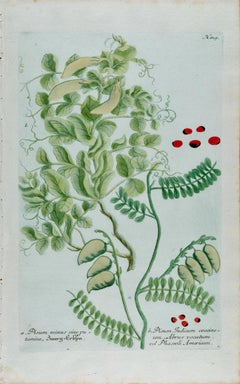
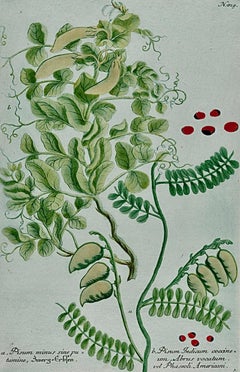
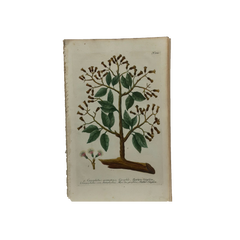
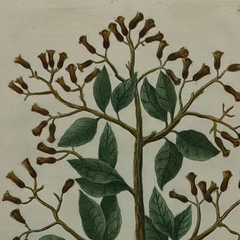
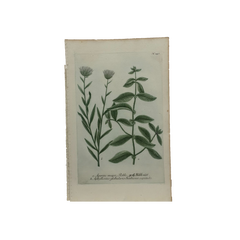
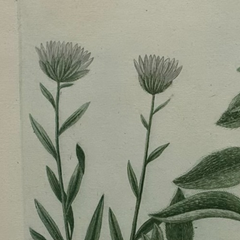
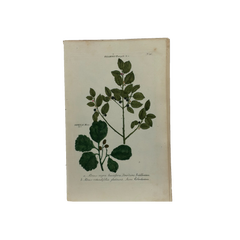
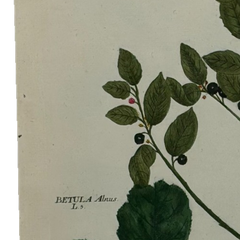
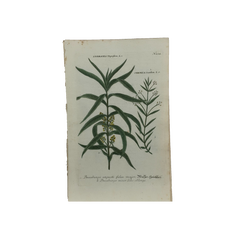
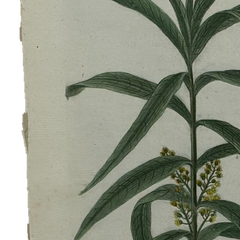
Dating from 1737–1745, these original 18th-century botanical prints come from Johann Wilhelm Weinmann’s monumental Phytanthoza Iconographia, one of the most ambitious and visually distinctive botanical publications of the period. Published in Regensburg, Germany, the four-volume work documented an extraordinary range of flowers, plants, trees, fruits and fungi through more than 1,000 botanical plates.
Johann Wilhelm Weinmann (1683–1741) was a German apothecary and botanist whose extensive plant collection formed the basis for this remarkable undertaking. The illustrations were created by several artists, most notably the celebrated botanical artist Georg Dionysius Ehret (1708–1770), whose early work for Weinmann helped establish the naturalistic style for which he later became famous. Other artists included N. Asamin, while important German printmakers Bartholomäus Seuter, Johann Elias Ridinger and Johann Jakob Haid participated in producing the plates.
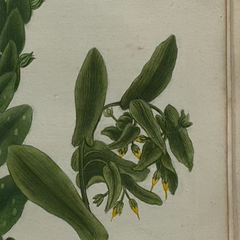
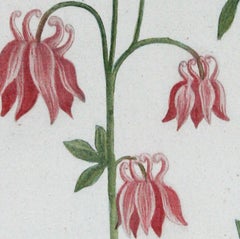
Phytanthoza Iconographia was technically innovative as well as beautiful. Its botanical illustrations were produced using engraving and color-printed mezzotint techniques, with additional coloring completed by hand. The publication is particularly significant for its pioneering successful use of color-printed mezzotint in botanical illustration. The resulting combination of printed color and hand finishing gives the flowers wonderful depth, subtle tonal variation and a distinctly painterly quality.
For interior designers, these original Weinmann botanical prints...
Category
Late 18th Century Johann Wilhelm Weinmann Art
MaterialsHandmade Paper, Laid Paper