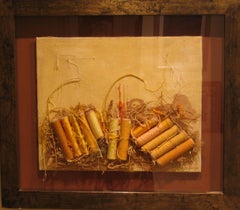
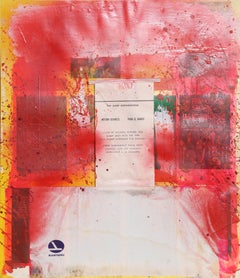
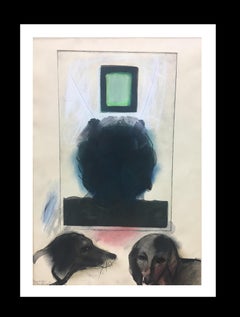
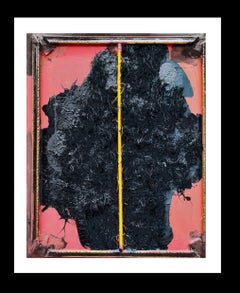
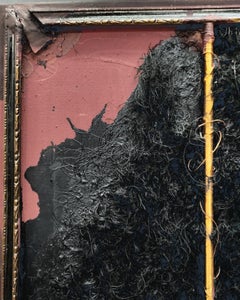
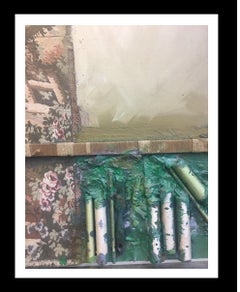
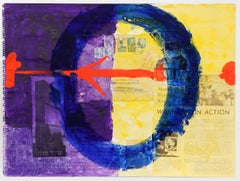
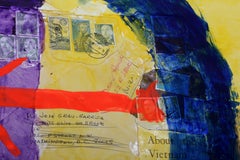
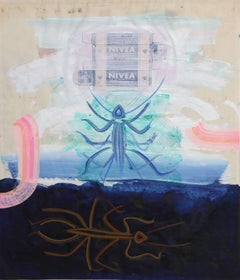
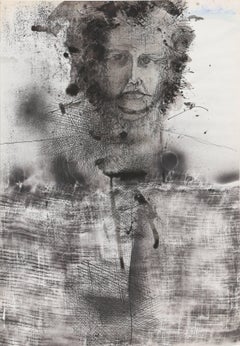
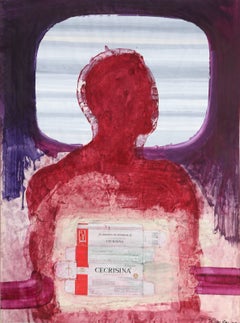
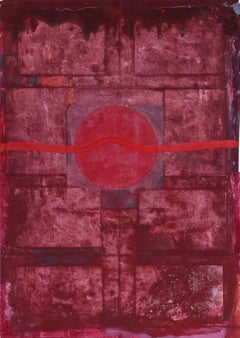
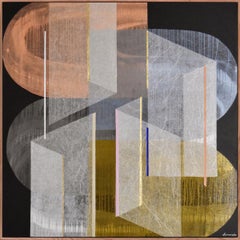
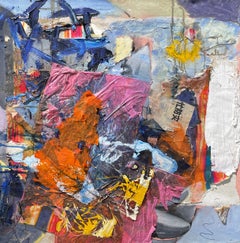
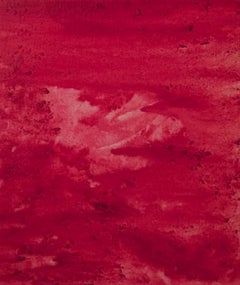
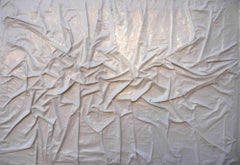
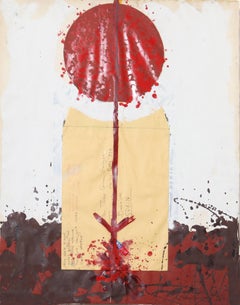
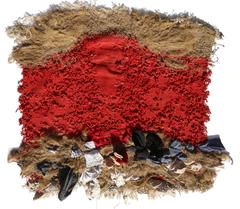
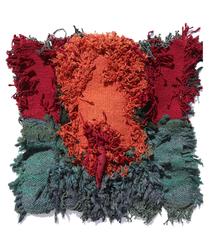
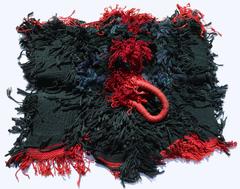
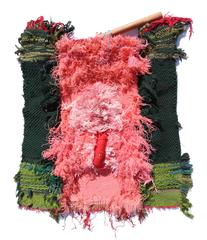
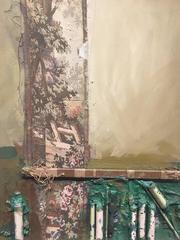
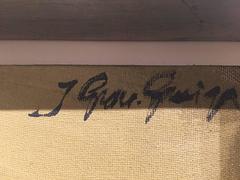
By Josep Grau-Garriga
Located in La xara, VC
Free shipping to USA * shipping option private quote
Submitted by Michel Soskine Inc.
In the early 40s, Grau-Garriga gets his first influences through the Museu Nacional d'Art de Catalunya, its frescoes, Romanesque and Gothic paintings. He studies art first at the Llotja and then at the Escola Superior de Belles Arts de Sant Jordi in Barcelona. In the 50s, he is devoted to mural painting, creating works of the magnitude of the murals in the chapel of Sant Crist of Llaceres (Sant Cugat del Vallès, 1956) or the sanctuary of St. Mary of Paretdelgada (La Selva del Camp, 1959).
In 1956, the entrepreneur Miquel Samaranch offers him the opportunity to revitalize the old Casa Aymat in Sant Cugat dedicated to the production of carpets and tapestries. Samaranch hands him the artistic direction of the company within which an experimental tapestry workshop is organized. A year later the company funds his first study trip to France, where he deeply gets to know the technique of medieval and contemporary tapestry, a medium he'll revolutionize and that will grant him international relevance. He personally meets the painter and French poet Jean Lurçat, considered a master of modern tapestry and one of the leaders of its renovation, who, the following year (1958), would come to work with him in Saint Cere, in Olt (France).
Applying the technical and conceptual knowledge acquired in France to the local context, Grau-Garriga, as artistic the director, and his disciples place the Casa Aymat on the basis of what has been called the Catalan School of Tapestry. He became the theorist of the movement generated there, involving, for nearly two decades, some of the most well-known artists of the time such as Joan Miró, Josep Maria...
Category
1980s Spanish Mid-Century Modern Vintage Josep Grau-Garriga Art