Josiah Spode Tableware

British, 1733-1797

English potter Josiah Spode, a friend and neighbor of another estimable English ceramist, Josiah Wedgwood, established his eponymous pottery and homewares company in 1770 in Stoke-on-Trent. Spode is one of the oldest and most distinguished of the great pottery companies of Staffordshire, the time-honored home of English ceramics. Within fifteen years of its opening, Josiah’s company became known for its signature blue-on-white palette, and one of the manufacturer’s designers developed a specific cobalt hue for their teapots, trays, bowls and more. 

Spode’s founder apprenticed at the Fenton Low workshop under Thomas Whieldon, an important 18th-century potter known today for his tortoiseshell ware (as did Josiah Wedgwood). Later, after establishing his company, Josiah Spode became particularly revered for two technical achievements in the firm’s early decades. The first was to develop a standard formula for the making of bone china — a type of porcelain (made with a mixture of bone ash, minerals and clay) that is dazzlingly white and so strong it can be used to create very thin translucent plates and vessels. The other was to perfect the making of transferware. That process involves the transfer of pictorial images inked on tissue paper — such as the garden scenery in the famous Willow dish patterns — onto ceramics that are then sealed with a glaze. 

In 1833, entrepreneurs William Taylor Copeland (the Lord Mayor of London at the time) and Thomas Garrett purchased Spode’s pottery-making company following the death of Josiah Spode III, and the name was changed to Copeland Spode. Then, in 1847, Copeland became the firm’s sole owner and the name changed again, this time to W. T. Copeland and Sons, in 1867 when Copeland retired and his four sons took over the business. 

Trading as W. T. Copeland and Sons throughout the mid-to-late 19th century, the company found a formidable competitor in another well-known porcelain maker, Minton. Many of the manufacturer’s Georgian, Rococo and late-Victorian pieces such as its dinner plates, tableware, platters, bowls and baskets were commissioned by wealthy British and European clients and exported for sale throughout the British Empire and to the United States. Several of W. T. Copeland and Sons’ spectacular pieces were exhibited at the Great Exhibition of London in 1851 and the International Exhibitions of London and Paris in 1862 and 1878, respectively.

Spode enjoyed tremendous success both in Britain and elsewhere owing to the beauty and vitality of its decorative imagery. By some counts, Spode created more than 40,000 patterns in the 19th century. Many favorite Spode patterns — among them Blue Italian, India Tree, Greek and Woodland — date to the company’s early years. Spode’s most popular pattern, Christmas Tree, was introduced in 1938. Prices for Spode china vary widely, based on the size of the service, its condition and the pattern, and collectors regard Copeland-marked pieces as Spode china.

The company continued as W. T. Copeland and Sons until 1970 when Spode again became the brand's name. Afterward, during the late 1970s, Spode, Royal Worcester and Palissy came under common ownership. In 2009, the firm was purchased by the Portmeirion Group. However, the Spode and Royal Worcester names continue to flourish as highly popular “traditional English heritage” brands within the Portmeirion company.

Find antique Josiah Spode dinner plates, serveware, ceramics and other pieces on 1stDibs.
to
1
1
1
1
1
1
1
1
1
1
1
1
1
9
293
272
268
203
Creator: Josiah Spode
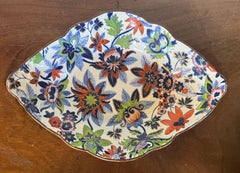
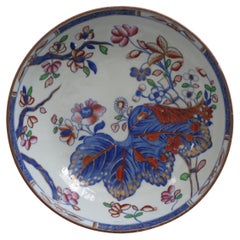
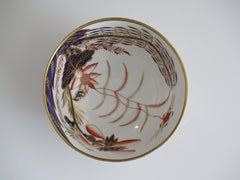
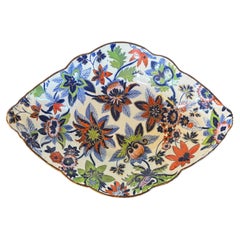
19th c. English Regency Spode Pearlware Pseudo Tobacco Leaf Dish Pattern 3277

19th c. English Regency Spode Pearlware Pseudo Tobacco Leaf Dish Pattern 3277

By Josiah Spode

Located in Litchfield, CT

Antique early 19th century English Regency Spode pearlware pseudo tobacco leaf dish pattern 3277, circa 1820. Decorated in a vibrant palette of Imari c...

Category

Early 19th Century English Regency Antique Josiah Spode Tableware

Materials

Pearlware

Related Items
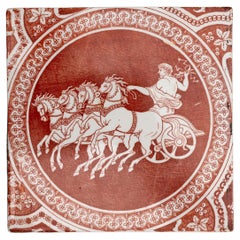
Early 19th Century Spode Red Greek Pattern Tile

Early 19th Century Spode Red Greek Pattern Tile

By Josiah Spode, Spode

Located in Fort Lauderdale, FL

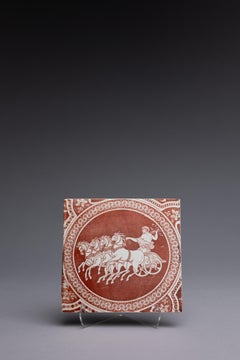
A Neoclassical red transferware tile made by Spode 1806-1810, with the ‘Zeus in His Chariot’ pattern. Sir William Hamilton’s Collection of Etruscan, Greek and Roman antiquities, first published in 1766 by Pierre d’Hancarville, was a landmark publication in English design. It intended to disseminate the Antique style through its engravings of Attic pottery. The catalog’s faithful reproductions of Classical vases led British potteries, including Spode, to adapt or even copy the ancient art for modern life. These Spode Greek pattern tiles reflect the major influence of Hamilton’s catalog on English Neoclassicism. The central scene was taken directly from the catalog. This tile can be dated to a narrow window of production in the Spode factory, 1806-1810. During that time, Spode used a technique known as the “Pluck and Dust” method to print in red transfer designs onto creamware. Using this method, source prints were transferred overglaze using tissue imprinted with a very faint rendition of the design outlined in sticky oil. The decorator applied the tissue to the object then carefully “plucked” or pulled it away, leaving the sticky oil design behind. Then, a finely-ground enamel color was “dusted” onto the surface, sticking to any areas that had the oil. A final firing at a low temperature in the enamel kiln made the pattern permanent. The Pluck and Dust technique improved upon bat-printing and enabled larger designers to be transferred. It was short-lived, however, as under-glaze transfer printing soon took over as the preferred method for producing transferwares. Dimensions: 5 in. x 5 in. x 1/4 in. Condition: Excellent. Provenance: The Collection of Nancy and Andrew Ramage Jonathan Horne...

Category

Early 19th Century English Neoclassical Antique Josiah Spode Tableware

Materials

Earthenware, Creamware

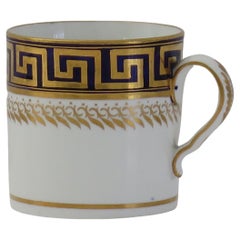
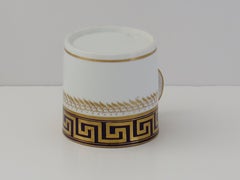
Early 19th Century Spode Porcelain Coffee Can Greek Key Pattern 742, circa 1810

Early 19th Century Spode Porcelain Coffee Can Greek Key Pattern 742, circa 1810

By Josiah Spode

Located in Lincoln, Lincolnshire

This is a very good example of an English George III period, porcelain, coffee can, made by Spode in the early 19th century, circa 1810. The can is nominally straight sided and ha...

Category

Early 19th Century English George III Antique Josiah Spode Tableware

Materials

Porcelain

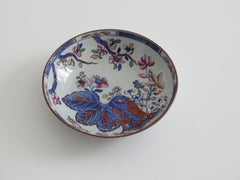
Georgian Spode Stone China Dish in Tobacco Leaf Pattern No. 2061, Circa 1820

Georgian Spode Stone China Dish in Tobacco Leaf Pattern No. 2061, Circa 1820

By Spode

Located in Lincoln, Lincolnshire

This is a good stone China (Ironstone pottery) Small Dish or Bowl / Saucer, hand painted in the tobacco leaf pattern, number 2061, made by the Spode factory in the early 19th century...

Category

Early 19th Century English Chinoiserie Antique Josiah Spode Tableware

Materials

Ironstone

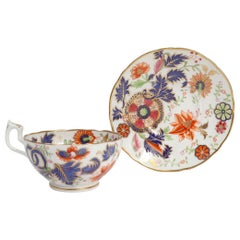
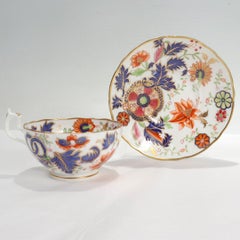
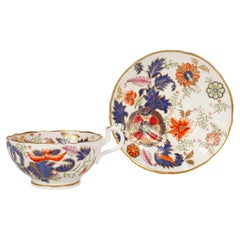
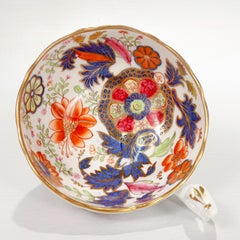
Antique English Porcelain Pseudo Tobacco Leaf Pattern Tea Cup & Saucer

Antique English Porcelain Pseudo Tobacco Leaf Pattern Tea Cup & Saucer

By Copeland & Garrett Spode

Located in Philadelphia, PA

A fine antique English porcelain cup & saucer. Attributed to Copeland Spode. In the Pseudo-Tobacco Leaf pattern, mimicking the Chinese Export pattern of the late 18th Century. Both cup and saucer have a gilt scalloped rim, are decorated in underglaze blues, and cold painted in reds, purples, and greens. Each is richly gilt. Simply a wonderful early English tea cup and saucer! Date: Early 19th Century Overall Condition: They are in overall good, as-pictured, used estate condition with no chips, cracks, or repairs. Condition Details: There is fine and tight crazing visible to the saucer (mostly on the underside). Otherwise each cup and saucer have tiny spots of crazing here and there, some rubbing to the gold, and some wear to the enamel decoration. Otherwise, there are some fine & light surface scratches and other signs of expected light wear consistent with age. Maker: Attributed to Spode Copeland Pattern: Pseudo Tobacco Leaf...

Category

Early 19th Century British Chinese Export Antique Josiah Spode Tableware

Materials

Porcelain

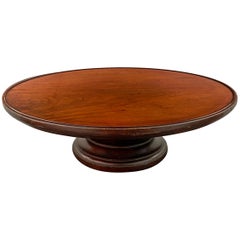
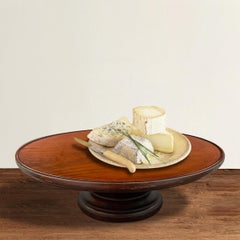
Late 19th Century English Mahogany Lazy-Susan

Late 19th Century English Mahogany Lazy-Susan

$1,850

H 7 in W 21 in D 20.5 in

Late 19th Century English Mahogany Lazy-Susan

Located in Chicago, IL

A wonderfully charming late-19th century English Victorian lazy-suzan with the top being constructed of one piece of mahogany and resting on a turned mahogany base.

Category

Late 19th Century English Late Victorian Antique Josiah Spode Tableware

Materials

Mahogany

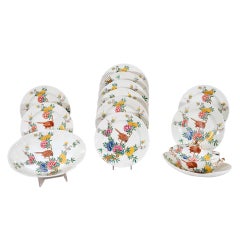
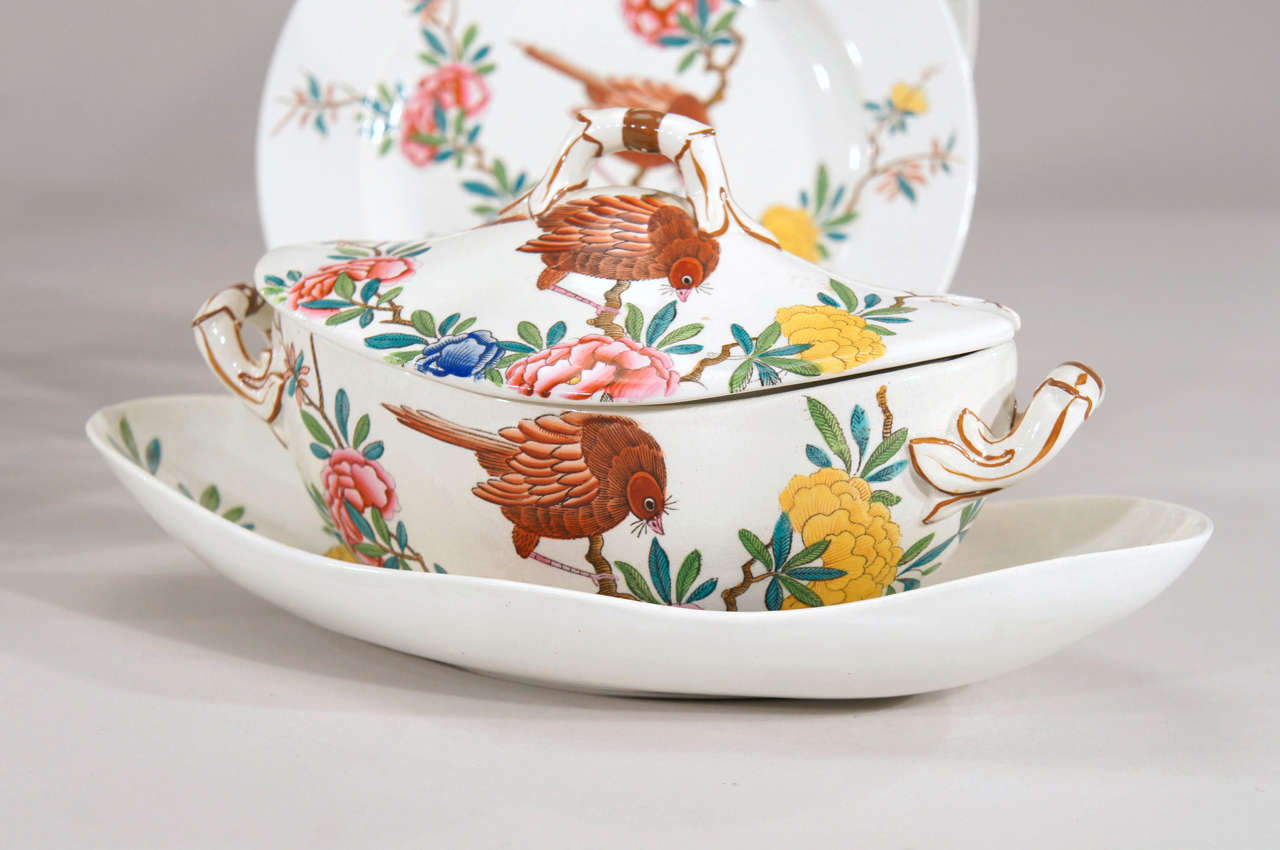
19th c. Spode "Tumbledown Dick" Dessert Service on White Ground

19th c. Spode "Tumbledown Dick" Dessert Service on White Ground

By Spode

Located in Great Barrington, MA

Not the typical colorway of Spode's wonderful "Tumbledown Dick" pattern, this is painted on a white ground, givng it great versatility and bold contras...

Category

19th Century British Antique Josiah Spode Tableware

Materials

Porcelain

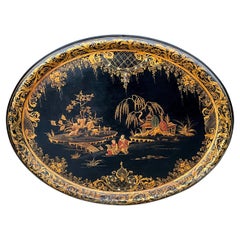
19th Century English Regency Papier-mâché Chinoiserie Japanned Tray

19th Century English Regency Papier-mâché Chinoiserie Japanned Tray

Located in Kennesaw, GA

This is a 19th century Regency papier-mâché chinoiserie tray. In addition to the lovely pen-work, it has mother of pearl inlay. It is not marked. Lite and general wear.

Category

Late 19th Century English Regency Antique Josiah Spode Tableware

Materials

Wood

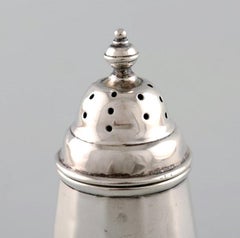
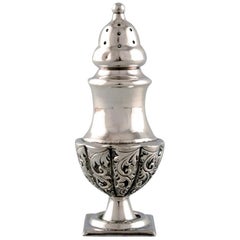
English Pepper Shaker in Silver, Late 19th Century

English Pepper Shaker in Silver, Late 19th Century

Located in København, Copenhagen

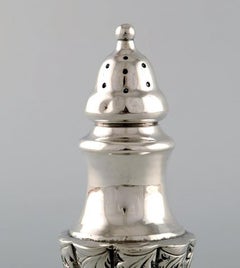
English pepper shaker in silver, late 19th century. From large private collection. Large selection in stock. Stamped. In very good condition. Minor wear. Measures: 7 x 3.1 cm. P...

Category

Late 19th Century English Late Victorian Antique Josiah Spode Tableware

Materials

Silver

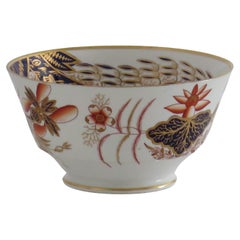
Early 19th Century Spode Porcelain Slop Bowl in gilded Pattern 2214, Ca 1810

Early 19th Century Spode Porcelain Slop Bowl in gilded Pattern 2214, Ca 1810

By Josiah Spode

Located in Lincoln, Lincolnshire

This is a very good rare example of an English George III period, porcelain, slop bowl, made by Spode in the early 19th century, circa 1810. The bowl is well potted on a low everted...

Category

Early 19th Century English George III Antique Josiah Spode Tableware

Materials

Porcelain

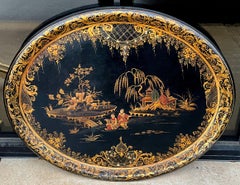
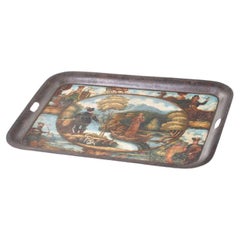
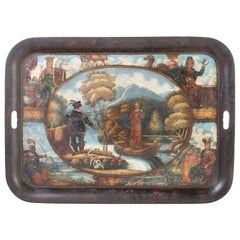
19th Century English Scenic Painted Tole Tray

19th Century English Scenic Painted Tole Tray

$1,120Sale Price|83% Off

H 2 in W 30.25 in D 22 in

19th Century English Scenic Painted Tole Tray

Located in Haddonfield, NJ

Fine Regency tray showing the four corners of the British Empire and a large central scene, illustrating many symbolic undertones.

Category

19th Century English Regency Antique Josiah Spode Tableware

Materials

Sheet Metal

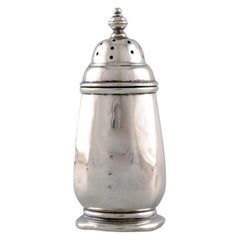
English Pepper Shaker in Silver, Late 19th Century

English Pepper Shaker in Silver, Late 19th Century

Located in København, Copenhagen

English pepper shaker in silver. Late 19th century. From large private collection. Large selection in stock. Stamped. In very good condition. Minor wear. Measures: 11 x 4.7 cm. ...

Category

Late 19th Century English Late Victorian Antique Josiah Spode Tableware

Materials

Silver

Josiah Spode tableware for sale on 1stDibs.

Josiah Spode tableware are available for sale on 1stDibs. These distinctive items are frequently made of pearlware and are designed with extraordinary care. There are many options to choose from in our collection of Josiah Spode tableware, although gray editions of this piece are particularly popular. Many of the original tableware by Josiah Spode were created in the Regency style in united kingdom during the 19th century. Prices for Josiah Spode tableware can differ depending upon size, time period and other attributes — on 1stDibs, these items begin at $685 and can go as high as $685, while a piece like these, on average, fetch $685.