By John Opper
Located in Austin, TX
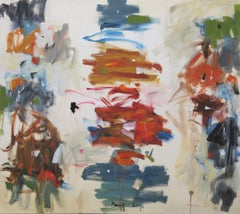
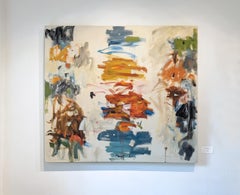
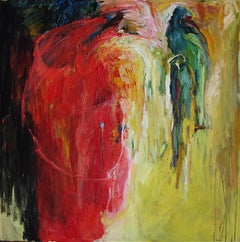
Waterline Fine Art, Austin, TX is pleased to present the following work:
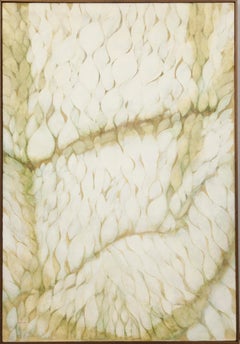
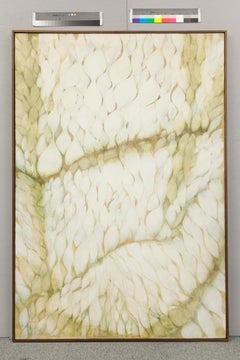
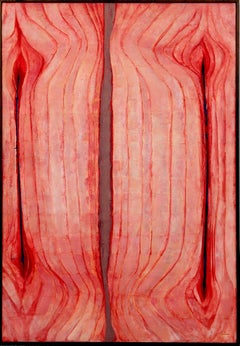
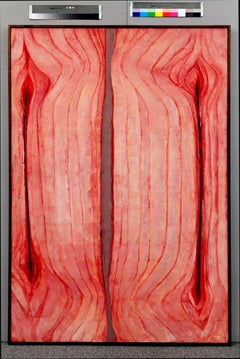
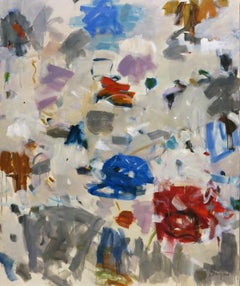
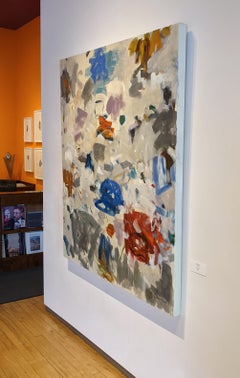
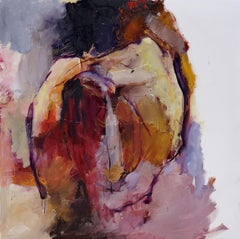
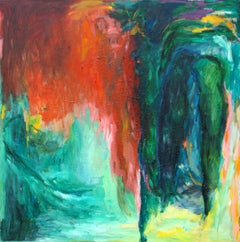
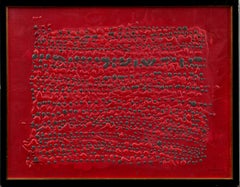
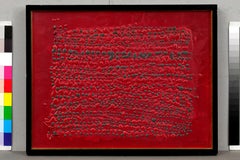
Oil on canvas. Signed lower right, signed and dated verso.
62.25 x 56.25 in.
64 x 58 in. (framed)
Custom framed in a natural cherry wood floater.
Provenance
Washburn Gallery, New York
Behnke Doherty Gallery, Washington Depot, CT
Born in 1908 in Chicago, John Opper moved with his family to Cleveland, Ohio, in 1916. In high school, he began studying art and attending classes at the Cleveland Museum of Art.
After graduation, he enrolled in the Cleveland School of Art (now Cleveland Institute of Art), only to withdraw after a year and move to Chicago, where he took classes at the Art Institute of Chicago. He eventually returned to Cleveland, enrolling at Western Reserve University (now Case Western Reserve), receiving his bachelor’s degree in 1931. The Depression has taken hold during this period, so Opper found work by teaching metalworking and sketching classes at the Karamu Settlement House, the oldest African American theater in the United States.
In 1933, Opper traveled to Gloucester, Massachusetts, eventually connecting with the artist Hans Hofmann, who was teaching at the school run by Ernest Thurn. Hofmann encouraged Opper to work “in a more modern vein and start finding what it’s all about.” Heeding this advice, Opper relocated to New York, co-founding a mail-order club of American and British prints for dissemination to schools and museums.
By the mid-1930s, he joined the Works Progress Administration (WPA) Easel Division, and also began attending the 57th Street school that Hans Hofmann had established after leaving the Art Students League. Looking back at his time at the school, Opper felt that beyond Hofmann’s teaching, most advantageous was his contact with fellow artists, including Byron Browne, Rosalind Bengelsdorf, and George McNeil. At the time, he also met Giorgio Cavallon and the sculptor Wilfrid Zogbaum.
In 1936, Opper became a founding member of the American Abstract Artists, along with Balcomb and Gertrude Greene. The organization was formed to provide an opportunity for artists to show abstract works at a time when such opportunities were scarce. This led to his first solo show in 1937 at the Artists’ Gallery in New York.
During his summer in Gloucester in 1933, Opper came to know Milton Avery. Painting in Avery’s informal studio in New York City the following winter, he became acquainted with Adolph Gottlieb and Mark Rothko. Opper participated in a couple of shows during the 1930s of the American Artists Congress Against War and Fascism, whose president was Stuart Davis. About the same period, Opper joined the Artists’ Union and served as the business manager of its publication, Art Front.
During World War II, Opper worked for a ship design company creating drawings for piping systems used in PT boats...
Category
1950s Abstract Expressionist Tadashi Sugimata Art