By Rud Rasmussen, Kaare Klint
Located in New York, NY
Kaare Klint (1888 Frederksberg, Copenhagen 1954)
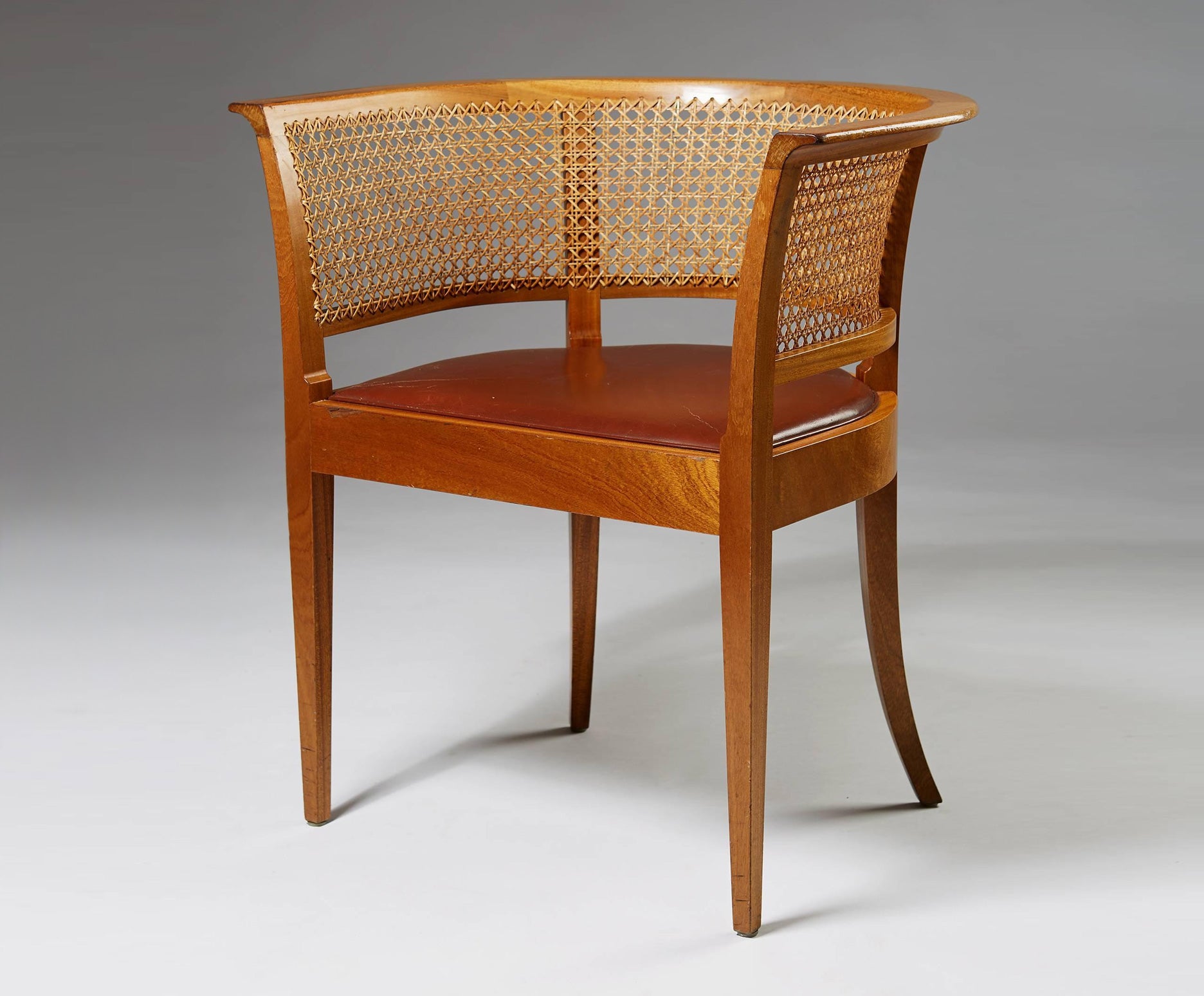
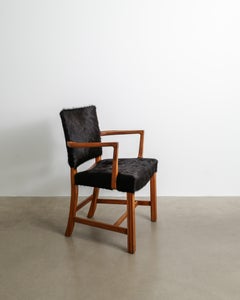
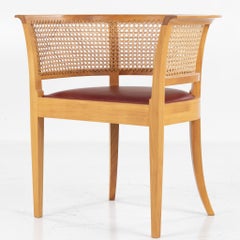
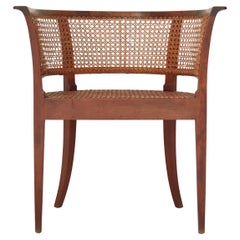
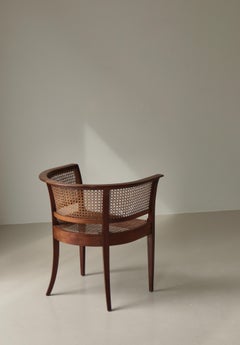
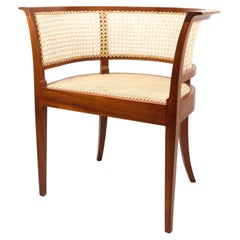
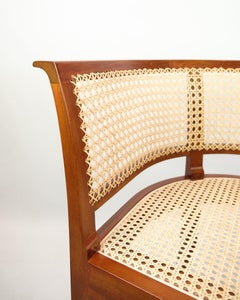
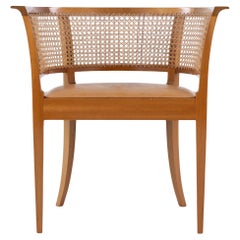
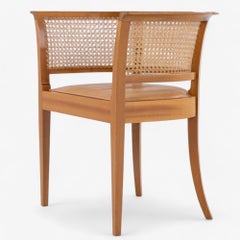
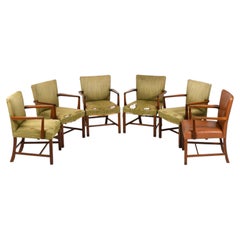
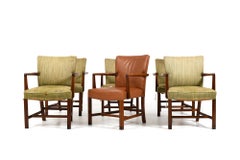
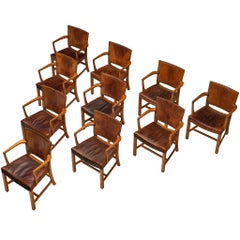
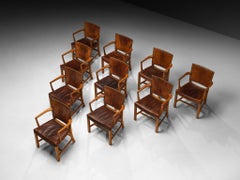
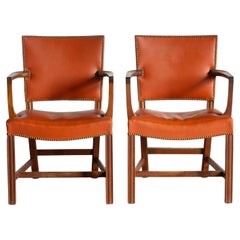
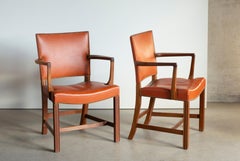
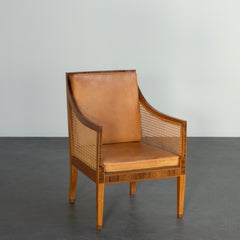
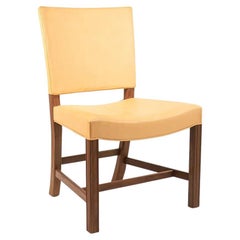
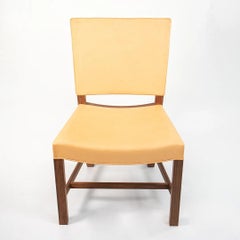
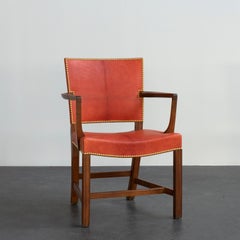
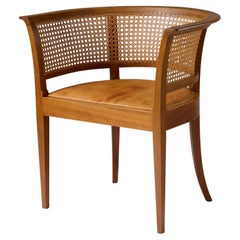
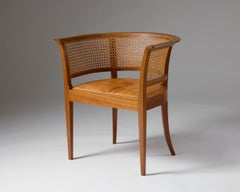
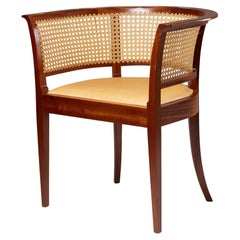
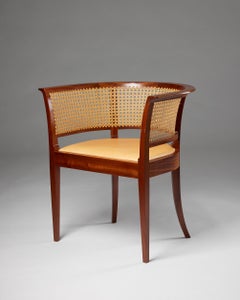
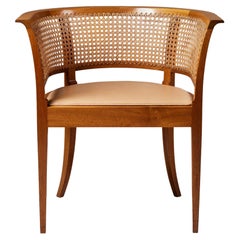
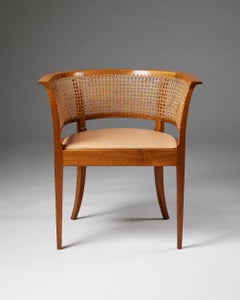
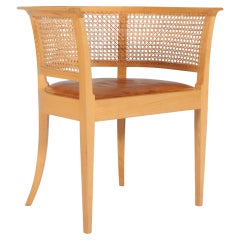
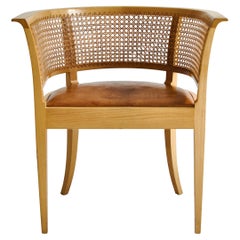
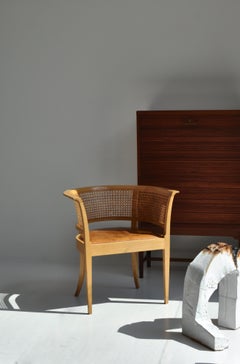
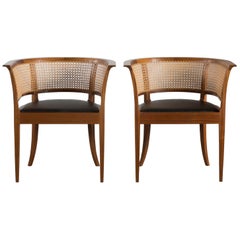
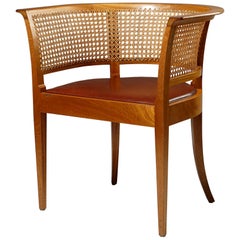
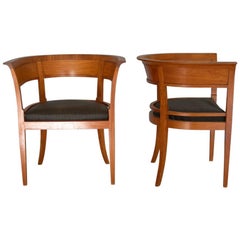
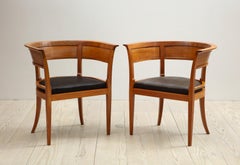
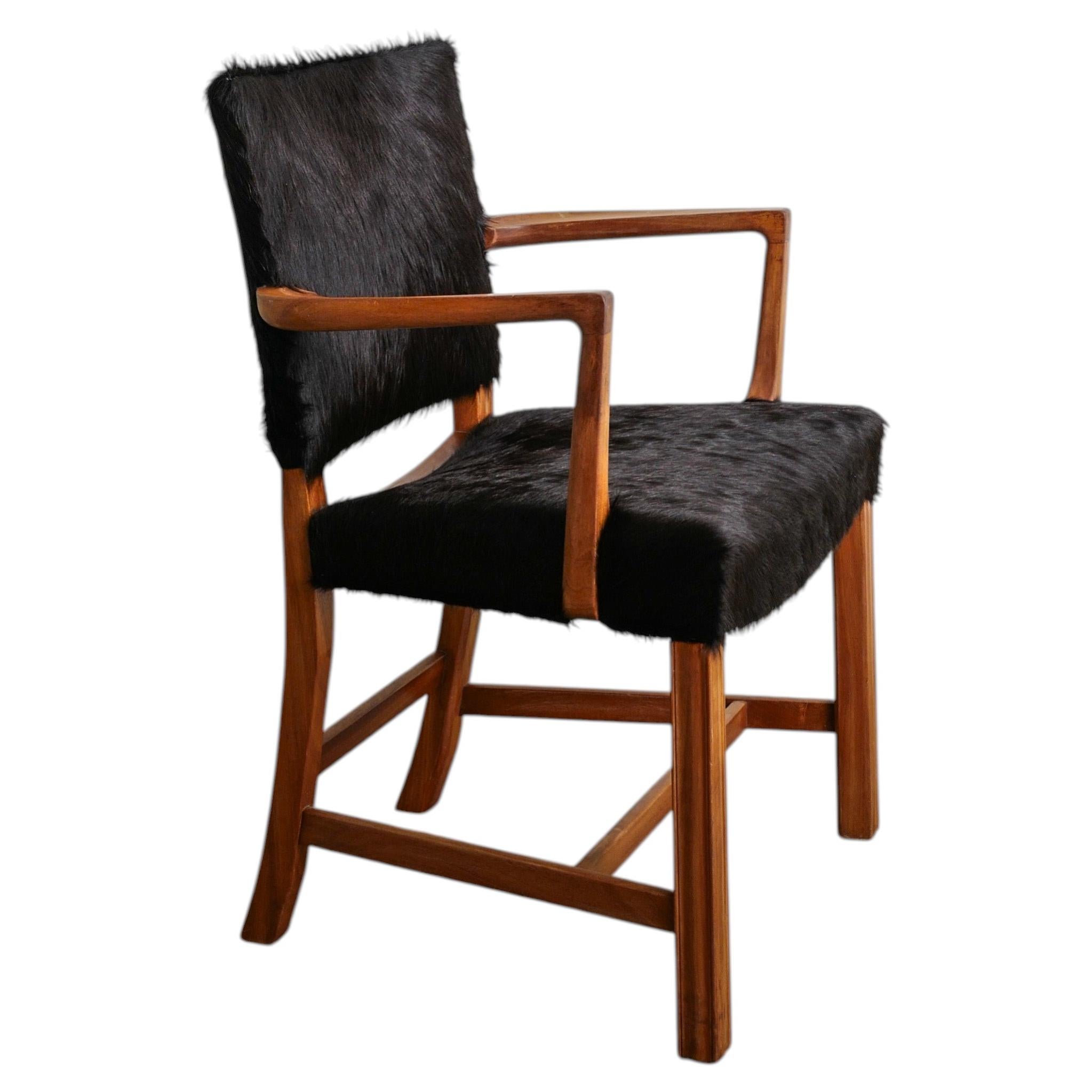
A very rare, early set of "Faaborg" armchairs, with wooden panel backs, four (4) available, designed in 1916, manufactured by Rud. Rasmussen's Snedkerier, Cuban mahogany and black horsehair seats. These chairs were special commissions executed for the Danish craft industry.
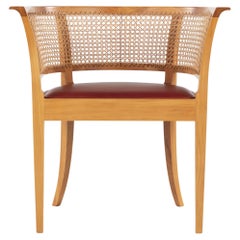
These chairs are predecessor to Kaare Klint's chairs designed the for the Faaborg Museum which are to be considered the true "Faaborg Chairs". Klint / N.M. Rasmusssen produced similar models as special commissions for other clients during the same period.
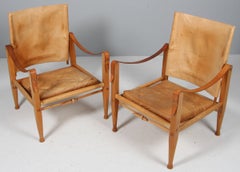
Kaare Klint based his designs on historical types, such as the Sulla chair for this model, while was obsessed with systematic measurements in design; his ultimate goal being comfort. Throughout his career, he strove to create quality furniture designs based on functionality with perfect proportions adapted to the human body for ultimate comfort.
Klint founded the furniture school at the Royal Danish Academy of Fine Arts in 1924 (Det Kongelige Danske Kunstakademi) which has provided education in the arts for more than 250 years. He has had a great influenced on Danish furniture, inspiring designers such as Poul Kjærholm, Børge Mogensen, Finn Juhl, Hans Wegner among most well-known cabinet makers of his time. His personal aesthetic drew on classic furniture designs, as can be seen in this set of chairs. Klint is revered for his teachings of the importance of the study of ergonomics as well as the use of only high quality materials and craftsmanship; all of which he personally, obsessively studied thru-out his lifetime. It is these study's and his teachings which make Danish mid-century furniture so comfortable; in stark contrast of the works of other countries, such as France, Germany and perhaps America. One can easily see, when studying these chairs, why he is called the Father of Modern Danish furniture; successfully combining form + function. Elements such as the use of quality materials along with simplicity were hallmarks of the Skønvirke movement from this period ("beautiful work"; Danish equivalent to English arts & crafts movement).
Rud. Rasmussen's Snedkerier, in Copenhagen, provided Klint with the best materials of his time, such as this exquisite mahogany, and his obsessive, life-time study of ergonomics assures the comfort of all his seating.
References: Kaare Klint, Klintiana, V. 2, by Form Harkær, , 1928, pgs. 24-25; Rigmor Andersen...
Category
20th Century Danish Scandinavian Modern Armchairs