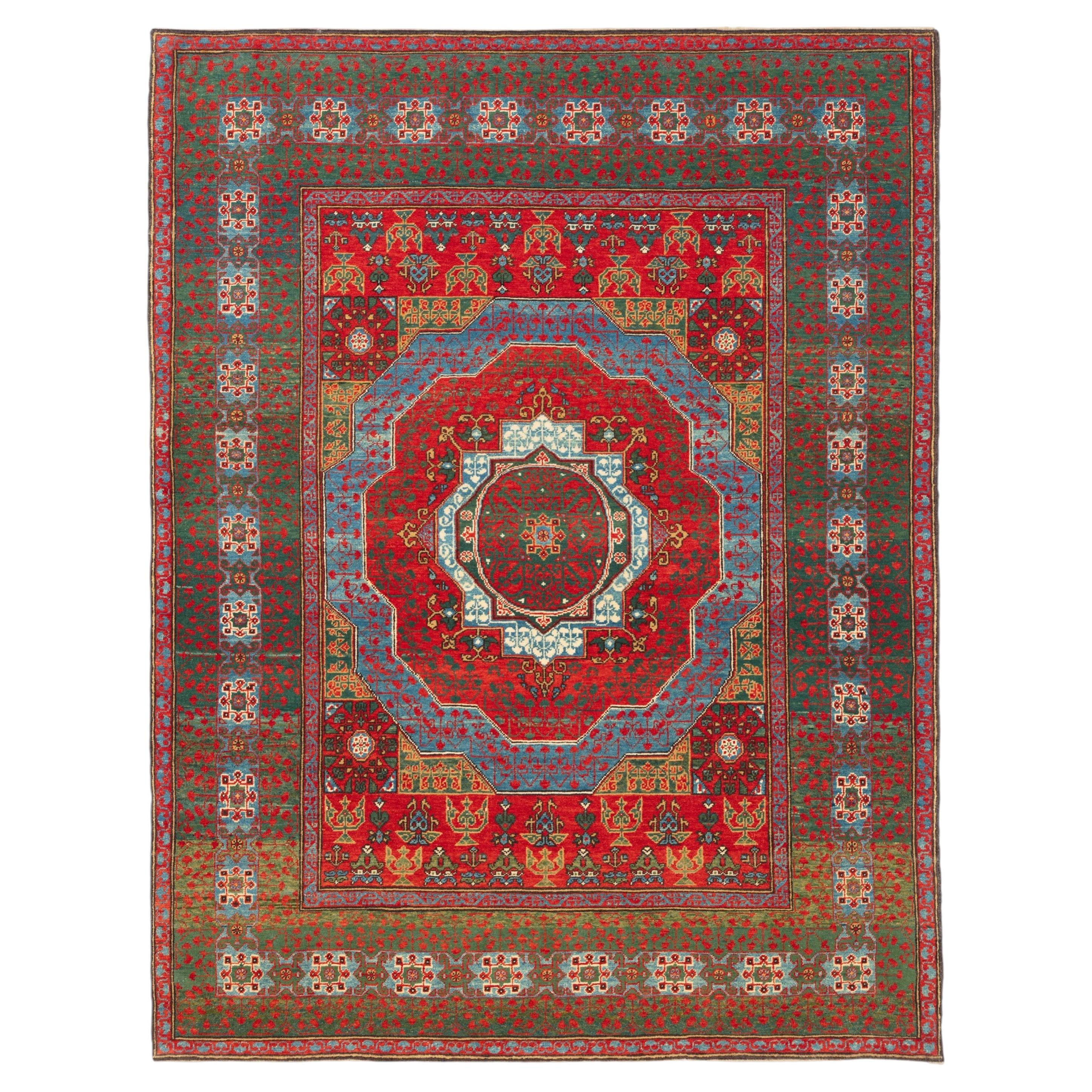
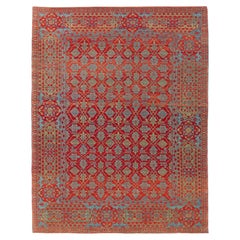
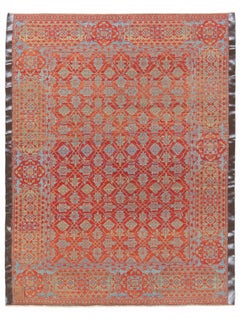
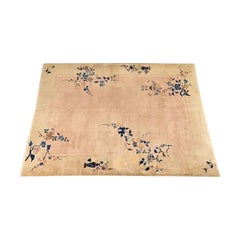
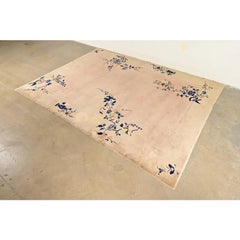
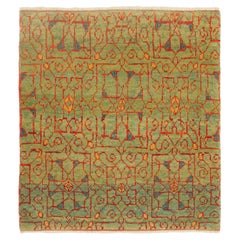
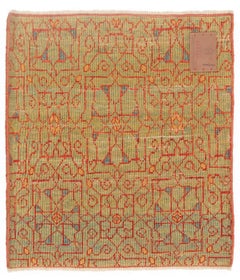
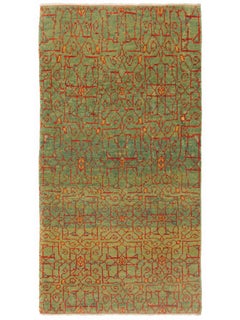
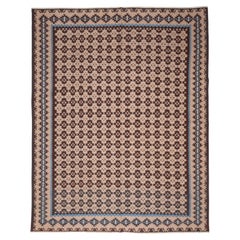
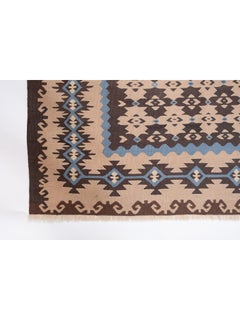
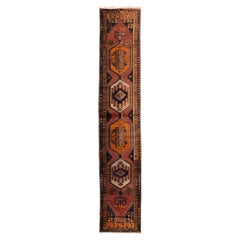
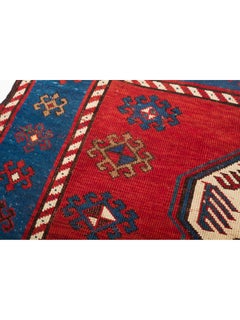
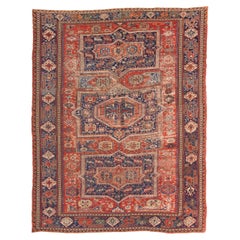
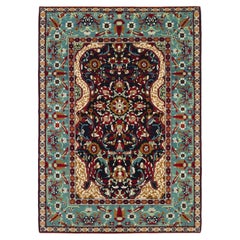
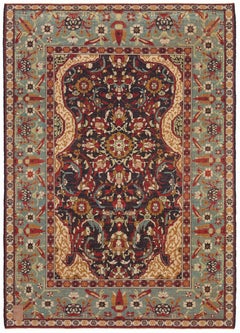
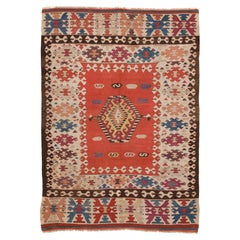
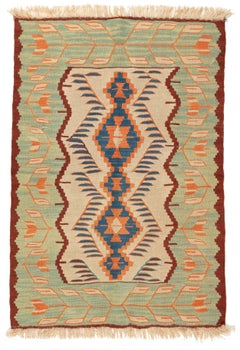
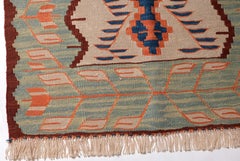
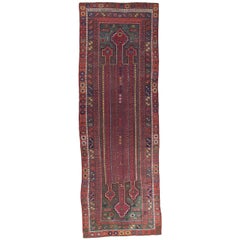
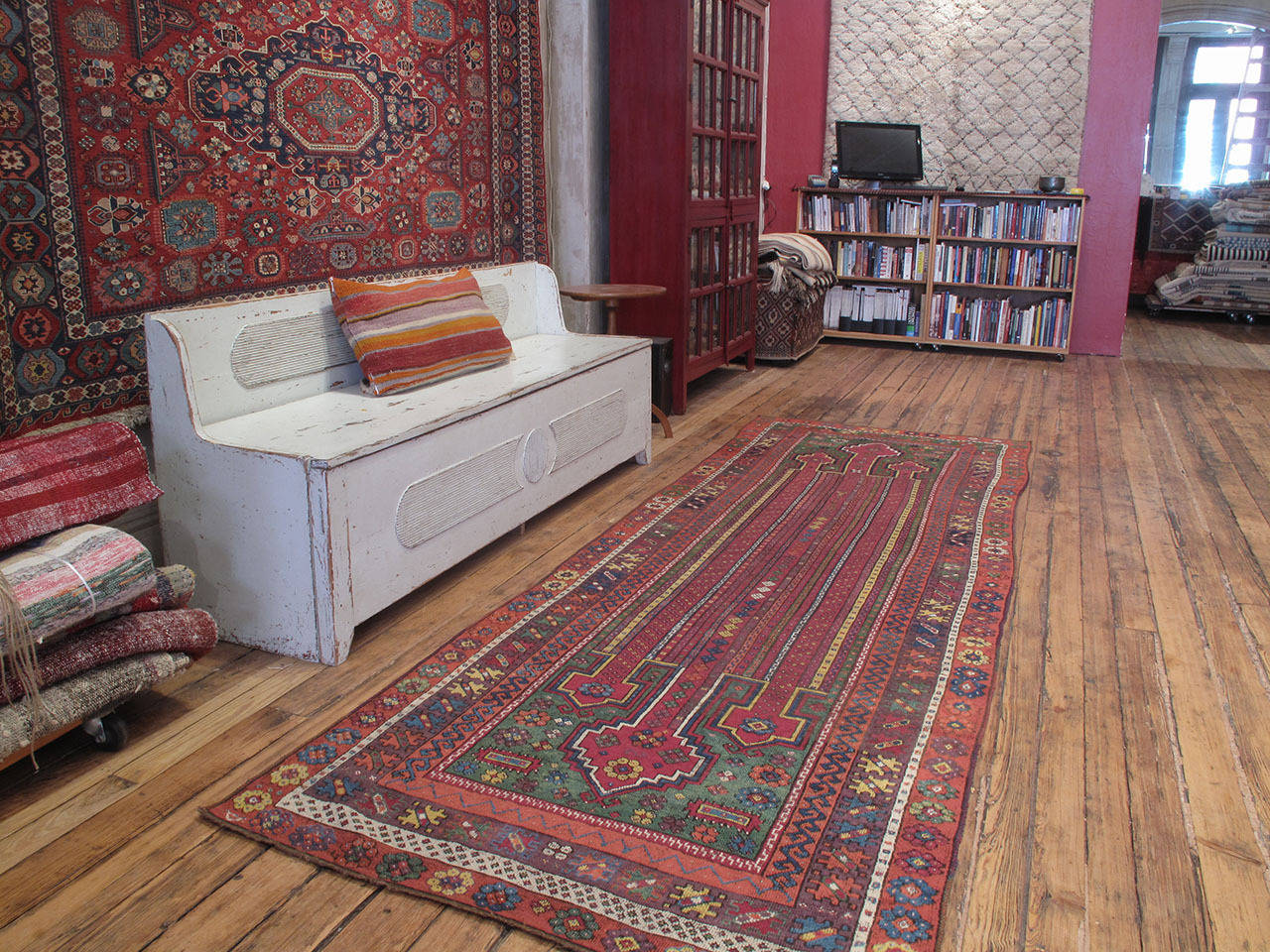
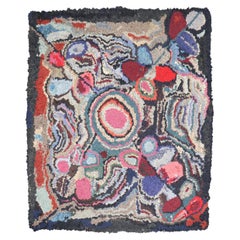
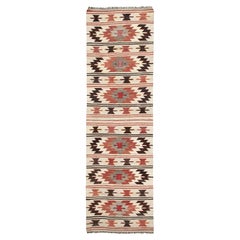
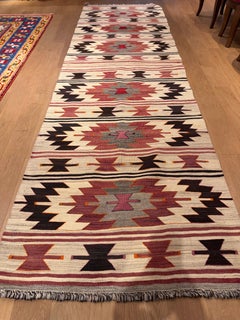
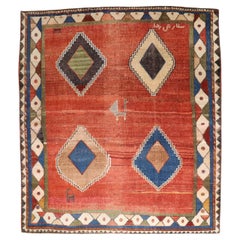
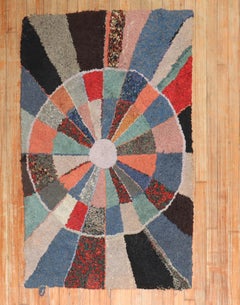
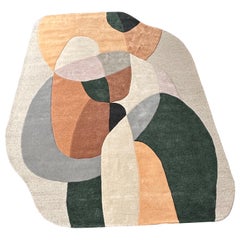
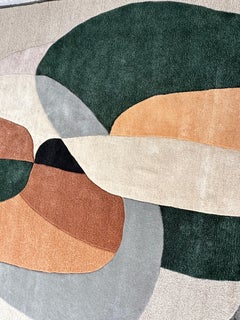
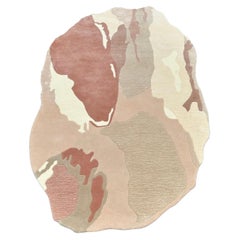
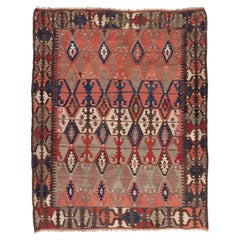
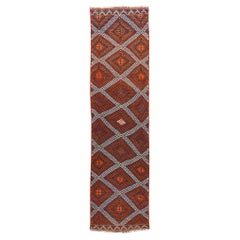
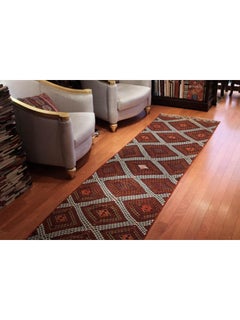
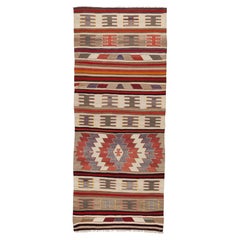
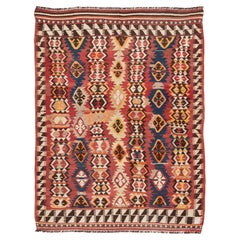
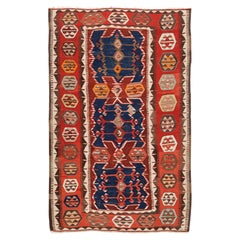
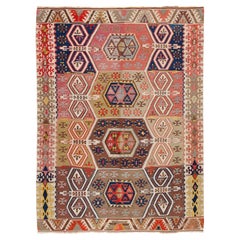
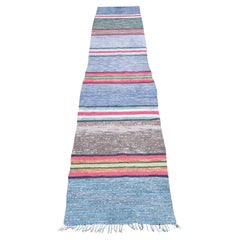
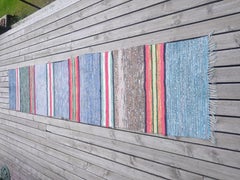
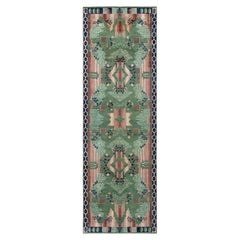
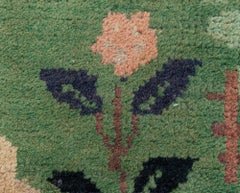
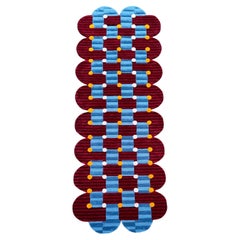
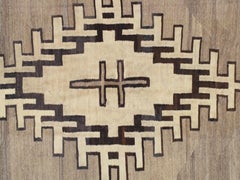
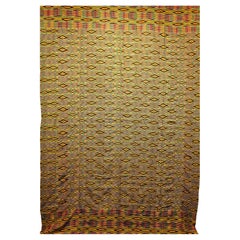
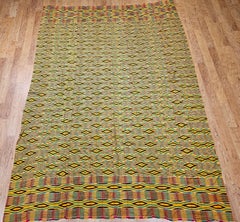
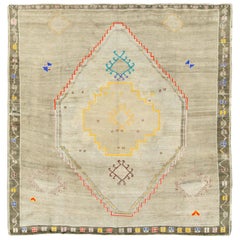
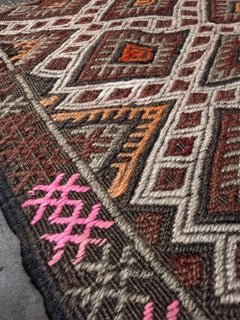
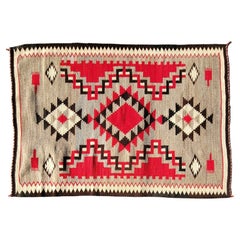
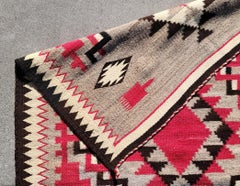
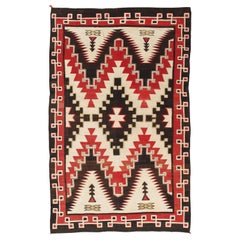
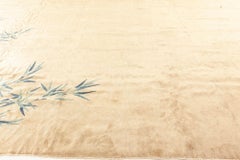
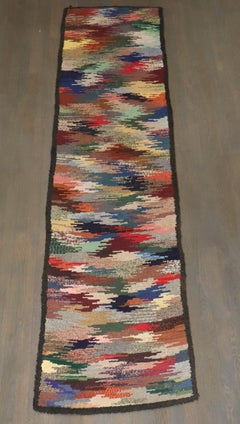
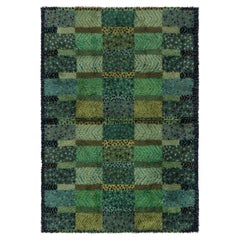
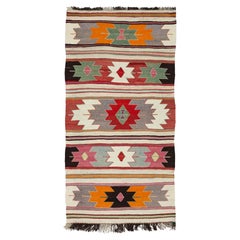
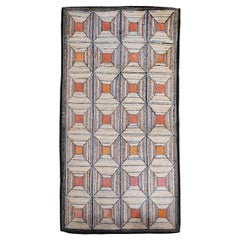
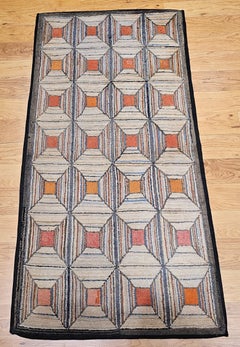
This is an Antique Soumak ( Sumak, Sumac ) Kilim from the Caucasus region with a rare and beautiful color composition.
Of the four countries that make up the Caucasus, Azerbaijan produces the most kilims, and the land has a long history of weaving. The nomadic tribes wove kilims and carpets as well as a wide range of storage bags and sacks, such as saffrash, khurgin and chula, and donkey and horse trappings. Smaller bags for salt, utensils, and other items are also common. Not only are the Azerbaijani weavers prolific, but they also employ many techniques at the loom. These include slitweave- known locally by the word Kilim, warp-faced patterning (jajim), supplementary weft (zili), weft wrapping (popularly known as soumak), and extra weft wrapping (verneh). Furthermore, flatweaves are defined by regional names such as palas and shadda, so it is possible to ascribe a variety of weaving names to particular provenances as follows: soumaks are made in Kuba, palas, and kilims in Hajikabul, zili in Khizy, verneh and zili in Kazakh, shadda, verneh and zili in Barda, jajim in Agjabedi, and palas and kilims in Jabrail.
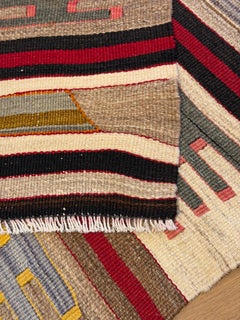
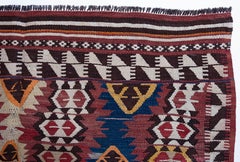
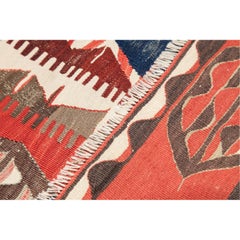
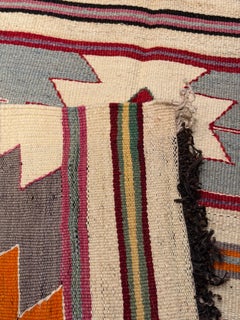
Soumak weave is a technique in which weft threads are added to a plain weave fabric, and one or two warp threads are wound from the front to the back. The resulting Kilim is denser and firmer, giving it a unique feel and look. This technique is commonly used in the Caucasus region.
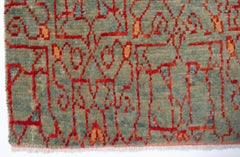
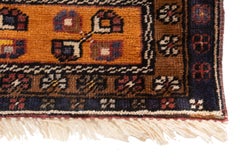
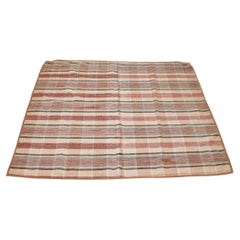
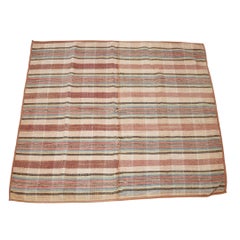
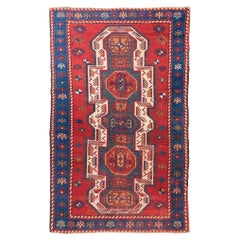
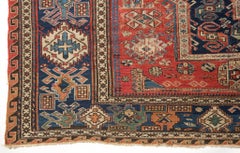
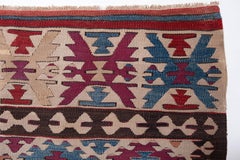
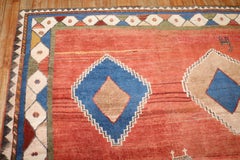
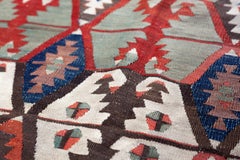
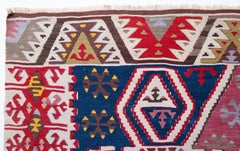
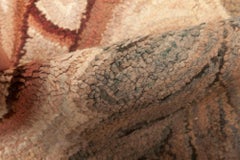
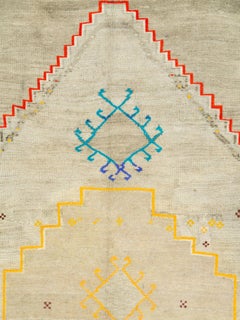
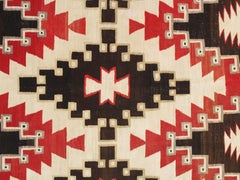
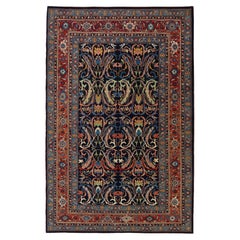
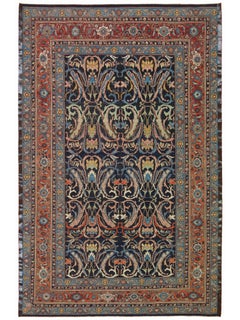
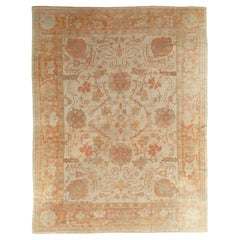
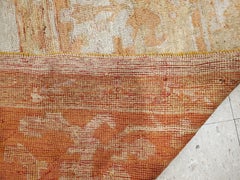
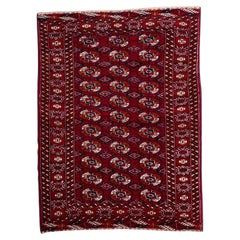
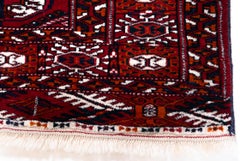
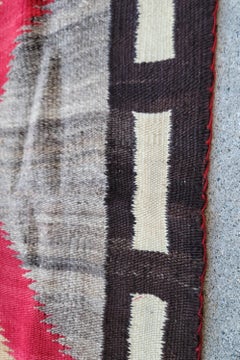
Soumak kilims have a very beautiful contrast between orange that shines like the sun, deep purple-tinged indigo, and astringent dark red. You can also see the unevenly dyed abrage in this Soumak, which is like a magic carpet with an oriental atmosphere. Features of the Caucasian Kilim, such as the unique cosmic geometric floral pattern, are also found in this Soumak which has a bright look, but it also has a faded and textured feel, so it can be used in a good old atmosphere.
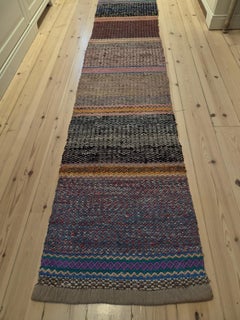
The woven fabric is particularly solid, so it is recommended for use in a solid living room or under a dining table without moving or twisting. A nice Kilim under a long wooden dining table.
Category
Late 19th Century Caucasian Kilim Antique Rugs
MaterialsWool, Natural Fiber