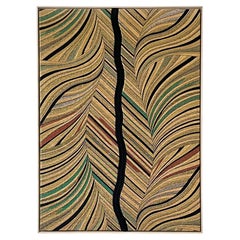
Composite Furniture

to
7
20
17
1
21
2
1
1
1
1
17
21
2
8
5
1
1
7
2
38
369,689
306,478
215,586
155,339
22
19
11
11
11
38
27
37
19
11
10
1
1
Material: Composite
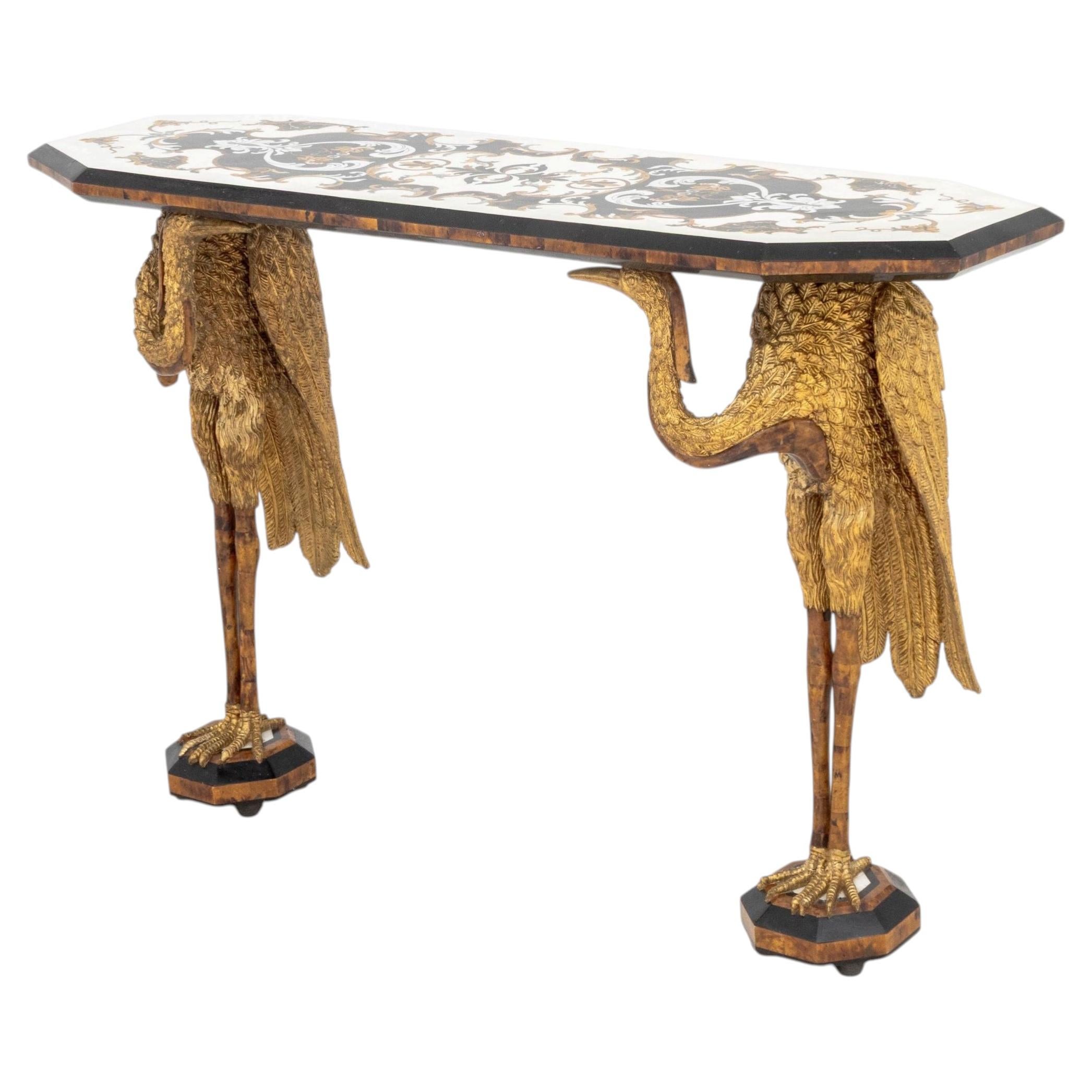
Empire Revival Pietra Dura Top Crane Motif Console Table

Empire Revival Pietra Dura Top Crane Motif Console Table

Located in Astoria, NY

Empire Revival Pietra Dura Top and Parcel Giltwood Crane Motif Console Table. 36.5" H x 55.5" W x 18.5" D. Provenance: From an Upper East Side Townhouse. Ornamental Furniture, Neo...

Category

20th Century Empire Revival Composite Furniture

Materials

Marble

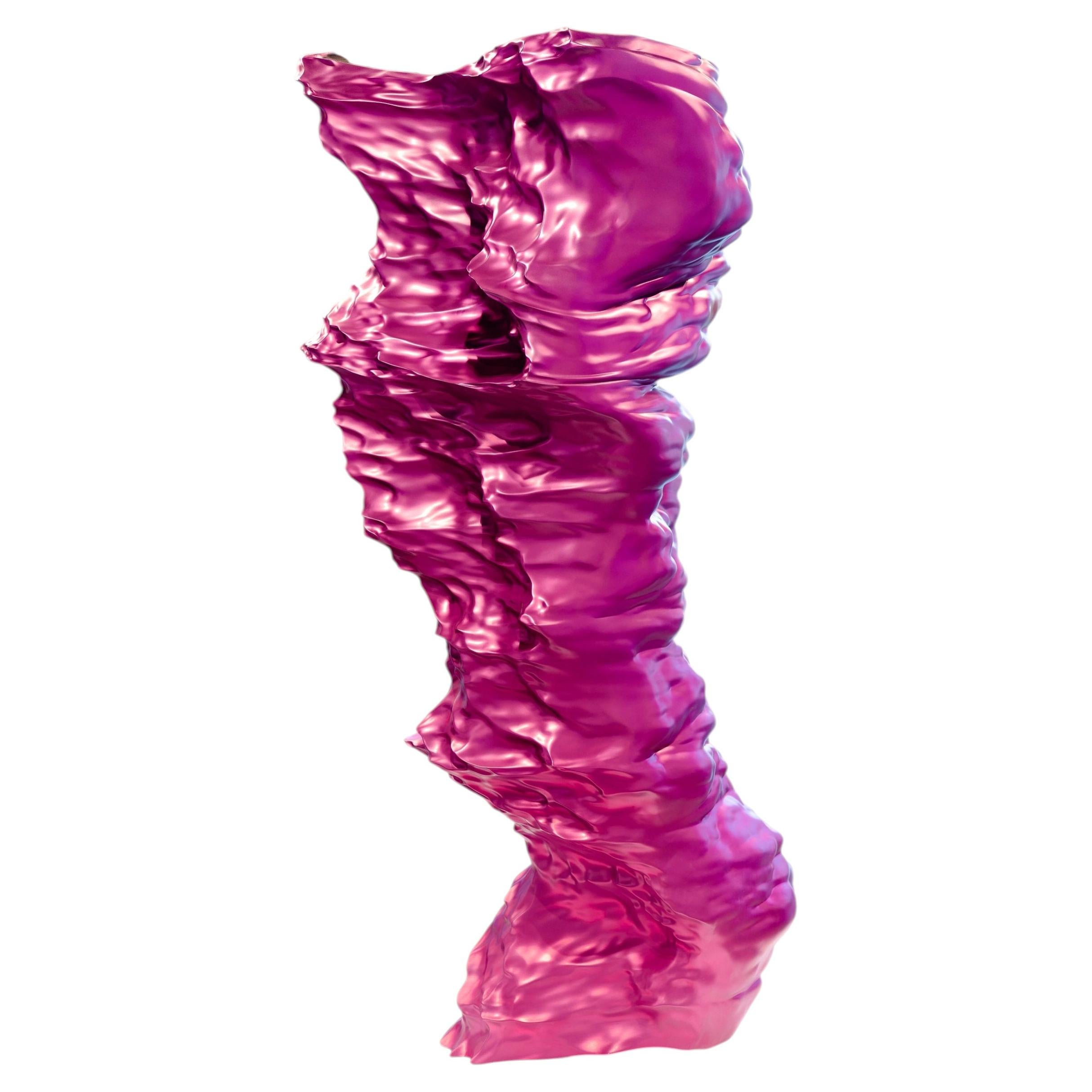
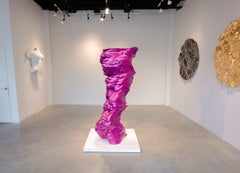
Large Abstract Wave Sculpture - Iridescent Violet Resin, Floor Sculpture

Large Abstract Wave Sculpture - Iridescent Violet Resin, Floor Sculpture

By Isaac Katz

Located in San Jose del Cabo, BCS

Large abstract wave sculpture in iridescent violet resin, this floor sculpture from Katz Studio captures the silent collision of ocean waveforms frozen mid-convergence. Part of the O...

Category

21st Century and Contemporary Mexican Modern Composite Furniture

Materials

Resin, Fiberglass, Paint, Composite

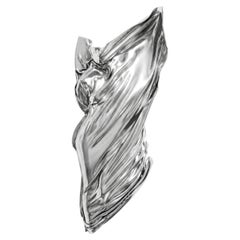
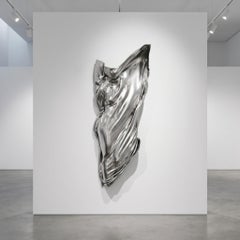
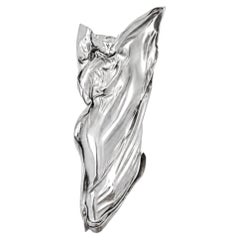
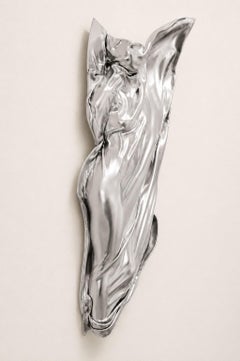
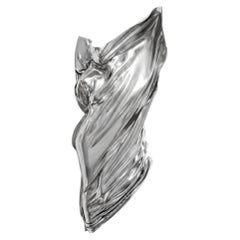
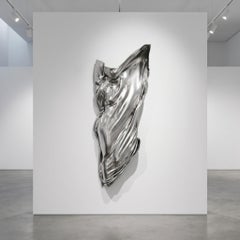
Large Figural Wall Sculpture — Draped Female Form, Chrome Resin, Limited Edition

Large Figural Wall Sculpture — Draped Female Form, Chrome Resin, Limited Edition

By Isaac Katz

Located in San Jose del Cabo, BCS

Vellum Deitas is a large figural wall sculpture by Katz Studio, this draped female form in a chrome resin finish captures the female figure through the arrested motion of a cascading...

Category

21st Century and Contemporary Mexican Modern Composite Furniture

Materials

Resin, Fiberglass, Paint, Composite

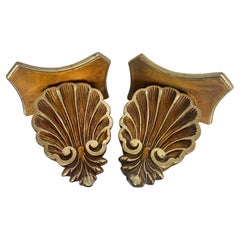
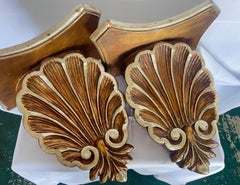
Vintage Italian Florentine Style Pressed Wood Shell Wall Brackets - Pair

Vintage Italian Florentine Style Pressed Wood Shell Wall Brackets - Pair

Located in West Palm Beach, FL

Just in, This is a striking pair of vintage mid-century Florentine-style wall brackets. Modeled after classic Italian Rococo designs, these shelves feature a deeply detailed scallop...

Category

1950s Italian Hollywood Regency Vintage Composite Furniture

Materials

Composite

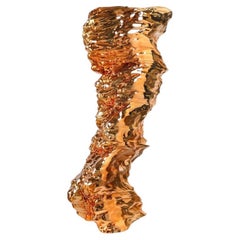
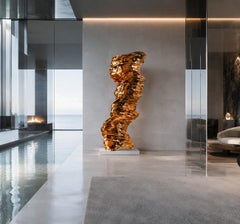
Large Abstract Wave Sculpture - Chrome Gold, Floor Sculpture

Large Abstract Wave Sculpture - Chrome Gold, Floor Sculpture

By Isaac Katz

Located in San Jose del Cabo, BCS

Large abstract wave sculpture in Chrome Gold resin, this floor sculpture from Katz Studio captures the silent collision of ocean waveforms frozen mid-convergence. Part of the Oceana ...

Category

21st Century and Contemporary Mexican Modern Composite Furniture

Materials

Resin, Fiberglass, Paint, Composite

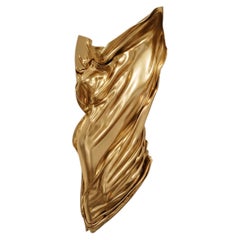
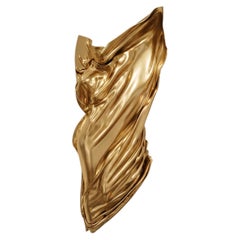
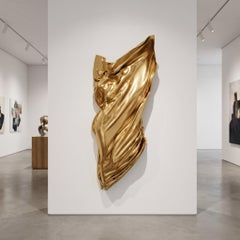
Large Figural Wall Sculpture — Draped Female Form, Satin Gold, Limited Edition

Large Figural Wall Sculpture — Draped Female Form, Satin Gold, Limited Edition

By Isaac Katz

Located in San Jose del Cabo, BCS

Vellum Deitas is a large figural wall sculpture by Katz Studio — a draped female form in a satin gold finish that captures the female figure through the arrested motion of a cascadin...

Category

21st Century and Contemporary Mexican Modern Composite Furniture

Materials

Resin, Fiberglass, Paint, Composite

Small Figural Wall Sculpture — Draped Female Form, Satin Gold, Limited Edition

Small Figural Wall Sculpture — Draped Female Form, Satin Gold, Limited Edition

By Isaac Katz

Located in San Jose del Cabo, BCS

Vellum Deitas is a small figural wall sculpture by Katz Studio — a draped female form in a satin gold finish that captures the female figure through the arrested motion of a cascadin...

Category

21st Century and Contemporary Mexican Modern Composite Furniture

Materials

Resin, Fiberglass, Paint, Composite

Midsize Figural Wall Sculpture — Draped Female Form, Satin Gold, Limited Edition

Midsize Figural Wall Sculpture — Draped Female Form, Satin Gold, Limited Edition

By Isaac Katz

Located in San Jose del Cabo, BCS

Vellum Deitas is a figural wall sculpture by Katz Studio — a draped female form in a satin gold finish that captures the female figure through the arrested motion of a cascading veil...

Category

21st Century and Contemporary Mexican Modern Composite Furniture

Materials

Resin, Fiberglass, Paint, Composite

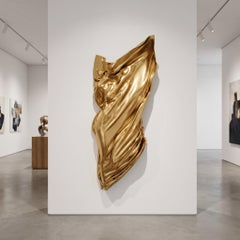
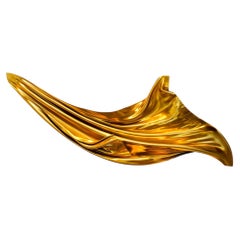
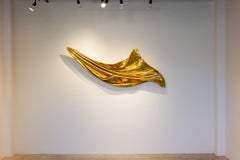
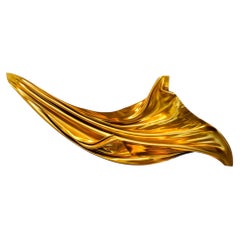
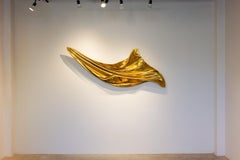
Large Contemporary Wall Sculpture — Windswept Fabric Form, Airbrushed Gold

Large Contemporary Wall Sculpture — Windswept Fabric Form, Airbrushed Gold

By Isaac Katz

Located in San Jose del Cabo, BCS

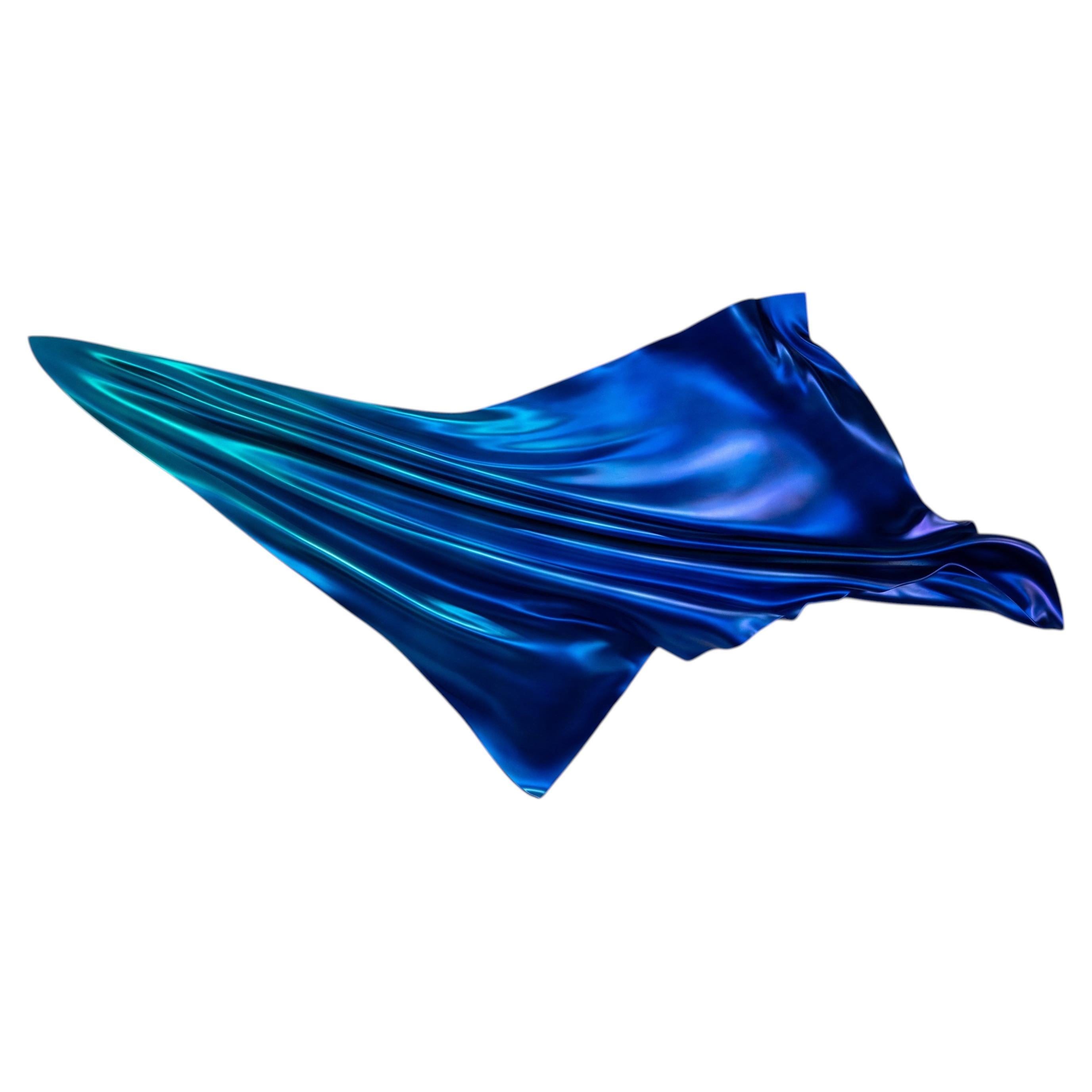
Levitaz Wind Panel II by Katz Studio, Luminous Gold Finish Levitaz Wind Panel II is a sculptural wall panel by Katz Studio, capturing a suspended moment of flight — an abstract curr...

Category

21st Century and Contemporary Mexican Modern Composite Furniture

Materials

Epoxy Resin, Fiberglass, Paint, Composite

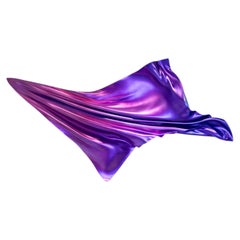
Small Abstract Wall Sculpture - Billowing Fabric Form, Airbrushed Purple Fade

Small Abstract Wall Sculpture - Billowing Fabric Form, Airbrushed Purple Fade

By Isaac Katz

Located in San Jose del Cabo, BCS

Levitaz Wind Panel VI by Katz Studio, Purple Chrome Fade Finish Levitaz Wind Panel VI is a sculptural wall panel by Katz Studio, designed to capture the sensation of air in motion. ...

Category

21st Century and Contemporary Mexican Modern Composite Furniture

Materials

Epoxy Resin, Fiberglass, Paint, Composite

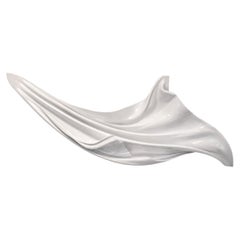
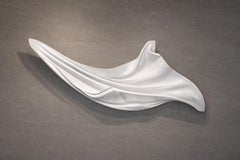
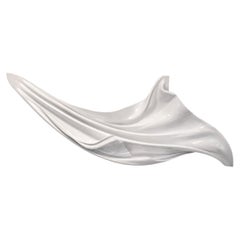
Large Contemporary Wall Sculpture — Windswept Fabric Form, Gloss White

Large Contemporary Wall Sculpture — Windswept Fabric Form, Gloss White

By Isaac Katz

Located in San Jose del Cabo, BCS

Levitaz Wind Panel II by Katz Studio, Gloss White Finish Levitaz Wind Panel II is a sculptural wall panel by Katz Studio, capturing a suspended moment of flight — an abstract curren...

Category

21st Century and Contemporary Mexican Modern Composite Furniture

Materials

Epoxy Resin, Fiberglass, Paint, Composite

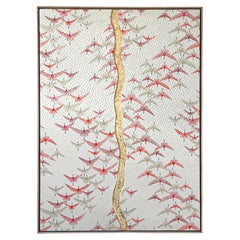
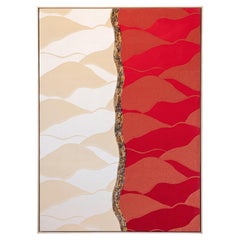
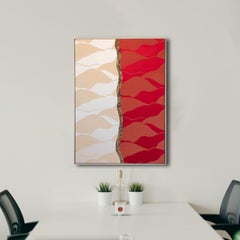
Vintage kimono textile art " Cranes ~ Kintsugi ~ II" White Red Gold Japan

Vintage kimono textile art " Cranes ~ Kintsugi ~ II" White Red Gold Japan

By Kimono ikasu

Located in Setagaya City, JP

Certified Kimono Meister work / Certificate of Authenticity included. One-of-a-kind Japanese textile art made from vintage obi fabrics. Sustainable artwork for modern interiors, collectors, boutique hotels, and lovers of Japanese aesthetics. [Size] 73 x 53 x 5 cm [Materials] Silk for the outside layer, wooden frame for the under layer, and gold leaf [Story behind the work] This is the second version of "Cranes: Kintsugi," created from the same kimono using a different section of the textile. Each artwork is handmade, and no two pieces are identical. The frame for this work is made of paulownia wood taken from antique Kiritansu, which are traditional chests of drawers for kimonos. I use antique kiritansu that can no longer be used as furniture to create the basis and frames for my works. It adds an even more authentic atmosphere of the traditional wabi-sabi spirit. Can you feel it? The piece uses the concept of kintsugi. It unites the pieces of antique kimono back together with golden leaf to give it a second wind as an artwork. [Period and Story] The kimono used in this piece was originally crafted during the late Showa period, around the 1960s to 1980s. [Explanation and meaning of pattern and colors] The Japanese saying goes, "A crane lives a thousand years, a tortoise lives ten thousand years," making cranes a symbol of longevity. Cranes are also known for staying with the same partner for their entire lives, which is why they are often used at weddings and other celebrations to symbolize marital bliss and the desire for harmony between husband and wife. On this particular piece, cranes are flying through snow woven on the fabric, as if they are overcoming all disasters to get to their beloved ones. The color scarlet, or deeply dyed red, used for most of the cranes here, has long been associated with the meaning of warding off evil. It is believed to possess the power to repel malevolent forces and invite good fortune. During the Heian period, from 794 to 1185, scarlet was reserved for sacred buildings and ceremonial objects that held great significance. Ordinary people were prohibited from wearing scarlet red kimonos, which made it a highly special color. [Characteristics of the fabric] Cranes, going up and down, are generously decorated by kimpaku here. Kimpaku refers to gold leaf or foil in Japanese. Gold leaf is a traditional material used in various aspects of Japanese culture, including art, crafts, and even in culinary applications. In traditional Japanese art, gold leaf is often applied to religious objects, sculptures, paintings, and lacquerware to create a luxurious and decorative effect. The use of gold leaf in art dates back centuries and is associated with a sense of wealth, prestige, and the divine. Traditional kimpaku technique is used here to make an accent decoration in the middle. [About the frame] This artwork frame is crafted from paulownia wood, a uniquely Japanese material closely tied to the world of kimonos, and it serves to convey the refined beauty of Japanese nature. Paulownia wood is known as the lightest wood in Japan, praised for its natural luster, resistance to moisture, and resilience against cracking. Since ancient times, it has been used in crafting furniture, chests, and musical instruments. Paulownia wood is closely linked to kimono culture. During the Edo period, it became customary to store cherished kimonos in paulownia chests...

Category

Late 20th Century Japanese Japonisme Composite Furniture

Materials

Gold Leaf, Silver Leaf
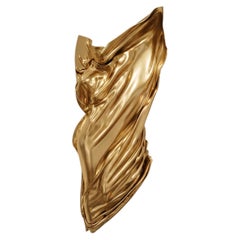
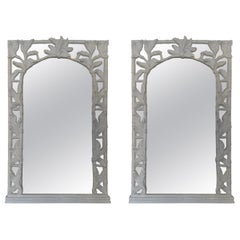
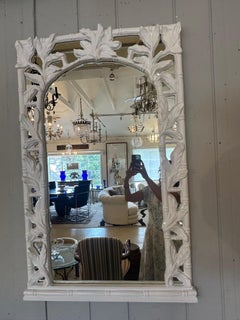
Serge Roche Style Pair of White Palm Beach Hollywood Regency Wall Mirrors

Serge Roche Style Pair of White Palm Beach Hollywood Regency Wall Mirrors

Located in Hopewell, NJ

Pair of midcentury white composite Serge Roche style Palm Beach Hollywood Regency wall mirrors with incredible glamour. CD

Category

1960s American Hollywood Regency Vintage Composite Furniture

Materials

Composite

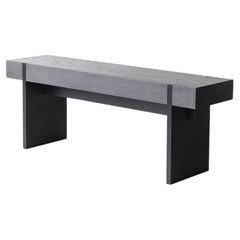
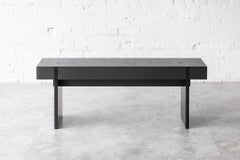
Modern Blackened Oak Entry Bench, Handcrafted Solid Wood Bench

Modern Blackened Oak Entry Bench, Handcrafted Solid Wood Bench

By Autonomous Furniture, Kirk Van Ludwig

Located in Victoria, BC

Modern blackened oak bench handcrafted from solid FSC-certified oak with an architectural matte black base. Designed as a versatile entry bench, hallway bench, bedroom bench, or occasional seating, the Tillikum Bench combines minimalist proportions with exceptional craftsmanship to create a timeless statement for contemporary interiors. The bench features a torched and fumed solid oak seat that highlights the natural grain beneath its deep black finish. Its sculptural base is fabricated from an advanced solid surface material composed of approximately 65% recycled paper and a non-petroleum resin, providing exceptional durability while supporting environmentally responsible manufacturing. Every Tillikum Bench is handcrafted in Canada by Autonomous Furniture...

Category

2010s Canadian Modern Composite Furniture

Materials

Composite, Resin, Oak

Vintage obi textile art "Under the Sun ~ Serendipity ~" by ikasu Red Beige Japan

Vintage obi textile art "Under the Sun ~ Serendipity ~" by ikasu Red Beige Japan

By Kimono ikasu, Lena Okamoto

Located in Setagaya City, JP

Certified Kimono Meister work / Certificate of Authenticity included. One-of-a-kind Japanese textile art made from vintage obi fabrics. Sustainable artwork for modern interiors, collectors, boutique hotels, and lovers of Japanese aesthetics. [Size] 73cm x 53cm x 5cm [Materials] silk (outside-layer) , wooden frame (under-layer), bark (pine, oak, sawtooth oak, etc.) [Story behind the work] This artwork creatively uses tree bark to evoke the imagery of woods and mountains during both the morning and nighttime on left and right. It is elegantly framed with paulownia wood, a tree closely connected to kimono culture, and is filled with storytelling and sense of luxury. By incorporating both the front and back sides of the same obi fabric woven in different colors, the play of light and shadow on the mountains is depicted through the contrasting appearances of these surfaces. The intention behind this piece is to convey the exquisite beauty of Japanese mountains and the lush forests that inhabit them. To achieve this, traditional elements of Japanese culture, such as obi textiles and craftsmanship involving wood, were used. The outer and inner linings of the same obi, no longer suitable for clothing, along with bark material that would normally be discarded, have been repurposed to create this exceptional upcycle artwork. The fusion of Japanese natural materials – silk, paulownia wood, and pine bark for the central decoration – along with the so-called "Tozan" pattern, a unique Japanese natural design showing mountains from far-away point, captures the magnificent beauty of Japanese nature from various perspectives. The central bark decoration stands out as a distinctive feature of this work. Pine, oak, and other tree barks are interwoven among the mountains woven into the obi, creating a tangible and authentic natural atmosphere. [Period / Story] The obi used in this piece was originally crafted during the late Showa period (1960-80ies). [Explanation and meaning of pattern and colors] This upcycle artwork uses an obi with a tozan pattern woven in two colors. The design is inspired by a distant mountain range, a motif that has been used in paintings and crafts since ancient times. However, in this particular design, the mountains are depicted not as distant peaks but as graceful semicircles giving it a mild atmosphere. [Characteristics of the fabric] This upcycled Fukuro-obi (two-side oni) showcases a festive color pattern of mountains intricately woven with gold threads against a beige front and red on the back. The way this obi interacts with light allows it to shift in expression, much like a mountain revealing different facets over time. It can transform from deep shades of color to the appearance of gold shimmering against bright hues, depending on the lighting and viewing angle. [About the frame] Kiritansu - chest-of-drawers for kimono, is traditionally made from paulownia wood, a uniquely Japanese material closely tied to the world of kimonos. Paulownia wood is known as the lightest wood in Japan, prased for its natural luster, resistance to moisture, and resilience against cracking. Since ancient times, it has been used in crafting furniture, chests, and musical instruments. During the Edo period, it became customary to store cherished kimonos in paulownia chests...

Category

Late 20th Century Japanese Arts and Crafts Composite Furniture

Materials

Gold Leaf, Silver Leaf
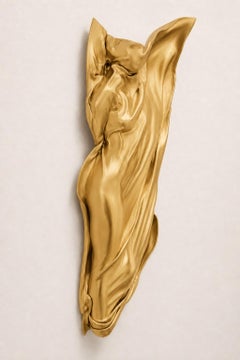
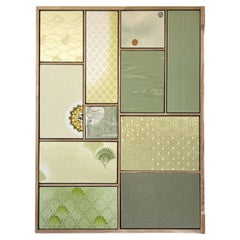
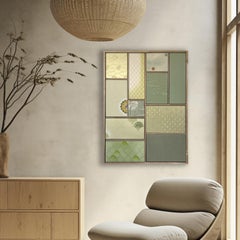
Antique kimono textile art " Kobachi ~ Green Collection ~" by ikasu Japan

Antique kimono textile art " Kobachi ~ Green Collection ~" by ikasu Japan

By Kimono ikasu, Lena Okamoto

Located in Setagaya City, JP

Certified Kimono Meister work / Certificate of Authenticity included. One-of-a-kind Japanese textile art made from vintage obi fabrics. Sustainable artwork for modern interiors, col...

Category

1920s Japanese Japonisme Vintage Composite Furniture

Materials

Silk, Wood, Fabric, Textile, String, Thread, Yarn, Reclaimed Wood, Compo...

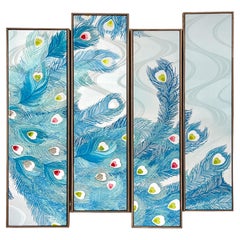
Antique kimono textile art " Peacock Feathers ~ Royalty ~" by ikasu Blue Japan

Antique kimono textile art " Peacock Feathers ~ Royalty ~" by ikasu Blue Japan

By Lena Okamoto, Kimono ikasu

Located in Setagaya City, JP

Certified Kimono Meister work / Certificate of Authenticity included. One-of-a-kind Japanese textile art made from vintage obi fabrics. Sustainable artwork for modern interiors, col...

Category

Early 20th Century Japanese Japonisme Composite Furniture

Materials

Gold Leaf, Silver Leaf
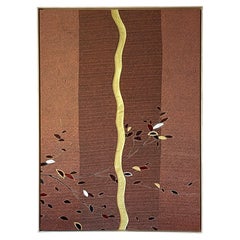
Vintage kimono textile art " Autumn branches ~ Kintsugi ~" by ikasu Brown Japan

Vintage kimono textile art " Autumn branches ~ Kintsugi ~" by ikasu Brown Japan

By Kimono ikasu, Lena Okamoto

Located in Setagaya City, JP

Certified Kimono Meister work / Certificate of Authenticity included. One-of-a-kind Japanese textile art made from vintage obi fabrics. Sustainable artwork for modern interiors, col...

Category

1960s Japanese Japonisme Vintage Composite Furniture

Materials

Silk, Wood, Paper, Fabric, Textile, String, Thread, Yarn, Reclaimed Wood...

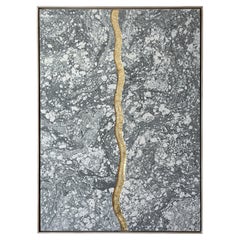
Vintage kimono textile art " Marble Story ~ Healing ~" by ikasu Grey Japan

Vintage kimono textile art " Marble Story ~ Healing ~" by ikasu Grey Japan

By Lena Okamoto, Kimono ikasu

Located in Setagaya City, JP

Certified Kimono Meister work / Certificate of Authenticity included. One-of-a-kind Japanese textile art made from vintage obi fabrics. Sustainable artwork for modern interiors, collectors, boutique hotels, and lovers of Japanese aesthetics. [Size] 73cm x 53cm x 5cm [Materials] silk (outside-layer) , paulownia (wooden frame), gold leaf [Story behind the work] This work uses a vintage kimono fabric with marble pattern, that makes it look like a real piece of marble. The line in the middle symbolizes “kintsugi” - concept of wabi-sabi, which values imperfection, impermanence, and the beauty of aging. It is elegantly framed with paulownia wood originally used for kimono chest-of-drawers, and is filled with storytelling and sense of luxury. I used pieces of kimono that could no longer be used as clothing and kiritansu chest-of-drawers that would normally be discarded to create the ultimate upcycled piece. [Period / Story] The textile was created in around 1960ies. [Explanation and meaning of pattern and colors] Kintsugi (金継ぎ), which translates to "golden joinery" or "golden repair," is a traditional Japanese art form of repairing broken pottery with lacquer mixed with powdered gold, silver, or platinum. I used this tecnique here to "repair" antique kimono by transforming it into art work. Beyond its literal meaning of mending broken ceramics, kintsugi carries profound philosophical and cultural significance in Japanese tradition: ・Embracing Imperfection: Kintsugi celebrates imperfection and impermanence. Rather than disguising or concealing flaws, it highlights them, treating the breakage as part of the object's history. This philosophy encourages acceptance of imperfection as an essential aspect of life, beauty, and human experience. ・Wabi-Sabi Aesthetic: Kintsugi embodies the principles of wabi-sabi, an aesthetic worldview centered on the acceptance of transience and imperfection. Wabi-sabi values simplicity, authenticity, and the beauty of things that are imperfect, impermanent, and incomplete. Kintsugi exemplifies these principles by turning what might be considered flaws into features that enhance the object's beauty and character. ・Resilience and Transformation: The act of repairing broken things with precious metals symbolizes resilience and transformation. Instead of discarding or replacing the broken object, kintsugi honors its history and transforms it into something new and valuable. This reflects broader philosophical themes of overcoming adversity, finding beauty in imperfection, and embracing change. ・Honoring the Past: Kintsugi preserves and honors the history of the object. Rather than erasing or ignoring its past, it acknowledges and celebrates it. This aspect of kintsugi can be seen as a metaphor for honoring our own personal histories, including the challenges and setbacks we have faced, and recognizing how they have shaped us into who we are today. ・Spiritual and Philosophical Symbolism: Kintsugi has spiritual and philosophical implications, reflecting concepts such as the interconnectedness of all things, the cycle of life and death, and the pursuit of harmony and balance. The process of repairing broken objects with precious metals is seen as a metaphor for spiritual growth, enlightenment, and the journey towards wholeness. Overall, kintsugi represents not only a practical technique for repairing ceramics but also a profound philosophical and cultural perspective on life, beauty, and the human experience. It embodies values such as resilience, acceptance, and the transformative power of embracing imperfection. [Characteristics of the fabric] This vintage textile is hand-painted with a traditional painting technique where the colors are added on wet surface, which creates an effect of marble. [About the frame] Kiritansu - chest-of-drawers for kimono, is traditionally made from paulownia wood, a uniquely Japanese material closely tied to the world of kimonos. Paulownia wood is known as the lightest wood in Japan, prased for its natural luster, resistance to moisture, and resilience against cracking. Since ancient times, it has been used in crafting furniture, chests, and musical instruments. During the Edo period, it became customary to store cherished kimonos in paulownia chests...

Category

1960s Japanese Japonisme Vintage Composite Furniture

Materials

Gold Leaf, Silver Leaf
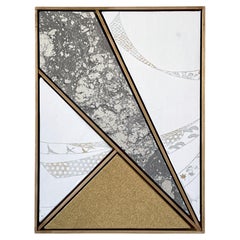
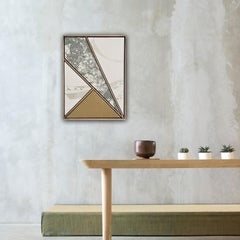
VIntage kimono textile art " Geometry ~ Marble ~" by ikasu Gold White Grey Japan

VIntage kimono textile art " Geometry ~ Marble ~" by ikasu Gold White Grey Japan

By Kimono ikasu, Lena Okamoto

Located in Setagaya City, JP

Certified Kimono Meister work / Certificate of Authenticity included. One-of-a-kind Japanese textile art made from vintage obi fabrics. Sustainable artwork for modern interiors, col...

Category

1960s Japanese Folk Art Vintage Composite Furniture

Materials

Reclaimed Wood, Wood, Fabric, Textile, String, Thread, Yarn, Silk, Compo...

Vintage kimono textile art " Sunset Timelapse ~ Ephemerality ~" ikasu Red Japan

Vintage kimono textile art " Sunset Timelapse ~ Ephemerality ~" ikasu Red Japan

By Lena Okamoto, Kimono ikasu

Located in Setagaya City, JP

Certified Kimono Meister work / Certificate of Authenticity included. One-of-a-kind Japanese textile art made from vintage obi fabrics. Sustainable artwork for modern interiors, collectors, boutique hotels, and lovers of Japanese aesthetics. [Story behind the work] The art piece uses two sides - front and reverse - of the same kimono, to show beautiful sea surrounding Japan, in hues and in late sunset, as a timelapse. The frame for this work is made of paulownia wood taken from antique Kiritansu - chest-of-drawers for kimono. I use antique kiritansu that can’t be used as furniture anymore to create basis and frames for my works. It adds them even more authentic atmosphere of traditional wabisabi spirit. Can you feel it? [Period / Story] The kimono used in this piece was originally crafted during the late Showa period (1960-80ies). [Explanation and meaning of pattern and colors] Sea waves, depicted in two color variations here, are a symbol of transience and Impermanence in Japanese culture. The ebb and flow of the tides, the ever-changing currents, and the relentless motion of the waves serve as reminders of the fleeting nature of life. This artwork featuring the sea convey themes of impermanence, reminding viewers to cherish the present moment and appreciate the beauty of life's fleeting moments. The theme of impermanence is strengthen by two colors of the sea - the lighter in early hues and the darker when the sun is just about to set in the sea. [About the frame] This artwork frame is crafted from paulownia wood, a uniquely Japanese material closely tied to the world of kimonos, and it serves to convey the refined beauty of Japanese nature. Paulownia wood is known as the lightest wood in Japan, prased for its natural luster, resistance to moisture, and resilience against cracking. Since ancient times, it has been used in crafting furniture, chests, and musical instruments. Paulownia wood is closely linked to kimono culture. During the Edo period (17th cent.~), it became customary to store cherished kimonos in paulownia chests...

Category

1960s Japanese Japonisme Vintage Composite Furniture

Materials

Gold Leaf, Silver Leaf
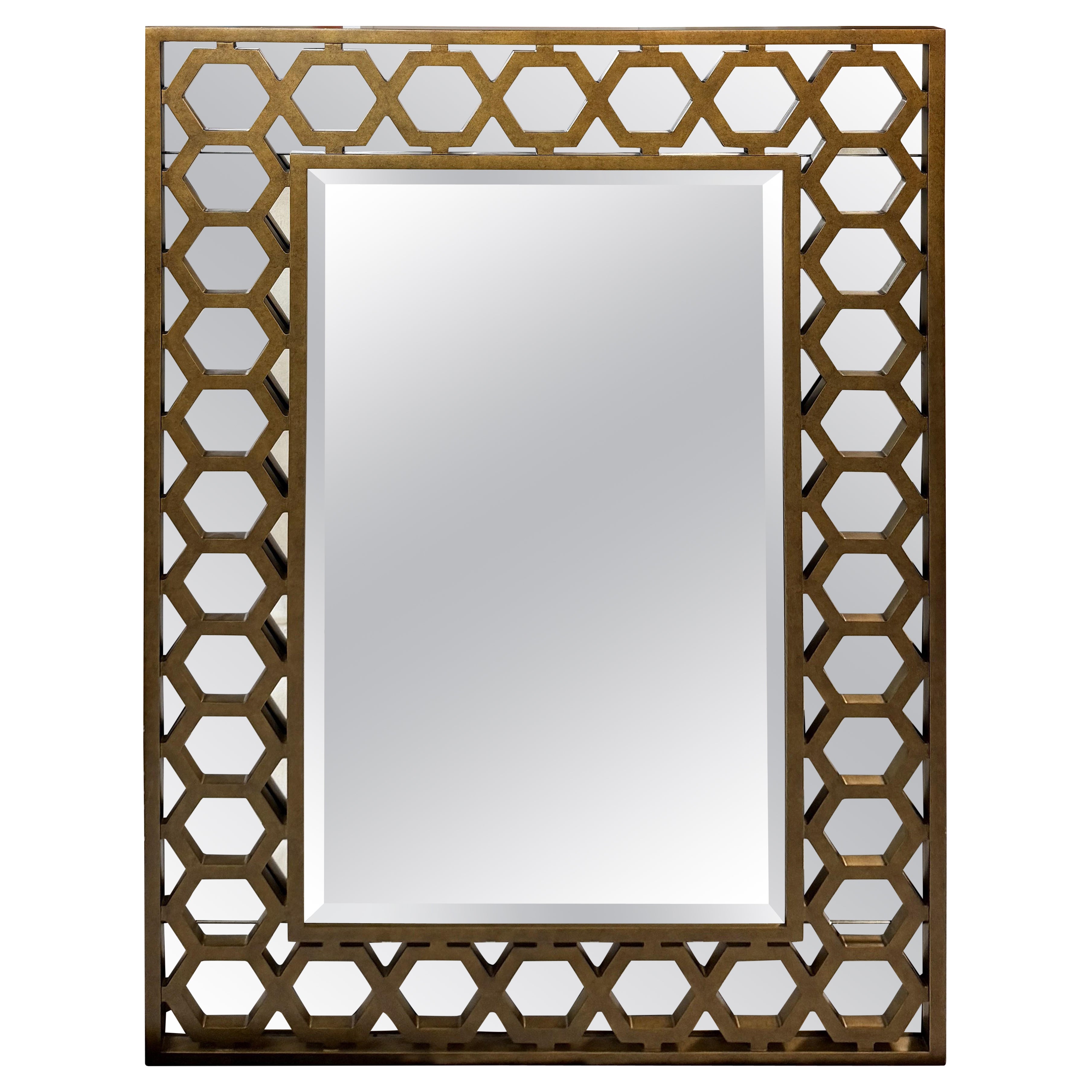
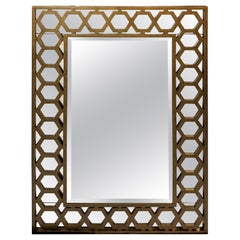
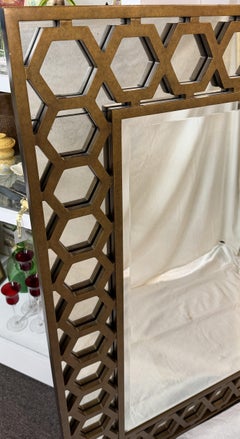
Modern Angeline Mirror with Hexagon Geometric Border by Mr. Brown London

Modern Angeline Mirror with Hexagon Geometric Border by Mr. Brown London

By Mr. Brown

Located in Milford, NH

A fine modern beveled Angeline mirror with hexagon geometric pattern composite border in an antique brass finish by Mr. Brown, London, with makers tag on verso. Perfect for any moder...

Category

Late 20th Century English Modern Composite Furniture

Materials

Glass, Composite

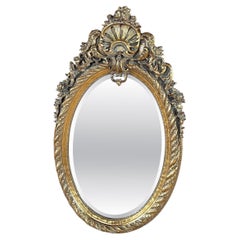
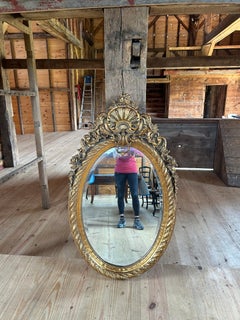
Ornate Gilded Composite French Style Oval Wall Mirror

Ornate Gilded Composite French Style Oval Wall Mirror

Located in Hopewell, NJ

Ornate gilded composite large oval mirror, having shell motif at the top.

Category

21st Century and Contemporary American Louis XVI Composite Furniture

Materials

Mirror, Composite

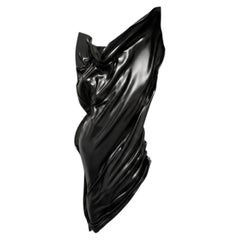
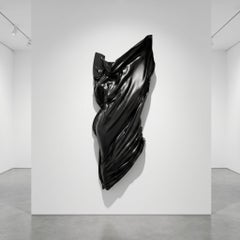
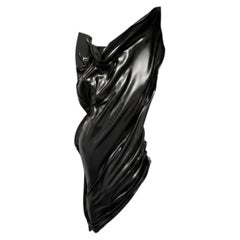
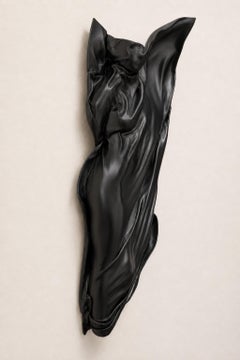
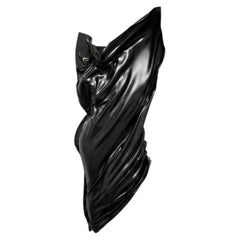
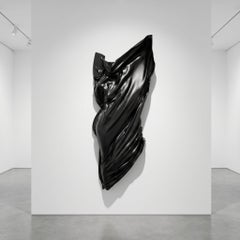
Large Figural Wall Sculpture — Draped Female Form, Black Resin, Limited Edition

Large Figural Wall Sculpture — Draped Female Form, Black Resin, Limited Edition

By Isaac Katz

Located in San Jose del Cabo, BCS

Vellum Deitas is a large figural wall sculpture by Katz Studio, this draped female form in obsidian black resin captures the female figure through the arrested motion of a cascading ...

Category

21st Century and Contemporary Mexican Modern Composite Furniture

Materials

Resin, Paint, Fiberglass, Composite

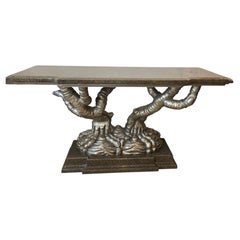
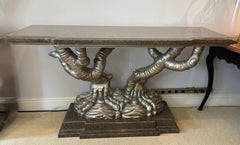
Vintage Marge Carson Hollywood Regency "Tree Form" Giltwood and Faux Granite Con

Vintage Marge Carson Hollywood Regency "Tree Form" Giltwood and Faux Granite Con

By Marge Carson

Located in West Palm Beach, FL

This is stunning vintage "Tree Form" console table designed and manufactured by luxury maker Marge Carson during the 1980s. This sculptural statement piece perfectly balances organ...

Category

1980s Vintage Composite Furniture

Materials

Composite

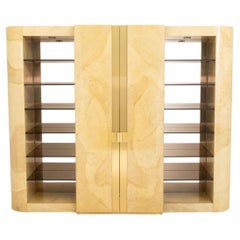
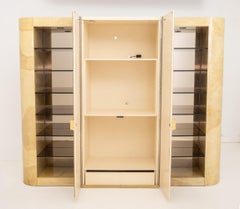
Karl Springer Style Faux Travertine Cabinet

Karl Springer Style Faux Travertine Cabinet

By Karl Springer

Located in Astoria, NY

Karl Springer Style Faux Travertine Display Cabinet, the central two-door cabinet with four shelves flanked by two lighted and mirrored display shelves with gold-tone hardware. 78" ...

Category

20th Century Mid-Century Modern Composite Furniture

Materials

Wood, Composite

Small Figural Wall Sculpture — Draped Female Form, Black Resin, Limited Edition

Small Figural Wall Sculpture — Draped Female Form, Black Resin, Limited Edition

By Isaac Katz

Located in San Jose del Cabo, BCS

Vellum Deitas is a small figural wall sculpture by Katz Studio, this draped female form in obsidian black resin captures the female figure through the arrested motion of a cascading ...

Category

21st Century and Contemporary Mexican Modern Composite Furniture

Materials

Resin, Fiberglass, Paint, Composite

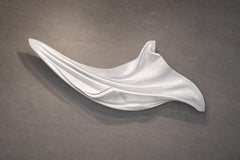
Small Abstract Wall Sculpture — Windswept Fabric Form, Gloss White

Small Abstract Wall Sculpture — Windswept Fabric Form, Gloss White

By Isaac Katz

Located in San Jose del Cabo, BCS

Levitaz Wind Panel II by Katz Studio, Gloss White Finish Levitaz Wind Panel II is a sculptural wall panel by Katz Studio, capturing a suspended moment of flight — an abstract curren...

Category

21st Century and Contemporary Mexican Modern Composite Furniture

Materials

Epoxy Resin, Fiberglass, Paint, Composite

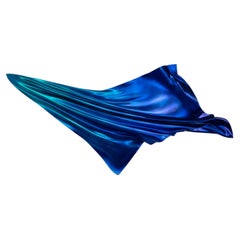
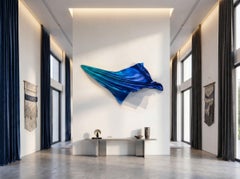
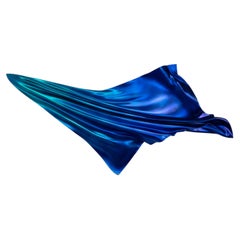
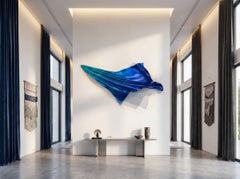
Large Abstract Wall Sculpture - Billowing Fabric Form, Airbrushed Blue Fade

Large Abstract Wall Sculpture - Billowing Fabric Form, Airbrushed Blue Fade

By Isaac Katz

Located in San Jose del Cabo, BCS

Levitaz Wind Panel VI by Katz Studio, Blue Chrome Fade Finish Levitaz Wind Panel VI is a sculptural wall panel by Katz Studio, designed to capture the sensation of air in motion. Th...

Category

21st Century and Contemporary Mexican Modern Composite Furniture

Materials

Epoxy Resin, Fiberglass, Paint, Composite

Small Figural Wall Sculpture — Draped Female Form, Chrome Resin, Limited Edition

Small Figural Wall Sculpture — Draped Female Form, Chrome Resin, Limited Edition

By Isaac Katz

Located in San Jose del Cabo, BCS

Vellum Deitas is a small figural wall sculpture by Katz Studio, this draped female form in a chrome resin finish captures the female figure through the arrested motion of a cascading...

Category

21st Century and Contemporary Mexican Modern Composite Furniture

Materials

Resin, Fiberglass, Paint, Composite

Figural Wall Sculpture - Draped Female Form, Black Resin, Limited Edition

Figural Wall Sculpture - Draped Female Form, Black Resin, Limited Edition

By Isaac Katz

Located in San Jose del Cabo, BCS

Vellum Deitas is a figural wall sculpture by Katz Studio, this draped female form in obsidian black resin captures the female figure through the arrested motion of a cascading veil —...

Category

21st Century and Contemporary Mexican Modern Composite Furniture

Materials

Resin, Fiberglass, Paint, Composite

Figural Wall Sculpture - Draped Female Form, Chrome Resin, Limited Edition

Figural Wall Sculpture - Draped Female Form, Chrome Resin, Limited Edition

By Isaac Katz

Located in San Jose del Cabo, BCS

Vellum Deitas is a figural wall sculpture by Katz Studio, this draped female form in a chrome resin finish captures the female figure through the arrested motion of a cascading veil ...

Category

21st Century and Contemporary Mexican Modern Composite Furniture

Materials

Resin, Fiberglass, Paint, Composite

Small Abstract Wall Sculpture — Windswept Fabric Form, Airbrushed Gold

Small Abstract Wall Sculpture — Windswept Fabric Form, Airbrushed Gold

By Isaac Katz

Located in San Jose del Cabo, BCS

Levitaz Wind Panel II by Katz Studio, Luminous Gold Finish Levitaz Wind Panel II is a sculptural wall panel by Katz Studio, capturing a suspended moment of flight — an abstract curr...

Category

21st Century and Contemporary Mexican Modern Composite Furniture

Materials

Epoxy Resin, Fiberglass, Paint, Composite

Small Abstract Wall Sculpture - Billowing Fabric Form, Airbrushed Blue Fade

Small Abstract Wall Sculpture - Billowing Fabric Form, Airbrushed Blue Fade

By Isaac Katz

Located in San Jose del Cabo, BCS

Levitaz Wind Panel VI by Katz Studio, Blue Chrome Fade Finish Levitaz Wind Panel VI is a sculptural wall panel by Katz Studio, designed to capture the sensation of air in motion. Th...

Category

21st Century and Contemporary Mexican Modern Composite Furniture

Materials

Epoxy Resin, Fiberglass, Paint, Composite

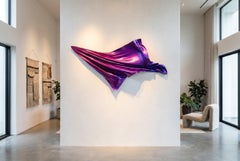
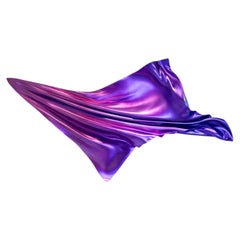
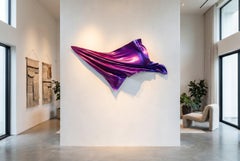
Large Abstract Wall Sculpture - Billowing Fabric Form, Airbrushed Purple Fade

Large Abstract Wall Sculpture - Billowing Fabric Form, Airbrushed Purple Fade

By Isaac Katz

Located in San Jose del Cabo, BCS

Levitaz Wind Panel VI by Katz Studio, Purple Chrome Fade Finish Levitaz Wind Panel VI is a sculptural wall panel by Katz Studio, designed to capture the sensation of air in motion. ...

Category

21st Century and Contemporary Mexican Modern Composite Furniture

Materials

Epoxy Resin, Fiberglass, Paint, Composite

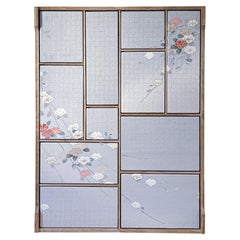
Vintage obi textile art " Camellia ~ Serendipity ~" by ikasu Blue Japan

Vintage obi textile art " Camellia ~ Serendipity ~" by ikasu Blue Japan

By Kimono ikasu, Lena Okamoto

Located in Setagaya City, JP

Certified Kimono Meister work / Certificate of Authenticity included. One-of-a-kind Japanese textile art made from vintage obi fabrics. Sustainable artwork for modern interiors, collectors, boutique hotels, and lovers of Japanese aesthetics. [Story behind the work] This work is inspired by traditional Japanese nature motifs symbolism, and is framed in paulownia wood originally used for a kimono chest-of-drawers. It is elegantly framed with paulownia wood originally used for kimono chest-of-drawers, and is filled with storytelling and sense of luxury. In this artwork, the aim was to capture the the auspicious symbol of camellia used in antique kimono. Traditional Japanese culture, represented by the kimono, and wood, an integral element of Japanese craftsmanship, were used to bring this vision to life. I used pieces of kimono that could no longer be used as clothing and kiritansu chest-of-drawers that would normally be discarded to create the ultimate upcycled piece. [Explanation and meaning of pattern and colors] This delicate piece features hand-drawn camellia motifs flowing gracefully on a softly brightened grayish background. Camellias, native to Japan, bloom from winter to early spring. As an evergreen tree with green leaves throughout the year, it symbolizes the anticipation of spring and is considered an auspicious plant. Due to its seasonal significance and auspicious meanings, camellias have been used as motifs symbolizing good fortune. Additionally, they were highly valued for their use in oil, cosmetics, and medicine, representing nobility. Believed to possess the power to ward off misfortune, camellias also carry the meaning of "protection from calamity" and have strong ties to traditional ceremonies. In this artwork, camellias are delicately depicted alongside flowing branches, subtly representing good fortune with their pale pink and white hues. "Sora-iro nezumi 空色鼠" refers to a light grayish color with a hint of blue, reminiscent of the slightly brightened sky on a lightly cloudy day. Popular during the late Edo period (19th cent.), it elegantly captures the slightly brighter sky pattern seen on lightly overcast days. Notably, the term "nezumi-iro" (mouse gray), popular during the late Edo period, was paired with brown tones, collectively known as "Forty-eight Teas and a Hundred Mice 四十八茶百鼠." Colors within the "nezumi" (gray) spectrum, particularly "sora-iro nezumi," were favored by young people for their cool and sophisticated appeal. [Characteristics of the fabric] The fabric features intricately woven patterns that reveal subtle gradations through dyeing, creating a grid pattern that transforms depending on the light conditions. Originally, this fabric was part of a formal kimono known as a "hōmongi 訪問着," featuring motifs along the hem, shoulders, and sleeves. These motifs have been carefully selected and combined to create a unified piece of artwork. [About the frame] Kiritansu - chest-of-drawers for kimono, is traditionally made from paulownia wood, a uniquely Japanese material closely tied to the world of kimonos. Paulownia wood is known as the lightest wood in Japan, prased for its natural luster, resistance to moisture, and resilience against cracking. Since ancient times, it has been used in crafting furniture, chests, and musical instruments. During the Edo period, it became customary to store cherished kimonos in paulownia chests...

Category

1960s Japanese Japonisme Vintage Composite Furniture

Materials

Gold Leaf, Silver Leaf
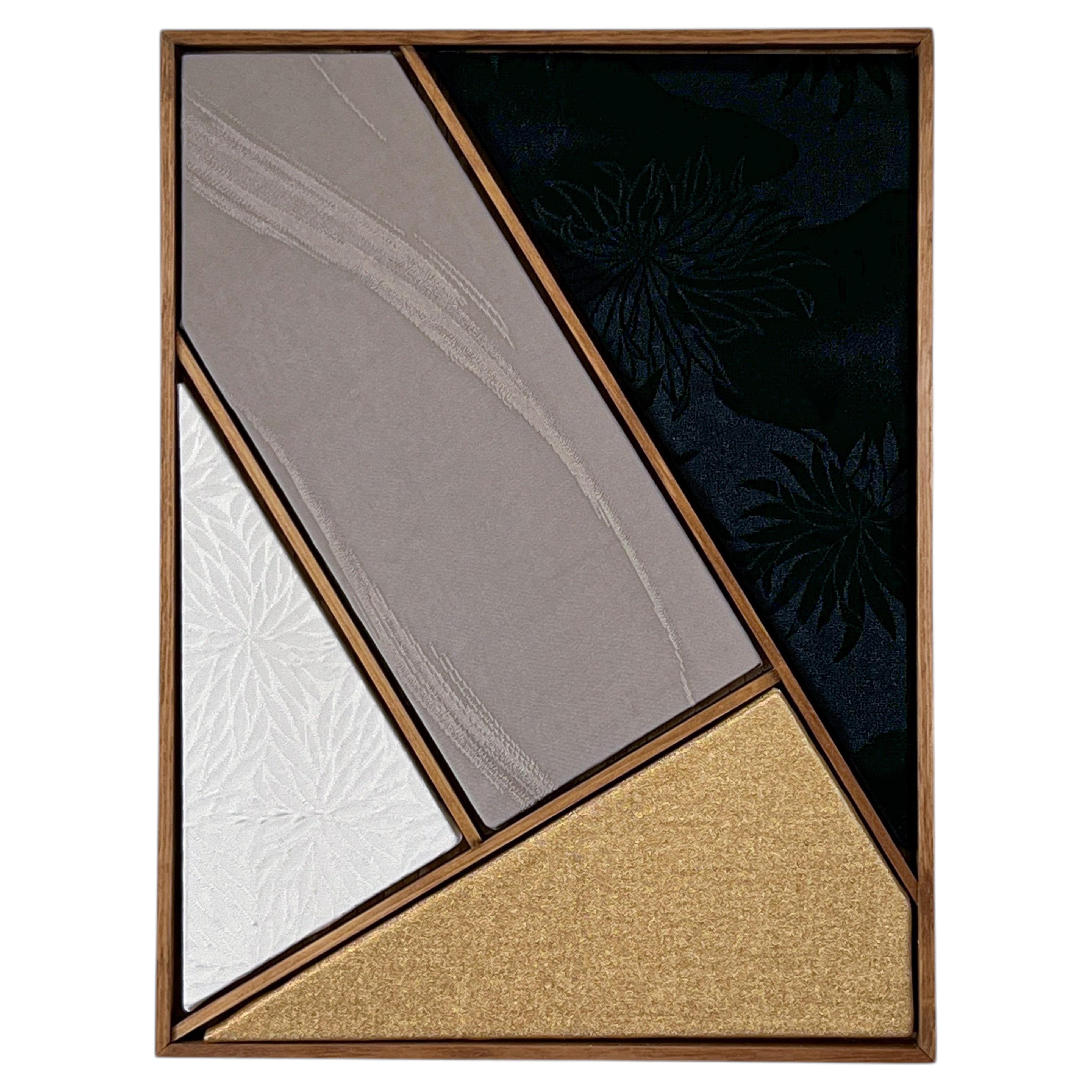
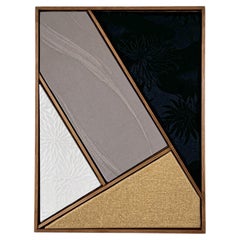
Vintage kimono textile art " Monochrome Geometry " by ikasu Gold Grey Japan

Vintage kimono textile art " Monochrome Geometry " by ikasu Gold Grey Japan

By Kimono ikasu, Lena Okamoto

Located in Setagaya City, JP

Certified Kimono Meister work / Certificate of Authenticity included. One-of-a-kind Japanese textile art made from vintage obi fabrics. Sustainable artwork for modern interiors, col...
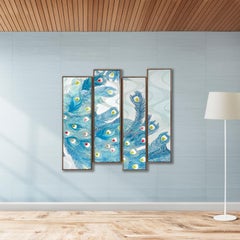
Category

1960s Japanese Japonisme Vintage Composite Furniture

Materials

Silk, Wood, Fabric, Textile, String, Thread, Yarn, Reclaimed Wood, Compo...

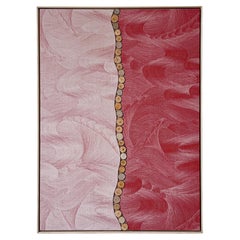
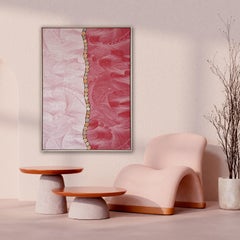
Vintage obi textile art " Broken Vase ~ kintsugi ~" by ikasu Black Gold Japan

Vintage obi textile art " Broken Vase ~ kintsugi ~" by ikasu Black Gold Japan

By Lena Okamoto, Kimono ikasu

Located in Setagaya City, JP

Certified Kimono Meister work / Certificate of Authenticity included. One-of-a-kind Japanese textile art made from vintage obi fabrics. Sustainable artwork for modern interiors, collectors, boutique hotels, and lovers of Japanese aesthetics. [Story behind the work] This work uses a vintage obi dated around 1980ies, with a feather motif, and arranges it so that it looks like a vase. Antique obi, just as it is a broken vase, is united back again with black obijime - a string used to tie up obi when it’s worn. Framed in kiritansu (antique chest) paulownia wood. It is elegantly framed with paulownia wood originally used for kimono chest-of-drawers, and is filled with storytelling and sense of luxury. I used pieces of kimono that could no longer be used as clothing and kiritansu chest-of-drawers that would normally be discarded to create the ultimate upcycled piece. [Explanation and meaning of pattern and colors] Feathers hold various meanings and symbolism in Japanese traditional culture, often reflecting themes of spirituality, symbolism, and folklore. Here are some of the meanings associated with feathers in Japanese tradition: ・Divine Protection: Feathers are often seen as symbols of divine protection and spiritual guidance. Feathers, especially those from birds, are considered to be imbued with the protective energy, offering spiritual guardianship and safeguarding against negative forces. ・Connection to the Spirit World: Feathers are sometimes associated with the spirit world and the realm of the divine. In folklore and mythology, feathers are depicted as messengers between the earthly realm and the celestial realms. ・Symbol of Beauty and Elegance: Feathers are admired for their natural beauty, grace, and elegance. In traditional Japanese arts such as Noh theater, Kabuki, and dance performances like Kagura, actors and performers often use feathered costumes or accessories to enhance their appearance and convey a sense of refinement and sophistication. ・Sign of Good Luck and Prosperity: In Japanese folklore, certain birds like cranes and pheasants are considered symbols of good fortune, longevity, and prosperity. Feathers from these birds are often depicted in art and craftwork as auspicious symbols believed to bring blessings and positive energy to the bearer. [About the frame] Kiritansu - chest-of-drawers for kimono, is traditionally made from paulownia wood, a uniquely Japanese material closely tied to the world of kimonos. Paulownia wood is known as the lightest wood in Japan, prased for its natural luster, resistance to moisture, and resilience against cracking. Since ancient times, it has been used in crafting furniture, chests, and musical instruments. During the Edo period, it became customary to store cherished kimonos in paulownia chests...

Category

1980s Japanese Japonisme Vintage Composite Furniture

Materials

String, Composite, Reclaimed Wood, Yarn, Thread, Textile, Fabric, Wood, ...