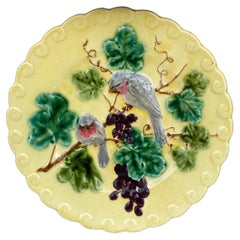
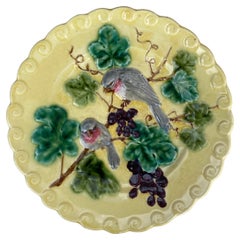
French Majolica Bird & Holly Plate Sarreguemines, circa 1880
Located in Austin, TX
French Majolica bird with holly plate signed Sarreguemines, circa 1880.
Category
1880s French French Provincial Antique Faience Furniture
Materials
Ceramic, Faience
French Majolica Bird & Holly Plate Sarreguemines, circa 1880
Located in Austin, TX
French Majolica bird with holly plate signed Sarreguemines, circa 1880.
Ceramic, Faience
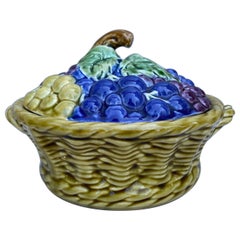
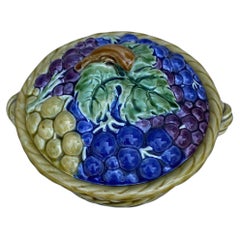
French Majolica Grapes Basket Sarreguemines, circa 1920
Located in Austin, TX
French Majolica grapes basket signed Sarreguemines, circa 1920.
Ceramic, Faience, Majolica
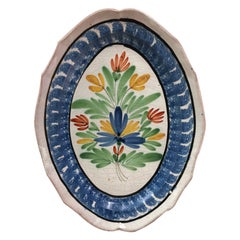
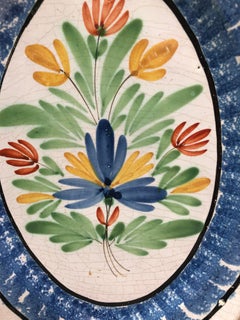
19th Century French Faience Oval Platter Forges Les Eaux
Located in Austin, TX
19th century French faience large oval rustic platter Forges Les Eaux (Normandy) Rare double sponge polychromy. Large bunch of flowers.
Faience
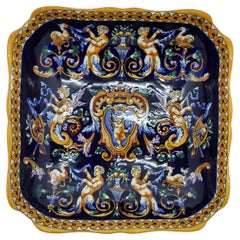
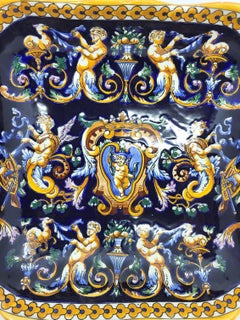
Gien Square Platter, Italian Renaissance Design, Blue Faïence, France
By Gien
Located in London, England
Discover a French art of living with this square dish in Gien faience, decorated with a magnificent Italian Renaissance decor on a bright blue background. This piece, both elegant an...
Faience
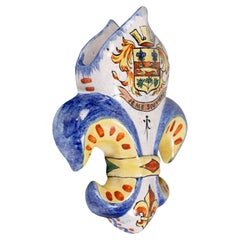
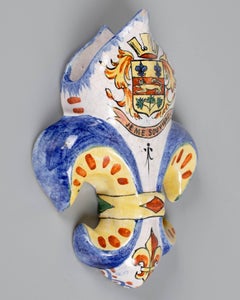
19th Century French Faience Fleur-de-Lis Wall Pocket, Hand-Painted
Located in Winter Park, FL
A 19th century French faience fleur-de-lis wall pocket, commonly used as a wall vase for flowers or as a decorative item. Hand-painted in beautiful vivid colors of blue, green, yello...
Faience
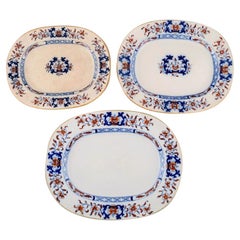
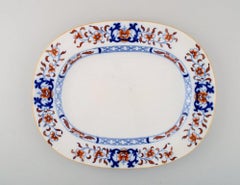
Mintons, England, Three Antique Dishes in Hand-Painted Faience, Chinese Style
Located in København, Copenhagen
Mintons, England. Three antique dishes in hand-painted faience. Chinese style, early 20th century. Largest measures: 42 x 34 cm. In excellent conditio...
Faience
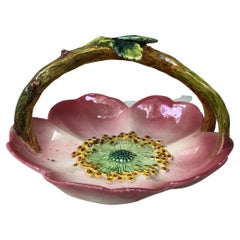
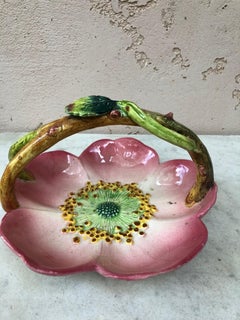
French Majolica Wild Rose Basket Delphin Massier, Circa 1890
Located in Austin, TX
French Majolica Wild Rose basket signed Delphin Massier, Circa 1890.
Ceramic, Faience
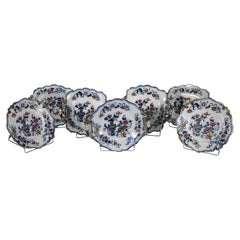
WR S & Co, Japanese Style Table Service, England, Circa 1840
Located in PARIS, FR
Model n°2618 Earthenware Imperial Stone Charming earthenware part table service composed of 10 small plates, 2 square dishes, 3 round dishes, 2 rectangular dishes, with polychrome d...
Faience
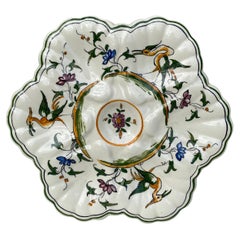
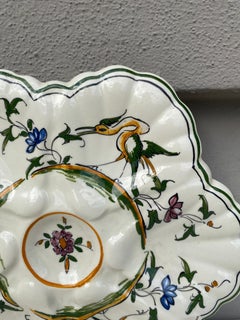
French Faience Oyster Plate Moustiers Style, circa 1940
Located in Austin, TX
French Faience Oyster Plate Moustiers Style, circa 1940.
Faience
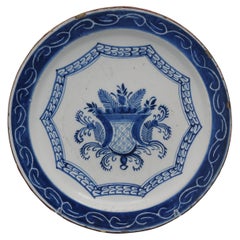
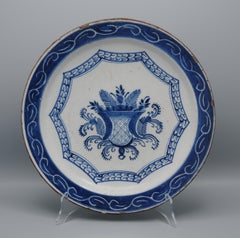
Delft - Chinoiserie dish with floral basket, second half 18th century
By Delft
Located in DELFT, NL
Mid 18th century Blue Delftware platter with Daniel Marot style decoration of a shield amidst flowers and foliage scrolls within a decagon. Beautiful border decoration in rich blue ...
Earthenware, Delft, Faience
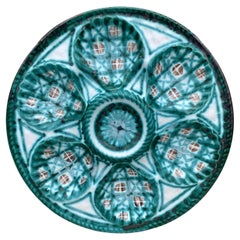
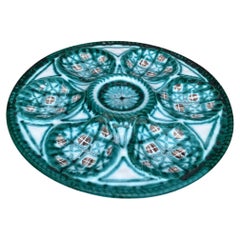
Mid-Century Rare Ceramic Oyster Plate Robert Picault Vallauris
Located in Austin, TX
Rare Oyster Plate signed Robert Picault. Robert Picault (1919 - 2000) was born in Vincennes, Paris and studied at the School of Applied Arts in Paris. After the war he spent a short ...
Ceramic, Faience
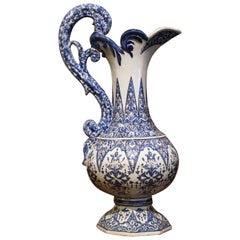
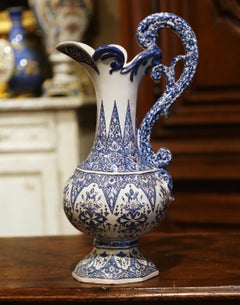
19th Century French Hand Painted Blue and White Faience Ewer Signed HR Quimper
Located in Dallas, TX
This elegant and colorful antique ewer was sculpted in Brittany, France, circa 1890. The unique large pitcher stands on a octagonal shaped base and featur...
Faience
$1,043Sale Price / item|20% Off
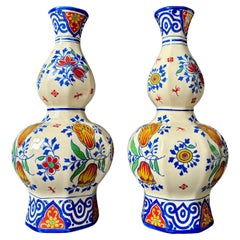
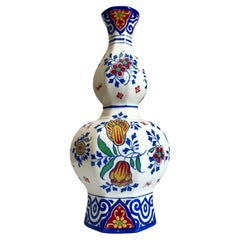
Antique Boch Fréres Keramis Vase, Art Nouveau Faience, Belgium, 1920s
Located in Copenhagen, DK
One of two colorful 100 year old Belgian Art Nouveau delft faience knobble vase by Charles Catteau's Boch Fréres Keramis at La Louviére, Belgium in the 1920s. Hand painted flowers, l...
Earthenware, Faience, Delft
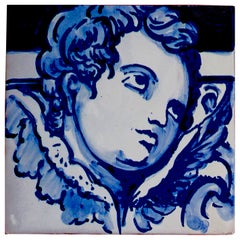
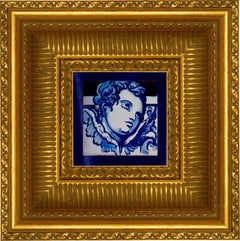
Blue Hand Painted Baroque Cherub or Angel Portuguese Ceramic Tile or Azulejo
Located in Coimbra, PT
Gorgeous blue hand painted Baroque cherub or angel 18th century style Portuguese ceramic tile/azulejo The tile painted in cobalt blue over wh...
Delft, Faience, Terracotta
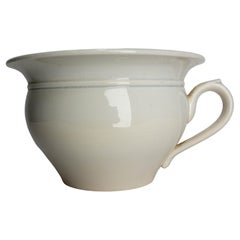
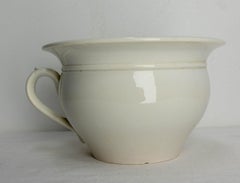
$332Sale Price|20% Off
French Digoin Sarreguemine Faience Pot Cover, circa 1930
Located in Labrit, Landes
French ceramic pot cover made in the first part of the 20th century in Digoin manufacture, Sarreguemine, France. These days, often used as decorati...
Ceramic, Faience
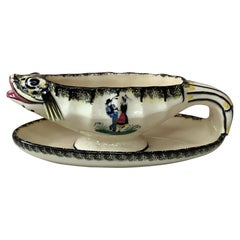
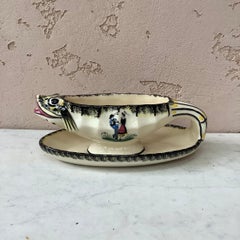
French Faience Saucer Henriot Quimper, circa 1940
Located in Austin, TX
French Faience saucer Henriot Quimper, circa 1940.
Ceramic, Faience
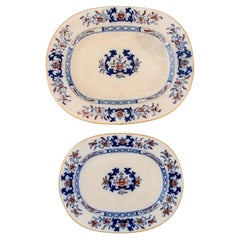
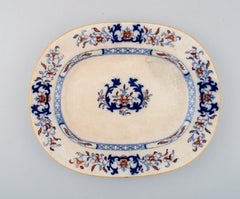
Mintons, England, Two Antique Dishes in Hand-Painted Faience, Chinese Style
Located in København, Copenhagen
Mintons, England. Two antique dishes in hand-painted faience. Chinese style, early 20th century. Largest measures: 33 x 26.5 cm. In excellent conditio...
Faience
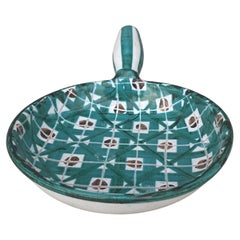
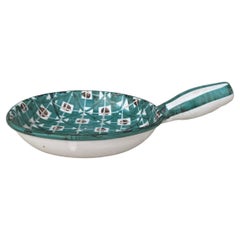
Midcentury Round Dish Robert Picault Vallauris
Located in Austin, TX
Midcentury round dish with handle by Robert Picault Vallauris. Robert Picault (1919 - 2000) was born in Vincennes, Paris and studied at the S...
Ceramic, Faience
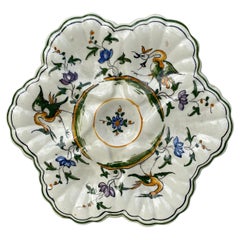
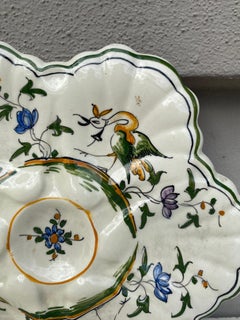
French Faience Oyster Plate Moustiers Style, circa 1940
Located in Austin, TX
French Faience rustic oyster plate Moustiers style, circa 1940. Painting of birds and flowers.
Faience
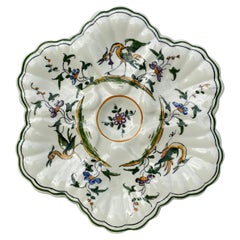
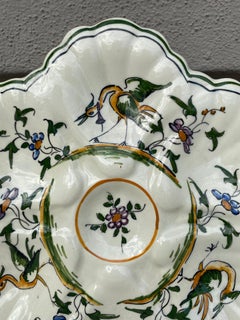
French Faience Oyster Plate Moustiers Style, circa 1940
Located in Austin, TX
French Faience Oyster Plate Moustiers Style, circa 1940.
Faience
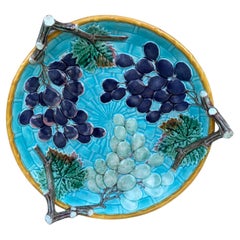
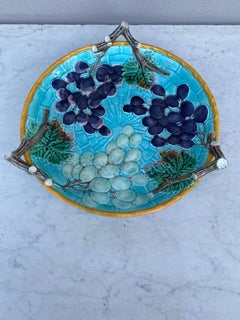
19th Century Grapes Handled Platter Wedgwood
By Wedgwood
Located in Austin, TX
19th Century Grapes Handled Platter signed Wedgwood.
Ceramic, Faience, Majolica
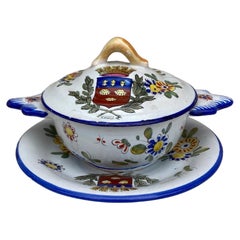
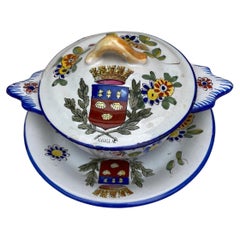
French Faience Tureen Keller & Guerin Saint Clement, Circa 1900
Located in Austin, TX
French Faience Tureen Keller & Guerin Saint Clement Circa 1900. Small tureen with plate decorated with flowers and coat of arms Aurillac. Measures:...
Faience
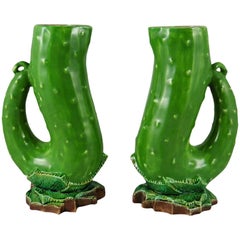
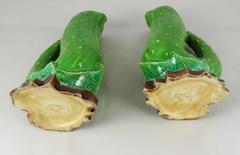
Pair of 19th Century English Majolica Pickles Pitchers
Located in Austin, TX
Amusing pair of Victorian Majolica pickles pitchers signed dated with the English mark June 7th 1871.
Majolica, Ceramic, Faience
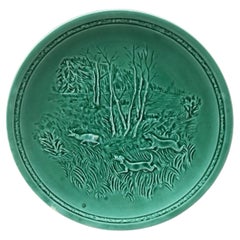
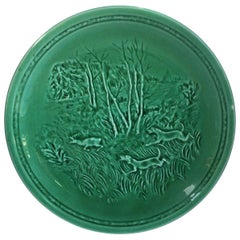
French Green Majolica Deer and Dogs Plate Sarreguemines, circa 1920
Located in Austin, TX
French green Majolica deer and hunting dog plate signed Sarreguemines, circa 1920.
Ceramic, Faience, Majolica
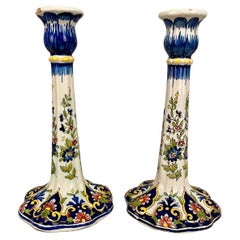
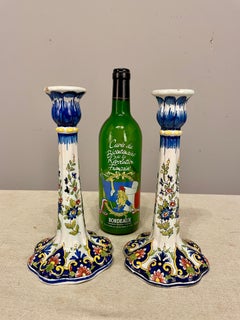
Early 20th French Faience of Desvres Candlestick, a Pair
Located in Winter Park, FL
An early 20th pair of French Faience Candlestick with the Rouen Decor, from the faiencerie of Desvres, signed on bottom Mosanic. Note : one chip on the top. See last picture. Dimen...
Faience
$140Sale Price|20% Off
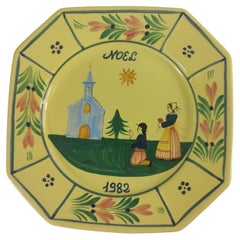
Quimper Noel 1982 Christmas Plate with Breton Peasant Figures in a Spiritual Set
Located in Port Jervis, NY
Quimper Christmas Noel celebration plate, 1982. In excellent vintage condition with no chips or cracks. Great color and graphics, pretty much unused.
Faience
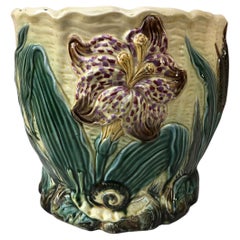
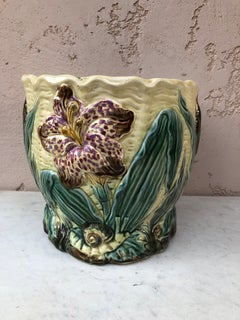
19th Century Majolica Jardinière Flower and Snail Wasmuel
Located in Austin, TX
Unusual 19th century planter or cachepot jardinière flower and snail Wasmuel.
Ceramic, Faience
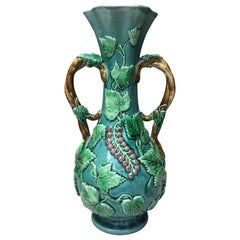
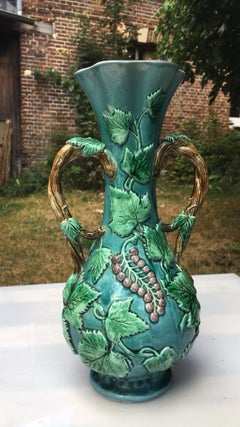
French Majolica Vase with Leaves and Berries, circa 1880
Located in Austin, TX
French Majolica vase with leaves and berries, circa 1880.
Ceramic, Faience, Majolica
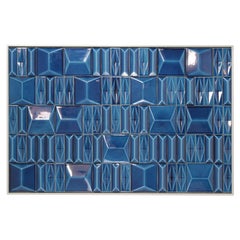
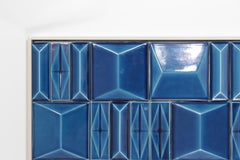
Milano Deep Blue Handmade Decorative Tile Indoor Panel
By Theia Tiles
Located in Lisbon, PT
This handmade decorative tile panel combines the traditional Portuguese faience tile making techniques with a modern approach of shapes and color, resulting in a very visually impact...
Faience, Wood
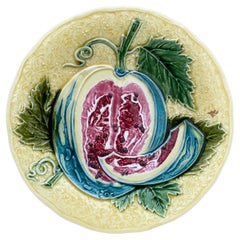
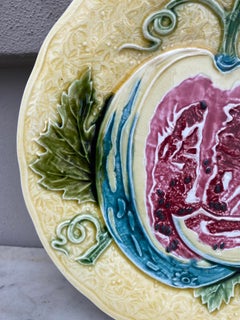
Rare Large 19th Century Majolica Melon Platter
Located in Austin, TX
Rare Large 19th century Majolica Melon platter. Diameter / 11.2".
Ceramic, Faience, Majolica
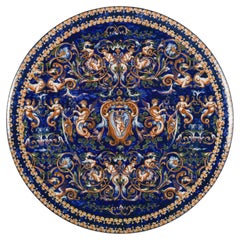
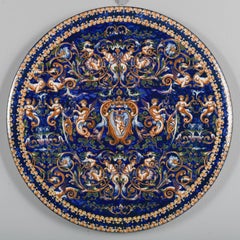
19th Century French Gien Faience Platter
By Gien
Located in Winter Park, FL
A 19th century French Gien faience decorative charger or shallow bowl, hand-painted in orange, green and light blue on cobalt blue ground with Renaissance style imagery including a c...
Faience

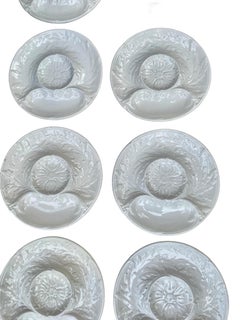
Antique French Faience Artichoke Plates, Set of Ten
Located in New Orleans, LA
An outstanding set of ten hand made French Majolica artichoke plates with deeply embossed patterns. These finely made plates have a lovely center flower and leaf borders. They look beautiful for wall or cabinet display and would also set a chic French table for your next family dinner.
Faience
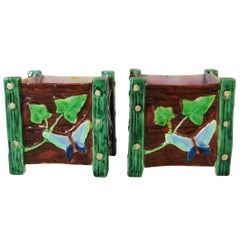
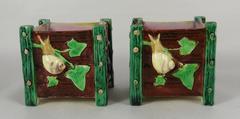
19th Century Majolica Pair of Jardinieres Butterflies & Snails Royal Worcester
Located in Austin, TX
Pair of Victorian Majolica jardinieres in a shape of wooden fence boxes with ivy, a snail and a butterfly signed Royal Worcester, circa 1...
Majolica, Ceramic, Faience
$1,709Sale Price / set|20% Off
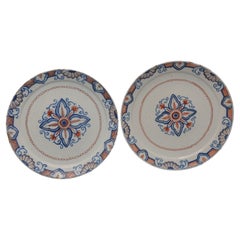
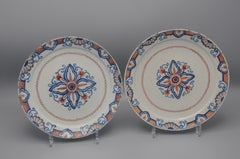
18th Century Antique Delftware Plates by Johannes van Lockhorst
By De Klaauw
Located in DELFT, NL
Excellent pair of mid 18th century Delftware plates with a rare geometrical decoration of a stylized flower with foliate scrolls. Border adorn...
Earthenware, Delft, Faience
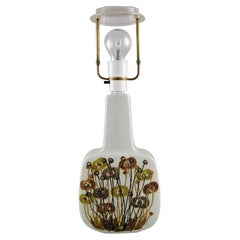
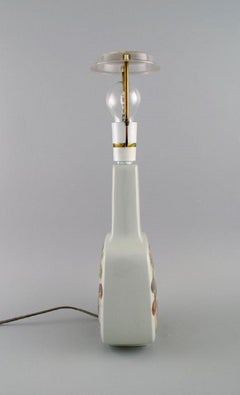
Royal Copenhagen Retro Table Lamp in Faience Decorated with Flowers, 1970s
Located in København, Copenhagen
Royal Copenhagen retro table lamp in faience decorated with flowers. 1970s. Measures: 28 x 17 x 7 cm (ex. Socket). In excellent condition. Stamped.
Faience
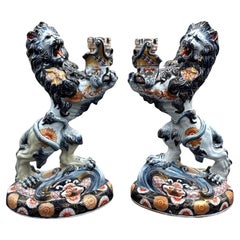
Emile galle Faience Haroldic Lion Candelabras
Located in Dallas, TX
Emile Galle Faience Heraldic Lions This captivating and scarce matched pair of 19th-century French faience lion candleholders, crafted by the renowned a...
Faience
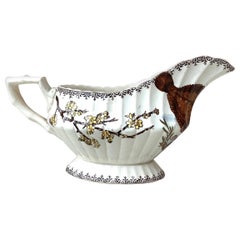
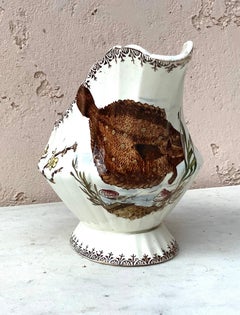
English Victorian Transferware Saucer with Fish, circa 1882
Located in Austin, TX
English Victorian transferware saucer with yellow flower and flounder fish. Dated May 1882 with the diamond mark.
Faience
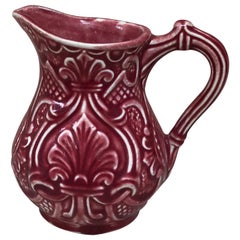
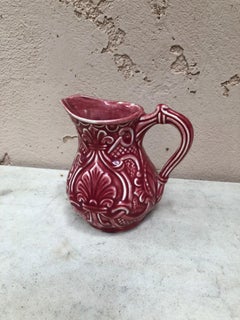
Red Majolica Creamer Pitcher Onnaing, circa 1920
By Onnaing
Located in Austin, TX
French red Majolica creamer pitcher Onnaing, circa 1920.
Ceramic, Faience
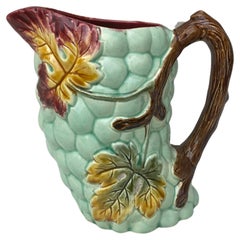
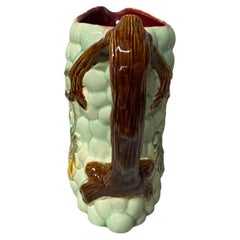
Rare French Majolica Grape Pitcher Orchies, circa 1890
By Orchies
Located in Austin, TX
Rare French Majolica grape pitcher Orchies, circa 1890.
Ceramic, Faience, Majolica
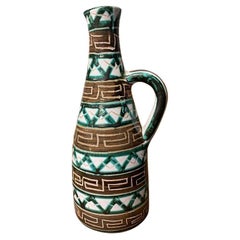
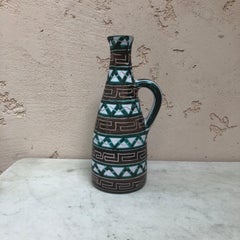
Mid-Century Geometrical Pitcher Robert Picault Vallauris
Located in Austin, TX
Robert Picault Geometrical Pitcher or Bottle circa 1950. Robert Picault (1919 - 2000) was born in Vincennes, Paris and studied at the School of Applied Arts in Paris. After the war ...
Ceramic, Faience
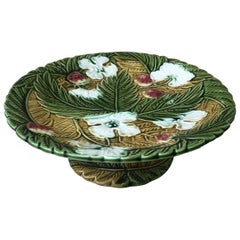
French Majolica Strawberries Comport, circa 1880
By Orchies
Located in Austin, TX
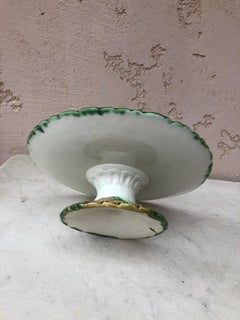
French Majolica strawberries comport or cake stand, circa 1880. Attributed to Orchies.
Ceramic, Faience
Pair of Antique French Rouen Faience Tulipière Vases
By Rouen
Located in Dallas, TX
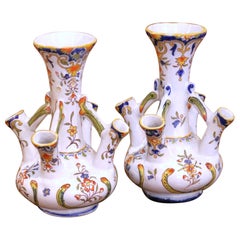
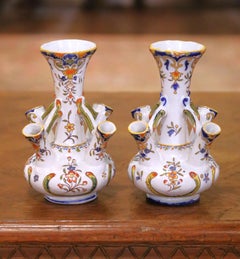
Decorate a console, mantel, or dining table with this charming pair of antique Rouen faience tulipières. Crafted in Normandy, France, each bouquetière features a traditional multi-spout form designed to hold individual stems, with a central flared neck surrounded by smaller angled openings. The sculptural silhouette is both functional and highly decorative, embodying the elegance of French ceramic artistry. Each vessel is hand painted in a classic Rouen palette of cobalt blue, iron red, soft green, and ochre, with delicate floral sprays and scrolling motifs throughout. The rims are accented with yellow edging, while the body showcases symmetrical cartouches and fine brushwork typical of Rouen production. The underside bears a hand painted “Rouen” mark, reinforcing the regional attribution. Both pieces are in excellent condition commensurate with age and use, with minor wear consistent with handling and time. These antique tulipières...
Ceramic, Faience
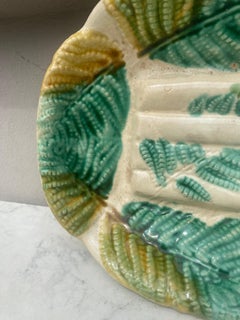
Majolica Asparagus Platter Salins with Ferns, circa 1880
By Salins
Located in Austin, TX
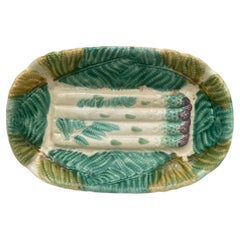
French Majolica asparagus platter Salins, circa 1880. Decorated with ferns.
Ceramic, Faience
$319Sale Price|20% Off
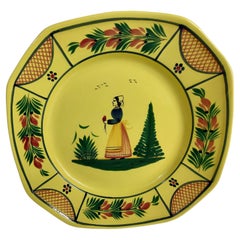
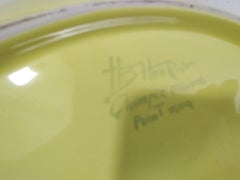
Quimper Faience Large Serving Platter France
Located in Port Jervis, NY
Hardly ever used c1980 Quimper Faience Platter in excellent vintage condition with no wear. Beautiful yellow color with Breton peasant woman. 2" deep...
Faience
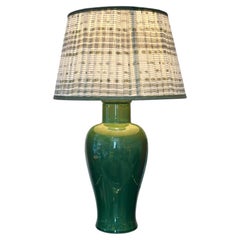
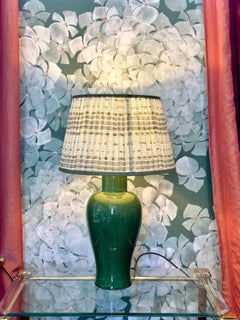
Large 1960s French Modernist Jade Green Chinoiserie Craquelé Glaze Ceramic Lamp
Located in London, GB
This refined example of 1960s French Modernist lighting is defined by its clean, ovoid ceramic form. The sophisticated jade green celadon glaze features a fine, uniform 'craquelé' (c...
Brass
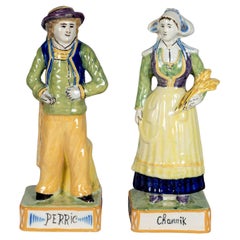
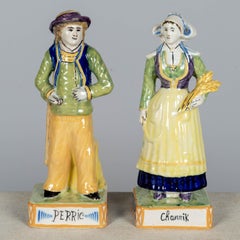
Pair of 19th Century French Henriot Quimper Faience Figurines
Located in Winter Park, FL
A pair of late 19th century French Henriot Quimper faience statues, or figurines, of Perric and Channik. Polychrome enameled earthenware, hand-painted in yellow, green, blue and purp...
Faience
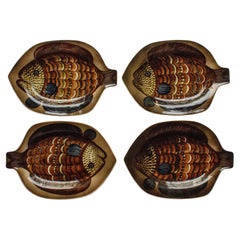
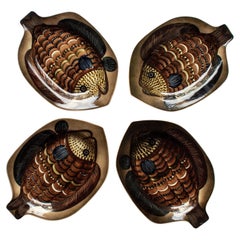
Four Hand-Painted Wall Plates by Gunvor Olin-Grönqvist for Arabia Atelier
By Arabia of Finland, Gunvor Olin-Grönqvist
Located in Stockholm, SE
A rare set of four hand-painted wall plates designed by Gunvor Olin-Grönqvist for Arabia Atelier, Finland. Each plate is individually painted and signed, reflecting the expressive, p...
Faience
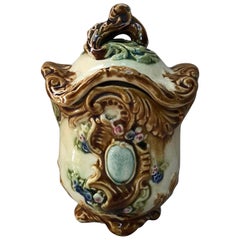
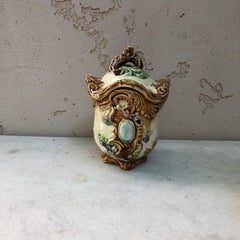
French Majolica Tobacco Jar Onnaing, Circa 1890
By Onnaing
Located in Austin, TX
French Majolica tobacco jar onnaing, Circa 1890. Decorated with a medallion and flowers.
Ceramic, Faience
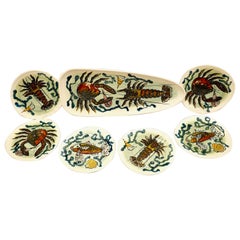
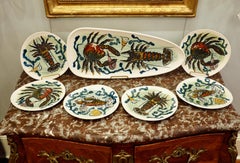
14 Piece Faience Fish Service with Hand-Painted Shellfish from Brittany
Located in Pembroke, MA
14 piece highly-decorative French hand painted faience fish service, featuring lobsters, crabs, fish and other sea life. The service consists of a platter (about 24" long and 10 ½" w...
Faience
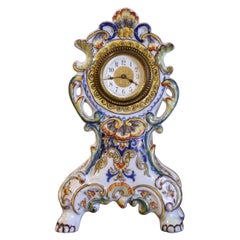
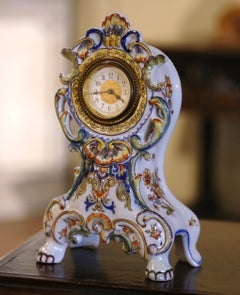
Early 20th Century French Louis XV Hand Painted Faience Clock from Rouen
By Rouen
Located in Dallas, TX
This elegant antique clock would make an wonderful addition to a mantel, console, desk, or side table. Crafted in Rouen, France, circa 1920, the colorful mantel clock features a rich...
Ceramic, Faience, Porcelain
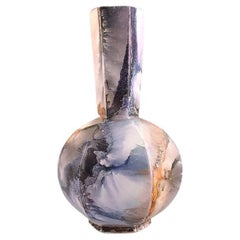
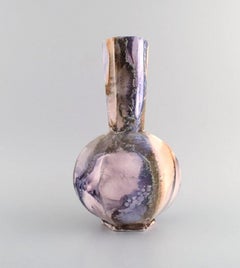
Arabia, Finland, Art Deco Vase in Glazed Faience, 1920s/30s
Located in København, Copenhagen
Arabia, Finland. Art Deco vase in glazed faience. Beautiful marbled glaze. 1920s/30s. Measures: 27.5 x 17 cm. In excellent condition. Stamped.
Faience
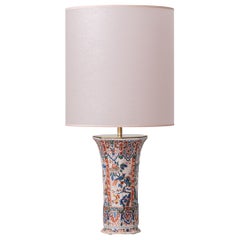
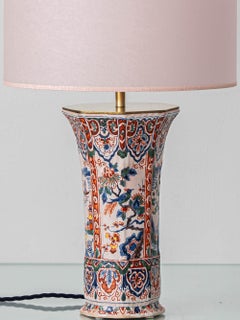
Delft Revival Chinoiserie Faience Table Lamp, Geo Martel, Desvres, circa 1900
By Desvres, Geo Martel, Amitābha Studio
Located in Sitges, Barcelona
Antique Delft Chinoiserie ceramic table lamp from a hand-painted French faience vase in the cashmere palette, iron red, cobalt blue and green. Newly wired for U.S. use. International...
Brass
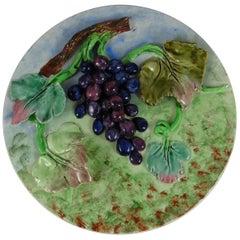
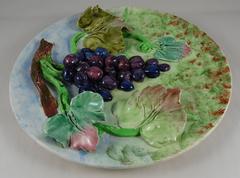
19th Century Majolica Grapes Wall Platter Longchamp
By Longchamp
Located in Austin, TX
Lovely 19th century French Majolica grapes wall platter signed Longchamp terre de fer. The fruits are in high relief with the leaves and the branch. The man...
Majolica, Ceramic, Faience
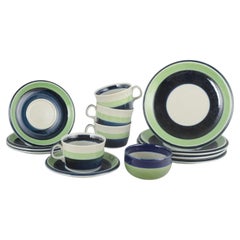
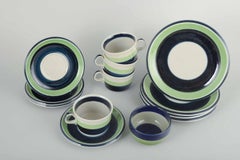
Rörstrand, Sweden. “Maria” tea service in glazed faience, 1970s.
Located in København, Copenhagen
Rörstrand, Sweden “Maria” tea service, 1970s. Collection consisting of cake plates, cups, saucers and sugar bowl in faience with white glaze, green and blue decoration. Origin: Swed...
Faience
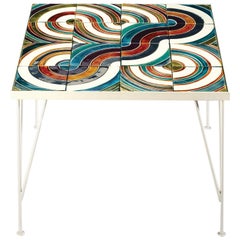
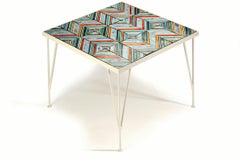
Handmade Colorful Tiles Table top Side Table Caldas Square with Portuguese Tiles
Located in Lisbon, PT
Well-known for its ceramics tradition, Portuguese tiles production dates back to 16th century. Inheriting this rich crafts knowledge, the table tops of Caldas tables are made with ha...
Metal
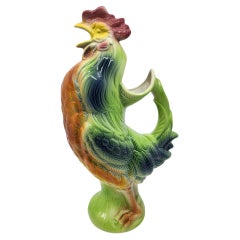
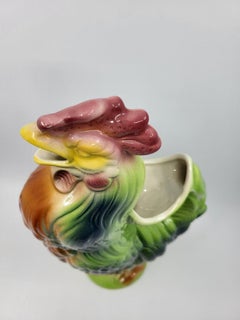
Émile Gallé Pichet by Saint Clément, Art Nouveau Majolica, France
Located in London, England
The sling jug of Saint Clément, designed by the talented Émile and Charles Gallé, represents a centerpiece of art nouveau. With its decoration inspired by fauna and flora, it embodie...
Ceramic, Faience
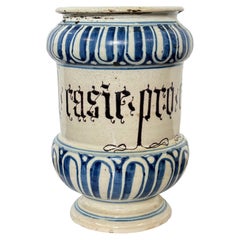
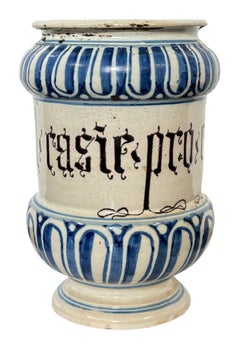
18th Century Italian Faience (Majolica) Apothecary Medicine Jar
Located in San Francisco, CA
An antique 18th-Century Italian faience albarello or apothecary pharmacy jar. This wonderful old jar is hand painted and in remarkable condition considering its age, having some expe...
Faience
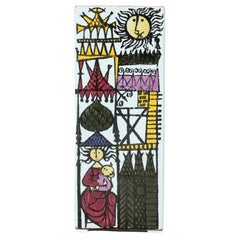
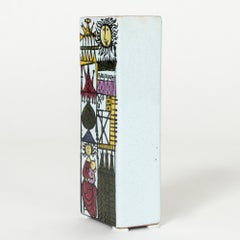
"Karneval" Faience vase by Stig Lindberg, Gustavsberg, Sweden, 1950s
Located in Östermalm, Stockholms län
Faience “Karneval” vase by Stig Lindberg, in a strict block shape. Beautiful, playful motif of a fantasy town with graphic houses and people. The rim and corners are unglazed, giving...
Faience
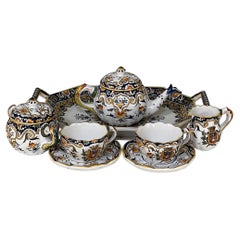
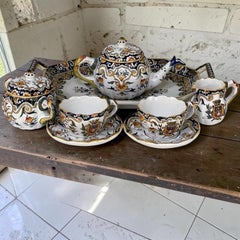
19th Century French Faience 8 Piece Hand-Painted Tea Service
Located in Dallas, TX
19th century French faience 8 piece hand-painted tea service represents the remarkably unique and definitively French porcelains produced in the fabled region around Rouen! Hand-made...
Faience
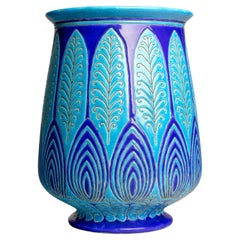
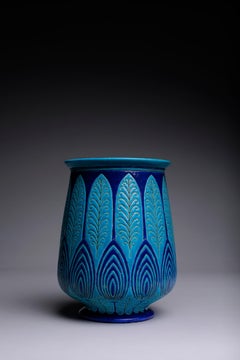
Longwy Atelier Primavera Art Deco Turquoise Jardiniere
By Faïenceries et Emaux de Longwy, Atelier Primavera au Printemps
Located in Fort Lauderdale, FL
A brilliant turquoise Art Deco pottery jardinière made by the French faiencerie Longwy circa 1920. The jardiniere was part of a special line for the Atelier Primavera, the in-house design studio in the Paris department store Au Printemps. The atelier, created in 1912, aimed to provide affordable modern French design to middle-class consumers. It was the first time a Parisian magasin developed its own line of products. Primavera contracted production to craftsmen, designers, and manufactories, hence Longwy’s association with the studio. Primavera flourished in the Art Deco period, and Longwy’s Art Deco...
Faience, Pottery