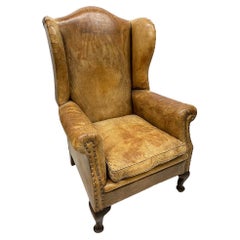
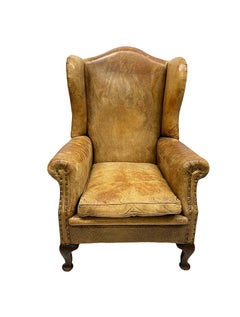
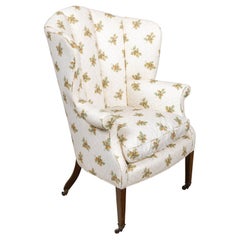
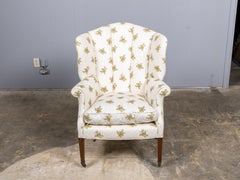
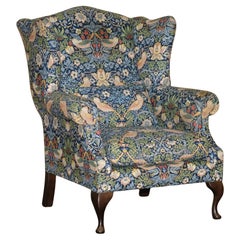
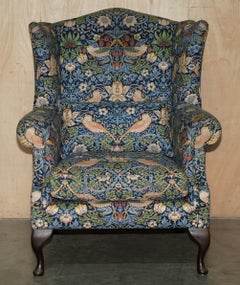
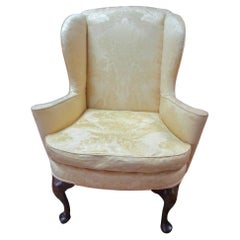
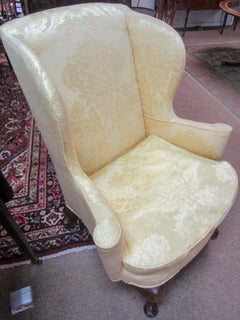
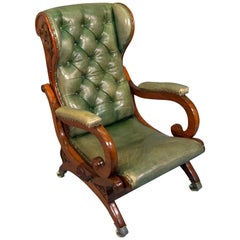
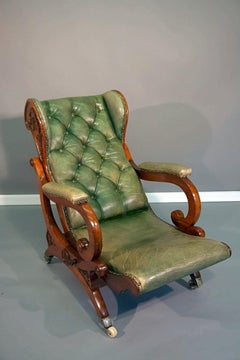
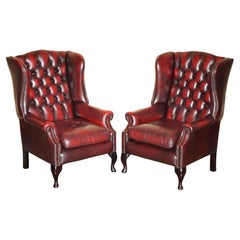
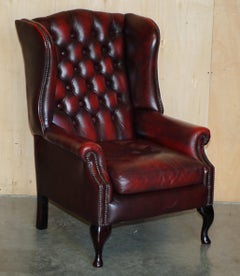
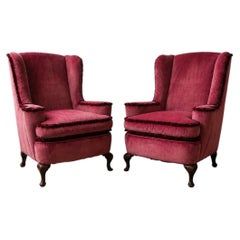
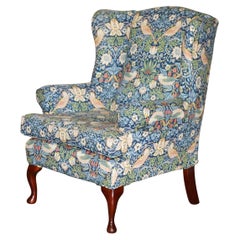
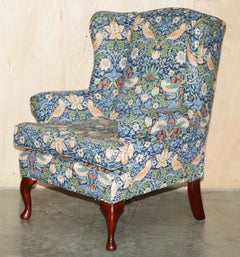
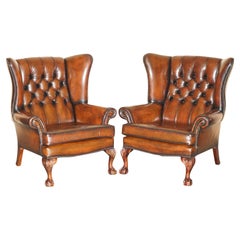
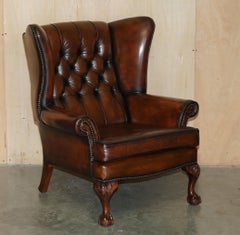
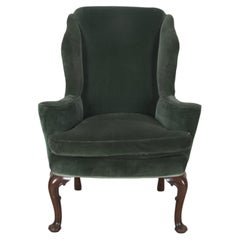
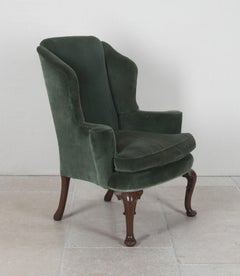
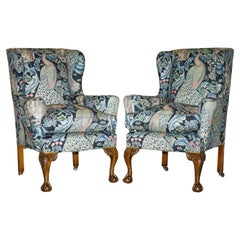
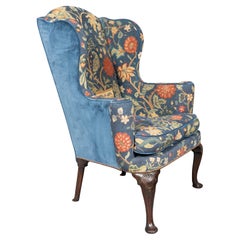
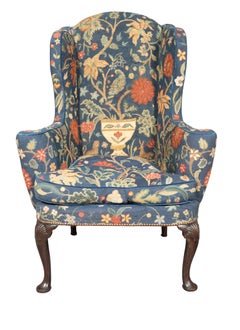
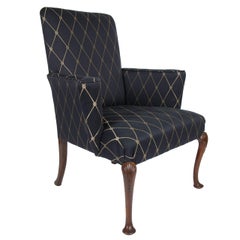
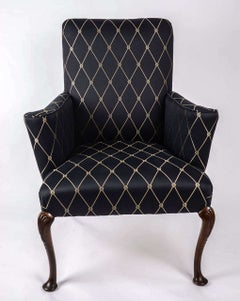
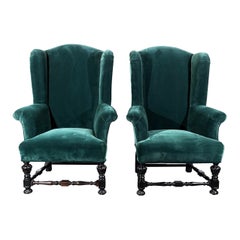
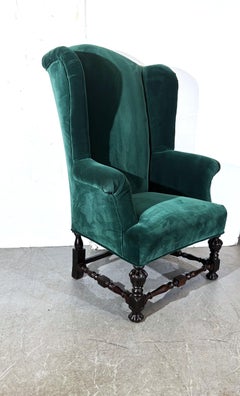
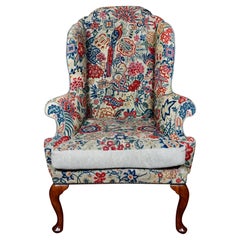
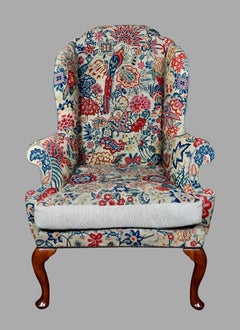
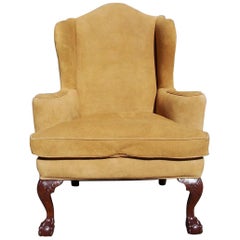
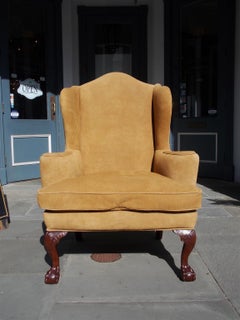
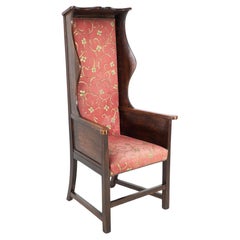
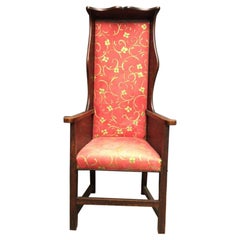
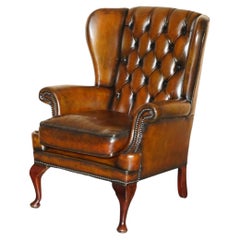
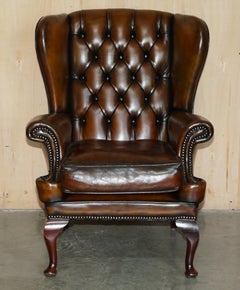
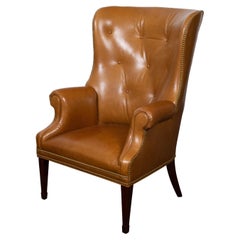
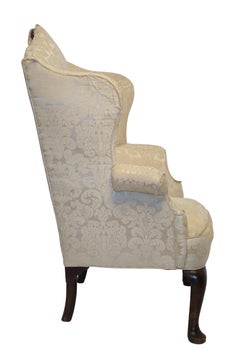
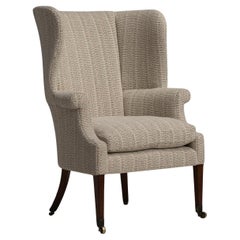
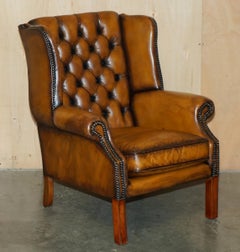
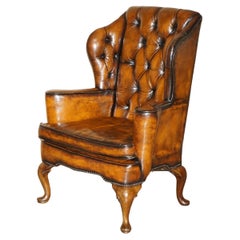
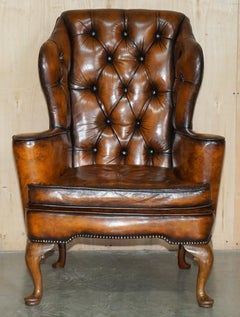
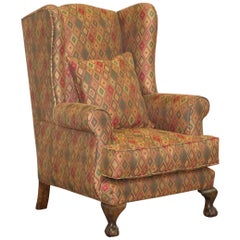
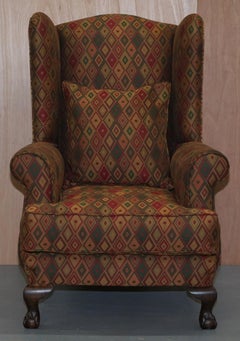
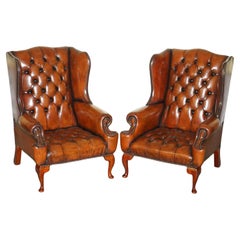
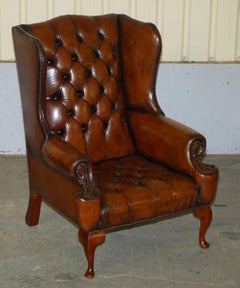
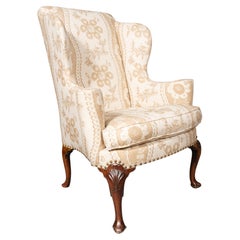
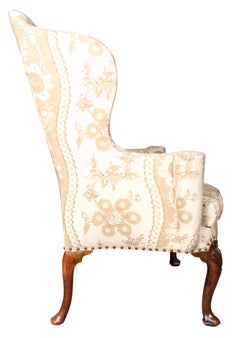
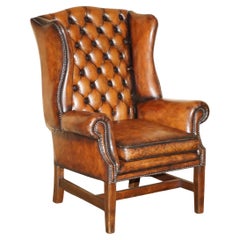
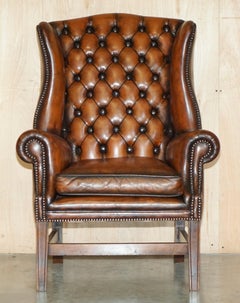
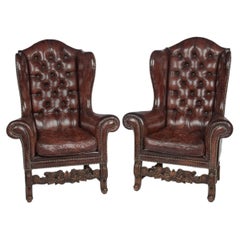
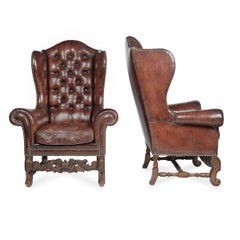
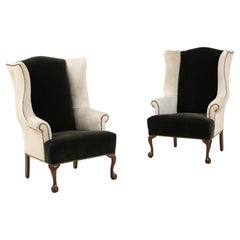
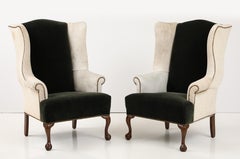
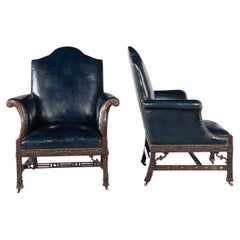
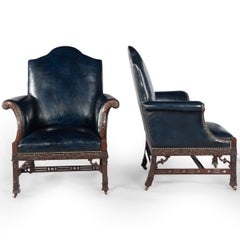
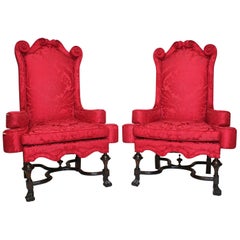
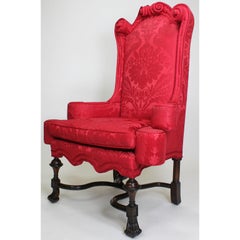
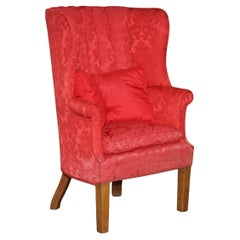
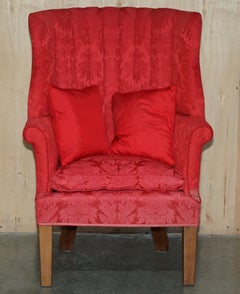
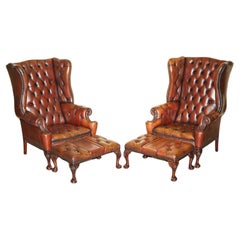
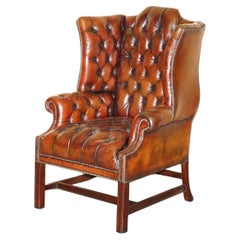
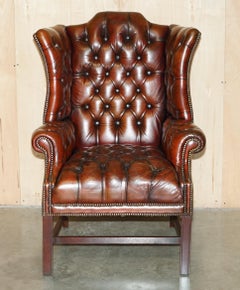
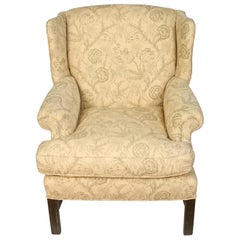
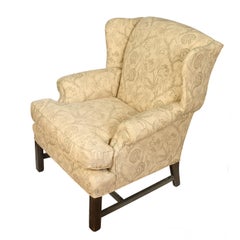
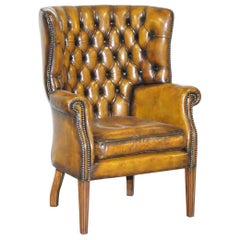
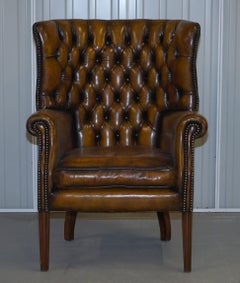
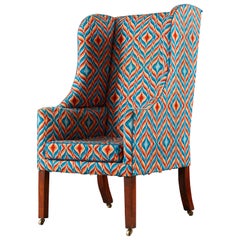
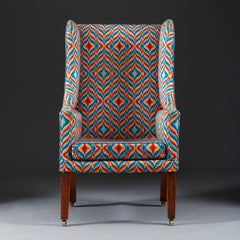
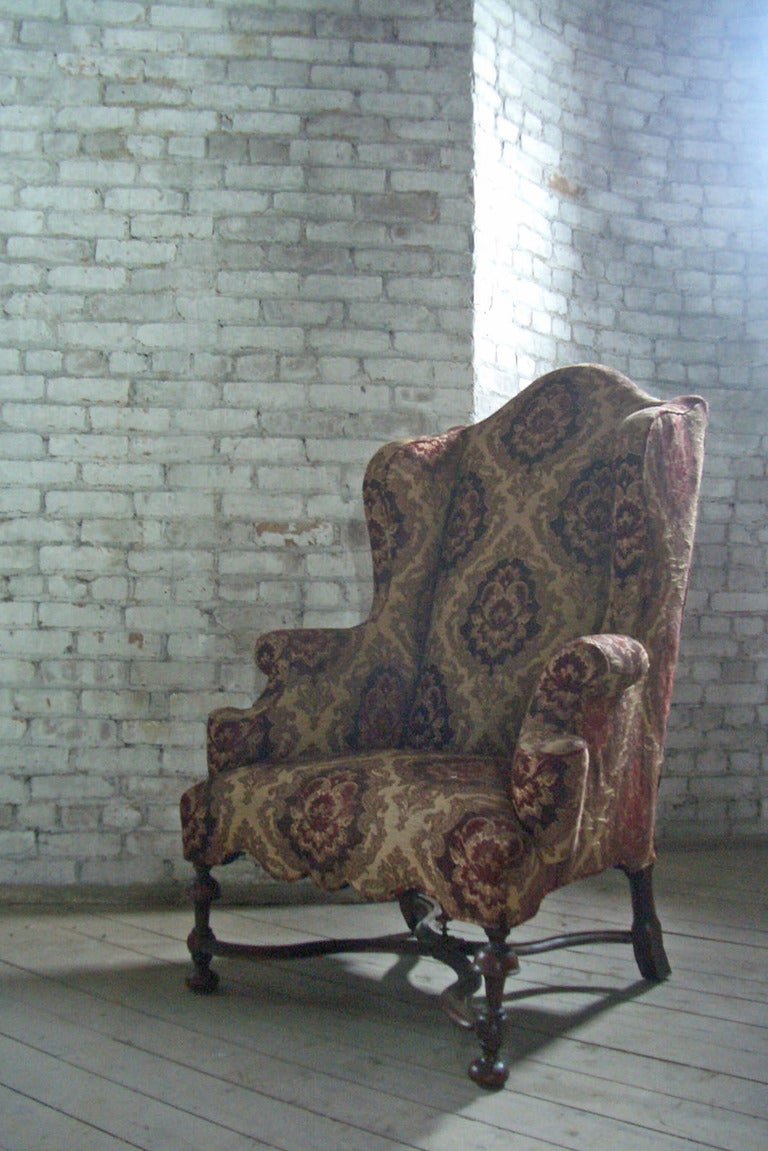
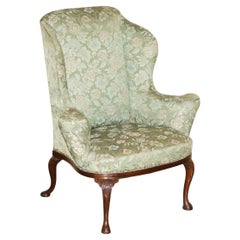
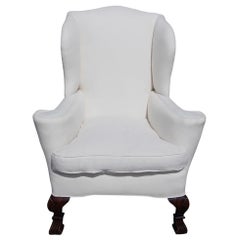
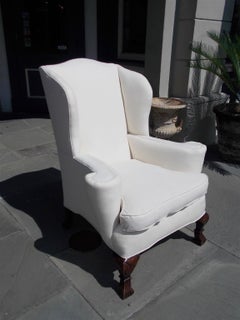
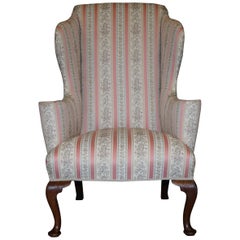
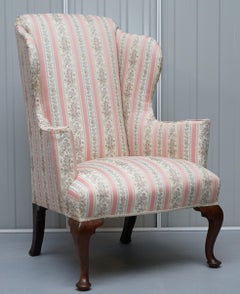
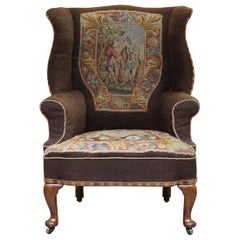
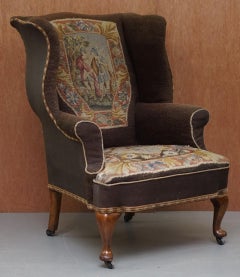
An early-18th century walnut wing armchair. Queen Anne/ George I-period, ca 1714.
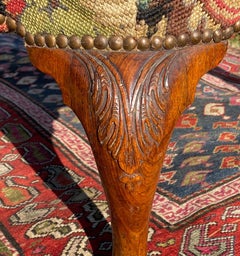
This fine English walnut wingback chair is raised on well-drawn carved cabriole legs. With a lovely kick on the back legs.
Remarkably, after some 310 years, it still retains its original gros-point needlework upholstery in vibrant colors.
Of superb proportions, color, figuring and patination.
Measures:
H 106 cm (42'')
D 68 cm (27'').
W 87.5 cm (34 1/2'').
Seat H: 42.5 cm. (16 3/4'').
Literature:
Herbert Cescinsky 'English Furniture Of The Eighteenth Century', George Routledge & Sons (1911) vol. I, p. 81, fig. 105. ''A walnut easy chair'' dated 1710.
Nb. A slightly earlier antique walnut and beech wing armchair with contemporary needlework, circa 1710, sold in Christies, Lot 164, October 2015 @ £48,350 -The Property of the Metropolitan Museum of Art.
Sothebys sold a George II needlework...
Category
Early 18th Century Georgian Antique English Wingback Chairs