Baroque Furniture

6,806 Results
BAROQUE STYLE

The decadence of the Baroque style, in which ornate furnishings were layered against paneled walls, painted ceilings, stately chandeliers and, above all, gilding, expressed the power of the church and monarchy through design that celebrated excess. And its influence was omnipresent — antique Baroque furniture was created in the first design style that truly had a global impact.

Theatrical and lavish, Baroque was prevalent across Europe from the 17th to mid-18th century and spread around the world through colonialism, including in Asia, Africa and the Americas. While Baroque originated in Italy and achieved some of its most fantastic forms in the late-period Roman Baroque, it was adapted to meet the tastes and materials in each region. French Baroque furniture informed Louis XIV style and added drama to Versailles. In Spain, the Baroque movement influenced the elaborate Churrigueresque style in which architecture was dripping with ornamental details. In South German Baroque, furniture was made with bold geometric patterns.

Compared to Renaissance furniture, which was more subdued in its proportions, Baroque furniture was extravagant in all aspects, from its shape to its materials.

Allegorical and mythical figures were often sculpted in the wood, along with motifs like scrolling floral forms and acanthus leaves that gave the impression of tangles of dense foliage. Novel techniques and materials such as marquetry, gesso and lacquer — which were used with exotic woods and were employed by cabinetmakers such as André-Charles Boulle, Gerrit Jensen and James Moore — reflected the growth of international trade. Baroque furniture characteristics include a range of decorative elements — a single furnishing could feature everything from carved gilded wood to gilt bronze, lending chairs, mirrors, console tables and other pieces a sense of motion.

Find a collection of authentic antique Baroque tables, lighting, decorative objects and other furniture on 1stDibs.

to
831
3,591
3,135
6,490
283
54
203,792
118,861
46,998
35,513
17,459
13,247
11,884
11,174
10,381
9,006
7,806
7,232
7,028
6,827
6,763
6,117
4,923
3,839
3,293
1,596
1,601
337
484
500
321
65
27
63
54
54
71
68
66
57
47
3,921
1,986
981
867
663
6,099
2,477
785
630
463
6,827
6,687
6,767
48
47
43
27
24
Style: Baroque
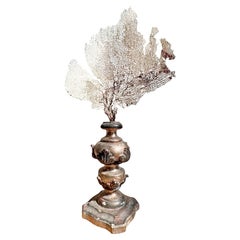
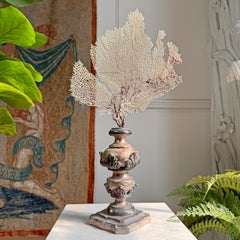
18th Century Italian Wood and Gesso Altar Vase in Rose Silver

18th Century Italian Wood and Gesso Altar Vase in Rose Silver

Located in Hastings, GB

A hand-crafted wood and applied gesso altar vase, late 18th century with gilt rose silver finish. Small areas of loss to the gesso and wear to the paint commensurate with the age of...

Category

Late 18th Century Italian Antique Baroque Furniture

Materials

Gesso, Wood

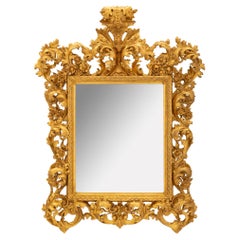
Italian 19th Century Baroque St. Giltwood Mirror

Italian 19th Century Baroque St. Giltwood Mirror

Located in West Palm Beach, FL

An impressive and most decorative Italian 19th century Baroque st. giltwood mirror. The mirror plate is set within a fine mottled band with a lovely overlapping fish scale like desig...

Category

19th Century Italian Antique Baroque Furniture

Materials

Mirror, Giltwood

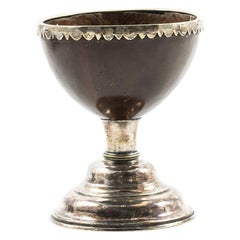
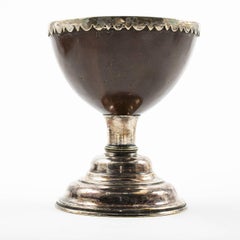
Silver Mounted Coconut Goblet, England, 1860-1880

Silver Mounted Coconut Goblet, England, 1860-1880

Located in Kastrup, DK

English confectionery Goblet or cup featuring the shell of a coconut mounted into silver. In original untouched and superb condition. If desired, we offer to polish the silver pa...

Category

Late 19th Century English Antique Baroque Furniture

Materials

Silver

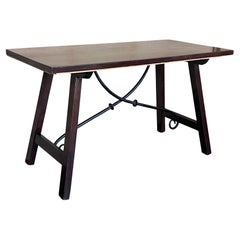
Spanish Baroque Work Side Table , Restored

Spanish Baroque Work Side Table , Restored

Located in Miami, FL

19th Century Spanish Baroque side or working table completely restored.

Category

Early 19th Century Spanish Antique Baroque Furniture

Materials

Walnut

French Solid Cast Iron French Scrolling "Butterfly" Coffee Table with Marble Top

French Solid Cast Iron French Scrolling "Butterfly" Coffee Table with Marble Top

Located in Miami, FL

Antique cast iron French pastry style black scrolling "Butterfly" coffee table with marble top. Item features impressive cast iron construction, four "butterfly wing" legs, fancy scr...

Category

Mid-19th Century French Antique Baroque Furniture

Materials

Marble, Iron

Pair of Baroque Wood Gilt 17th Century Italian Hand Carved Arm Sconces

Pair of Baroque Wood Gilt 17th Century Italian Hand Carved Arm Sconces

Located in Dallas, TX

A beautiful pair of hand carved giltwood baroque Italian 17th century arm sconces. Intricately carved floral bases and folded sleeves with bold curved matching arms. The arms are...

Category

17th Century Italian Antique Baroque Furniture

Materials

Wood

Early 18th Century Gilt Wood Italian Mirror

Early 18th Century Gilt Wood Italian Mirror

Located in Hastings, GB

An exceptional split plate Italian mirror Dating to circa 1730, Genoa, Italy. This astonishing mirror is of exceptional proportions, the split mercury plate foxed and worn to perfe...

Category

1730s Italian Antique Baroque Furniture

Materials

Gesso, Wood

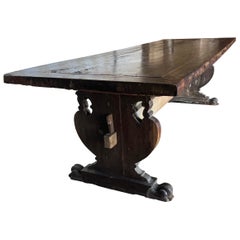
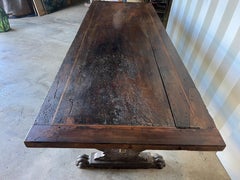
Early 18th Century Italian 9' Inlaid Walnut Dining Table

Early 18th Century Italian 9' Inlaid Walnut Dining Table

Located in Richmond, VA

Fabulous early 18th century 9' Italian inlaid walnut table on plinth bases with paw feet. Beautiful, with over 300 years of patina. Great scale and color. Breaks down into 4 pieces.

Category

Early 18th Century Italian Antique Baroque Furniture

Materials

Walnut

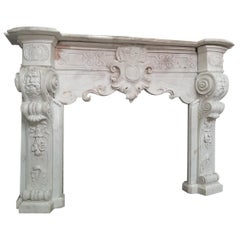
Italian 18th Century Carrara Marble Fireplace Richly Decorated Baroque Style

Italian 18th Century Carrara Marble Fireplace Richly Decorated Baroque Style

Located in Baambrugge, NL

18th century Italian Carrara marble fireplace, richly decorated in the Baroque style. On the central cartouche of the mantlepiece a coat of arms. The legs decorated with scrolls, mas...

Category

18th Century Italian Antique Baroque Furniture

Materials

Carrara Marble

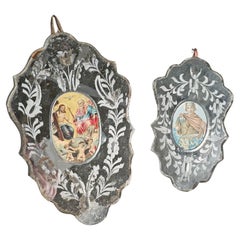
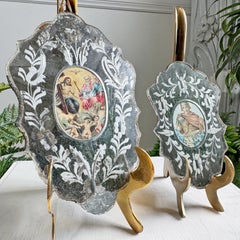
German Nuns' Mirrors circa 1800

German Nuns' Mirrors circa 1800

Located in Hastings, GB

An incredible pair of reverse painted late 18th / Early 19th century Nuns' mirrors, probably southern Germany or Austrian. These stunning pieces are in superb original condition, one depicting the Holy Trinity...

Category

Early 1800s German Antique Baroque Furniture

Materials

Mirror

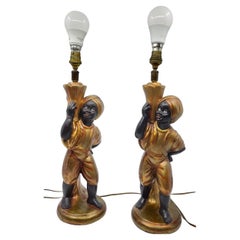
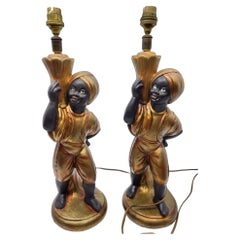
Vintage Nubiens Table Lamps by Jean-Paul Creations, Polychrome Ceramic

Vintage Nubiens Table Lamps by Jean-Paul Creations, Polychrome Ceramic

By Jean-Paul Creations

Located in London, England

Enhance your interior with this beautiful pair of vintage figurative lamps. Each lamp sports an elegantly crafted statue in shades of gold and black, gracefully carrying a vase above...

Category

Mid-20th Century French Baroque Furniture

Materials

Ceramic

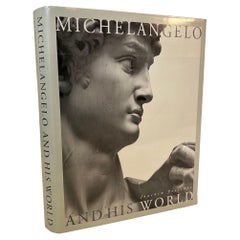
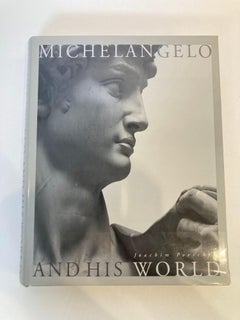
1996 Michelangelo And His World Hardcover book by Joachim Poeschke

1996 Michelangelo And His World Hardcover book by Joachim Poeschke

Located in Moreno Valley, CA

Michelangelo and His World: Sculpture of the Italian Renaissance By Albert Hirmer (photographer), Russell Stockman (trans), Joachim Poeschke and Irmgard Ernstmeier-Hirmer (photographer). Michelangelo And His World written by Joachimv Poeschke is the most comprehensive examination of Italian Renaissance sculpture from 1490 to 1560 ever published. New York: Harry N. Abrams, 1996. First edition. Hardcover. First printing. Monograph with 399 illustrations including 52 in color. Photographs by Albert Hirmer and Irmgard Ernstmeier-Hirmer. Translated from the German by Russell Stockman. A comprehensive look at Michelangelo's work. A very near fine copy in very near fine dust jacket. This is a heavy and oversized book Published in 1996, the book central to the whole study is the sculpture of Michelangelo...

Category

Late 20th Century Italian Baroque Furniture

Materials

Paper

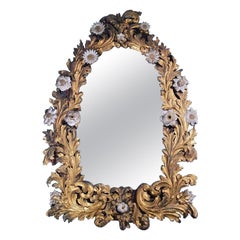
18th Century Italian Baroque Giltwood Mirror

18th Century Italian Baroque Giltwood Mirror

Located in Essex, MA

Period Early 18th Century Italian Baroque Mirror. Florentine. Original Gilding. Carved and Gilded Hardwood in Sunflower and Foliate Motif Provenance: Private Beacon Hill Collection

Category

18th Century Italian Antique Baroque Furniture

Materials

Giltwood

Five lacquered interior doors, dating from the 18th century.

Five lacquered interior doors, dating from the 18th century.

Located in Cuneo, Italy (CN)

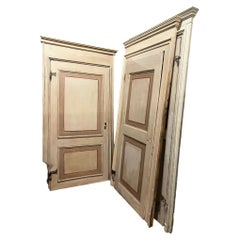
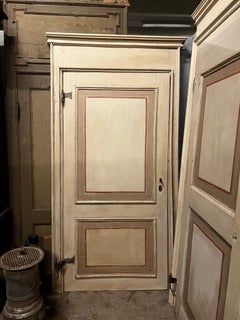
Five two-panel lacquered interior doors with matching frames, of good craftsmanship. The proportions, moldings, and hardware evoke the historical style of late 18th-century Italian a...

Category

Late 18th Century European Antique Baroque Furniture

Materials

Wood

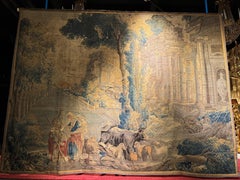
17th century Antique Aubusson/Gobelin tapestry, France Architectural land, silk

17th century Antique Aubusson/Gobelin tapestry, France Architectural land, silk

Located in Berlin, DE

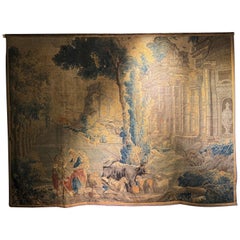
17th century Antique Aubusson/Gobelin tapestry, France Architectural landscape, silk Antique Museal Aubosson tapestry made of silk and partly wool. Very fine and antique design. Dep...

Category

17th Century French Antique Baroque Furniture

Materials

Wool, Silk

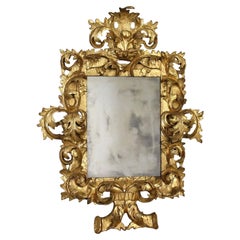
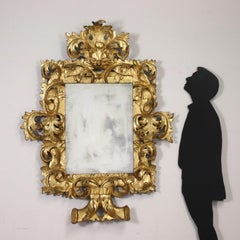
Baroque Wall Mirror, Gilded Wood Frame, Italy, Late 17th Century

Baroque Wall Mirror, Gilded Wood Frame, Italy, Late 17th Century

Located in Milano, IT

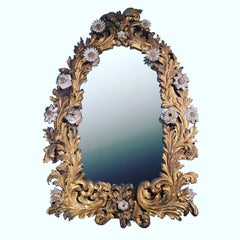
Baroque mirror, the frame is carved with powerful leafy volutes, it is entirely gilded; with lacks and restorations.

Category

Late 17th Century Italian Antique Baroque Furniture

Materials

Mirror, Wood

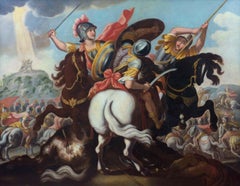
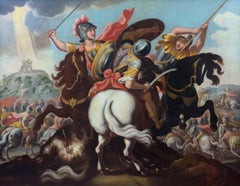
Antonio Tempesta (circle of) (1555 - 1639) - Clash of Horsemen 172.5 x 222 cm

Antonio Tempesta (circle of) (1555 - 1639) - Clash of Horsemen 172.5 x 222 cm

By Antonio Tempesta

Located in Madrid, ES

Antonio Tempesta (circle of) (1555 - 1639) - Clash of Horsemen Oil on canvas 172.5 x 222 cm The work belongs to the early Baroque period, but retains clear references to the langua...

Category

16th Century Italian Antique Baroque Furniture

Materials

Paint

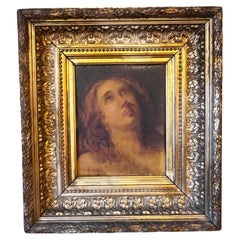
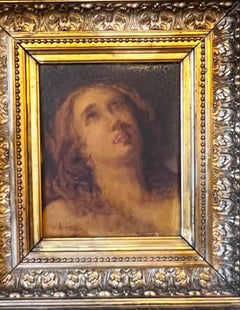
Antique Painting John the Baptist Oil on Wood by Saint-Cyr Anduze 1880

Antique Painting John the Baptist Oil on Wood by Saint-Cyr Anduze 1880

Located in Doha, QA

The beautiful and intriguing 19th century portrait of John the Baptist, oil on wood, in style of Francisco Goya, signed lower left by French painter Saint Cyr Anduze. The painting i...

Category

Mid-19th Century French Antique Baroque Furniture

Materials

Canvas

Couple of Italian Paintings Depicting Capricci, Francesco Aviani ‘1662-1715’

Couple of Italian Paintings Depicting Capricci, Francesco Aviani ‘1662-1715’

Located in IT

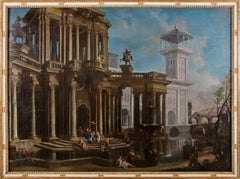
Francesco Aviani (Italy - Venice, 25-11-1662 / 1715) att. Couple of paintings depicting Capricci Oil on canvas, 135 x 183 cm, without frame The two large and fine paintings depict two illusionistic architectural renderings, with views of colonnades and arched buildings, animated by figures. The compositions are characterized by the harmony with which the painter introduces the sumptuous architectural monuments, the mirrors of water, the buildings in the distance and the views of the landscape. Dominates with a color on the tones of brown and ochre that stands out on the blue sky, marked by some cloud of steam. The insertion of the figures to enliven the architectural views also balances with the set. The Capriccio, an artistic genre that has made its way into Italian painting since the 17th Century, is characterized by the representation of fantastic architectures or prospective inventions, sometimes combined with elements drawn freely from reality. The two paintings are an example of this type and they are a very interesting and Fine artwork. The remarkable pictorial quality emerges both from the composition of the ensemble and from the way in which the artist describes the views with great attention to detail, highlights and refined, perfectly realistic, chiaroscuro. The same must be recognized for the figures: these are described with a wise brushstroke, quick and quick touches give the dynamism of the moment that is captured, as if time had stopped to show and narrate what is happening. The painting on the right represents a large Baroque building in stone and paved with marbles, two floors, with moving façade, large columns with corinthian columns, a large portal with a staircase with large footsteps, a balustrade with string, from which some figures appear, and two equestrian monuments in bronze. The sumptuous building overlooks a large POOL of water, with a gushing fountain, around which some characters sit. In the second floor is described a white palace from which rises a tower crowned by a structure with wrought iron loggia. In addition there is a bridge and some architectural ruins behind which some mountainous reliefs fade towards the horizon. On the staircase is described a particular scene. The people seem to be part of a very precise story. A woman, in the shadow of a parasol supported by a servant, would seem to drive out of the palace a man, who, taken under his arm by two maidens with a determined attitude, is led to a boat. The scene could be identified with the biblical episode of the parable of the prodigal son (Luke 15,11-32), at the moment when the prodigal son is robbed and driven away by the harlots. The episode tells of a man with two children. The youngest said to his father: “Father, give me the part of my inheritance”. And the father divided the substances. After not many days, the youngest son, collected his things, left for a far country and there he lost his substances with prostitutes and living as a debaucher. When he had spent everything, there came a great famine in that country and he began to find himself in need. Reduced to hunger, he was forced to be a pig herder to survive. He therefore meditated in his heart to go to his father and ask for his forgiveness and to be welcomed anew, even as a servant. While still on the road, however, the father saw him and ran towards him, receiving him with open arms. He then ordered his servants to prepare a great feast for the occasion, killing for the purpose the "fatty calf". The firstborn did not understand why his brother was given such treatment, and reminded the parent that he, who had always obeyed him, had never received a single kid to celebrate with his friends. The father answered him: «Son, you are always with me and everything that is mine is yours; but it was necessary to celebrate and rejoice, because this brother of yours was dead and came back to life, was lost and was found». The parable of the prodigal son was often portrayed in painting and the scene he finds most is certainly that of returning home in his father’s arms. Among the many is a canvas by the famous painter Giovanni Paolo Pannini (or Panini) (Italy – Piacenza, 1691– Rome, 1765) kept at the Hallsborough Gallery in London. Rather rare, however, is the scene of the prodigal son driven and robbed by harlots. There is an engraving by Hans Collaert II (1561-1620) in which this moment is described in the background compared to the moment, narratively later, in which he is penitent among the pigs. The second painting, certainly pendant of the first, represents a similar palace, with some characters overlooking the balustrade marcapiano and other figures around the large bathtub quadrilobata. In the foreground is described a monument with two large stone sculptures. In the distance some architectural elements and, beyond, the mountains are lost on the horizon. The studies related to the numerous painters of architectural views and caprices, active in Italy, and the archival documents found, which could better clarify commissions, biographies and certain works, are scarce and sporadic. Therefore there are still many difficulties in reconstructing a catalogue of autograph works for each author. Through paintings in private collections, in museums and paintings passed on the antique market it is however possible to advance some attributions in order to better delineate the various artistic figures. The style of the works studied here leads to a dating that runs between the 17th and 18th Centuries, with obvious influences dictated by the perspectives of the brothers Galli Bibiena. The analysis of the architectures and the chromatic palette suggests that we are in the presence of a northern Italian and Venetian author. Observing the decorations and the volutes, the brightness and the perspective disposition in fact, we find several analogies with those used by the Vicenza painter Francesco Aviani, excellent in pictorial perspective and architectural views. The biographical profile of Francesco Aviani (Italy - Vicenza, 1662-1715) was essentially traced in 1956 by Andreina Ballarin, then re-visited by Federica Spadotto in 2014 and Giancarlo Sestieri in 2015. Certain documents about his life are scarce, as are the documented works. He was born in Venice, probably on 25 November 1662, to Bernardo and a Magdalene whose surname is unknown, and was baptized on 3 December 1662. Between 1701 and 1703 he worked, together with his brother MarCo, sculptor, for the fresco decoration (now illegible) of the church villa in Soella (Vicenza). On October 16, 1703 he married Isabella Carcano. On March 26, 1715 he made a will and died on April 3 of the same year, in Vicenza. The frescoes in the refectory of the sanctuary of Monte Berico in Vicenza are considered authentic works by Aviani, probably made in 1708; the paintings preserved in the Civic Museum of Vicenza: “Landscape with Lazzaro and the rich Epulone”; “Christ among the doctors”; “The miraculous fishing”, works not datable but with attribution corroborated by style. In addition, the frescoes in the east and west corridors of the Villa La Rotonda, near Vicenza; the fresco in the apse basin of the chapel of the church S. Croce, Vicenza, now destroyed; the frescoes of the central hall of Villa Camerini a Montruglio (1714) and a painting of a “Porto Regio”, of which we have a print engraved by Dall'Acqua. From his works emerges the artistic background that animated the Venetian culture in the early eighteenth century. The scenic grandeur with which Aviani treats the architecture also suggests a stay in Emilia of the painter, in which he could have come into contact with the environment of the Bibiena. These contacts would be confirmed by the press of Cristoforo Dall'Acqua (Vicenza 1734-1787), “Il porto regio”, after a painting of Aviani. The press was part of a group of engravings, representing royal buildings, reproducing paintings of the Bibiena. In the eyes of Dall’Acqua, therefore, Aviani’s work was not foreign among those of the Emilians. Inside the sumptuous architectural whims, Aviani often depicts biblical scenes, in which the characters share the space and the narrative rhythm, along with figures drawn from everyday scenes, memories of the Veronese and Bassano heritage. Also in the works covered by this study the author does not seem to want to give up a biblical subject, though the purpose of the paintings appears to be clearly a staging scenography-architectural within which the characters are relegated to the role of extras. From the examination of the architectural Capriccio gathered under the name of Aviani then emerge common elements. The comparison between these works and the works in question highlights the proximity of the compositions. The imposing and scenic architectures are in fact equally characterized by the perspective-scenographic ability diffused in emilian “quadraturisti” and in Bibiena work. In fact, you can see the spectacular slender architecture in the lower part, the loggias that create chiaroscuro games with arches and binate columns placed on massive bases and overhung by projecting cornices. Significant also the comparison with two paintings with architectural whims in a night vision attributed to Francesco Aviani. In Aviani’s works it is possible to find a certain knowledge of the Roman Codazzi paint nd its early development of the eighteenth century, developed with the Locatelli, the Pannini and the less known Domenico Roberti. To Roberti have been recently attributed two works that have some compositional affinity with the canvases in question. The same can be done for a work on the antique market, attributed to Pietro Francesco...

Category

Late 17th Century Italian Antique Baroque Furniture
Materials

Canvas

Pair of Antique Neoclassical Carved Cherubs

Pair of Antique Neoclassical Carved Cherubs

Located in Wormelow, Herefordshire

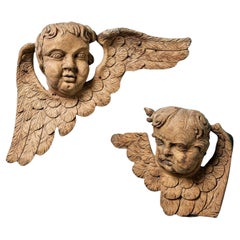
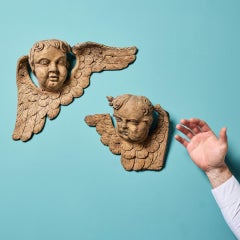
A striking and competently carved pair of antique neoclassical carved cherubs. Crafted in oak, these neoclassical sculptures depict detailed handcarved faces of cherubs or putto sup...

Category

Mid-19th Century Italian Antique Baroque Furniture
Materials

Wood, Oak

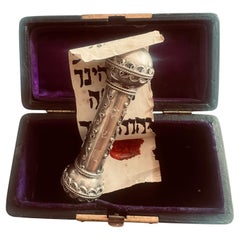
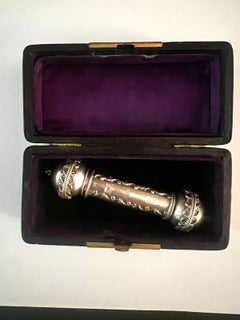
Antique Judaica Sterling Silver Mezuzah with a Scroll in Original Box ca 1890

Antique Judaica Sterling Silver Mezuzah with a Scroll in Original Box ca 1890

Located in Doha, QA

This is an outstanding and extremely rare hand crafted, solid sterling silver Mezuzah in the original leather and dark purple velvet box. It was made in Vienna, Austria between 1890 ...

Category

Late 19th Century Austrian Antique Baroque Furniture

Materials

Sterling Silver

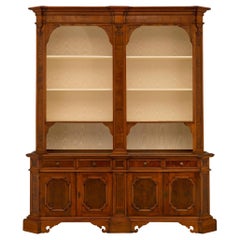
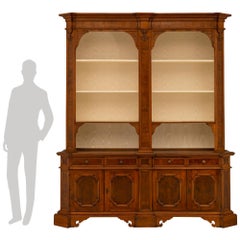
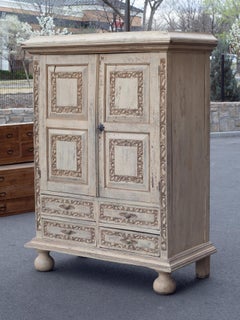
An Italian 18th century Baroque st. walnut cabinet

An Italian 18th century Baroque st. walnut cabinet

Located in West Palm Beach, FL

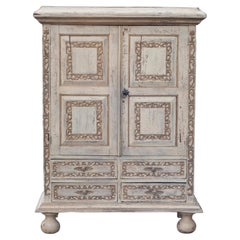
A handsome Italian 18th century Baroque st. Walnut cabinet/bookcase. The two door two drawer cabinet is raised by an elegant mottled stepped base below superb column like designs lea...

Category

18th Century Italian Antique Baroque Furniture
Materials

Walnut

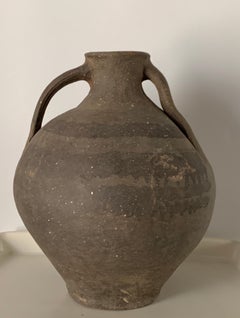
18th Century Rare Terracotta Hand Carved French Biot Pot

18th Century Rare Terracotta Hand Carved French Biot Pot

Located in Miami, FL

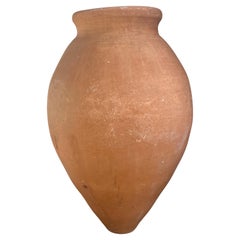
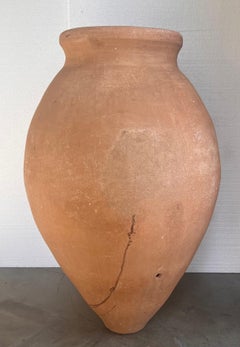
This fabulous handmade terracotta pot originated in the Provençal town of Biot and was used to store olive oil. In perfect condition, the photos show the pot in sunlight. These pots ...

Category

1780s French Antique Baroque Furniture

Materials

Terracotta

Italian Baroque Period  Drawing of the Head of John The Baptist

Italian Baroque Period Drawing of the Head of John The Baptist

Located in Hudson, NY

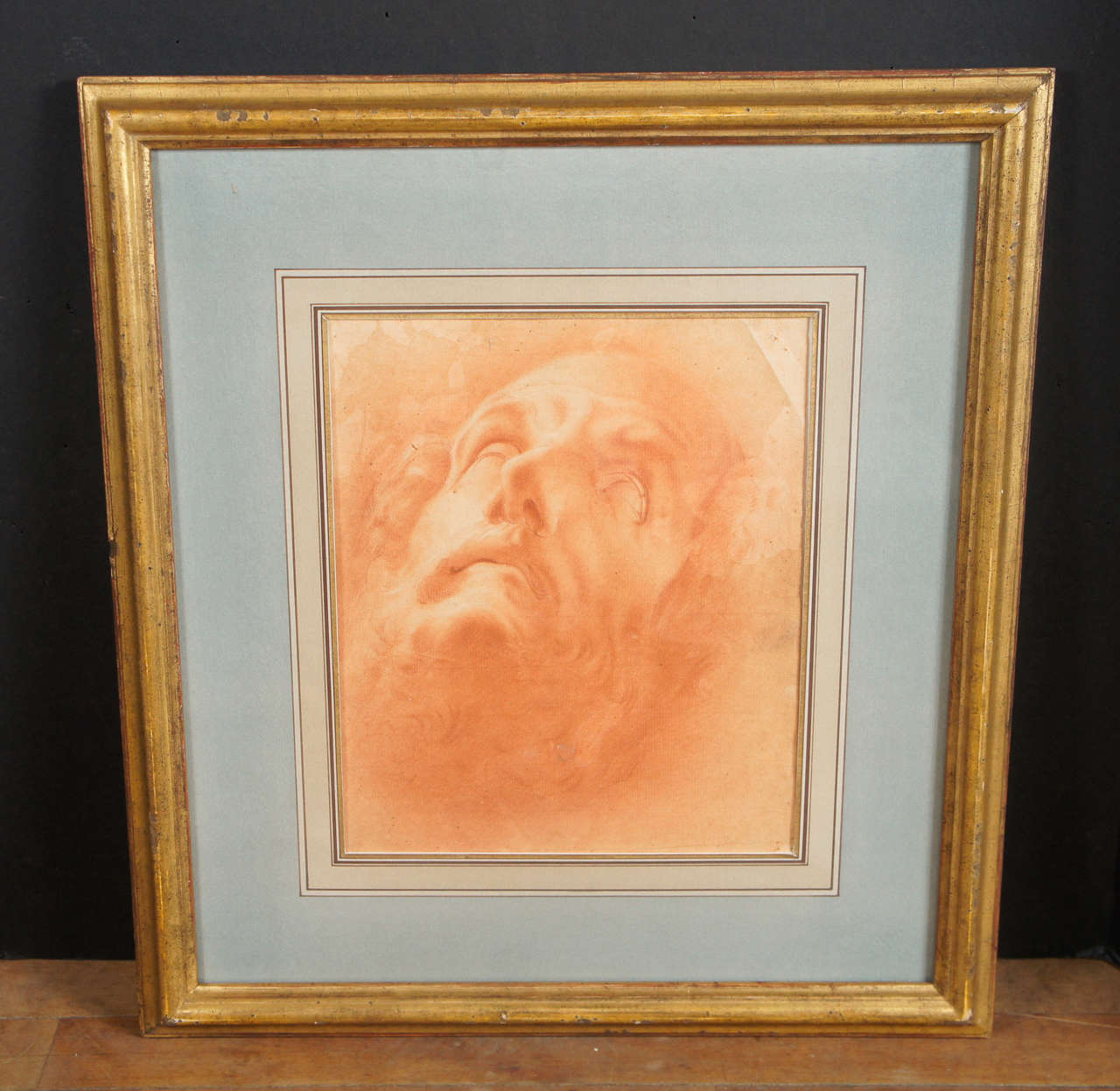
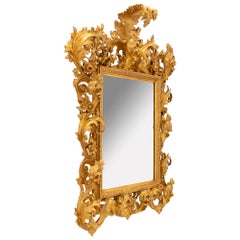
This very fine drawing from the early Baroque period is in Sanguine on laid paper. this Italian drawing in a rich brown-red is framed in a fine old gilded frame...

Category

Early 18th Century Italian Antique Baroque Furniture
Materials

Paper, Wood

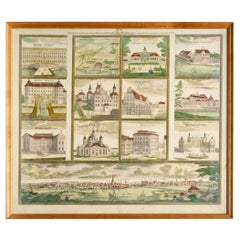
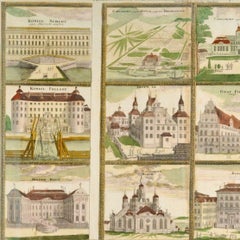
Johann Baptist Homann Hand-Colored Engraving of Stockholm City and Port 1730

Johann Baptist Homann Hand-Colored Engraving of Stockholm City and Port 1730

By Johann Baptist Homann

Located in Morristown, NJ

Johann Baptist Homann (1663–1724) “Prospect der Königl: Schwed: Haupt und Residenz-Stadt Stokholm” Hand-colored engraving, circa 1730 A finely detailed early 18th-century engraved v...

Category

1730s Swedish Antique Baroque Furniture

Materials

Glass, Wood, Giltwood, Paper

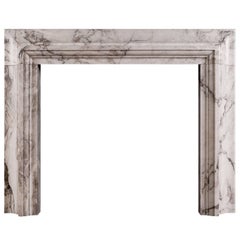
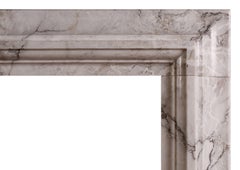
Stylish Italian Fireplace in Arabescato Marble

Stylish Italian Fireplace in Arabescato Marble

Located in London, GB

A stylish Italian fireplace in Italian Arabescato marble. Moulded frieze and jambs of architectural form. A copy of an original chimneypiece. N.B. May be subject to an extended lead...

Category

21st Century and Contemporary Italian Baroque Furniture

Materials

Carrara Marble

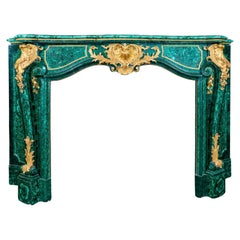
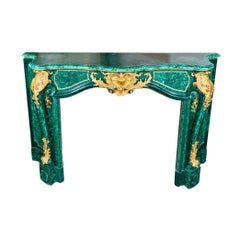
Louis XIV Style Gilt Bronze and Malachite Fireplace

Louis XIV Style Gilt Bronze and Malachite Fireplace

Located in Dallas, TX

This French Marble Mantel from the 20th century is a luxurious addition to any home. Crafted in the elegant Louis XIV style, it features stunning malachite stone in a beautiful emera...

Category

20th Century French Baroque Furniture

Materials

Malachite, Ormolu

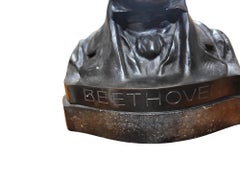
C19th Bronze Bust of Beethoven

C19th Bronze Bust of Beethoven

Located in London, GB

Antique Bronze Composer Ludwig van Beethoven on a Marble Base Sumptuous Detail

Category

Late 19th Century Unknown Antique Baroque Furniture

Materials

Bronze

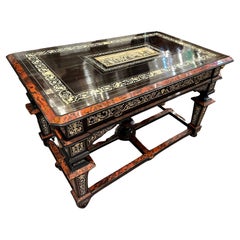
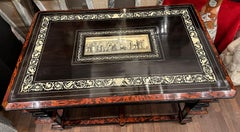
A Rare 19th Century Inlaid Table by Ferdinando Pogliani

A Rare 19th Century Inlaid Table by Ferdinando Pogliani

By Ferdinando Pogliani

Located in GB

A truly stunning Italian inlaid table with intricately drawn pen work to the sides and top by renown Cabinetmaker Ferdinando Pogliani. It has a st...

Category

Late 19th Century Italian Antique Baroque Furniture
Materials

Ivory, Tortoise Shell, Ebony

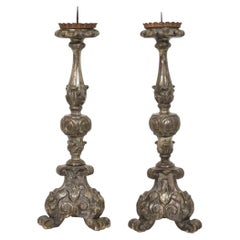
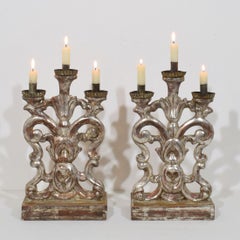
Pair of 18th Century Antique Italian Silver Gilt Wood Candlesticks

Pair of 18th Century Antique Italian Silver Gilt Wood Candlesticks

Located in Buisson, FR

An exceptional pair of antique European hand-carved solid wood candlesticks, dating to circa 1740–1760. Standing at an impressive height of 66.5 cm, this unique pair captures the the...

Category

18th Century Italian Antique Baroque Furniture
Materials

Wood

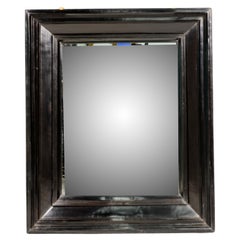
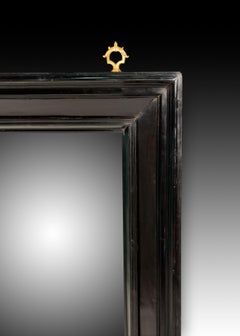
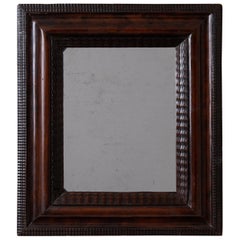
Frame. Ebonized wood, metal. Dutch School, 17th  century.

Frame. Ebonized wood, metal. Dutch School, 17th century.

Located in Madrid, ES

Frame. Ebonized wood, metal. Dutch School, 17th century. It has faults. Slightly rectangular frame made of ebonized wood and decorated with a series of smooth moldings of varying w...

Category

17th Century European Antique Baroque Furniture

Materials

Other

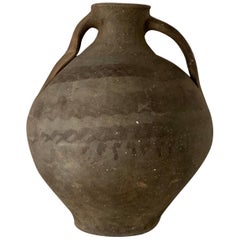
18th Bridal Jug Grey Picher "Cantaro" from Calanda, Spain, Terracotta Vase

18th Bridal Jug Grey Picher "Cantaro" from Calanda, Spain, Terracotta Vase

Located in Miami, FL

Rare grey pitcher ‘cantaro’ from Calanda, Aragon-Zaragoza area of Spain. A rare piece from a Private collection, circa 1750. Other examples can be seen in...

Category

Mid-18th Century Spanish Antique Baroque Furniture

Materials

Terracotta

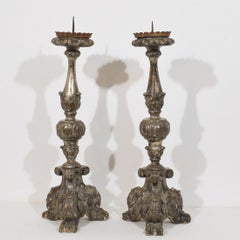
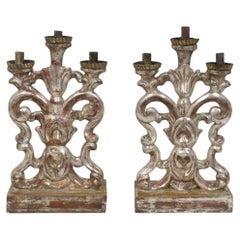
18th Century Italian Baroque Carved Silver-Gilt Three-Light Candlesticks

18th Century Italian Baroque Carved Silver-Gilt Three-Light Candlesticks

Located in Buisson, FR

An elegant pair of mid-18th-century Italian Baroque silver-gilt candelabra, dating circa 1740–1770. Originally created as a facing pair for a private chapel altar or an aristocratic ...

Category

18th Century Italian Antique Baroque Furniture
Materials

Wood

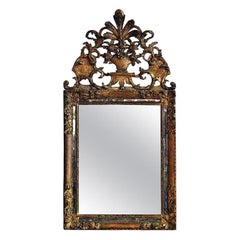
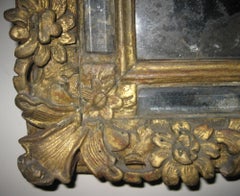
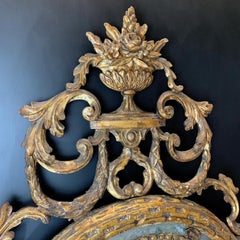
18th Century French Baroque Giltwood Mirror with Floral Carvings

18th Century French Baroque Giltwood Mirror with Floral Carvings

Located in Savannah, GA

French Baroque style giltwood mirror with elaborately carved floral decoration crowned with a basket of flowers on a pedestal boasting fanciful scroll-work. Original distressed glass...

Category

18th Century French Antique Baroque Furniture

Materials

Mirror, Giltwood

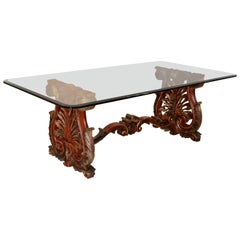
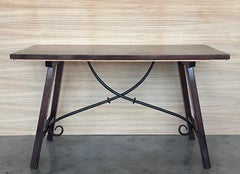
19th Century Italian Painted Coffee Table

19th Century Italian Painted Coffee Table

Located in High Point, NC

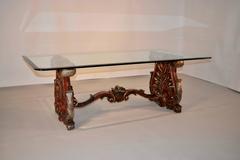
19th century hand-carved and painted wooden coffee table from Italy. The end supports are trestle shaped and are finely carved with acanth...

Category

19th Century Italian Antique Baroque Furniture
Materials

Glass, Fruitwood, Paint

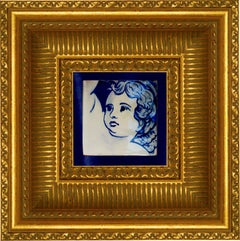
Cobalt Blue Hand-Painted Baroque Cherub or Angel Portuguese Ceramic Tile Azulejo

Cobalt Blue Hand-Painted Baroque Cherub or Angel Portuguese Ceramic Tile Azulejo

Located in Coimbra, PT

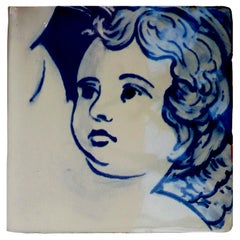
Gorgeous blue hand painted Baroque cherub or angel 18th century style Portuguese ceramic tile/azulejo The tile painted in cobalt blue over white in typical 18th century Portugal set ...

Category

Late 20th Century Portuguese Baroque Furniture

Materials

Delft, Faience, Terracotta

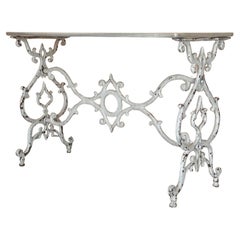
19th Century Antique Italian Polychrome Wood Baroque Style Sculpture on Stand

19th Century Antique Italian Polychrome Wood Baroque Style Sculpture on Stand

Located in Buisson, FR

A monumental and exceptionally elegant 19th-century antique Italian wood ornament in the grand Baroque taste, dating to circa 1850. Masterfully hand-carved with superb depth, this fr...

Category

19th Century Italian Antique Baroque Furniture
Materials

Wood

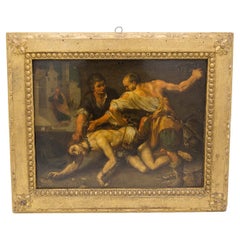
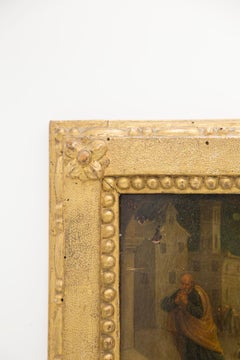
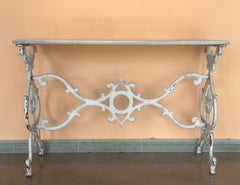
Caravaggesque Oil on Copper "Flagellation of Christ" Baroque Sicilian, 17th Cent

Caravaggesque Oil on Copper "Flagellation of Christ" Baroque Sicilian, 17th Cent

By (After) Caravaggio

Located in Milano, IT

Splendid 17th-century Italian painting by unknown artist, but certainly a follower of Caravaggio, relying on style and drawing. The painting has a very beautiful gilded wooden frame, with a subtle greek with spheres and an overlying rectangular frame with sinuous flowers on each corner, very elegant and beautiful. The painting depicts one of the most depicted religious scenes ever, the scourging of Christ, and is entirely done in oil on copper. The scourging of Jesus is an episode narrated in the Gospels (Mk15:15-16; Mt27:26-27; Lk23:16-26; Jn19:1-17[1]). Scourging is a flogging, particularly bloody, by means of sticks, rods or cat-o-nine-tails, the latter instrument consisting, in the Roman typology, of a short stick to which were secured several strings ending in metal claws, leads and bone splinters that caused tremendous lacerations and fractures to the tortured person. Chains are used in this scene, both to immobilize Jesus Christ and to flog him, as we can see in the upper right hand of the scourger. According to some personal research, it turned out that the actual scourging of Christ was mostly depicted at the column, while this Christ is on the ground, so presumably Christ here is scourged during the Way of the Cross at one of those stages where he fell. The painting has a very dark coloring, which is why this painting is believed to faithfully follow Caravaggio's style of dry, authoritarian brushstrokes. The painting shows a figure agonizing on the ground that continues to receive beatings and floggings of all kinds, representing Christ; his face is crucified in a loquacious expression of pain, he turns his eyes to heaven as if to invoke God, but at the same time those same eyes admonish the wickedness and arrogance inherent in humanity. Christ has one hand resting on the ground in the act of holding himself, while the other takes a completely unnatural stance against the barren ground. His body appears hardened to wanting to parry the blows, his legs are curled up on his knees as he takes kicks from the soldier above him. Christ is depicted pinned down from the neck with a very large and strong black iron bolt held by the other soldier. The soldier on the right in the foreground wears a one-shoulder tunic with an orange tunic and blue pants. On his feet he wears gray shoes, at his waist he has a belt with an iron helmet...

Category

17th Century Italian Antique Baroque Furniture
Materials

Copper

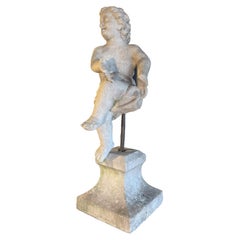
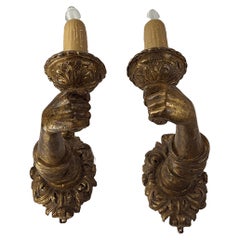
18th Century Italian Antique Marble Dancing Putto on a base

18th Century Italian Antique Marble Dancing Putto on a base

Located in Encinitas, CA

Italian Antique 18th century dancing putto marble statue. The sculpture features a small dancing Angel 'Putto" supported on a marble block with wonderful...

Category

Mid-18th Century Italian Antique Baroque Furniture
Materials

Marble

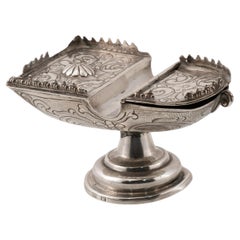
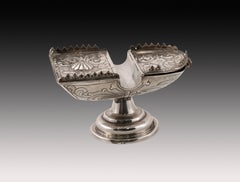
Small nave. Silver. SANZ DE VELASCO, Juan Antonio. Valladolid, Spain, 18th cent

Small nave. Silver. SANZ DE VELASCO, Juan Antonio. Valladolid, Spain, 18th cent

By Juan Antonio Sanz de Velasco

Located in Madrid, ES

Small nave. Silver. SANZ DE VELASCO, Juan Antonio. Valladolid, Spain, 18th century. With contrasting marks. It has repairs at the base and flaws in the cresting. Small nave with a...

Category

18th Century Spanish Antique Baroque Furniture

Materials

Silver

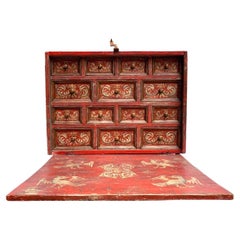
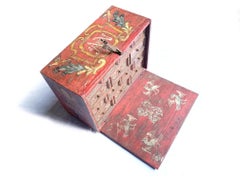
Late 18th Century Spanish Colonial Bargueño

Late 18th Century Spanish Colonial Bargueño

Located in Rio De Janeiro, BR

This late 18th-century Peruvian bargueño is an outstanding example of Spanish Colonial craftsmanship, featuring vibrant hand-painted decoration and intricate hardware. The front pane...

Category

Late 18th Century Peruvian Antique Baroque Furniture
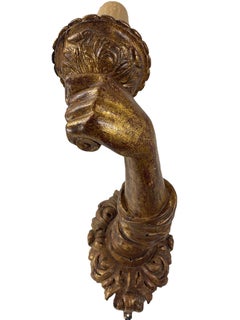
Materials

Wrought Iron

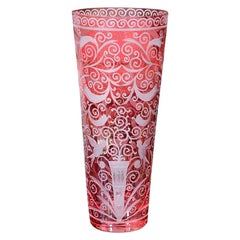
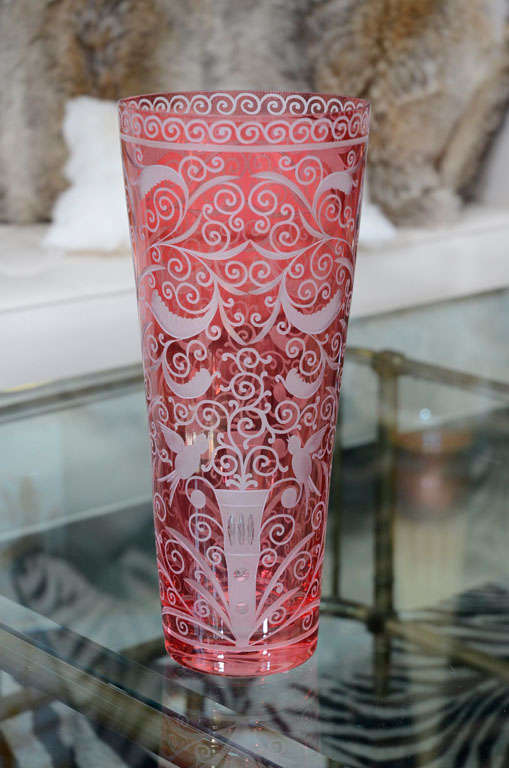
Hand Engraved Baroque Crystal Vase, Czech Republic, Red, Tall, Contemporary

Hand Engraved Baroque Crystal Vase, Czech Republic, Red, Tall, Contemporary

By Artel

Located in New York, NY

Beautiful hand engraved crystal contemporary vase. The pattern is Baroque style. Designed by an American, produced in Czech Republic.

Category

21st Century and Contemporary Czech Baroque Furniture

Materials

Blown Glass

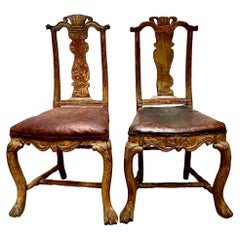
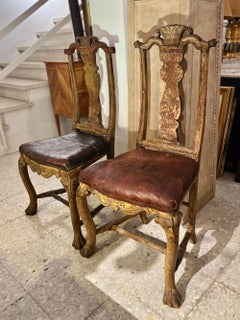
Hand-Carved Swedish Baroque Chairs, Giltwood & Leather, 18th Century

Hand-Carved Swedish Baroque Chairs, Giltwood & Leather, 18th Century

Located in Madrid, ES

Elegant pair of hand-carved Swedish Baroque chairs. Crafted in gilt and polychrome wood, the chairs feature a vase-shaped splat crowned with a carved shell or fan crest — a refined e...

Category

Mid-18th Century Swedish Antique Baroque Furniture

Materials

Leather, Wood

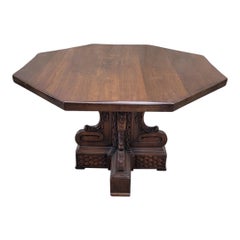
Antique Italian Baroque Style Carved  Mahogany Octagonal Center/Library Table

Antique Italian Baroque Style Carved Mahogany Octagonal Center/Library Table

Located in Chicago, IL

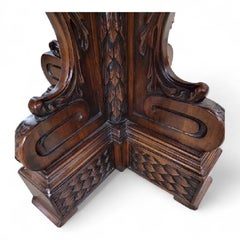
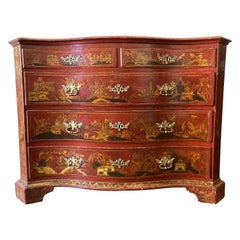
Antique Italian Baroque Style Finely Carved Ornate Mahogany Octagonal Center/Library Table This exquisite antique Italian Baroque style octagonal center/library table showcases fine...

Category

Late 19th Century Unknown Antique Baroque Furniture
Materials

Mahogany

Italian 19th century Baroque st. Specimen Marble and Giltwood coffee table

Italian 19th century Baroque st. Specimen Marble and Giltwood coffee table

Located in West Palm Beach, FL

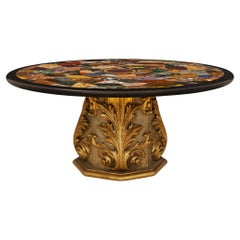
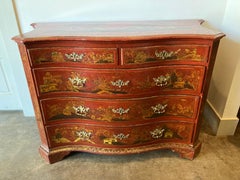
An impressive and most decorative Italian 19th century Baroque st. Specimen Marble and Giltwood coffee table. This exceptional table is raised on an octagonal base with a mottled Gil...

Category

19th Century Italian Antique Baroque Furniture
Materials

Marble

18th Century Swedish Baroque White Painted Hand Carved Cabinet

18th Century Swedish Baroque White Painted Hand Carved Cabinet

Located in Fort Collins, CO

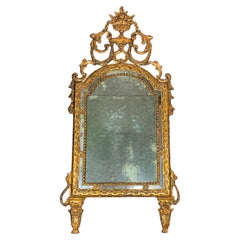
Stunning late 18th century baroque Swedish cabinet. Dating anywhere between 1790 to 1850, this is a beautiful later example of Swedish baroque craftsmanship. The cabinet features tw...

Category

Late 18th Century Swedish Antique Baroque Furniture
Materials

Wood

Wall Mirror Swedish Walnut Baroque Brown Frame, Sweden

Wall Mirror Swedish Walnut Baroque Brown Frame, Sweden

Located in New York, NY

Wall mirror Swedish walnut Baroque brown frame, Sweden. A wall mirror made during the Baroque mirror in Sweden. Frame made from walnut. Later but ol...

Category

Early 18th Century Swedish Antique Baroque Furniture
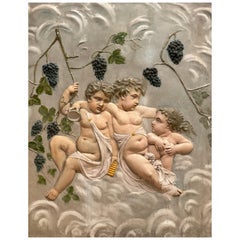
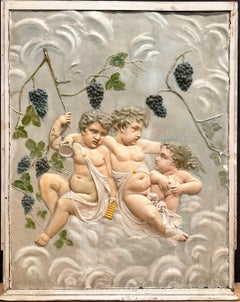
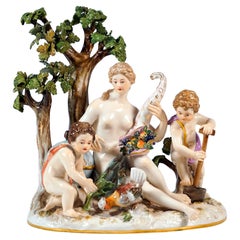
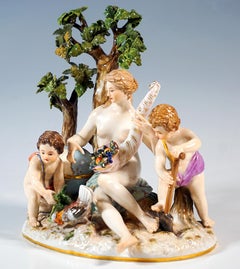
19th Century French Plaster Relief Plaque Of Young Bacchus And Putti

19th Century French Plaster Relief Plaque Of Young Bacchus And Putti

Located in Norwood, NJ

A 19th century classical and colorful plaster wall relief sculpture featuring a young Bacchus and two putti companions. Surrounded by grape vines, grapes and leaves. Sitting on cloud...

Category

Late 19th Century French Antique Baroque Furniture
Materials

Plaster

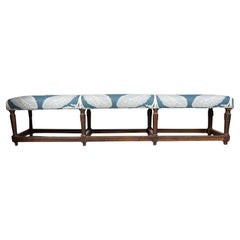
Flemish Baroque Walnut Bench

Flemish Baroque Walnut Bench

Located in Essex, MA

Unusual long size with upholstered seat and eight turned legs with box stretchers. Original old rich patina.

Category

Early 1700s French Antique Baroque Furniture
Materials

Walnut

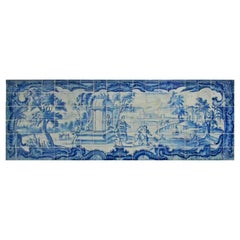
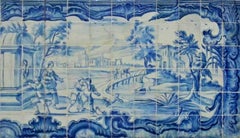
18th Century Portuguese "Azulejos" Countryside"

18th Century Portuguese "Azulejos" Countryside"

Located in Madrid, ES

Largest collection of Portuguese tiles in the world 18th century Portuguese "Troubadour" Measures: 252cm x 86 cm 108 tiles Important note: This panel is with the tiles restored 18...

Category

18th Century Portuguese Antique Baroque Furniture
Materials

Ceramic

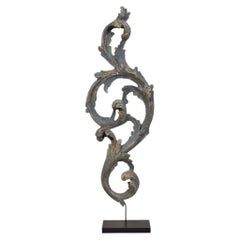
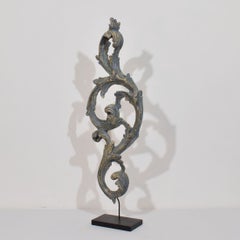
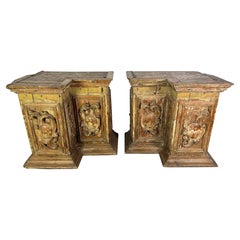
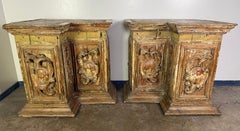
Distressed Late 18th Century Italian Architectural Wood Elements

Distressed Late 18th Century Italian Architectural Wood Elements

Located in Los Angeles, CA

A remarkable pair of late 18th century Italian architectural elements, likely salvaged from a chapel or palazzo interior. Each piece is hand-carved from wood, showcasing deeply model...

Category

18th Century Italian Antique Baroque Furniture
Materials

Gold Leaf

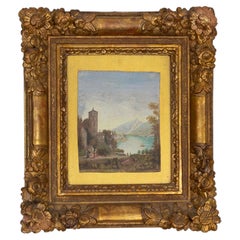
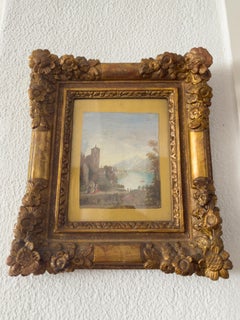
18th Century Baroque Landscape Painting of Lake Garda, Italian School

18th Century Baroque Landscape Painting of Lake Garda, Italian School

Located in Lisbon, PT

Delicate Italian School painting miniature of Lake Garda, 18th century, preserves Grand-Tour charm in a richly carved giltwood frame blooming flowers. Mounted under a giltwood with...

Category

18th Century Italian Antique Baroque Furniture
Materials

Paper

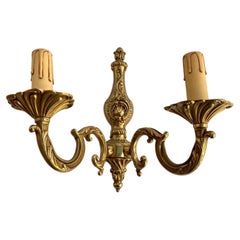
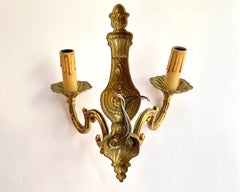
Vintage Gilt Bronze Wall Sconce In Candelabra Design, France, 1960s

Vintage Gilt Bronze Wall Sconce In Candelabra Design, France, 1960s

Located in Bastogne, BE

Vintage Twin-Arm bronze wall lamp from France imitate classic candelabra, circa 1960s. There is a mark on the sconce.

 The design of the lighting fixture contains elements of the ...

Category

1960s French Vintage Baroque Furniture
Materials

Bronze

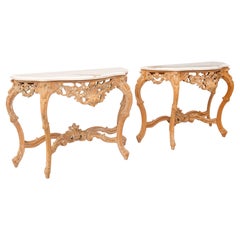
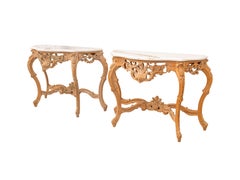
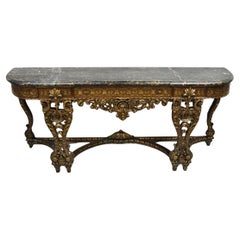
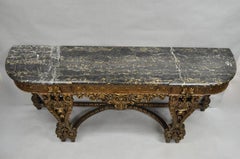
Vintage Bleached and Washed Baroque Style Console Tables with Quartz Tops, Pair

Vintage Bleached and Washed Baroque Style Console Tables with Quartz Tops, Pair

Located in Wichita, KS

Striking pair of Baroque-style console tables. Each 54-inch piece features a hand-carved frame showcasing classic acanthus leaves and central shell motifs. The traditional aesthetic ...

Category

Late 20th Century Baroque Furniture
Materials

Carrara Marble

Baroque furniture for sale on 1stDibs.
Find a broad range of unique Baroque furniture for sale on 1stDibs. Many of these items were first offered in the 21st Century and Contemporary, but contemporary artisans have continued to produce works inspired by this style. If you’re looking to add vintage furniture created in this style to your space, the works available on 1stDibs include decorative objects, case pieces and storage cabinets, tables and other home furnishings, frequently crafted with wood, metal and other materials. If you’re shopping for used Baroque furniture made in a specific country, there are Europe, Italy, and France pieces for sale on 1stDibs. While there are many designers and brands associated with original furniture, popular names associated with this style include Europa Antiques, Modenese Gastone, Delft, and Meissen Porcelain. It’s true that these talented designers have at times inspired knockoffs, but our experienced specialists have partnered with only top vetted sellers to offer authentic pieces that come with a buyer protection guarantee. Prices for furniture differ depending upon multiple factors, including designer, materials, construction methods, condition and provenance. On 1stDibs, the price for these items starts at $18 and tops out at $737,181 while the average work can sell for $4,396.