Located in West Sussex, Pulborough
Royal House Antiques
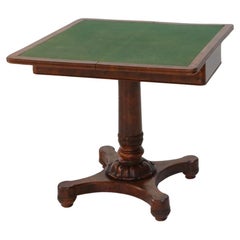
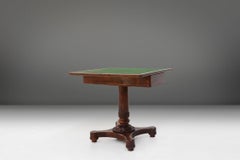
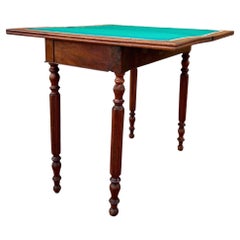
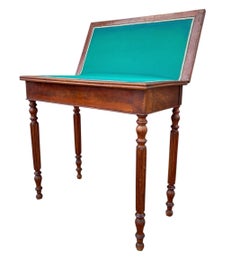
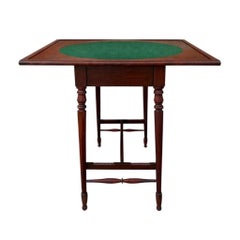
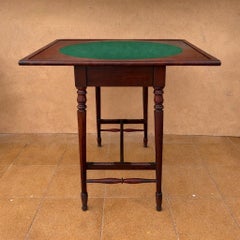
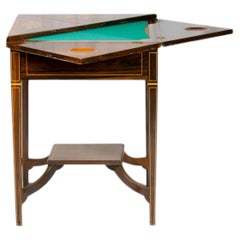
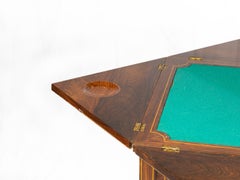
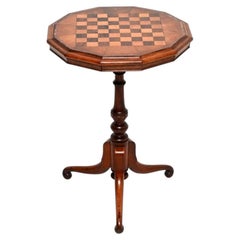
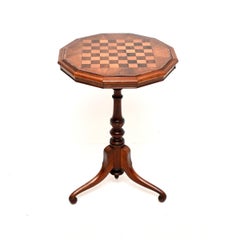
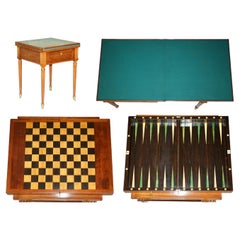
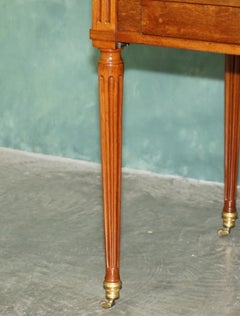
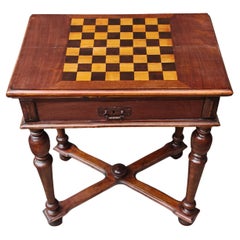
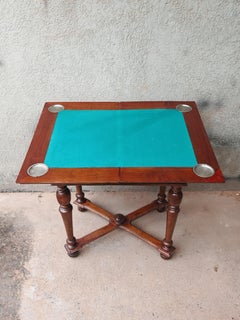
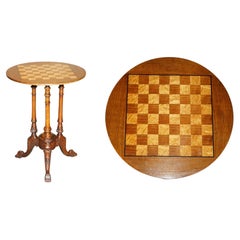
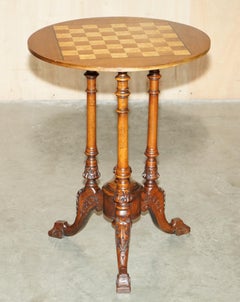
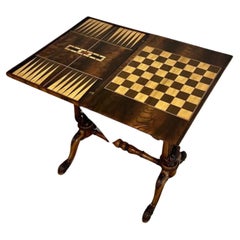
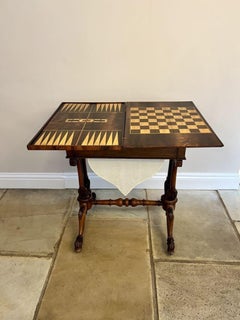
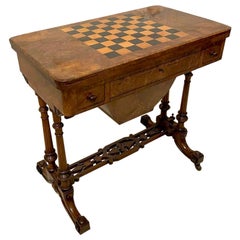
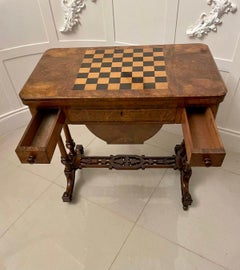
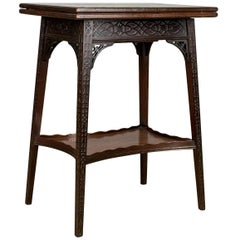
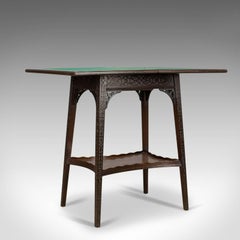
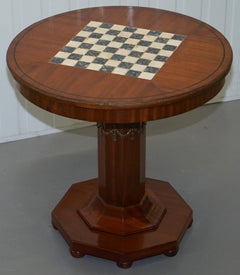
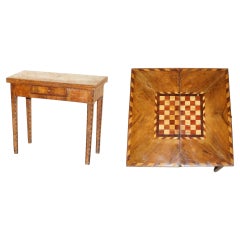
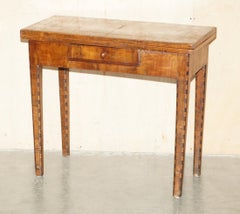
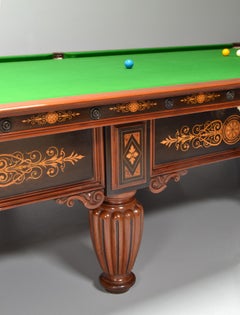
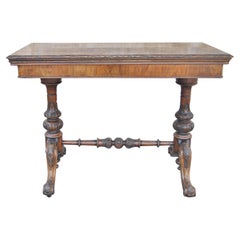
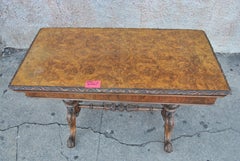
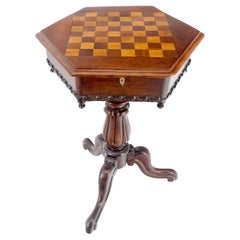
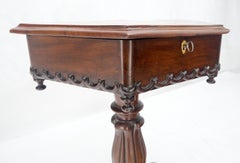
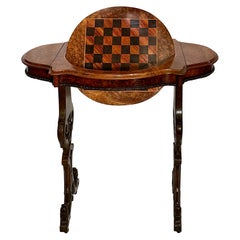
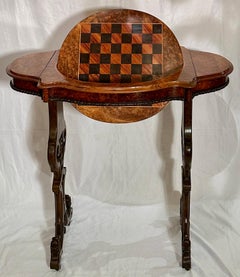
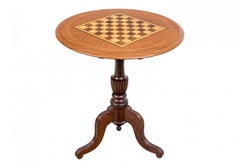
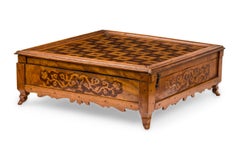
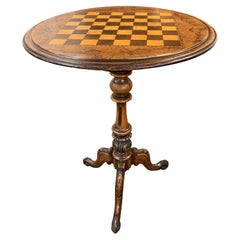
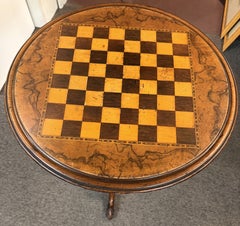
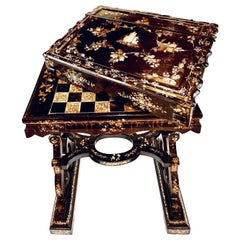
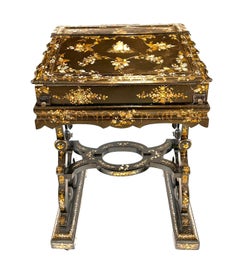
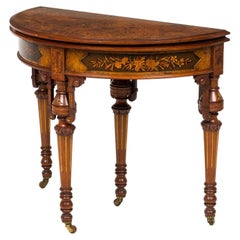
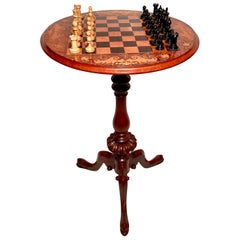
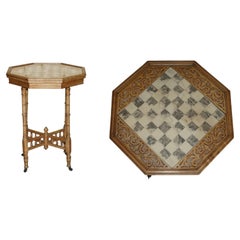
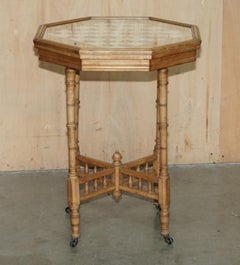
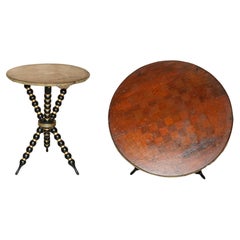
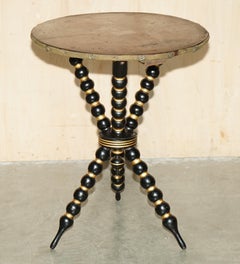
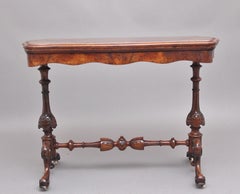
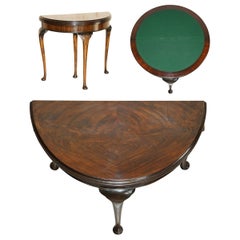
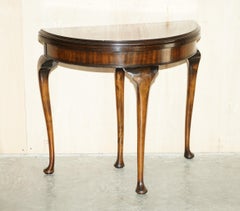
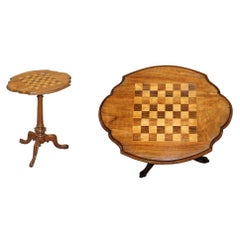
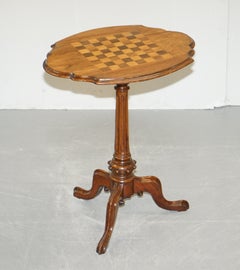
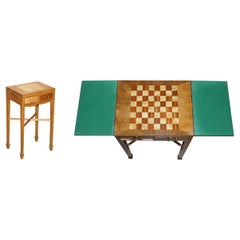
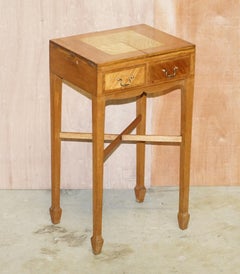
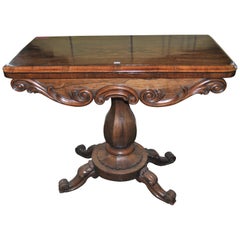
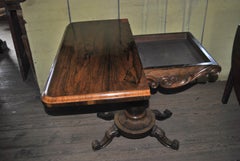
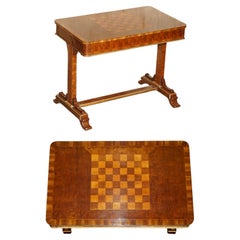
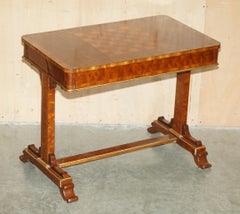
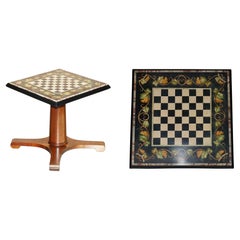
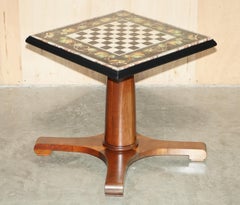
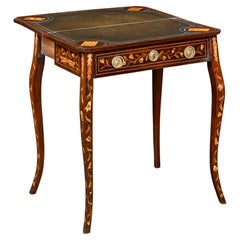
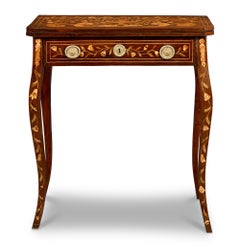
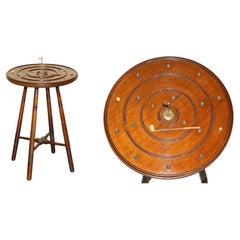
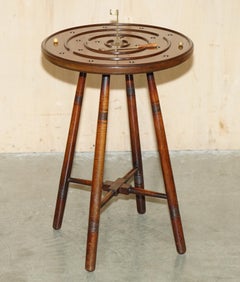
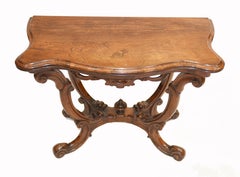
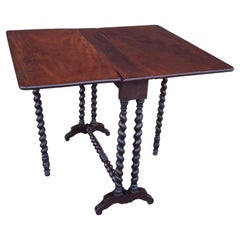
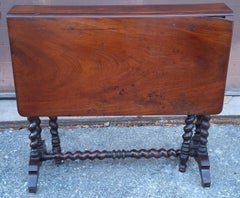
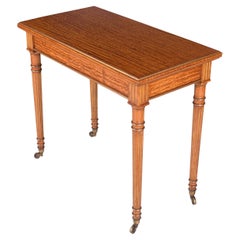
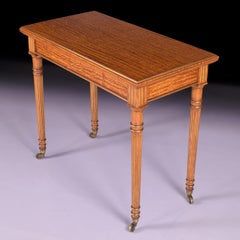
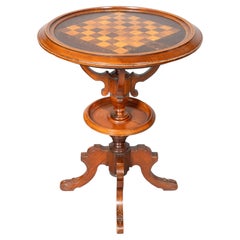
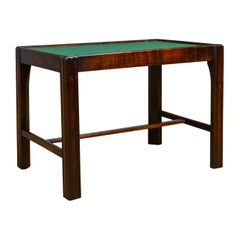
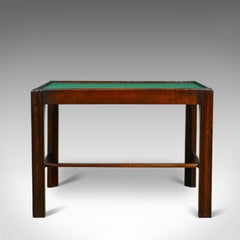
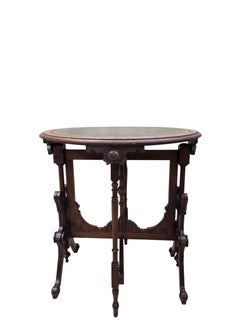
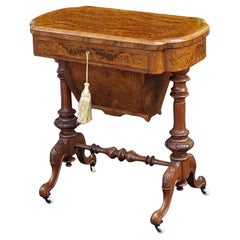
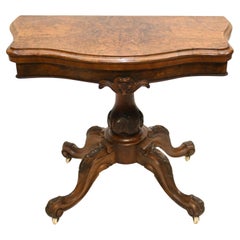
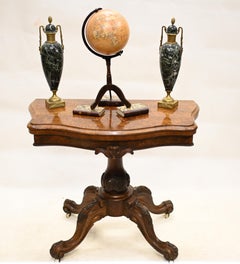
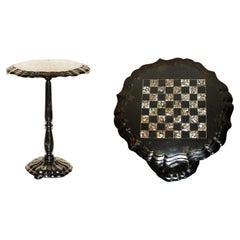
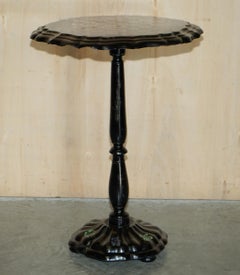
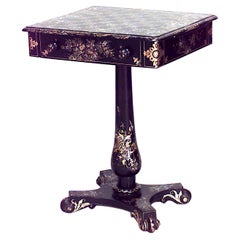
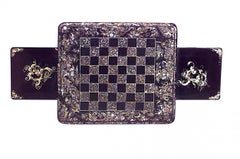
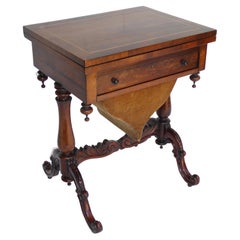
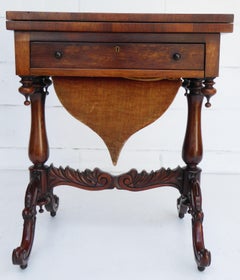
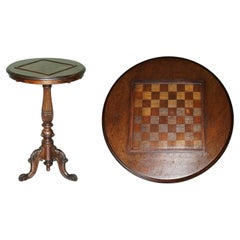
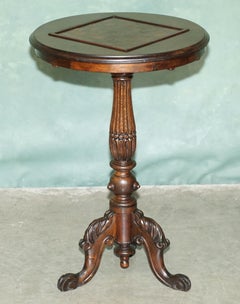
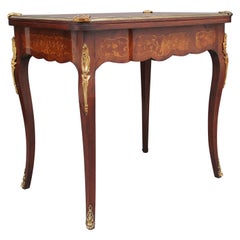
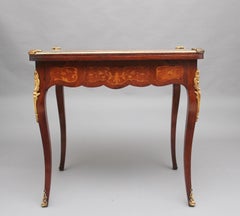
Royal House Antiques is delighted to offer for sale this lovely, super rare and highly collectable 1870 Parlour Golf table made by a collaboration between the great Edward William Godwin & William Watt which is tamped to the base WW
Please note the delivery fee listed is just a guide, it covers within the M25 only for the UK and local Europe only for international, if you would like an accurate quote, please send me your postcode and I’ll provide you with the exact price.
This is our Editors choice piece, it is the only one I have ever personally seen of this type, as such it deserves special recognition
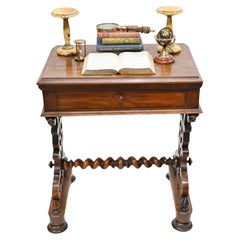
This is a very decorative and well made table, it comes with the original club, balls and removable flag, this piece is full of Victorian whimsey, as soon as I saw it I new it need adding to our collection
After some research, I have found that the maker's stamp WW refers to William Watt, a cabinetmaker who worked with architect E.W. Godwin in the late 19th century, specifically around 1870. Their collaboration is documented on pieces like a mahogany bow-back chair. William Watt's workshop was involved in the production of furniture designed by Godwin, I will include a brief biography below
In terms of the condition there will be age related patina marks here and there, to be honest its exquisite and has the period finish, what more could you ask for!
Dimensions
Height:- 62cm
Width:- 43cm
Depth:- 43cm
Please note all measurements are taken at the widest point, if you would like any additional or specific measurements please ask.
Any questions please feel free to ask before you bid.
Designers & Makers E.W. Godwin British 1833 - 1886
Over a period of twenty-five years Edward William Godwin is thought to have produced around four hundred eclectic designs, many executed in the Anglo-Japanese style which he is credited for popularising. During the mid-nineteenth century, British taste was dominated by ornately decorated furniture which created dark and heavy Victorian interiors.
Looking to Japanese arts and crafts for inspiration, Godwin began to produce furniture which celebrated rectilinear forms devoid of ornament. He never visited Japan so relied on imported goods, amassing his own collection of Japanese prints, ceramics and furniture.
His preference for elegant lines and undecorated surfaces resulted in lighter, sculptural forms, which looked forward to modern furniture design. Ebonised surfaces defined his Anglo-Japanese style, and Godwin regularly incorporated various floral and abstract motifs into furniture panels. Reducing decoration to series of turned spindles and ribbed grooves, a preference for light construction and utility dominates his work, adhering to principles of the Aesthetic Movement.
Although he is largely recognised for his Anglo-Japanese furniture, Godwin never tied himself to one style. As a result, many of his designs demonstrate an interest in Ancient Egypt and Greece, Gothic, Queen Anne and Jacobean furniture. His Anglo-Greek and Anglo-Egyptian furniture designs are characterised by inlaid and geometric-turned decoration, angled supports and splayed legs, yet retain an elegant and functional aesthetic.
Another distinguishing feature of his work is the use of solid, structured lines, akin to those seen in Japanese woodblock prints. Godwin also had an interest in Chinese decorative arts, his grid-like forms and interplay of solid and void spaces likely being inspired by Chinese hardwood furniture...
Category
1870s English Antique Victorian Game Tables