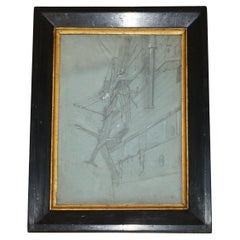
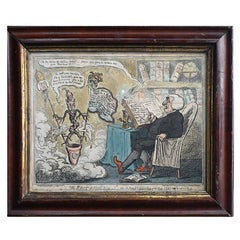
The Root of Kings Evil, 1835
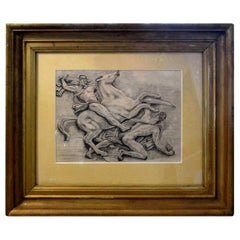
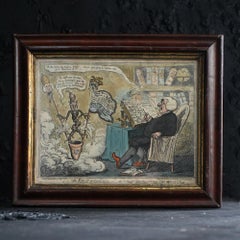
This dark image is in reference to an incident which occurred in the winter of 1821. Great Britain, struggling with economic distress after the strain of the Napoleonic Wars, was thrown into a period of intense social unrest. The middle class, who bore the brunt of the cost of the victory against France, was struggling under the newly imposed Corn Laws. Periods of famine ensued, and unemployment soared as soldiers returned from the continent looking for work. One such soldier was Arthur Thistlewood. In January of 1820, King George III died unexpectedly, precipitating a constitutional crisis, and creating the necessity of a general election. Thistlewood, aggrieved by the erratic behavior of the now dead King, and affronted by the lavish lifestyle of the prince regent, took advantage of the wave of national instability, and organized a group of 12 men to overthrow the government. They called themselves The Spenceans Philanthropists, after Thomas Spence, a schoolteacher who had been imprisoned for selling “radical” books. Now known as the Cato Street Conspiracy (named after the address of the conspirator’s den), the incident is primarily well known for having gone famously wrong, and it being the last major insurrection in Great Britain. Almost absurdly, the Spenceans planned to murder the entire cabinet, and Prime Minister, Lord Liverpool, while they were all in attendance at a dinner in Grosvenor Square. Unfortunately for Thistlewood, along with his cronies, he was informed upon, and the group was arrested on their way to the Cato Street meeting place. The group was reportedly confronted with bags in their hands, which they had brought to carry the heads of the men they intended to assassinate. Thistlewood, along with co-conspirators Thomas Preston, John Hopper, and James Watson, was convicted of High Treason, and was publicly hanged and beheaded. The other conspirators were sent to Australia. In this ghoulish image by George Cruikshank, an apparition of a demon appears to King George III from the well of a censer, as he sits in his study, reading on the subject of the history of rebellion, and specifically, the etymology of the word “Radical.” Growing from a mangled root, the demon holds lances in both hands, one run through the Holy Bible, with the severed head of the Archbishop of Canterbury impaled upon its blade, the other run through the Magna Carta...
Category
19th Century European Antique Early Victorian Drawings