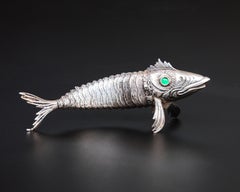
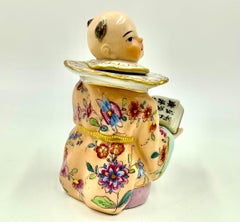
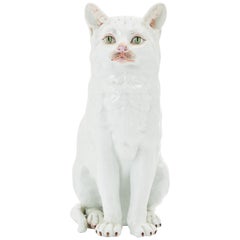
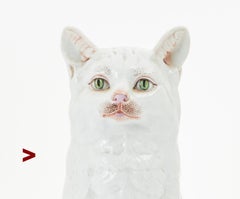
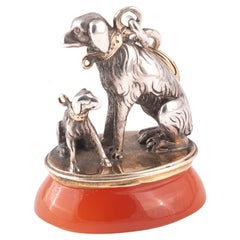
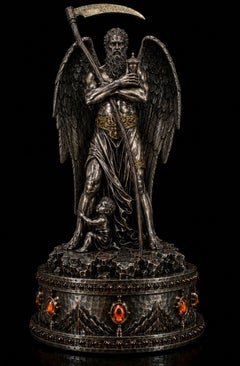
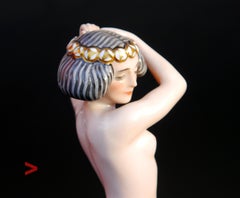
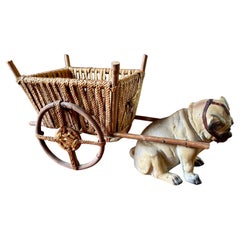
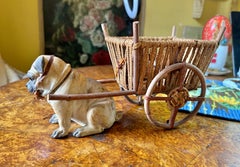
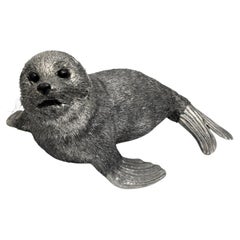
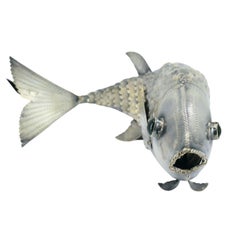
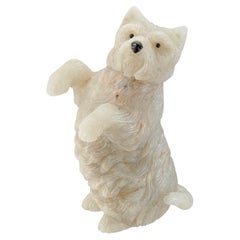
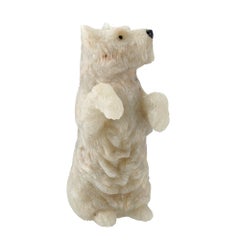
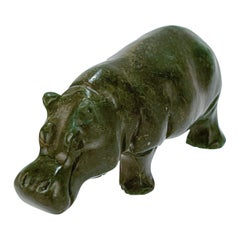
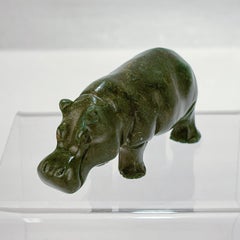
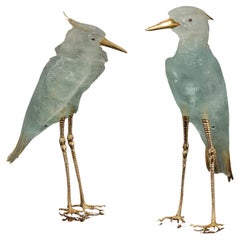
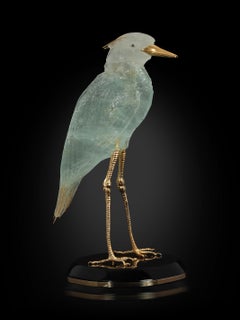
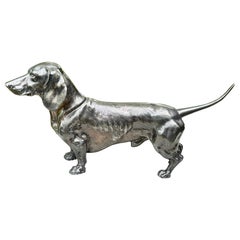
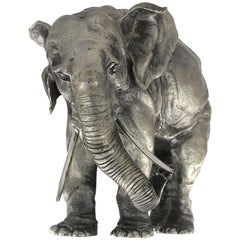
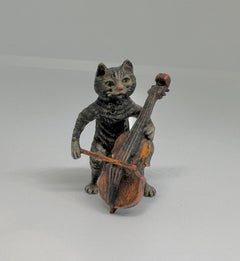
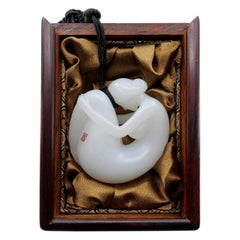
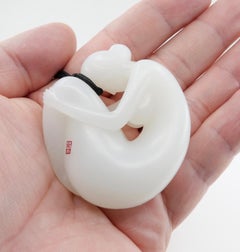
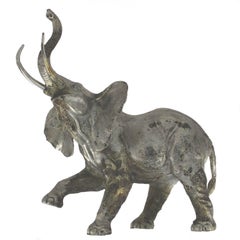
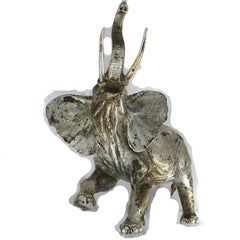
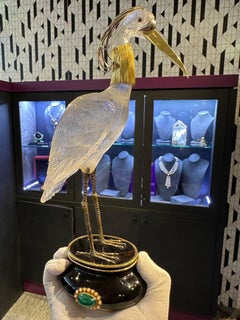
Figurines and sculptures date back tens of thousands of years to the earliest human cultures. Some of the oldest examples portrayed or symbolized people and animals, such as the famed “Lion Man of Hohlenstein-Stadel” from the Upper Paleolithic era. Rituals may have been performed using these early sculptures and figurines in the belief that they embodied what they represented. Beginning in the 19th century, animal sculpture started becoming not only fashionable but artistically validated — a trend that continues today.
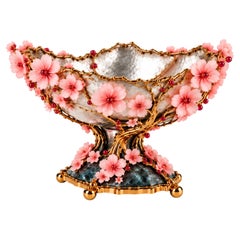
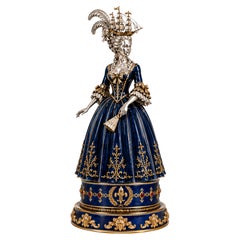
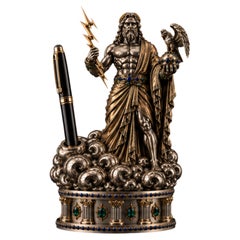
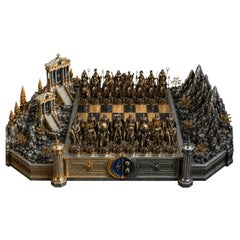
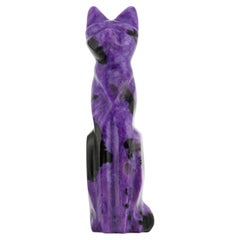
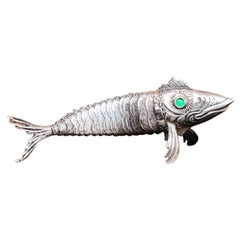
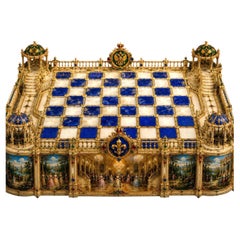
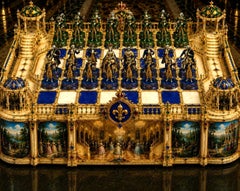
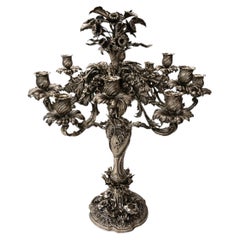
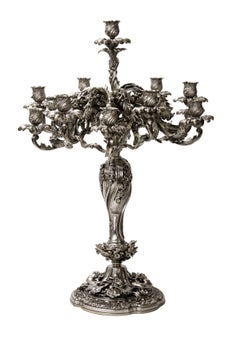
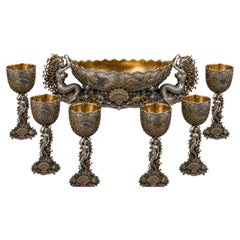
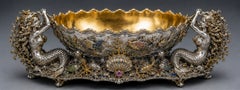
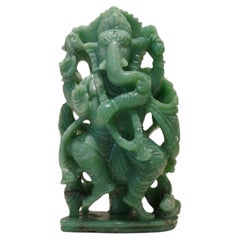
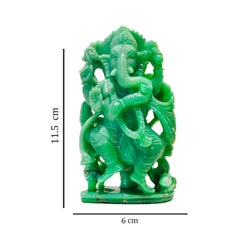
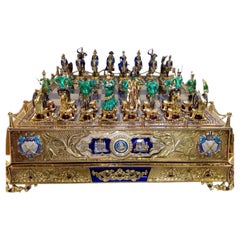
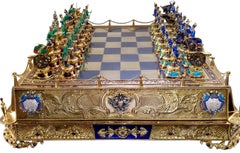
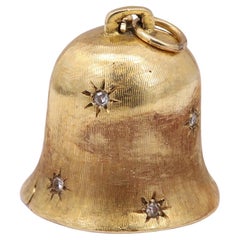
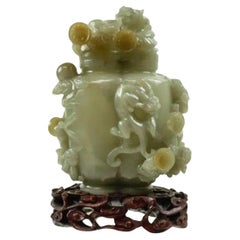
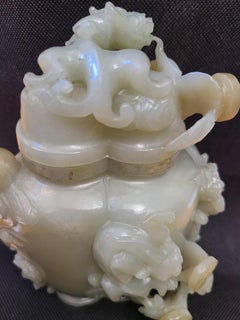
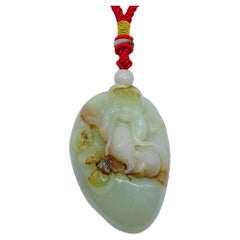
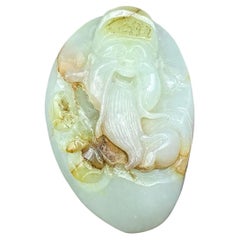
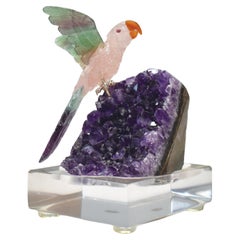
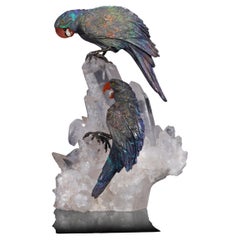
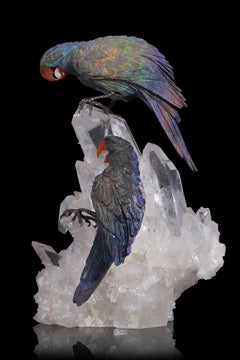
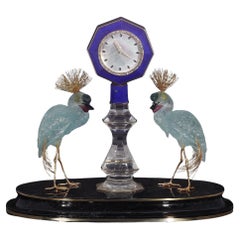
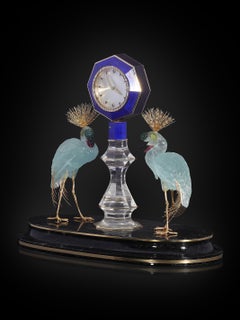
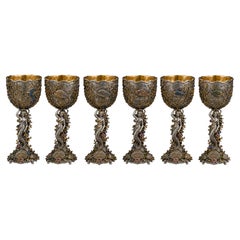
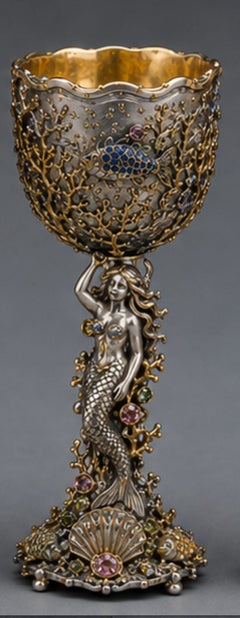
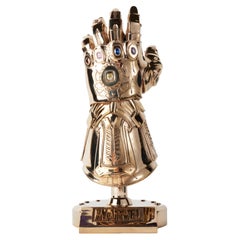
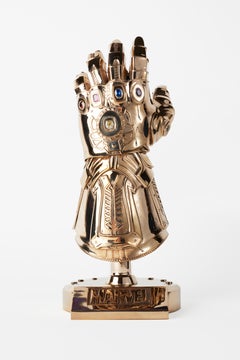
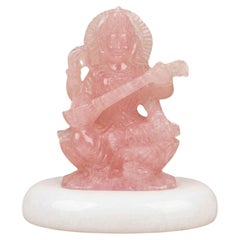
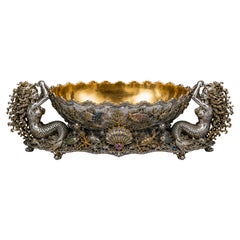
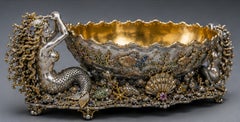
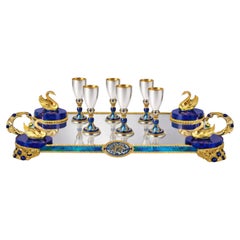
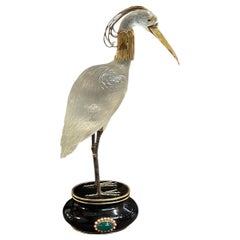
Sculptures and figurines in our modern era are made from a variety of unique materials including gold and silver, and some are adorned with precious and semiprecious stones and more, from jade and opal to diamonds and sapphires. The meaning and use of these artworks have evolved over time, but they remain important cultural objects across the world.
While in the past figurines and sculptures regularly had cultural or historical significance, others were abstract or purely decorative. Many people now display them in cabinets or on shelves in their homes to express their personality and interests, just as they do other decorative objects and collectibles.
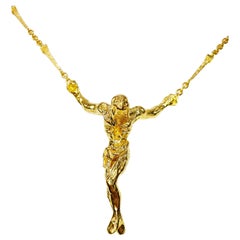
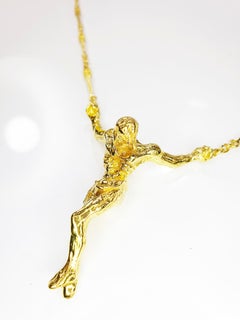
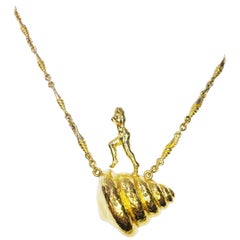
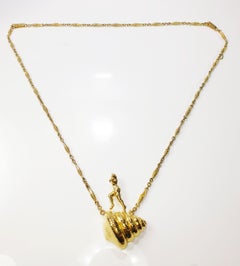
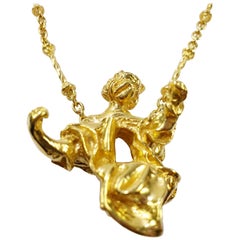
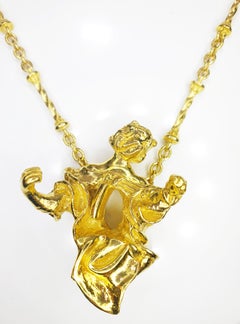
On 1stDibs, shop a collection of exquisite figurines and sculptures by leading artists and creators such as Salvador Dalí, MOISEIKIN and others.