

Located in New Orleans, LA
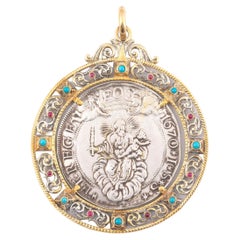
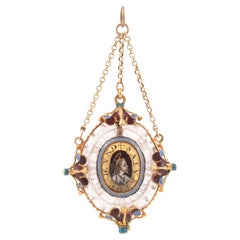
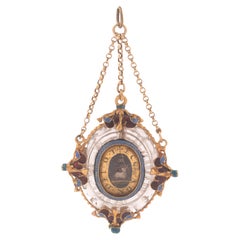
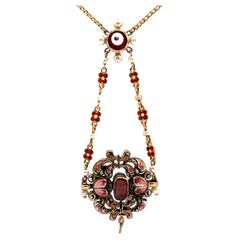
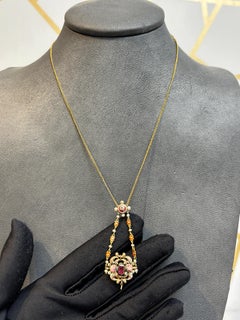
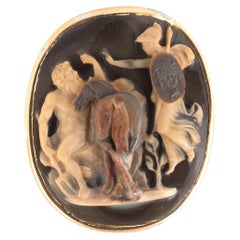
The cameo at the center of this exceptional pendant is a stunning example of the art of gem engraving during the Renaissance. It likely dates to the early 17th century and features a sacrificial scene inspired by the Greco-Roman era. The central flaming altar is flanked by two figures preparing to sacrifice a ram, while a figure in a lion skin blowing horns stands in the left corner. The carver brilliantly uses the natural layers of the stone to achieve the illusion of shadow and musculature on the figures. A second, smaller cameo is set at the top of the pendant, while a myriad of multi-colored gems, pearls and enamel adorns the 18K gold setting. A large Baroque pearl suspended from an enamel dragon finishes the design, which embodies the opulence and theatricality of jewels from the Renaissance age.
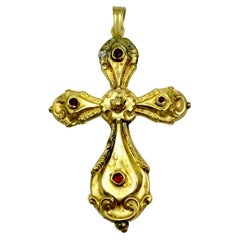
Cameos and intaglios were highly popular amongst wealthy connoisseurs in Renaissance Italy, and owning the finest pieces was the privilege of princes. Although they were often elaborately mounted for display alone, cameos were also frequently worn as pendants, surrounded by enameled and stone-set gold frames. Such pieces were particularly prized by the Medici and Lorraine families, many of which can now be seen at the National Archeological Museum in Florence.
Very few Renaissance cameos...
Category
Italian Renaissance Antique 17th Century Jewelry
MaterialsMulti-gemstone, Pearl, 18k Gold, Enamel