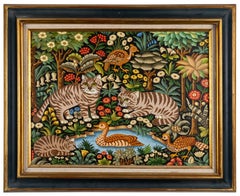
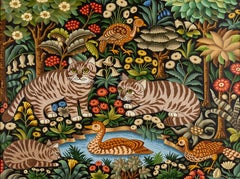
By JP Terlizzi
Located in Lenox, MA
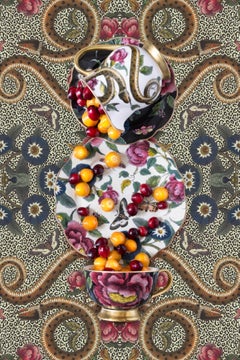
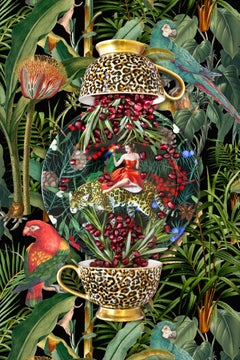
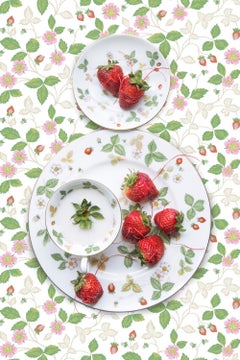
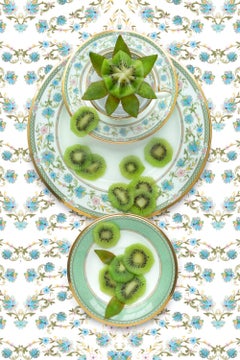
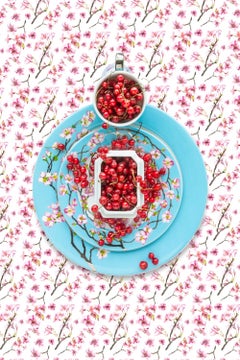
From "The Good Dishes" and "Creatures of Curiosity" Collection
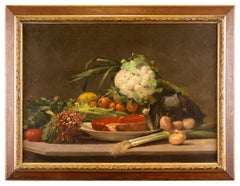
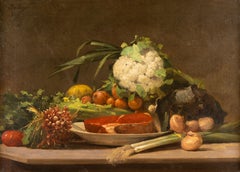
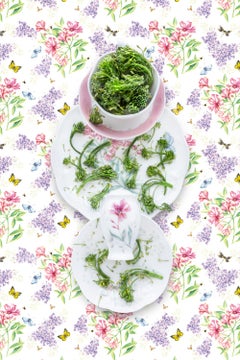
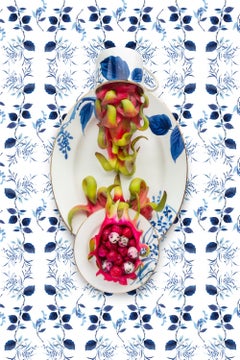
Spode Creatures of Curiosity with Goose-Cranberry
36" x 24"
Edition of 5 +2AP
Other sizes and Editions available
Artist's Bio:
US, Born in New Jersey, 1962
Lives in New York City. NY
JP Terlizzi (American, b.1962) is a New York City photographer whose contemporary practice explores themes of memory, relationship, and identity. His images are rooted in the personal and heavily influenced around the notion of home, legacy, and family. He is curious how the past relates and intersects with the present and how the present enlivens the past, shaping one’s identity.
Born and raised in the farmlands of Central New Jersey, JP earned a BFA in Communication Design at Kutztown University of PA with a background in graphic design and advertising. He has studied photography at both the International Center of Photography in New York and Maine Media College in Rockport, ME.
His work has been exhibited widely in galleries including shows at The Center for Fine Art Photography, Vicki Myhren Gallery at the University of Denver, The Griffin Museum, Tilt Gallery, Panopticon Gallery, Candela Gallery, The Los Angeles Center of Photography, University Gallery at Cal Poly, Sohn Fine Art in Lenox, MA, and The Berlin Foto Biennale, Berlin, Germany, among others. His solo exhibits include shows at Foto Relevance...
Category
21st Century and Contemporary Contemporary Berkshires - Art
MaterialsArchival Pigment