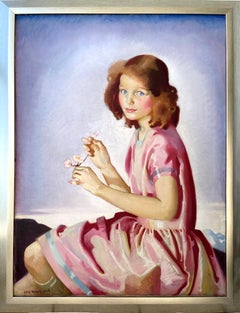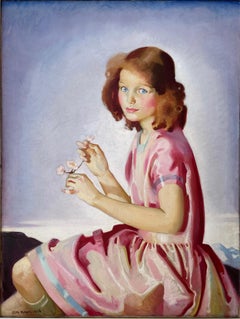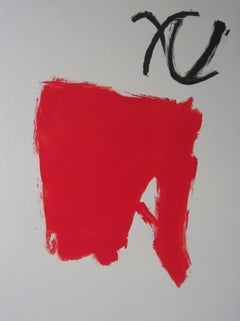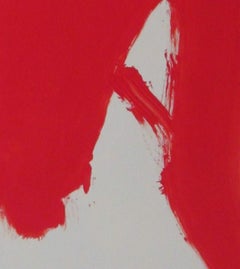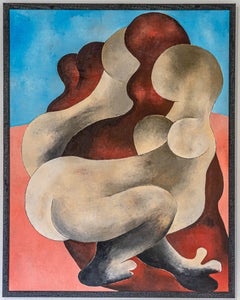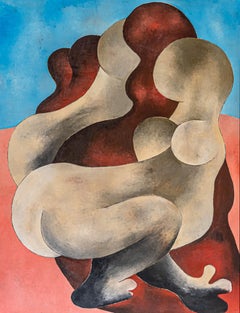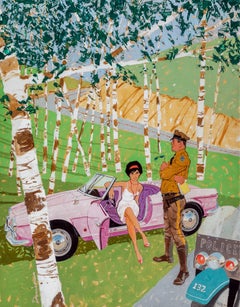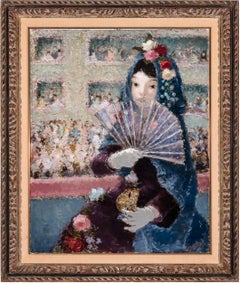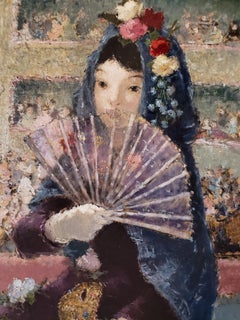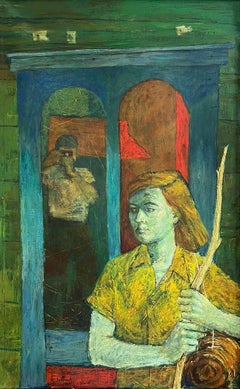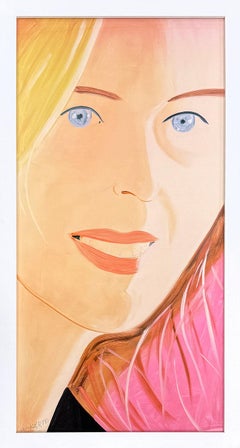
Jean Souverbie (French, 1891 - 1981)
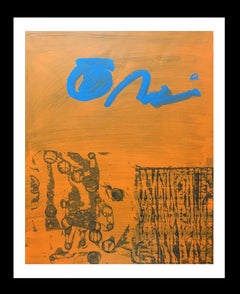
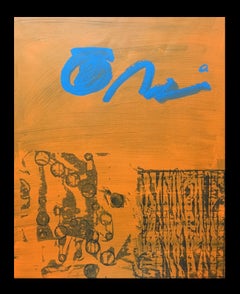
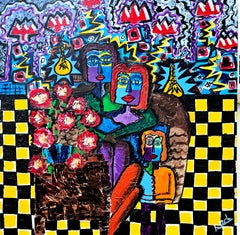
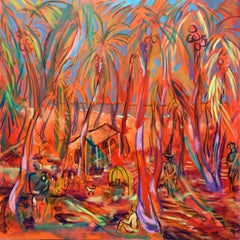
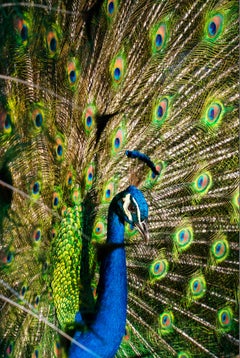
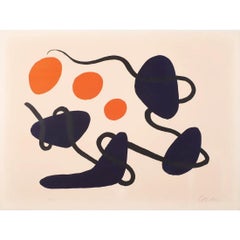
"Tulipes Jaunes"
1970
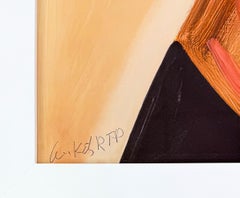
Oil on Canvas. Hand signed and dated ('70) lower right.
Inscribed verso on canvas.
Provenance Paisnel Gallery label verso,
Anaf-Martinon (S.V.V.) Tableaux modernes & contemporains, 01 oct 2006
Lyon, France
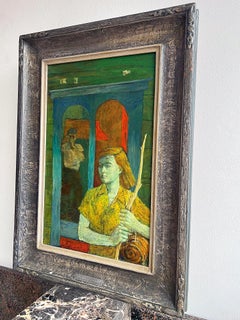
Dimensions: Sight Size: 36.5 x 23.5 in. Overall Framed Size: 43.75 x 31 in.
Jean Souverbie was a figurative painter of the French school, known for
known for his cubist and modern interpretations of classical nudes, in addition to seascapes and still lifes.
Born in Boulogne-Billancourt in 1891, It was a meeting with Nabis group artists Maurice Denis and Paul Sérusier in 1908 that influenced Souverbie to become an artist. An interest in the work of the classical painter Nicolas Poussin at the start of his artistic career would turn out to be an enduring one, the influence of which can be seen throughout Souverbie’s oeuvre. Souverbie enrolled at the Académie Ranson in 1916, where he befriended Pierre Bonnard, Edouard Vuillard, and Félix Edouard Vallotton.
Souverbie's art style is best described as a distinctive blend of Synthetic Cubism and Classicism (also referred to as Neo-Greek or a return to order). Initially influenced by the Post Impressionist, Symbolists and Fauvist Nabi artists like Maurice Denis In the 1920’s, Souverbie turned toward cubism after the discovery of Georges Braque’s work, but the decisive turning point was reached in 1925, when he exhibited along the Section d’or at the Vavin Raspail gallery and met Charles Gleizes, André Lhote, Louis Marcoussis, and many other members of the Parisian avant-garde including Pablo Picasso who he deeply admired. This master, who had become a friend, deeply influenced Souverbie’s artistic conceptions. His nudes became more and more geometrical, their sculptural bodies echoed cubists icons of the Spanish painter. Souverbie went on to have a show of 54 Cubist paintings at the Bernheim-Jeune Gallery in 1929, which solidified his reputation as an important figure in the Parisian art scene of the 1920s and 1930s. By the 1930’s Souverbie had become renowned. He turned to the realisation of monumental works (commissions) which made him famous around the world. In 1937, he was amongst artists chosen to decorate the new Palais de Chaillot, built for the Universal Exhibition to replace the Palais du Trocadéro. Jean Souverbie taught at the Académie Julian and the École des Beaux-Arts in Paris during the 1940s. Among his best-known students are Philippe de La Hogue-Rey, Philippe Lejeune, Jean Le Merdy, Yves de Saint-Front, Georges Visconti and Pierrette Bloch. He was an important mentor figure for Francoise Gilot during her early career as she developed her own artistic style. During the second half of the 1940’s, he contributed to the decoration of 8 Art Deco ocean liners...
Category
1970s Post-Impressionist Miami - Art